Define Habeas Corpus In Law In Dallas
Description

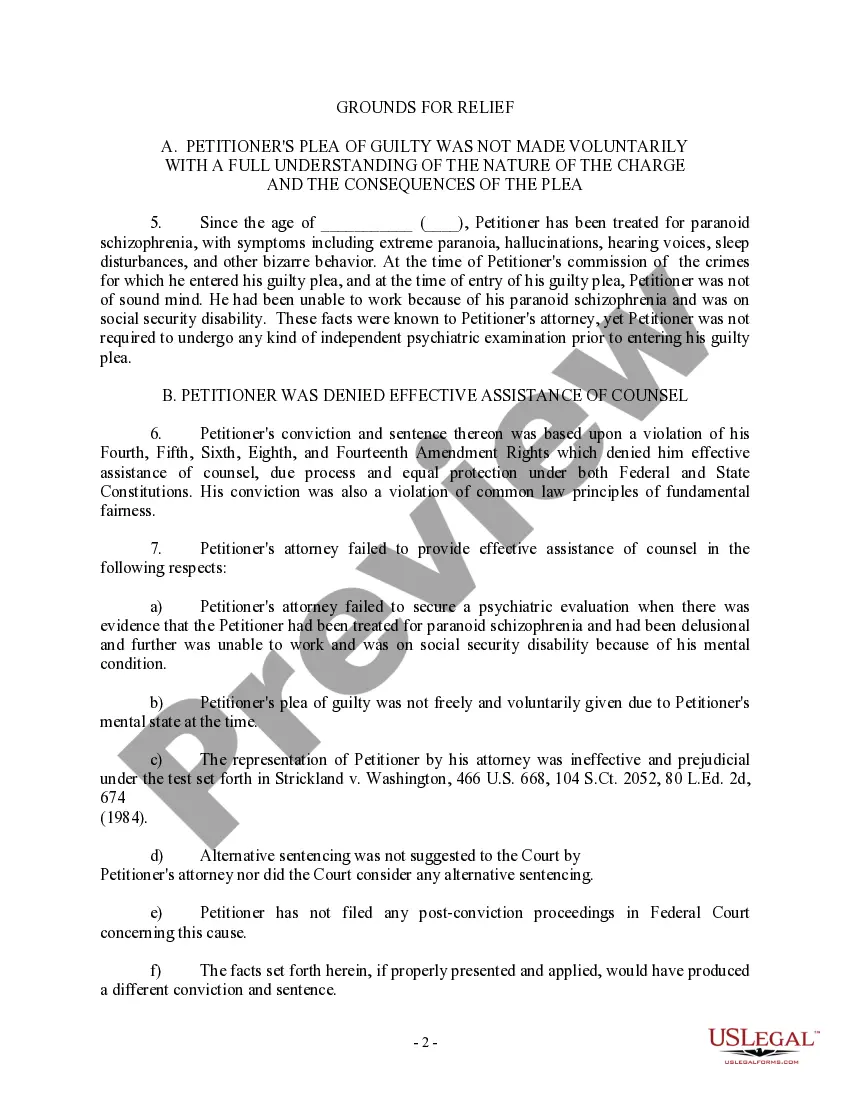
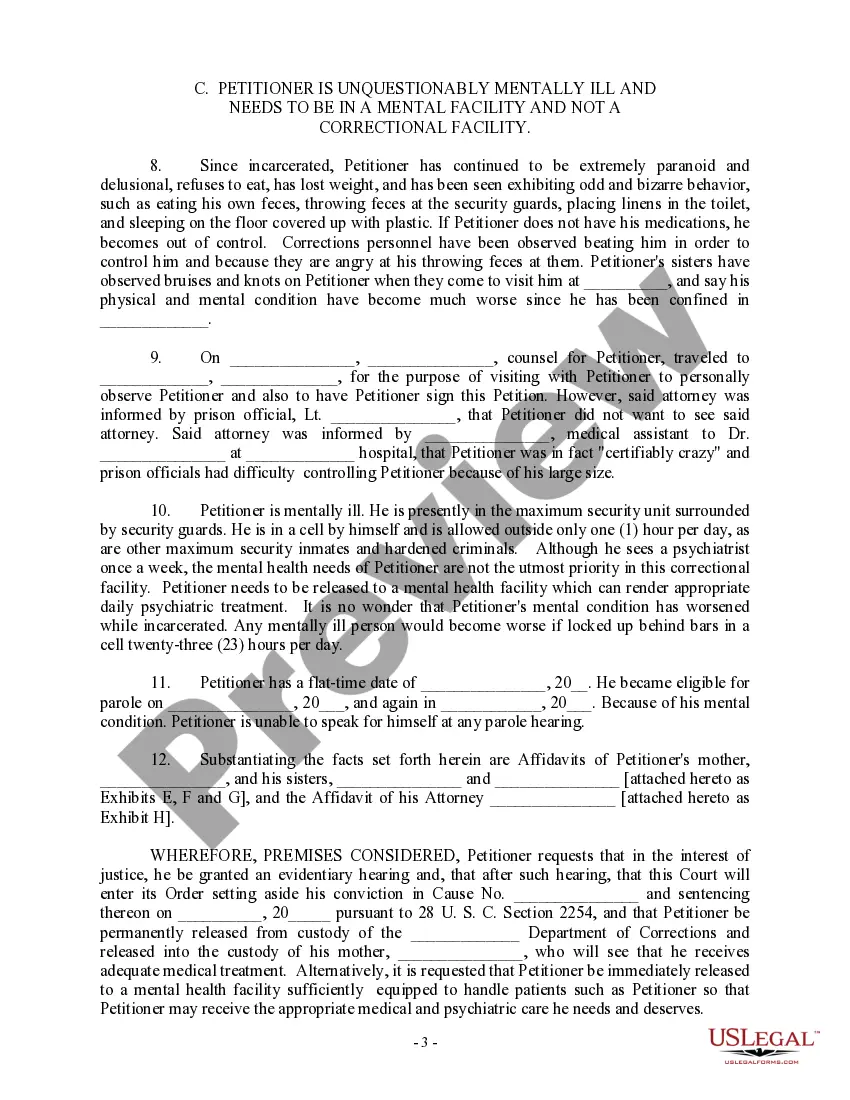

Get your form ready online
Our built-in tools help you complete, sign, share, and store your documents in one place.
Make edits, fill in missing information, and update formatting in US Legal Forms—just like you would in MS Word.
Download a copy, print it, send it by email, or mail it via USPS—whatever works best for your next step.
Sign and collect signatures with our SignNow integration. Send to multiple recipients, set reminders, and more. Go Premium to unlock E-Sign.
If this form requires notarization, complete it online through a secure video call—no need to meet a notary in person or wait for an appointment.
We protect your documents and personal data by following strict security and privacy standards.

Make edits, fill in missing information, and update formatting in US Legal Forms—just like you would in MS Word.

Download a copy, print it, send it by email, or mail it via USPS—whatever works best for your next step.

Sign and collect signatures with our SignNow integration. Send to multiple recipients, set reminders, and more. Go Premium to unlock E-Sign.

If this form requires notarization, complete it online through a secure video call—no need to meet a notary in person or wait for an appointment.

We protect your documents and personal data by following strict security and privacy standards.
Looking for another form?










Form popularity
FAQ
What If the Petition is Denied? Suppose the court finds in favor of the government and denies your habeas corpus petition. In that case, you may still have alternative legal recourse before all remedies are exhausted—namely, you can file a similar habeas corpus petition in federal court.
The Court of Criminal Appeals will review these recommendations and make the final decision about whether to deny or grant relief. If an application for a writ of habeas corpus is denied at the state level, the defendant may be able to apply for a federal writ and challenge this decision.
(b) An application for writ of habeas corpus filed after final conviction in a felony case, other than a case in which the death penalty is imposed, must be filed with the clerk of the court in which the conviction being challenged was obtained, and the clerk shall assign the application to that court.
In a Texas child custody case, a writ of Habeas Corpus may be used to challenge the custody or visitation rights of a parent or guardian and seek the return of a child who has been unlawfully removed or detained by another party.
Post-conviction relief in Texas usually takes the form of an application for a writ of habeas corpus. In a habeas corpus proceeding, a defendant may raise claims such as ineffective assistance of counsel, illegal sentencing, or newly discovered evidence that exonerates the defendant.
The Privilege of the Writ of Habeas Corpus shall not be suspended, unless when in Cases of Rebellion or Invasion the public Safety may require it.
About 63% of issues raised in habeas corpus petitions by state court prisoners are dismissed on procedural grounds at the U.S. District Court level, and about 35% of those issues are dismissed based on the allegations in the petition on the merits (on the merits has a different meaning than what it's used for here).
A writ of habeas corpus orders the custodian of an individual in custody to produce the individual before the court to make an inquiry concerning his or her detention, to appear for prosecution (ad prosequendum) or to appear to testify (ad testificandum).
The difference between these two writs is that habeas corpus is designed to enforce the right to freedom of the person, whereas amparo is designed to protect those other fundamental human rights enshrined in the Constitution but not covered by the writ of habeas corpus.”
