Letter For Recovery Debt In Washington
Description

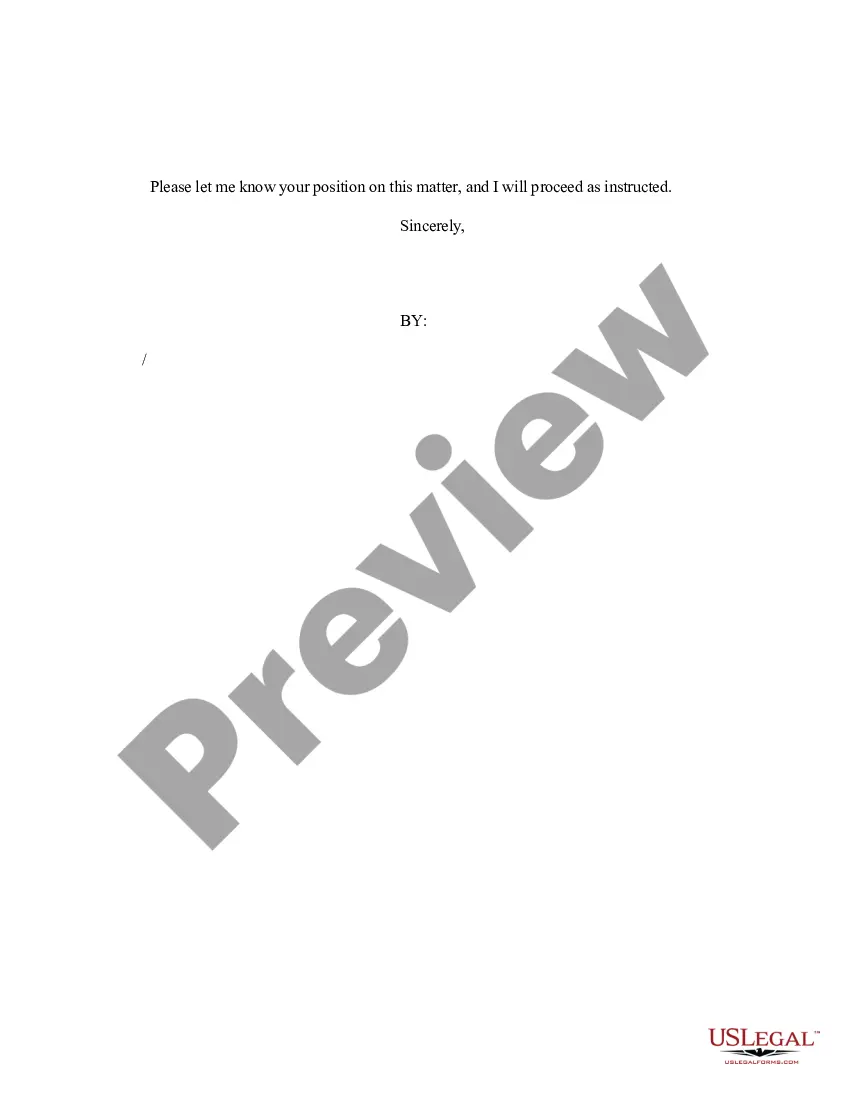


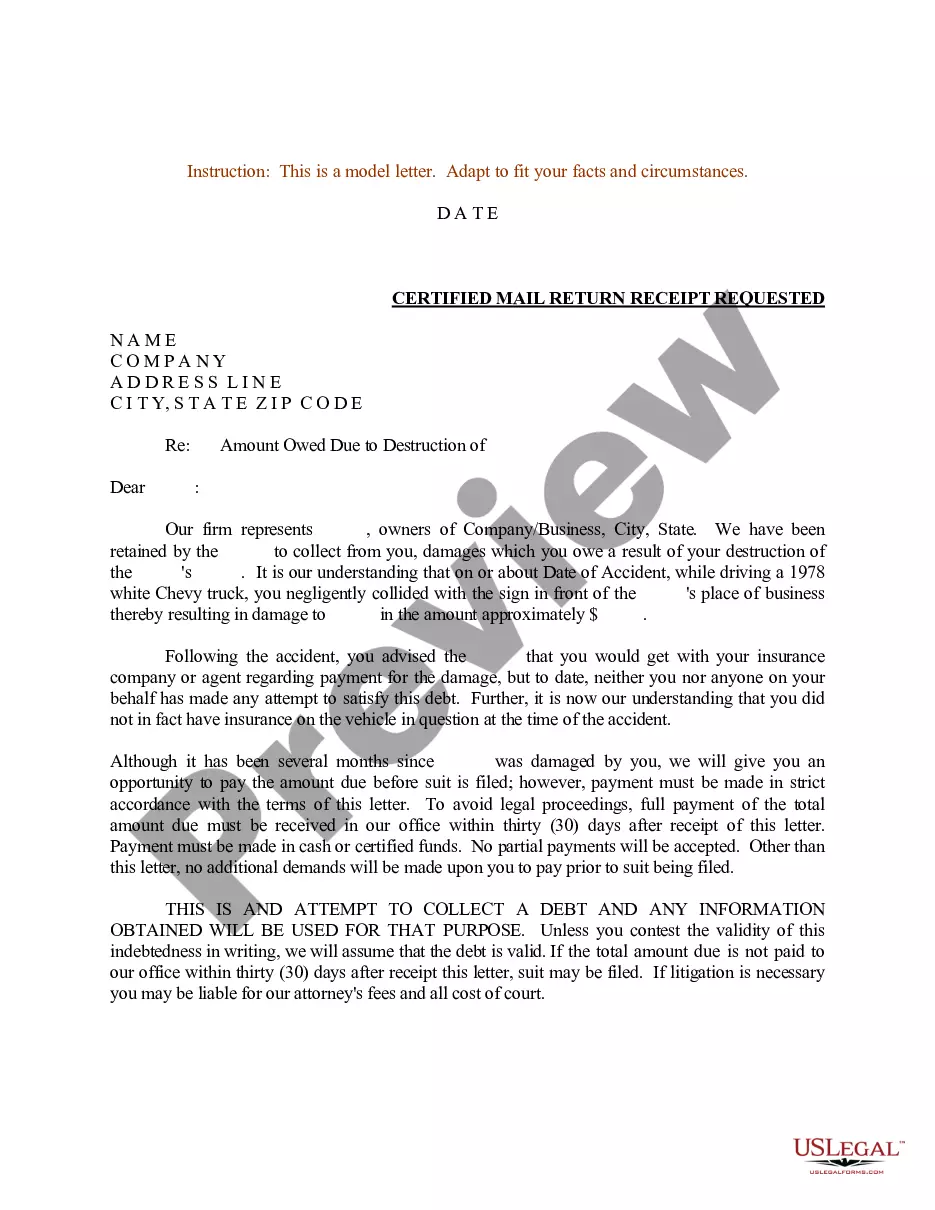

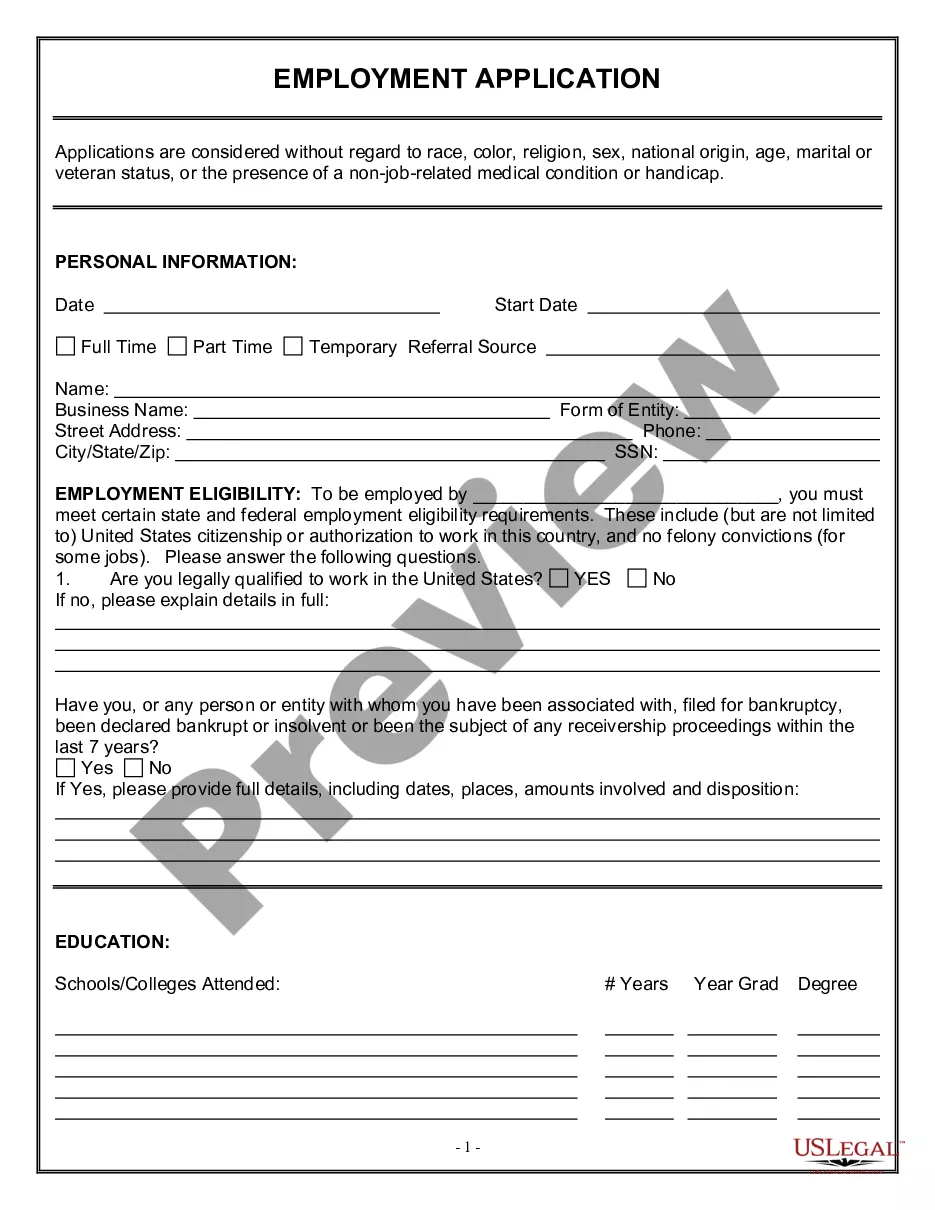
Get your form ready online
Our built-in tools help you complete, sign, share, and store your documents in one place.
Make edits, fill in missing information, and update formatting in US Legal Forms—just like you would in MS Word.
Download a copy, print it, send it by email, or mail it via USPS—whatever works best for your next step.
Sign and collect signatures with our SignNow integration. Send to multiple recipients, set reminders, and more. Go Premium to unlock E-Sign.
If this form requires notarization, complete it online through a secure video call—no need to meet a notary in person or wait for an appointment.
We protect your documents and personal data by following strict security and privacy standards.

Make edits, fill in missing information, and update formatting in US Legal Forms—just like you would in MS Word.

Download a copy, print it, send it by email, or mail it via USPS—whatever works best for your next step.

Sign and collect signatures with our SignNow integration. Send to multiple recipients, set reminders, and more. Go Premium to unlock E-Sign.

If this form requires notarization, complete it online through a secure video call—no need to meet a notary in person or wait for an appointment.

We protect your documents and personal data by following strict security and privacy standards.
Looking for another form?








Form popularity
FAQ
Federal law requires the state to recover certain medical and long term care expenses from a person's “estate” - their property - after they die. This is called “estate recovery”. It is something the deceased person agreed to before receiving services.
These are state and federally funded programs that provide household and personal care services to enable clients to remain at home. Clients must be low-income and authorized to receive these services. Household services might include housekeeping and meal preparation.
Medicaid Estate Recovery Some strategies include: Establishing Trusts: By placing your assets in irrevocable trusts, such as a MAPT, you can protect them from estate recovery efforts. Asset Transfers: Transferring assets to a well spouse or qualifying family members may also help shield them from recovery.
Helpful resources for Washington homeowners. The Washington State Homeowner Assistance Fund (HAF) provides individual support and federal relief funds—up to $60,000 per household—to qualified Washington homeowners behind on their mortgage due to pandemic hardship. Funds are limited. If you qualify, apply soon.
To reflect this loss on your financial statements, debit the bad debt expense account and credit the accounts receivable account. This entry ensures that your company's financial records accurately reflect the economic reality of the situation and adhere to accounting principles.
This can have serious consequences (more on this below). To respond to the lawsuit, fill out an answer and appearance form. Next, complete the certificate of service form. Then, file your forms with the court within 20 days of receiving the summons.
How to write a debt collection letter: Step by step guide Step 1: Use a professional format. Step 2: Write a clear subject line (if sending via email) ... Step 3: Address the recipient. Step 4: State the purpose of the letter. Step 5: Provide detailed information on the debt. Step 6: Include payment instructions.
Unfortunately, my circumstances are unlikely to improve in the foreseeable future and I have no assets to sell to help clear my debt. I am therefore asking you to consider writing off my debt as I can see no way of ever repaying it. If you are unable to agree to this, please explain your reasons.
The Washington Collection Agency Act and federal Fair Debt Collection Practices Act prohibit harassment, false or misleading statements and unfair practices by collection agencies. If you believe a collection agency has unreasonably harassed or misled you, you can sue it. You could win damages and lawyer fees.
Statute of Limitations in Washington In Washington, the statute of limitations on debt collection lawsuits is six years after the date of default or last payment on the debt account. When six years have passed, debt collectors can still attempt to collect these debts, but they cannot file a collection lawsuit.
