Letter For Recovery In Wake
Description

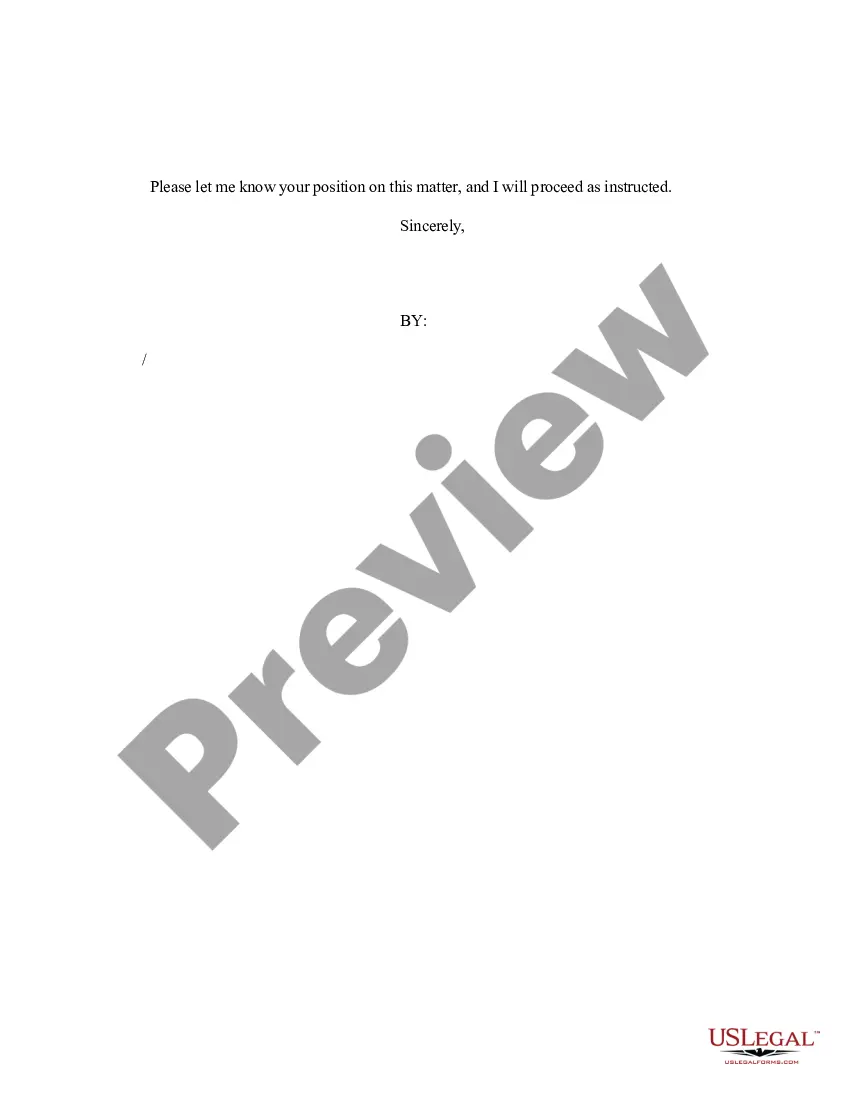


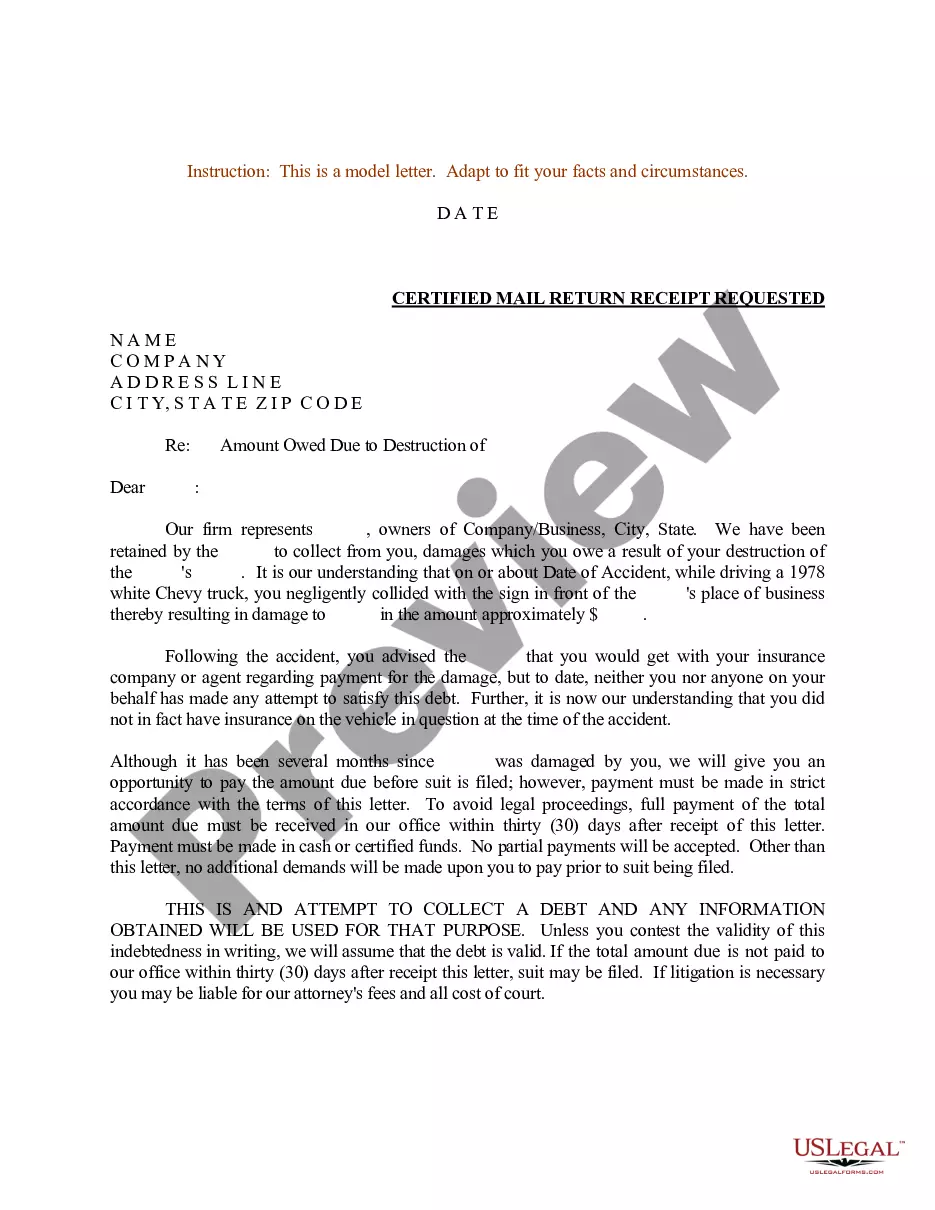

Get your form ready online
Our built-in tools help you complete, sign, share, and store your documents in one place.
Make edits, fill in missing information, and update formatting in US Legal Forms—just like you would in MS Word.
Download a copy, print it, send it by email, or mail it via USPS—whatever works best for your next step.
Sign and collect signatures with our SignNow integration. Send to multiple recipients, set reminders, and more. Go Premium to unlock E-Sign.
If this form requires notarization, complete it online through a secure video call—no need to meet a notary in person or wait for an appointment.
We protect your documents and personal data by following strict security and privacy standards.

Make edits, fill in missing information, and update formatting in US Legal Forms—just like you would in MS Word.

Download a copy, print it, send it by email, or mail it via USPS—whatever works best for your next step.

Sign and collect signatures with our SignNow integration. Send to multiple recipients, set reminders, and more. Go Premium to unlock E-Sign.

If this form requires notarization, complete it online through a secure video call—no need to meet a notary in person or wait for an appointment.

We protect your documents and personal data by following strict security and privacy standards.
Looking for another form?



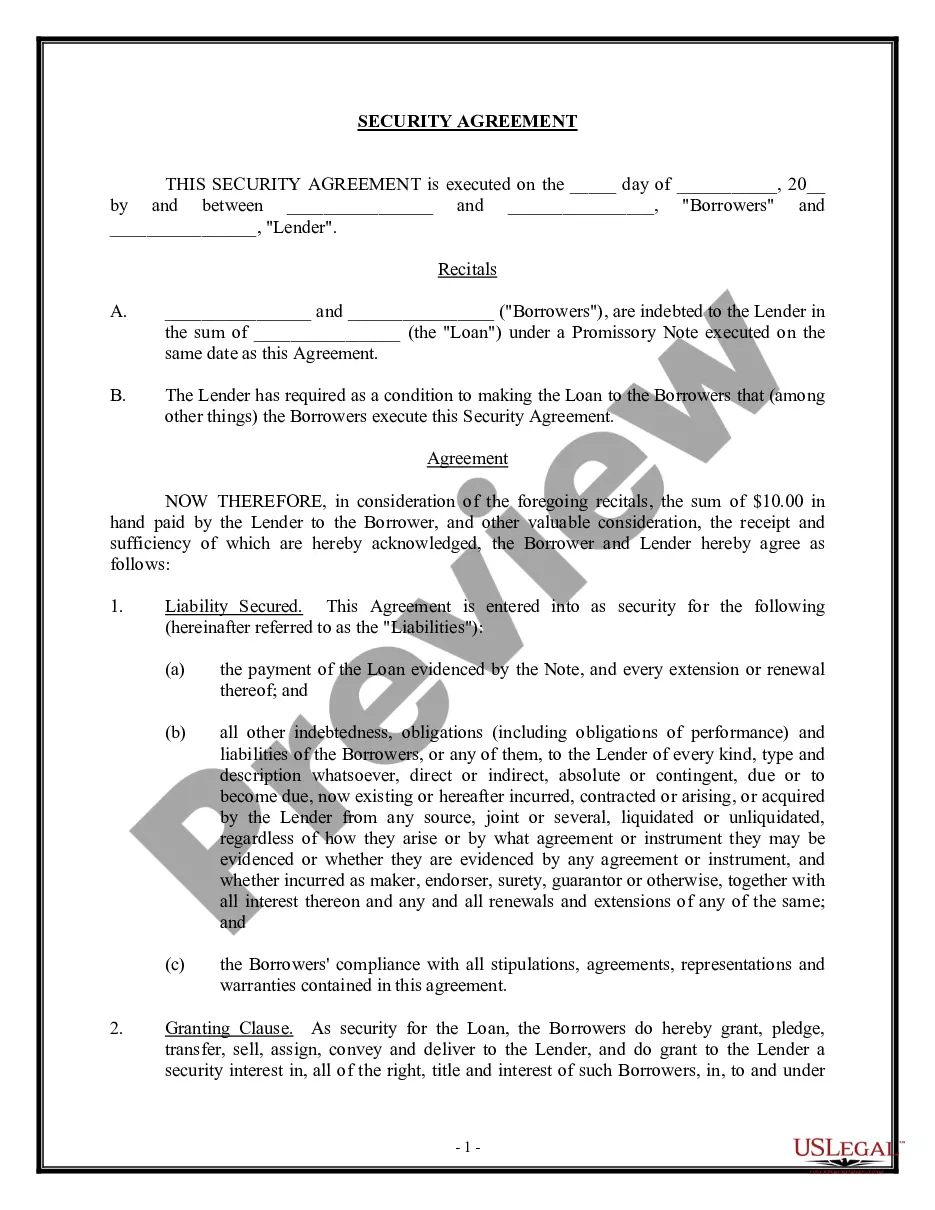

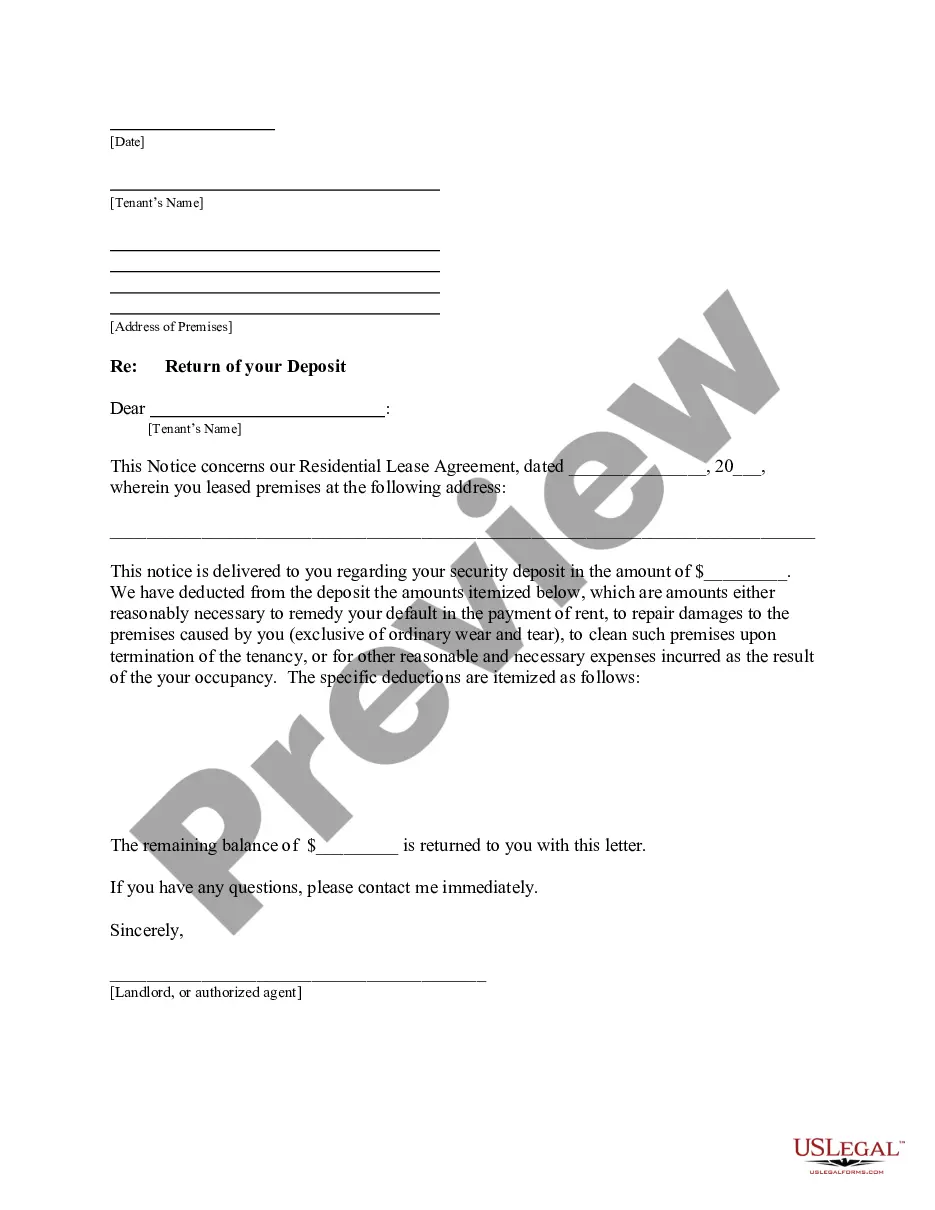



Form popularity
FAQ
Therapeutic letter writing is based on open, uncensored thoughts and feelings that will never be sent. The letter should contain all your emotions, your needs, your demands and your condemnations towards the person or object as the letter is an internal dialogue.
Once you start writing, your goal is to be specific. You want to not only focus on what happened during the hard event you are attempting to heal from but also describe in detail how it made you feel as well as the thoughts you had during the stressful time.
Acknowledge Their Strengths: Recognize and acknowledge the recipient's strengths, progress, and positive qualities. Be specific in your compliments. Offer Support: Offer words of support and encouragement. Let them know that you believe in their ability to overcome challenges.
Example: Over the past months and years, I have witnessed the toll that addiction has taken on our family. I have seen the pain in your eyes, the missed opportunities, and the strained relationships. It hurts me deeply to see you in this state, knowing the vibrant, caring, and talented person you truly are.
Some brief guidelines, letters should: Be addressed to 'Dear You' Written in the first person e.g. 'I felt that...' Be up to 1,000 words in length, preferably less. Be supportive and give comfort to the person reading the letter. Use your first name or a pseudonym to end the letter.
Writing short memoir pieces and personal essays proved most therapeutic, helping me reflect on my situation, accept it, reach out to people through it and, finally, heal.
The key to writing a letter to your emotions is communicating your thoughts and feelings. To do so, ask yourself intentional questions about how this particular emotion has recently surfaced in your life. Then, write down the answers as though you are talking to the emotion itself.
I hope you feel encouraged to take on this year and all its challenges knowing that you are not alone. Please know that I will be praying for you, even though I do not know who you are. You have a community that cares for you. We can do this together.
Remember, this is a letter that must come from a place of ownership and empathy, a heartfelt, honest, and sincere letter. Acknowledge the pain your spouse experienced and take responsibility for it. The big idea is empathizing with your wife and her pain not in a pretend way but from the heart.
An impact letter is exactly what the name implies: a letter to tell someone struggling with addiction the impact their disease has on others. An impact letter tends to be both detailed and heartfelt, allowing an opportunity to discuss troubling circumstances as well as specific situations that have caused grief.
