Recovery Letter Format In Ohio
Description




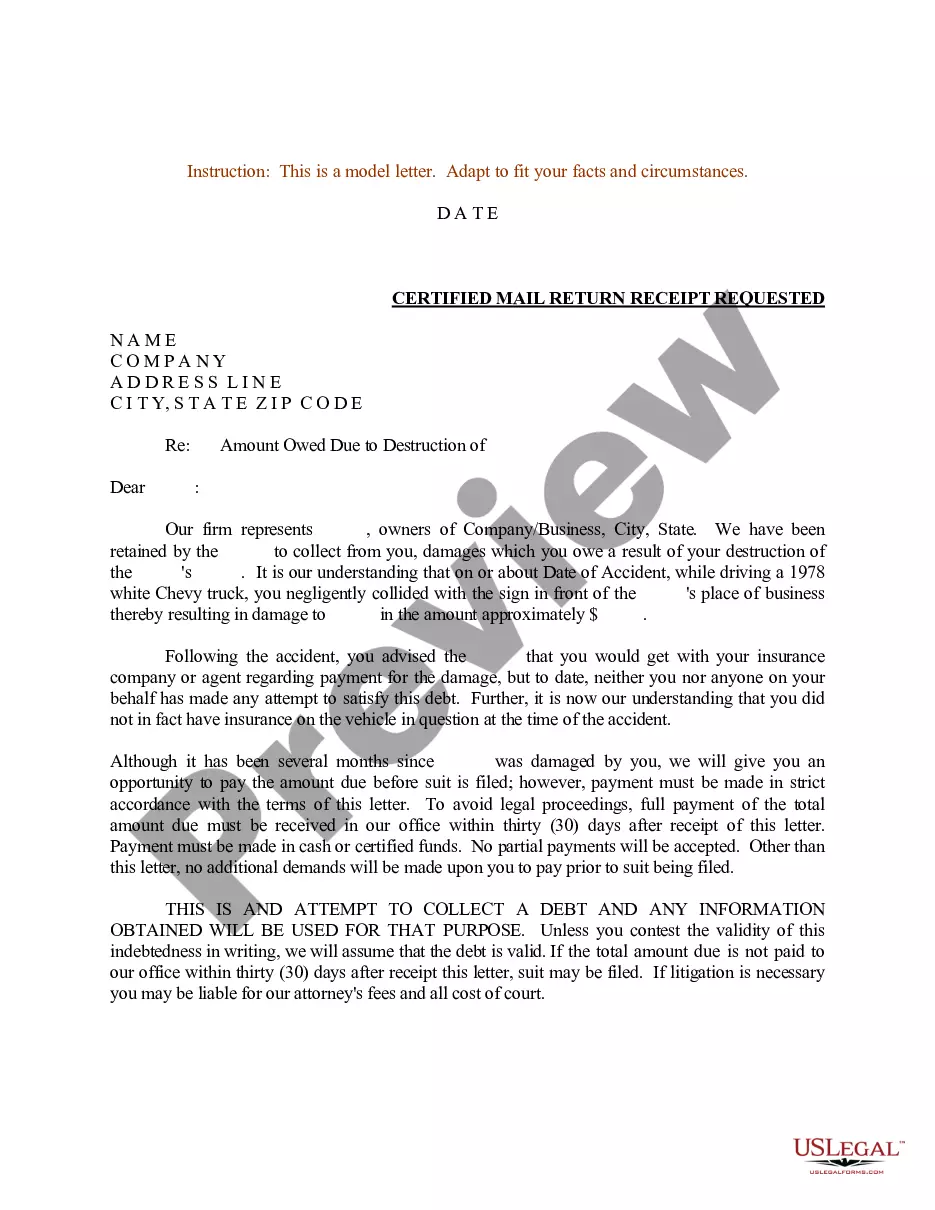

Get your form ready online
Our built-in tools help you complete, sign, share, and store your documents in one place.
Make edits, fill in missing information, and update formatting in US Legal Forms—just like you would in MS Word.
Download a copy, print it, send it by email, or mail it via USPS—whatever works best for your next step.
Sign and collect signatures with our SignNow integration. Send to multiple recipients, set reminders, and more. Go Premium to unlock E-Sign.
If this form requires notarization, complete it online through a secure video call—no need to meet a notary in person or wait for an appointment.
We protect your documents and personal data by following strict security and privacy standards.

Make edits, fill in missing information, and update formatting in US Legal Forms—just like you would in MS Word.

Download a copy, print it, send it by email, or mail it via USPS—whatever works best for your next step.

Sign and collect signatures with our SignNow integration. Send to multiple recipients, set reminders, and more. Go Premium to unlock E-Sign.

If this form requires notarization, complete it online through a secure video call—no need to meet a notary in person or wait for an appointment.

We protect your documents and personal data by following strict security and privacy standards.
Looking for another form?







Form popularity
FAQ
To probate a will in Ohio, take the following steps: Step 1: Find and File the Decedent's Will. Step 2: Order Decedent's Death Certificate. Step 3: Petition for Probate. Step 4: The Probate Is Opened and Letters of Authority Are Issued. Step 5: Administration, Creditors, and Inventory of the Estate.
To obtain your Ohio Certificate of Authority, you will submit an Application for Certificate of Authority, along with required certificates or certified copies from your home state. You will need to appoint a registered agent in order for your filing to be approved.
To probate a will in Ohio, take the following steps: Step 1: Find and File the Decedent's Will. Step 2: Order Decedent's Death Certificate. Step 3: Petition for Probate. Step 4: The Probate Is Opened and Letters of Authority Are Issued. Step 5: Administration, Creditors, and Inventory of the Estate.
Complete the affidavit: Fill out the form with the decedent's information, a list of their assets and the names and addresses of all heirs or beneficiaries. Notarize the affidavit: Sign the completed affidavit in front of a notary public. Some states might also require additional witnesses.
What defines a Small Estate, also known as Release from Administration? Surviving spouse inherits the entire estate and the gross estate is less than $100,000. Someone other than the surviving spouse inherits and the entire gross estate is less than $35,000.
The decedent must have resided in Ohio at the time of death, and the affidavit must be filed in the probate court of the county where the decedent lived. The required documentation includes the completed affidavit form, a copy of the decedent's death certificate, and a list of assets.
Summary release from the administration: Avoids probate entirely if either: The estate's worth less than $40,000 and the surviving spouse is the sole heir. The estate's worth less than $5,000 and/or the decedent's final expenses total no more than $5,000.
A Letter of Authority refers to the document (or Letter) that grants the personal representative authority to act on behalf of the estate of the person that died. Probate refers to the court procedure by which a decedent's estate gets administered after death.
The Specialized Recovery Services program assists adults with severe and persistent mental illness, certain diagnosed chronic conditions, and those actively waiting on specific transplant lists.
The letter of authority (J170) must be obtained from the Office of the Master of the High Court or a Magistrates Court and can take up to 120 days to be issued. It is usually valid for up to 12 months.
