Recovery Letter For Employee In New York
Description
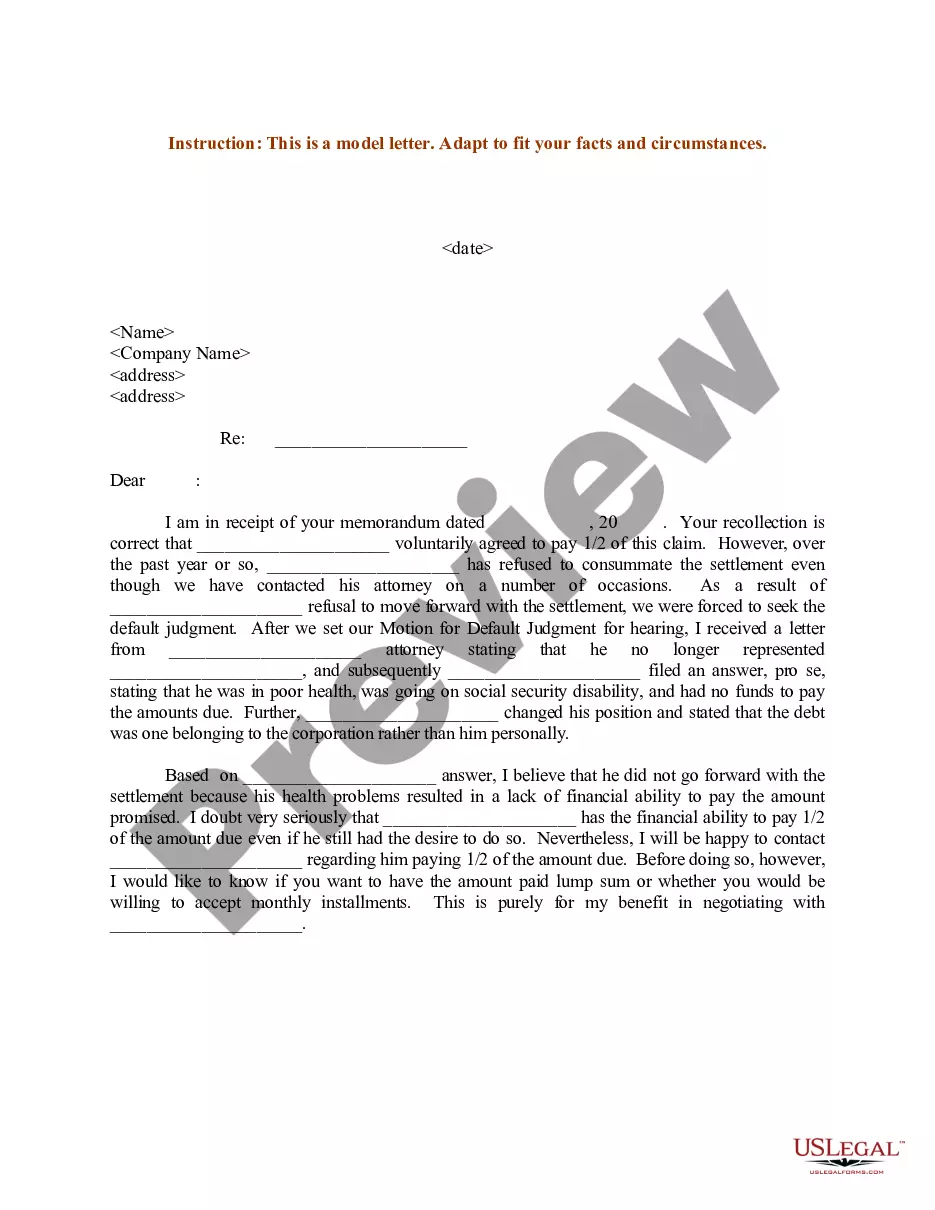

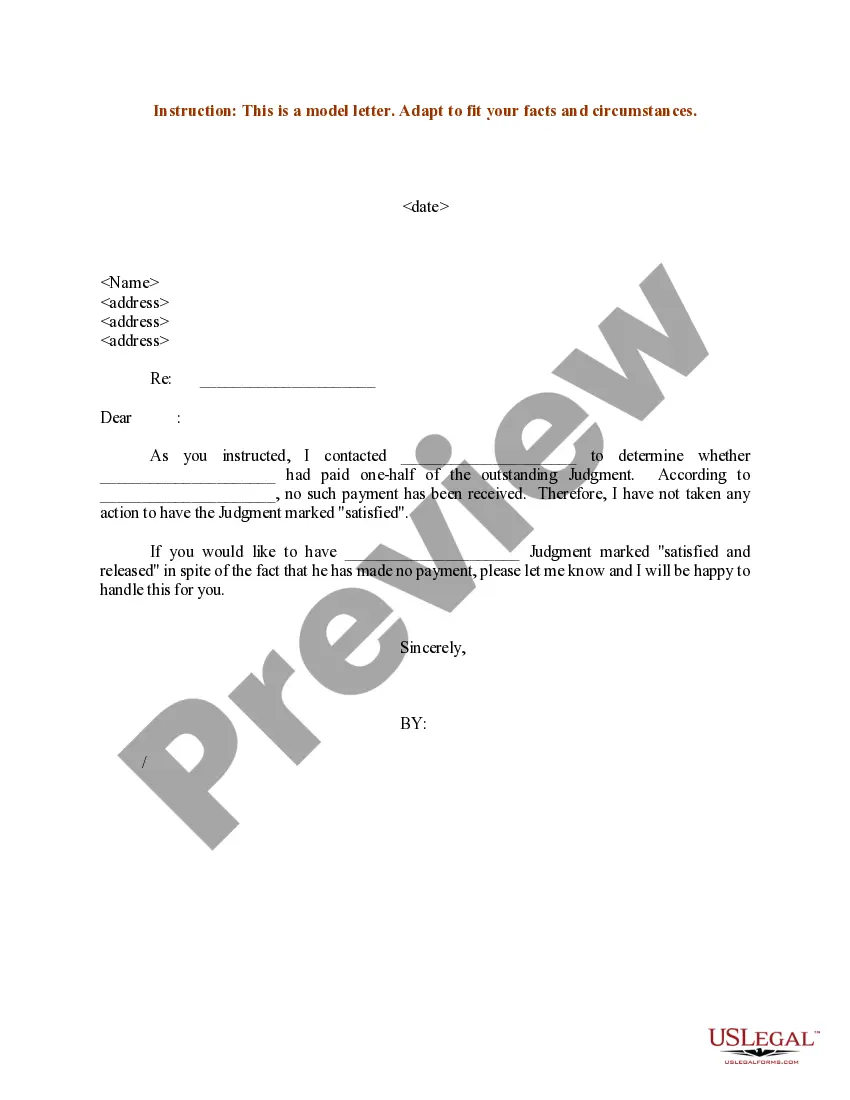
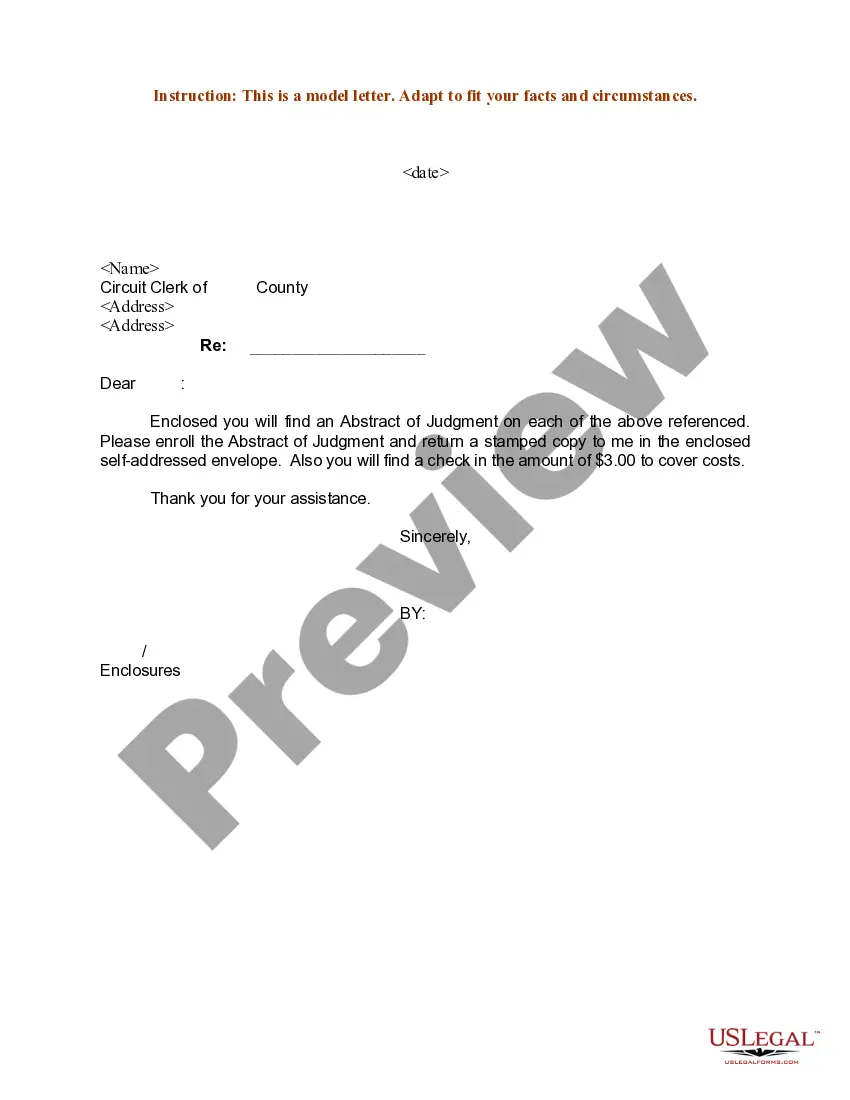
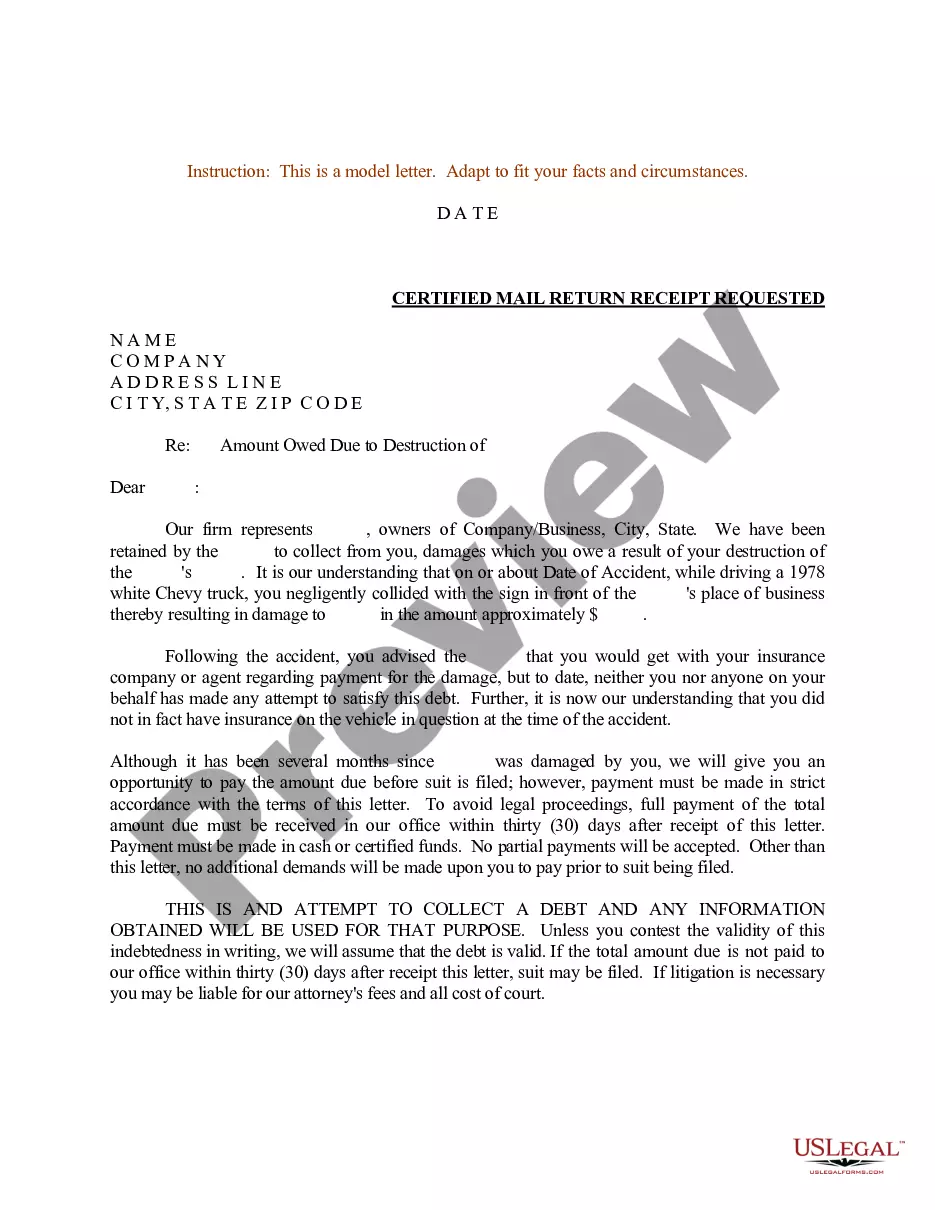
Get your form ready online
Our built-in tools help you complete, sign, share, and store your documents in one place.
Make edits, fill in missing information, and update formatting in US Legal Forms—just like you would in MS Word.
Download a copy, print it, send it by email, or mail it via USPS—whatever works best for your next step.
Sign and collect signatures with our SignNow integration. Send to multiple recipients, set reminders, and more. Go Premium to unlock E-Sign.
If this form requires notarization, complete it online through a secure video call—no need to meet a notary in person or wait for an appointment.
We protect your documents and personal data by following strict security and privacy standards.

Make edits, fill in missing information, and update formatting in US Legal Forms—just like you would in MS Word.

Download a copy, print it, send it by email, or mail it via USPS—whatever works best for your next step.

Sign and collect signatures with our SignNow integration. Send to multiple recipients, set reminders, and more. Go Premium to unlock E-Sign.

If this form requires notarization, complete it online through a secure video call—no need to meet a notary in person or wait for an appointment.

We protect your documents and personal data by following strict security and privacy standards.
Looking for another form?
Form popularity
FAQ
Overpaid benefits and monetary penalties can also be collected by taking your state or federal tax refund. Additionally, if you collect benefits in the future, those benefits will be offset to recover any remaining overpayment that you have not repaid.
How To Correct a Payroll Overpayment Step 1: Gather Data. Before taking any action to correct overpaid wages, you'll need to get your facts straight. Step 2: Check State Laws and Company Policies. Step 3: Notify the Employee. Step 4: Discuss Repayment Options with the Employee. Step 5: Adjust your payroll.
The employer may only recover such overpayments as were made in the eight weeks prior to the issuance of the notice described in subdivision (e) of this section. The employer may make deductions to recover overpayments for a period of six years from the original overpayment.
The employer may only recover such overpayments as were made in the eight (8) weeks prior to the issuance of the notice described in subdivision (e) below. The employer may make deductions to recover overpayments for a period of six (6) years from the original overpayment; (b) Frequency.
How To Correct a Payroll Overpayment Step 1: Gather Data. Before taking any action to correct overpaid wages, you'll need to get your facts straight. Step 2: Check State Laws and Company Policies. Step 3: Notify the Employee. Step 4: Discuss Repayment Options with the Employee. Step 5: Adjust your payroll.
I am writing to you because I have been informed that I have been overpaid. I (am/was employed/engaged) by you from (enter date) to the (enter date) as a (enter job title) on a (enter job type - full time, part time or agency/casual) basis. You have stated that I have been overpaid by a total sum of (enter amount).
Next, New York State Labor Law §195(6) requires employers to notify any terminated employee, in writing, of the exact date of such termination. They must include the exact date of cancellation of employee benefits connected with such termination, including accident or health insurance, accrued time off, and any others.
The New York State Labor Law provides as follows: Section 195. Notice and record-keeping requirements Every employer shall: 6. notify any employee terminated from employment, in writing, of the exact date of such termination as well as the exact date of cancellation of employee benefits connected with such termination.
California Labor Code Section 2808(b) requires employers to provide to employees, upon termination, notification of all continuation, disability extension and conversion coverage options under any employer-sponsored coverage for which the employee may remain eligible after employment terminates.
What is proof of employee termination? This could include a written notice from the employer to the employee, a signed separation agreement, payroll records showing no further payments were made after a certain date, and other documents that prove there was an official ending to the employment relationship.