Letter For Recovery In Minnesota
Description
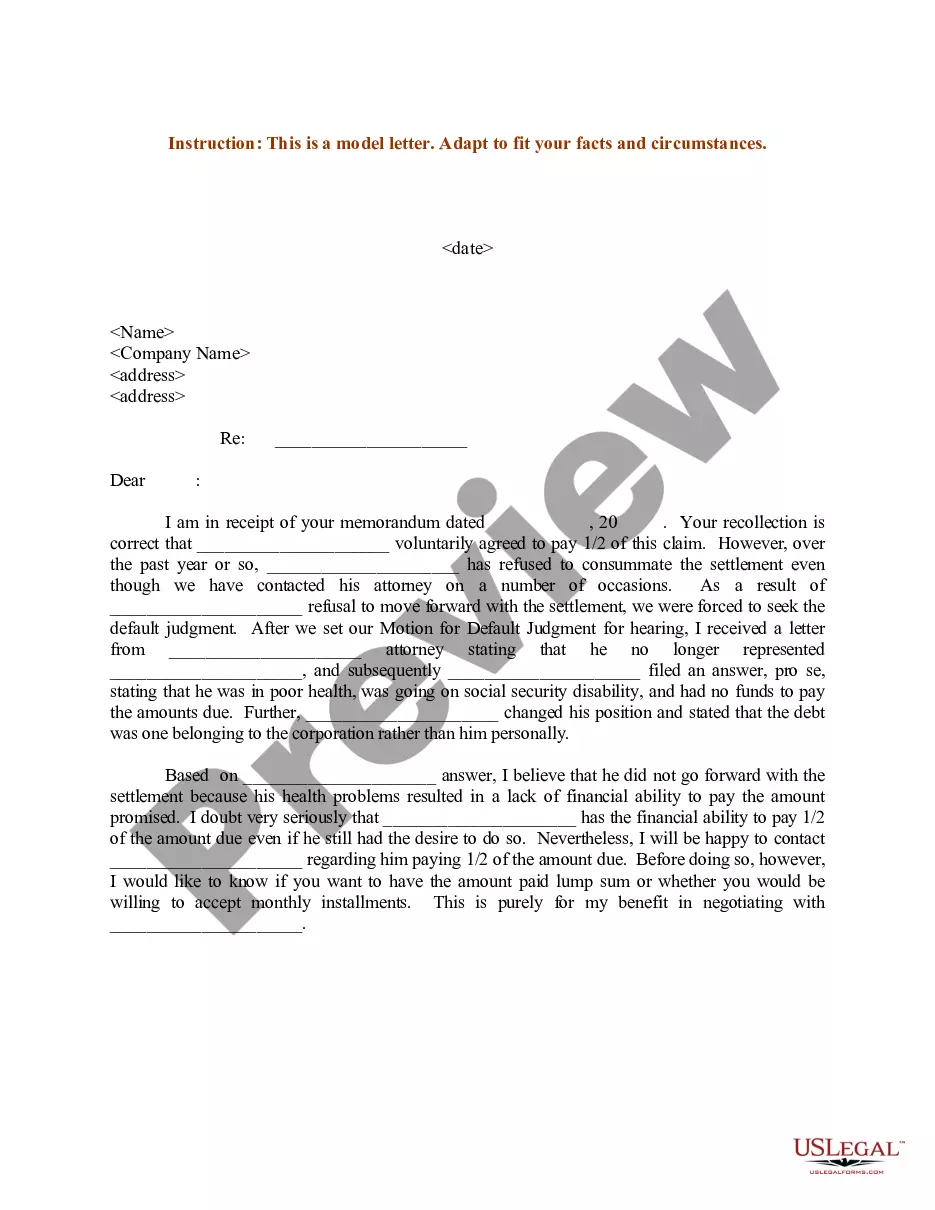



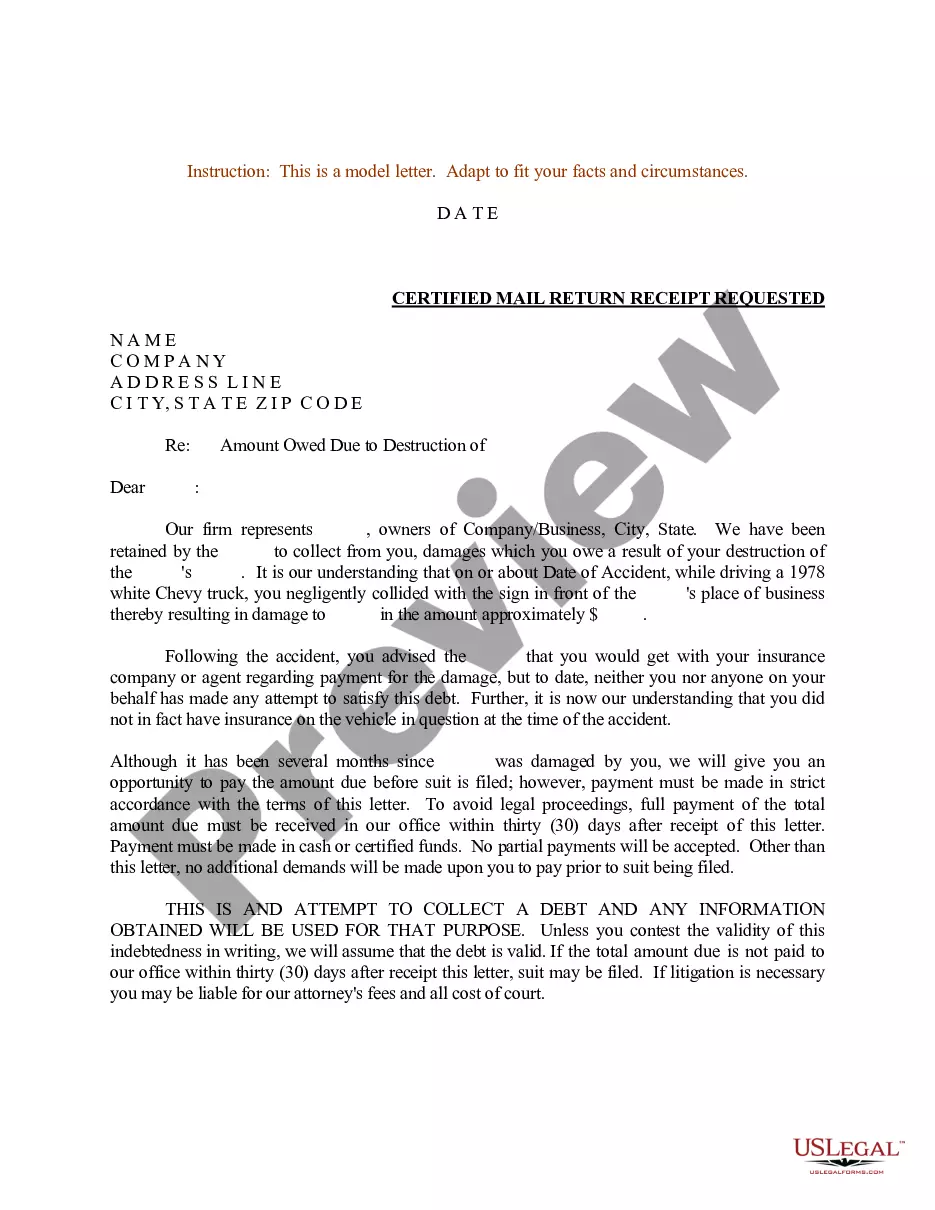

Get your form ready online
Our built-in tools help you complete, sign, share, and store your documents in one place.
Make edits, fill in missing information, and update formatting in US Legal Forms—just like you would in MS Word.
Download a copy, print it, send it by email, or mail it via USPS—whatever works best for your next step.
Sign and collect signatures with our SignNow integration. Send to multiple recipients, set reminders, and more. Go Premium to unlock E-Sign.
If this form requires notarization, complete it online through a secure video call—no need to meet a notary in person or wait for an appointment.
We protect your documents and personal data by following strict security and privacy standards.

Make edits, fill in missing information, and update formatting in US Legal Forms—just like you would in MS Word.

Download a copy, print it, send it by email, or mail it via USPS—whatever works best for your next step.

Sign and collect signatures with our SignNow integration. Send to multiple recipients, set reminders, and more. Go Premium to unlock E-Sign.

If this form requires notarization, complete it online through a secure video call—no need to meet a notary in person or wait for an appointment.

We protect your documents and personal data by following strict security and privacy standards.
Looking for another form?









Form popularity
FAQ
Medicaid. A state and federal program (called Medical Assistance in Minnesota) that provides health insurance that covers a broad array of health services for people, including families and children with low-incomes, older adults and people with disabilities.
Medical Assistance Clearance Certificate (This form is used when the property is not subject to a Transfer on Death Deed or Decree of Descent.)
Asset Limits for Medical Assistance in Minnesota The asset limits also vary depending on the specific program within Medical Assistance. For example, for the Medical Assistance for the Elderly and Disabled program, the asset limit is $3,000 for a single person and $6,000 for a married couple.
The Medical Clearance Form, also known as the Mental Health Information Form, is used to establish a baseline and evaluate a Selectee's ability to successfully complete 10 months in a residential service program that can be physically demanding and mentally stressful.
The only way to get “Letters” is to open a probate case with the court and be appointed as the personal representative of the decedent's estate.
The lookback period is 60 months prior to the baseline date. A new lookback period is established each time a person requests MA-LTC following a break in LTC services. A break in LTC services is a gap of one calendar month or more in receiving MA-LTC because the person either: Became ineligible for MA-LTC services.
Income Limits for Medical Assistance in Minnesota For example, the income limit for a single person applying for Medical Assistance for the Elderly and Disabled program is $1,149 per month in 2023. For a married couple, the income limit is $1,748 per month.
To start a probate case, a petition or application must be filed with the court and a personal representative must be appointed by a court order. The personal representative is responsible for the following: Collection, inventory, and appraisal of assets of the person who has died. Protection of the estate's assets.
524.3-803 LIMITATIONS ON PRESENTATION OF CLAIMS. (3) within one year after the decedent's death, whether or not notice to creditors has been published or served under section 524.3-801. Claims authorized by section 246.53, 256B. 15, or 256D. 16 must not be barred after one year as provided in this clause.
While Medicaid cannot attempt Estate Recovery if there is a surviving spouse, some states will attempt to collect after the death of the surviving spouse, while other states will not. California and Texas are two states that prohibit Estate Recovery after the death of the non-Medicaid spouse.
