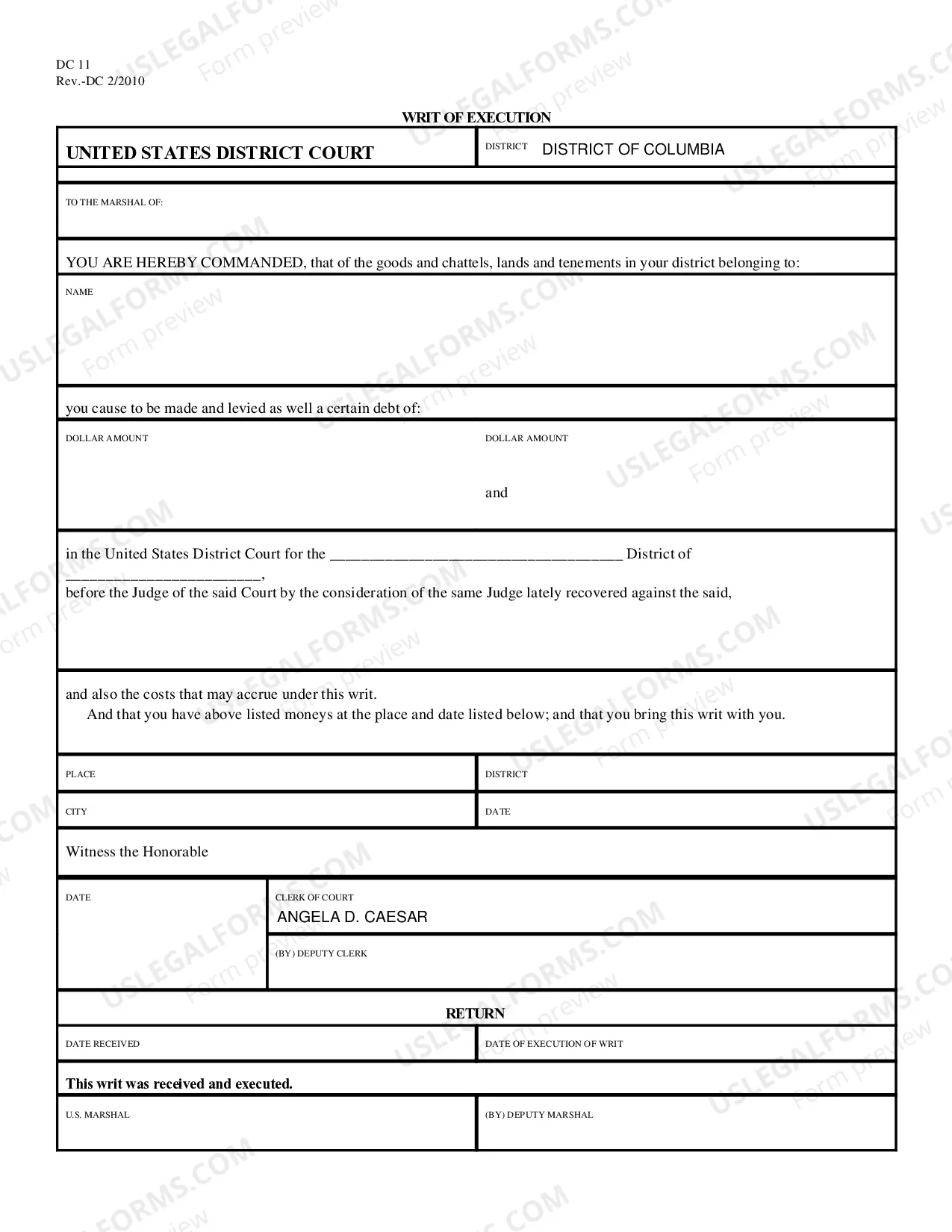
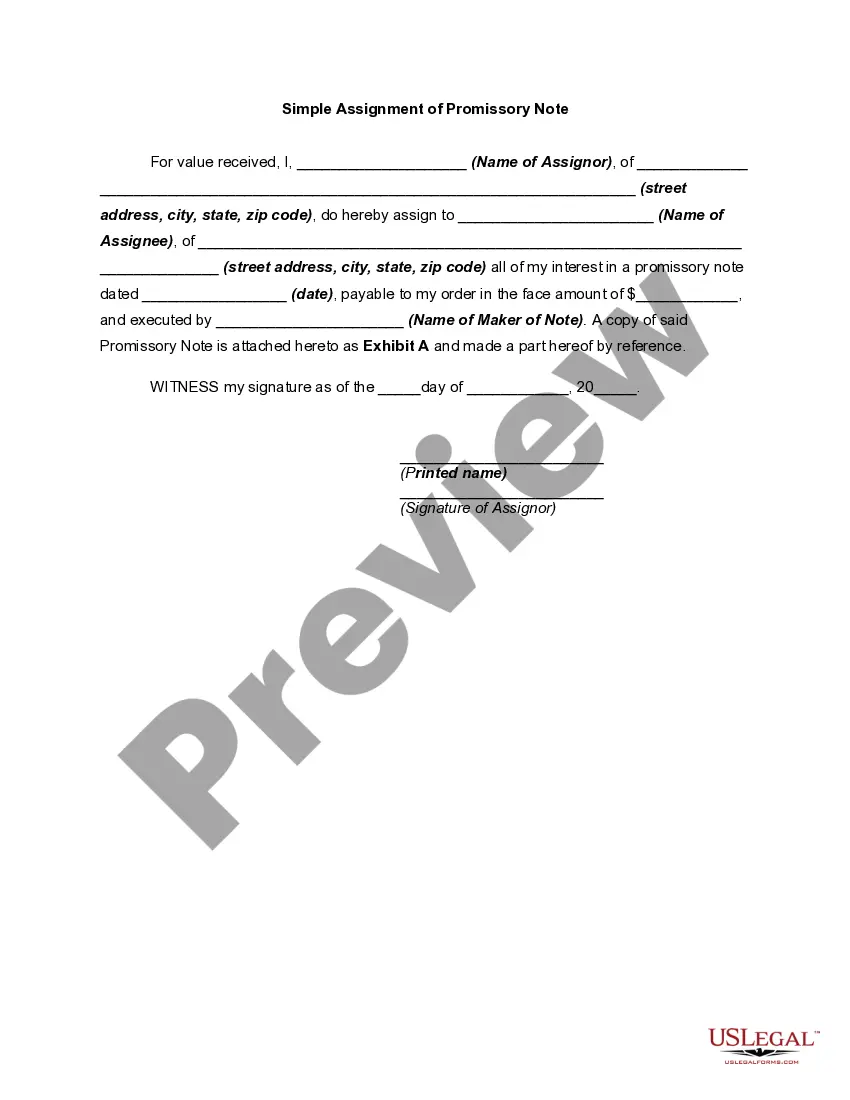
Notice Judgment Lien Form For Texas In Utah
Description




Get your form ready online
Our built-in tools help you complete, sign, share, and store your documents in one place.
Make edits, fill in missing information, and update formatting in US Legal Forms—just like you would in MS Word.
Download a copy, print it, send it by email, or mail it via USPS—whatever works best for your next step.
Sign and collect signatures with our SignNow integration. Send to multiple recipients, set reminders, and more. Go Premium to unlock E-Sign.
If this form requires notarization, complete it online through a secure video call—no need to meet a notary in person or wait for an appointment.
We protect your documents and personal data by following strict security and privacy standards.

Make edits, fill in missing information, and update formatting in US Legal Forms—just like you would in MS Word.

Download a copy, print it, send it by email, or mail it via USPS—whatever works best for your next step.

Sign and collect signatures with our SignNow integration. Send to multiple recipients, set reminders, and more. Go Premium to unlock E-Sign.

If this form requires notarization, complete it online through a secure video call—no need to meet a notary in person or wait for an appointment.

We protect your documents and personal data by following strict security and privacy standards.
Looking for another form?








Form popularity
FAQ
78B-5-302 Definition -- Filing and status of foreign judgments. (1) As used in this part, "foreign judgment" means any judgment, decree, or order of a court of the United States or of any other court whose acts are entitled to full faith and credit in this state.
Domesticating a foreign judgment in California to put it simply, is relocating a court ruling's jurisdiction. A judgment ruled, in the case under California law, can transfer from California's ruling jurisdiction to another. This process is domestication of a foreign judgment.
File the judgment or Abstract of Judgment in the office of the County Recorder in the county in which the debtor's real property is located. If the debtor has real property in more than one county, file in each county. Also file with the County Recorder a Judgment Information Statement.
Enforcement of a Foreign Judgment in the U.S. Under U.S. law, an individual seeking to enforce a foreign judgment, decree or order in this country must file suit before a competent court. The court will determine whether to recognize and enforce the foreign judgment.
A copy of a foreign judgment authenticated in ance with an appropriate act of Congress or an appropriate act of Utah may be filed with the clerk of any district court in Utah. The clerk of the district court shall treat the foreign judgment in all respects as a judgment of a district court of Utah.
The quickest and easiest is to follow the Uniform Enforcement of Judgments Act (“UEFJA”). 1 Under the UEFJA, all a creditor must do is file an authenticated copy of the judgment in a Texas court. The filing of the judgment both initiates the enforcement proceeding and creates a Texas judgment.
Generally, to file a judgment lien, an abstract of judgment must be issued by the justice court. Some justice courts have a form available on their website to request an abstract of judgment.
Judgment Lien File the judgment or Abstract of Judgment in the office of the County Recorder in the county in which the debtor's real property is located. If the debtor has real property in more than one county, file in each county. Also file with the County Recorder a Judgment Information Statement.
Utah Code 38-1a-501 (1)(a) A person who desires to claim a construction lien on real property shall file a preliminary notice with the registry no later than 20 days after the day on which the person commences providing construction work on the real property.
