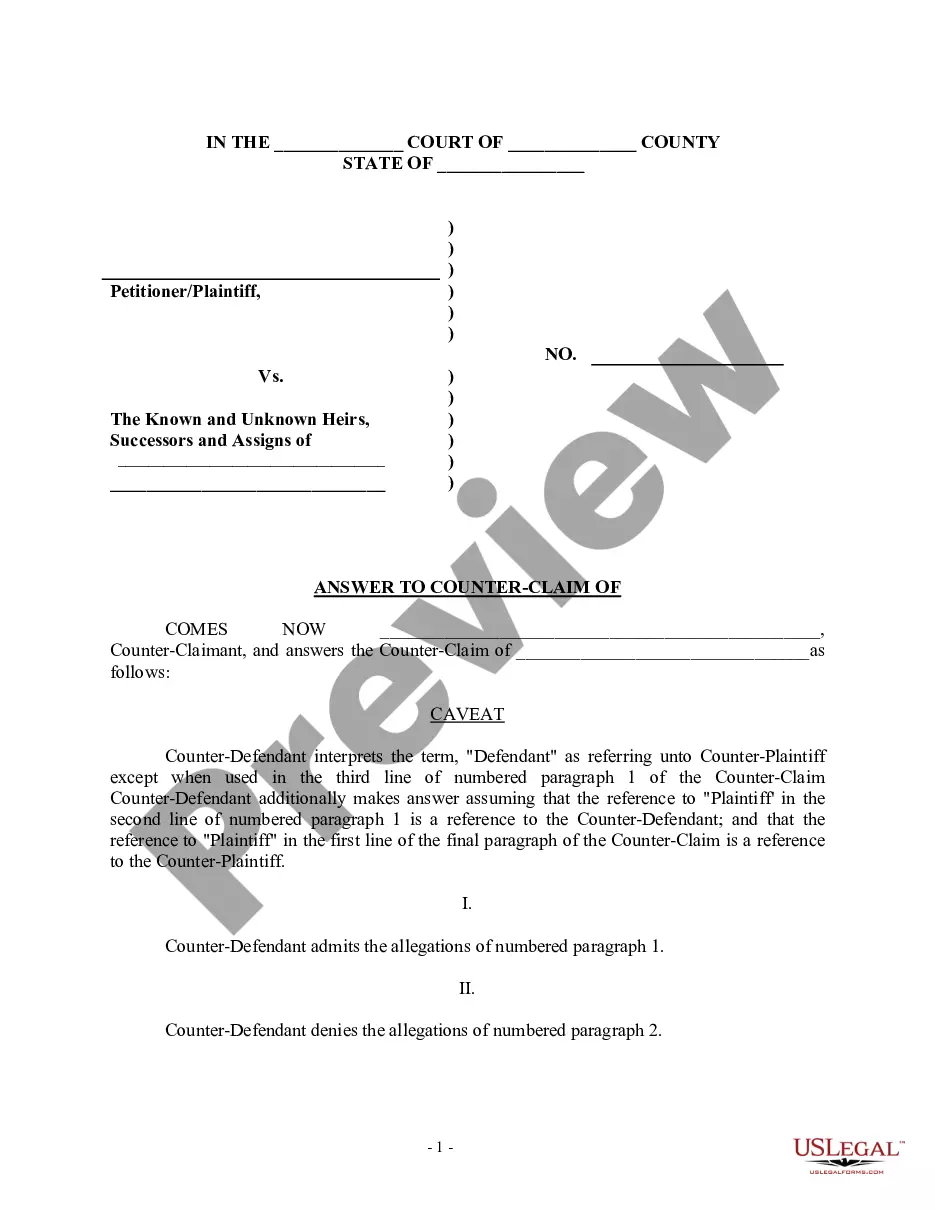
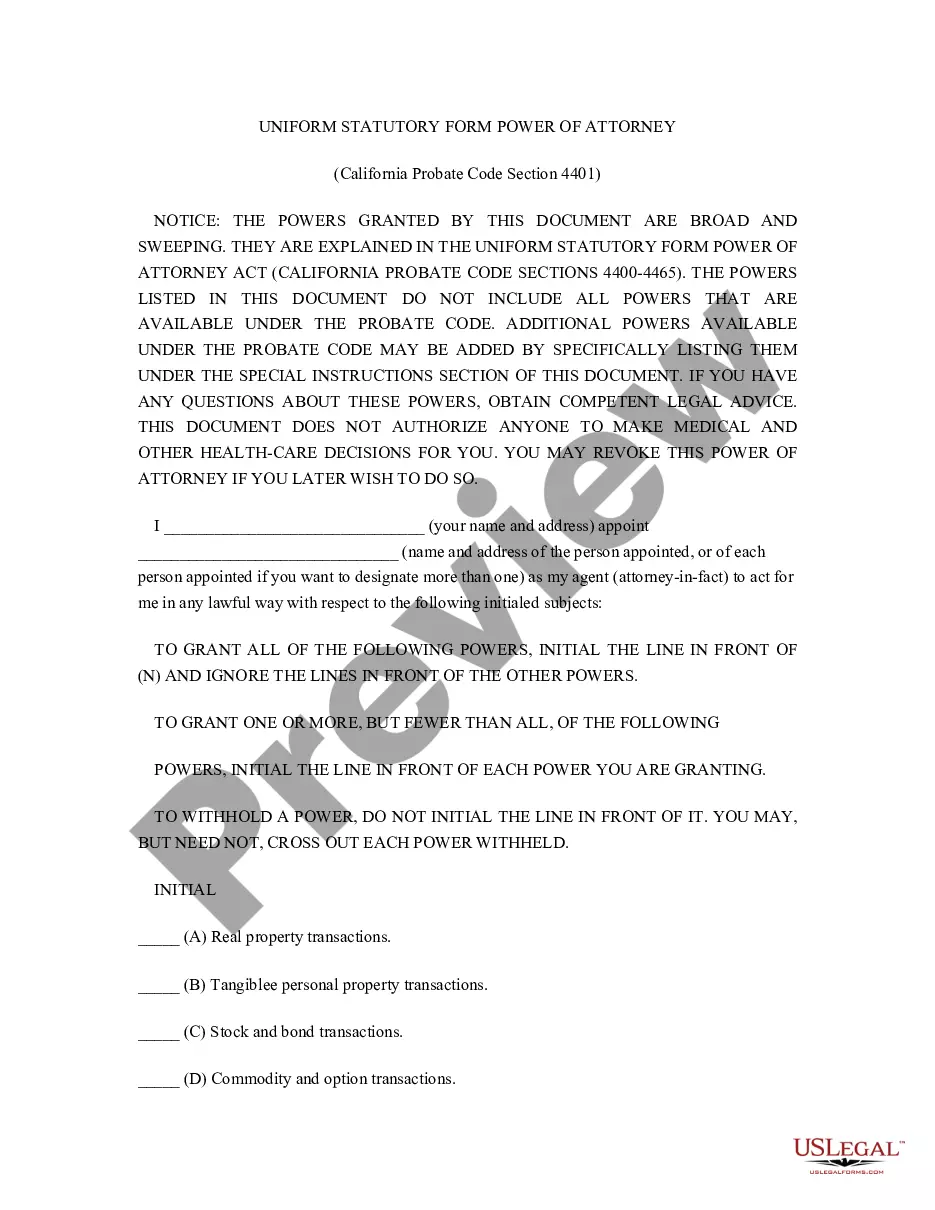
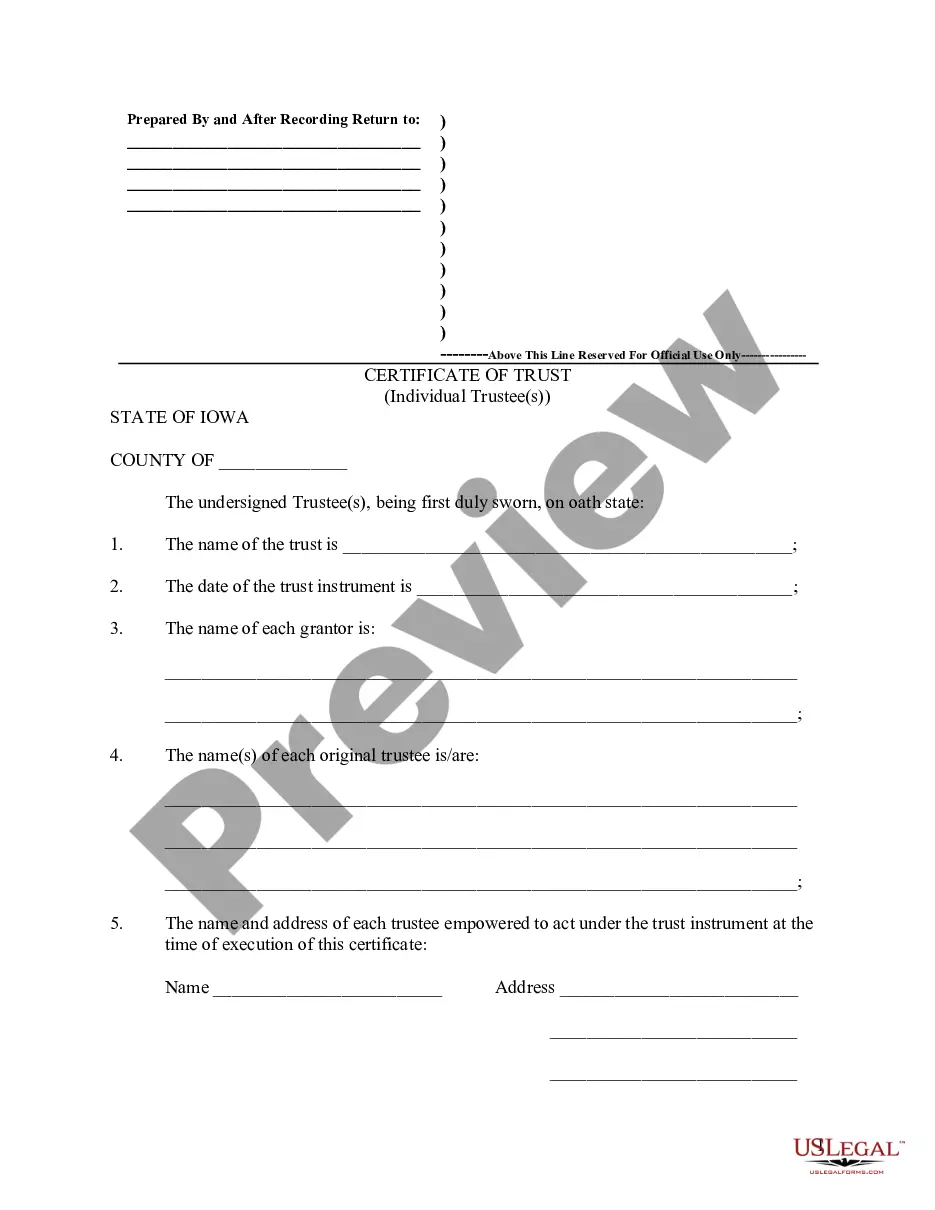
Sample Motion For Judgment On The Pleadings California In Queens
Description




Get your form ready online
Our built-in tools help you complete, sign, share, and store your documents in one place.
Make edits, fill in missing information, and update formatting in US Legal Forms—just like you would in MS Word.
Download a copy, print it, send it by email, or mail it via USPS—whatever works best for your next step.
Sign and collect signatures with our SignNow integration. Send to multiple recipients, set reminders, and more. Go Premium to unlock E-Sign.
If this form requires notarization, complete it online through a secure video call—no need to meet a notary in person or wait for an appointment.
We protect your documents and personal data by following strict security and privacy standards.

Make edits, fill in missing information, and update formatting in US Legal Forms—just like you would in MS Word.

Download a copy, print it, send it by email, or mail it via USPS—whatever works best for your next step.

Sign and collect signatures with our SignNow integration. Send to multiple recipients, set reminders, and more. Go Premium to unlock E-Sign.

If this form requires notarization, complete it online through a secure video call—no need to meet a notary in person or wait for an appointment.

We protect your documents and personal data by following strict security and privacy standards.
Looking for another form?



Form popularity
FAQ
A motion for judgment on the pleadings is filed after the pleadings have closed, but early enough not to delay trial. FRCP 12(c). Pleadings are “closed” once a complaint and answers by all defendants have been filed.
A motion for judgment as a matter of law asks the court to enter a judgment based on the conclusion that no reasonable jury could reach a different conclusion. The motion is made before the case is submitted to the jury but after a party has been fully heard on the issue.
It is much more difficult for plaintiffs to win this type of summary judgment. Rather than knocking out a single element to doom a cause of action, like a defendant, every element of each claim as to which the plaintiff wishes to achieve summary judgment must be proven by admissible evidence.
A motion for judgment on the pleadings will occur before the trial and, unlike a motion for summary judgment, does not concern any matters other than what is contained within the pleadings.
What Every Strong Motion for Summary Judgment Needs Title and Introduction. Start with a clear title and case caption. Statement of Undisputed Facts. This is the backbone of your motion. Standard of Review. Briefly explain the legal standard for summary judgment. Argument. Now connect the dots. Conclusion.
If you want to file a motion, the process is generally something like this: You write your motion. You file your motion with the court clerk. The court clerk inserts the date and time your motion will be heard by the judge. You “serve” (mail) your motion to the other side.
Typically, courts prefer motions for summary judgment to be made at the close of discovery within a certain amount of time after the filing of the note of issue and certificate of readiness for trial.
– Summary Judgment and Summary Adjudication motions must be filed 81 days before the hearing date (plus time for service), not 75 days as provided by current law, Code of Civil Procedure § 437c. – Opposition papers are now due 20 days before the hearing, instead of 14 days as provided by current law.
(a) Meet and confer During this time, parties must discuss and make a good faith attempt to settle all issues, even if a complete settlement is not possible and only conditional agreements are made. The requirement to meet and confer does not apply to cases involving domestic violence.
New Summary Judgment Timing Requirements for 2025 Notice of Motion and Supporting Papers: The notice of motion and all supporting documents must be filed 81 days before the hearing (plus time for service). Opposition: Any opposition to the motion must now be filed 20 days before the hearing.

