Judgement Lien Example In North Carolina
Description




Get your form ready online
Our built-in tools help you complete, sign, share, and store your documents in one place.
Make edits, fill in missing information, and update formatting in US Legal Forms—just like you would in MS Word.
Download a copy, print it, send it by email, or mail it via USPS—whatever works best for your next step.
Sign and collect signatures with our SignNow integration. Send to multiple recipients, set reminders, and more. Go Premium to unlock E-Sign.
If this form requires notarization, complete it online through a secure video call—no need to meet a notary in person or wait for an appointment.
We protect your documents and personal data by following strict security and privacy standards.

Make edits, fill in missing information, and update formatting in US Legal Forms—just like you would in MS Word.

Download a copy, print it, send it by email, or mail it via USPS—whatever works best for your next step.

Sign and collect signatures with our SignNow integration. Send to multiple recipients, set reminders, and more. Go Premium to unlock E-Sign.

If this form requires notarization, complete it online through a secure video call—no need to meet a notary in person or wait for an appointment.

We protect your documents and personal data by following strict security and privacy standards.
Looking for another form?




Form popularity
FAQ
An example of a general lien is a state income tax lien. Unlike specific liens that attach only to particular assets, a general lien is against all of the assets of a debtor and not tied to a specific asset. For instance, A mortgage lien is tied specifically to a piece of property.
A judgment lien is considered a nonconsensual lien because it is attached to a piece of property without the owner's consent or agreement.
Most judgment liens last for 10 years and can be renewed for another 10 years. For example, the creditor could place a judgment lien on your home which would inhibit you from selling the property without first paying the creditor what you owe.
It shows up on your credit report as well as on any background checks. The judgment is considered a lien against your property, including any real estate that you have, in the state in which the judgment is filed.
In North Carolina, a lien claimant has 120 days from the date of last furnishing to complete these 3 steps: Fill out a mechanics lien form that meets NC requirements. File the lien with the county recorder's office. Serve a copy of the lien on the property owner.
A judgment lien in Oregon will remain attached to the debtor's property (even if the property changes hands) for ten years.
In Minnesota, an action to enforce a mechanics lien must be initiated within 1 year from the date of the lien claimant's last furnishing of labor or materials to the project. If a claimant records their lien close to Minnesota's 120-day filing deadline, they will have about 8 months to enforce the claim.
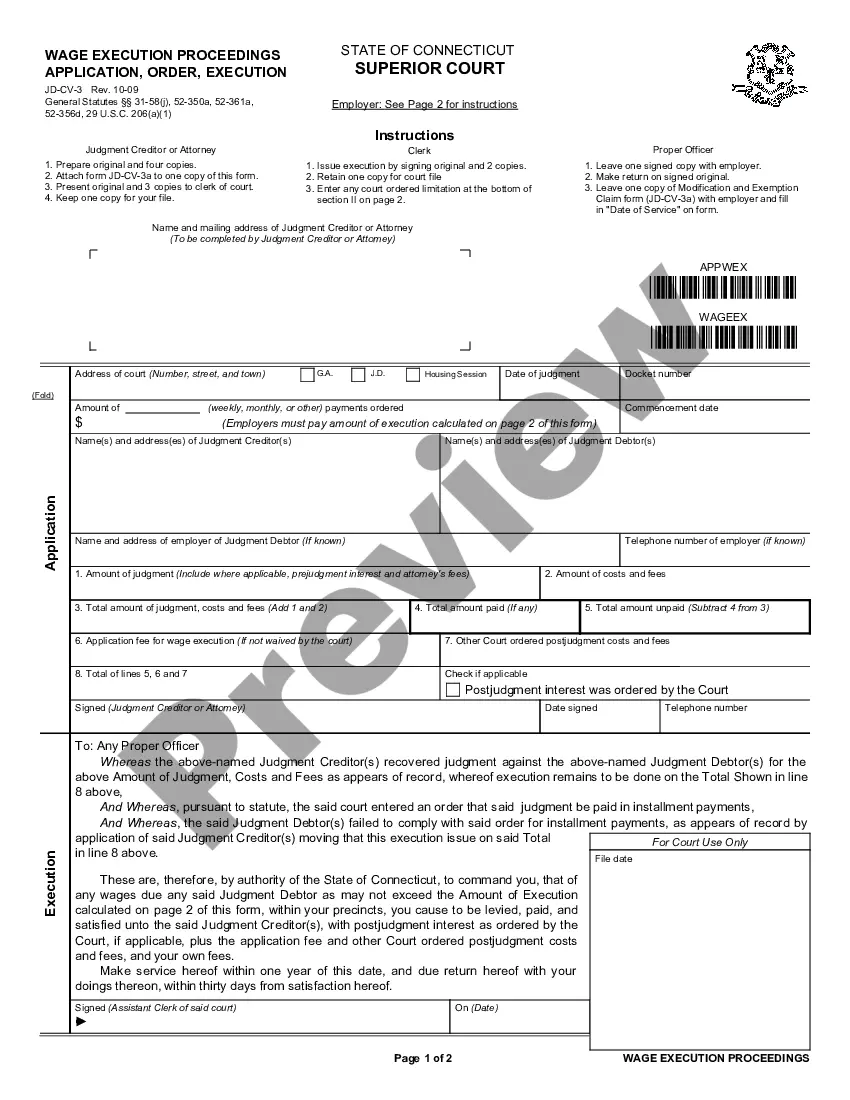
In terms of the debt collection laws in NC, the debtor then has a 30-day period in which it may appeal the judgment. Thereafter, the creditor may submit a Writ of Execution to the clerk of superior court in the county in which the judgment was granted, and once issued, submit the writ to the sheriff.
The deadlines for serving and filing the notice (120 days from the date of last furnishing) and filing the lawsuit to enforce the lien (180 days from the date of last furnishing) are unyielding and inflexible, and important rights can be inadvertently lost if these deadlines are missed.
In North Carolina, a lien claimant has 120 days from the date of last furnishing to complete these 3 steps: Fill out a mechanics lien form that meets NC requirements. File the lien with the county recorder's office. Serve a copy of the lien on the property owner.

