Notice Judgment Lien Form For Subcontractors In New York
Description




Get your form ready online
Our built-in tools help you complete, sign, share, and store your documents in one place.
Make edits, fill in missing information, and update formatting in US Legal Forms—just like you would in MS Word.
Download a copy, print it, send it by email, or mail it via USPS—whatever works best for your next step.
Sign and collect signatures with our SignNow integration. Send to multiple recipients, set reminders, and more. Go Premium to unlock E-Sign.
If this form requires notarization, complete it online through a secure video call—no need to meet a notary in person or wait for an appointment.
We protect your documents and personal data by following strict security and privacy standards.

Make edits, fill in missing information, and update formatting in US Legal Forms—just like you would in MS Word.

Download a copy, print it, send it by email, or mail it via USPS—whatever works best for your next step.

Sign and collect signatures with our SignNow integration. Send to multiple recipients, set reminders, and more. Go Premium to unlock E-Sign.

If this form requires notarization, complete it online through a secure video call—no need to meet a notary in person or wait for an appointment.

We protect your documents and personal data by following strict security and privacy standards.
Looking for another form?

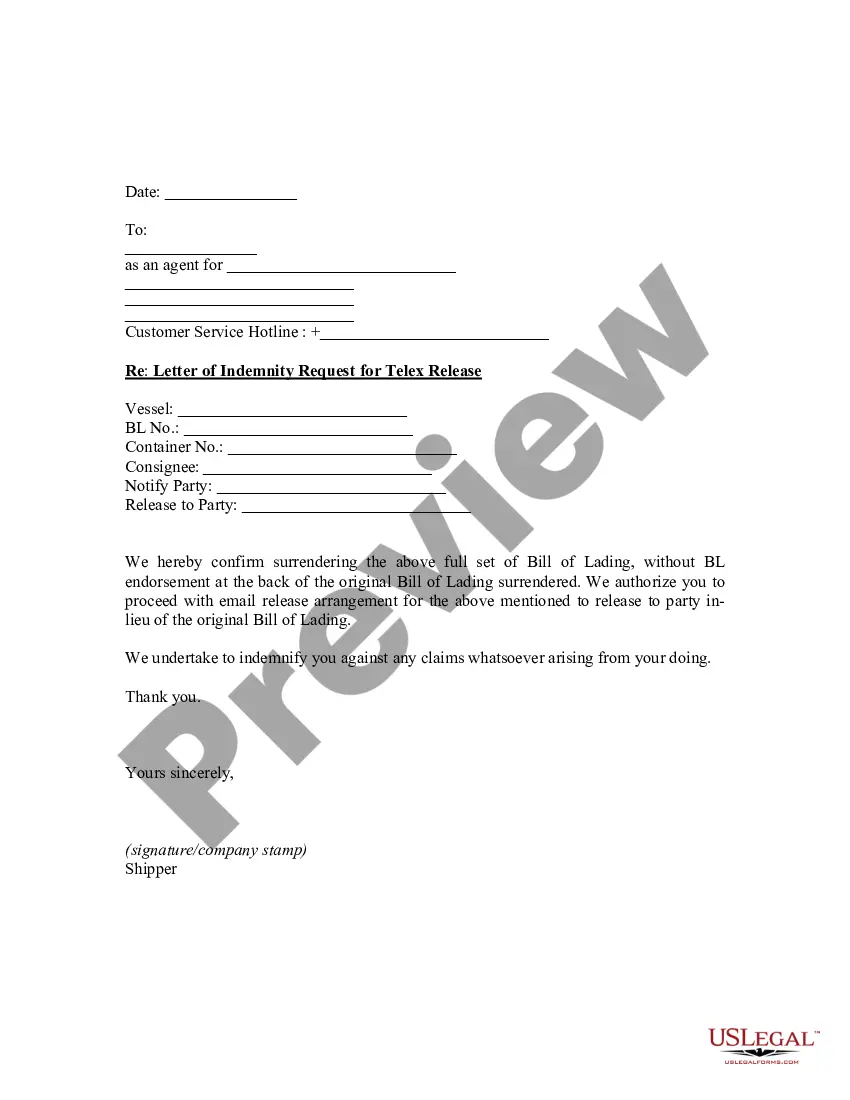





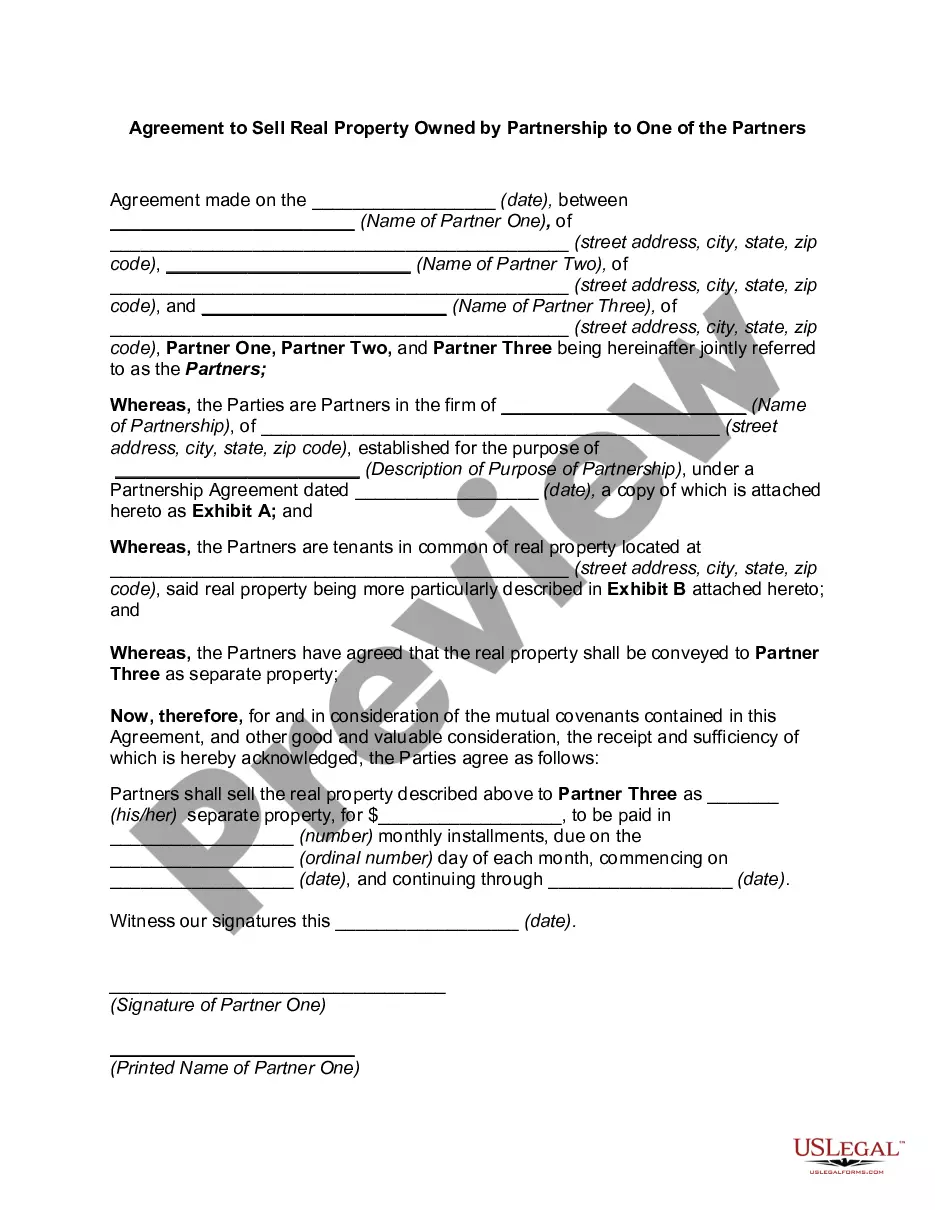


Form popularity
FAQ
Who May File a Mechanic's Lien? New York Lien Law §3 provides that a mechanic's lien may be filed by a “contractor, subcontractor, laborer, materialman, landscape gardener, nurseryman …
Filing a Lien at the County Clerk's Office A Judgment Creditor can make their City Court Judgment more powerful by filing their judgment in the County Clerk's Office. This is accomplished by the Judgment Creditor requesting a "Transcript of Judgment" from the City Court Clerk.
How To File A Mechanic's Lien Step 1: Send A Preliminary 20-Day Notice. Step 2: File The Mechanic's Lien. In California, you have 90 days from the last day you performed work or provided goods on the project to file your mechanics lien. Notice of Completion Or Cessation: 60 Days To File. Step 3: The Chips Fall.
Any liens against your property become public records when they are recorded in the county records office, but you may not be directly notified.
Yes, a subcontractor can sue a general contractor or property owner for non-payment even if they haven't filed a lien. A lien is a powerful tool, but it's not the only way to recover what you're owed. A lawsuit for breach of contract, unjust enrichment, or other legal claims may still be an option.
Of the three types of liens (consensual, statutory, and judgment), the judgment lien is the most dangerous form, but one which the informed business owner may be able to eliminate. A judicial lien is created when a court grants a creditor an interest in the debtor's property, after a court judgment.
A lien waiver is a documented agreement made between a payer and another party for that party to give up the right to place a lien against the property. Getting these waivers from each vendor, subcontractor, or any other parties in the job can prevent Nate from having a lien placed against the property.
A judgment lien existing against real property at the time of a judgment debtor's death shall expire two years thereafter or ten years after filing of the judgment-roll, whichever is later.
In New York, like in most states, mechanic's liens are governed by a fairly extensive statutory scheme known as the “lien law” (hereinafter the “Lien Law”).1 Under the Lien Law, mechanic's liens may be filed by contractors, subcontractors, sub-subcontractors, laborers, materialmen (but only materialmen to owners, ...
In New York, a mechanics lien is generally effective for one year after its filing, and an action to enforce the lien must be initiated within that period of time. This deadline can be shortened if the owner, or other interested party, us served with §59 Demand to Foreclose.
