Judgement Lien Foreclosure In Montgomery
Description




Get your form ready online
Our built-in tools help you complete, sign, share, and store your documents in one place.
Make edits, fill in missing information, and update formatting in US Legal Forms—just like you would in MS Word.
Download a copy, print it, send it by email, or mail it via USPS—whatever works best for your next step.
Sign and collect signatures with our SignNow integration. Send to multiple recipients, set reminders, and more. Go Premium to unlock E-Sign.
If this form requires notarization, complete it online through a secure video call—no need to meet a notary in person or wait for an appointment.
We protect your documents and personal data by following strict security and privacy standards.

Make edits, fill in missing information, and update formatting in US Legal Forms—just like you would in MS Word.

Download a copy, print it, send it by email, or mail it via USPS—whatever works best for your next step.

Sign and collect signatures with our SignNow integration. Send to multiple recipients, set reminders, and more. Go Premium to unlock E-Sign.

If this form requires notarization, complete it online through a secure video call—no need to meet a notary in person or wait for an appointment.

We protect your documents and personal data by following strict security and privacy standards.
Looking for another form?





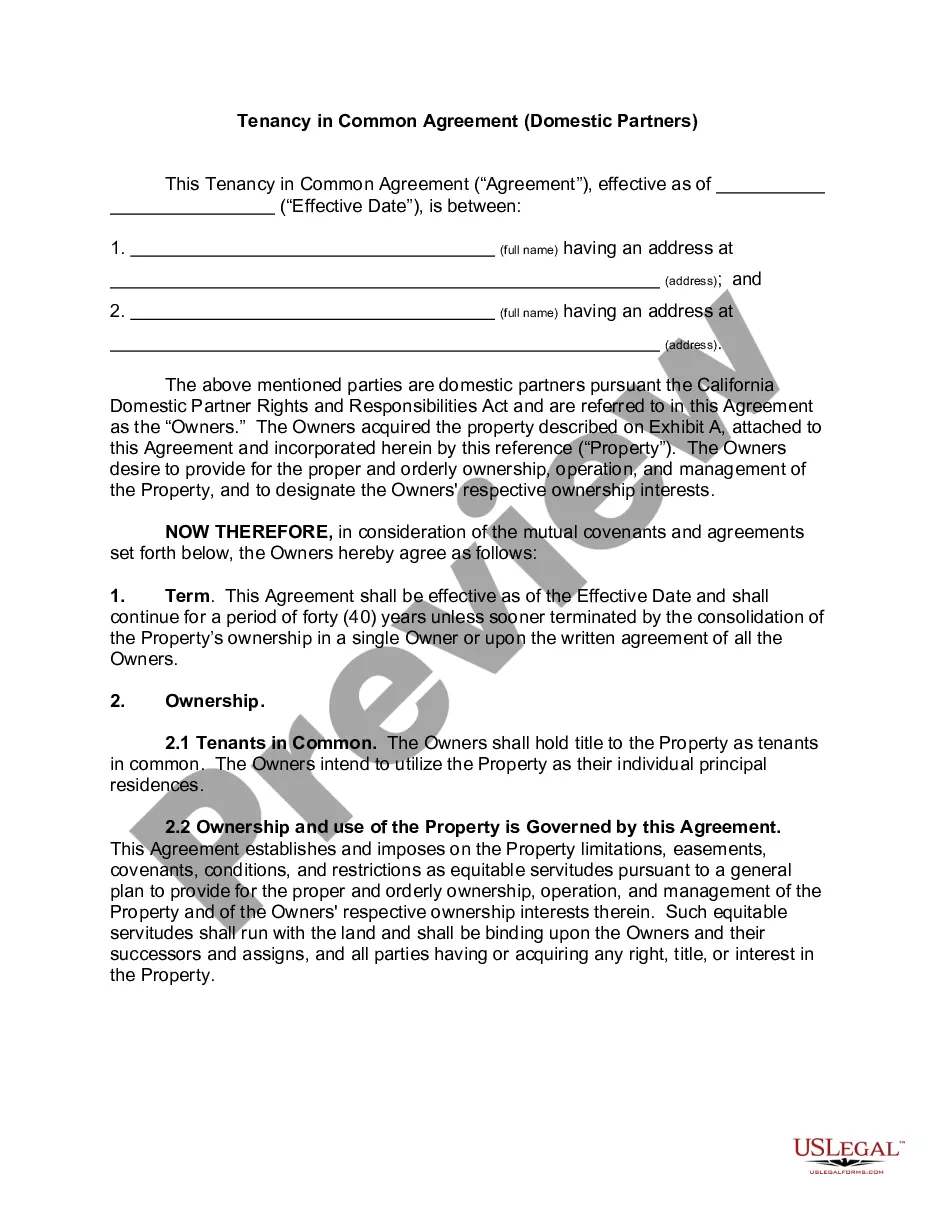

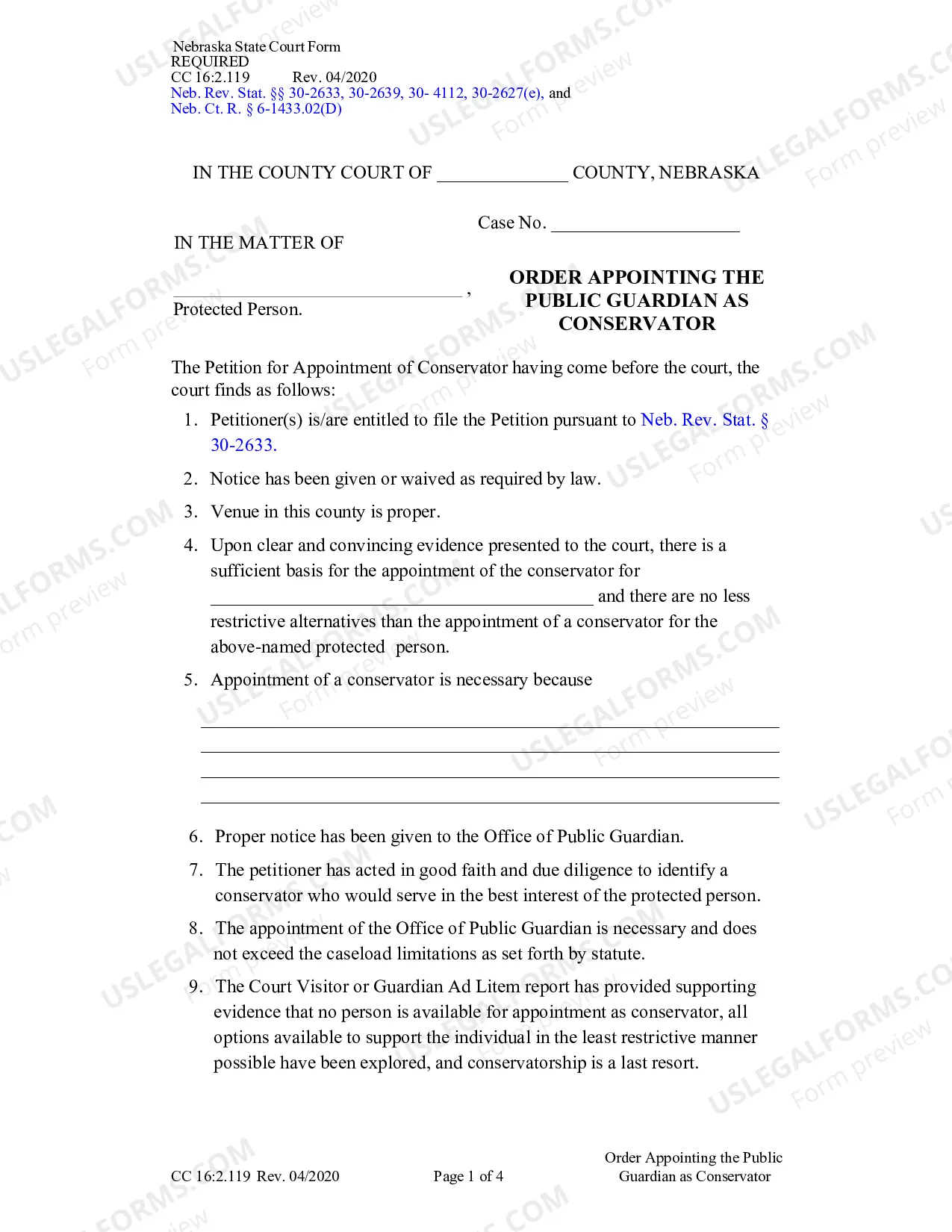


Form popularity
FAQ
This is a breakdown of the steps involved in foreclosing on a lien. File a mechanics lien. Filing a mechanics lien is the actual first step in the lien foreclosure process. Send notices. Hire a lawyer. Prepare your case. File your case. Serve the owners. Wait for your day in court. Collect on your judgment.
What Do You Do When There Is A Judgment Lien On Your Property, But The Judgment Has Expired? Judgments have expiration dates. If they are not timely renewed, they expire. In CA that is 10 years.
A judgment lien is a court ruling that gives a creditor the right to take possession of a debtor's property if the debtor fails to fulfill their contractual obligations.
During the 5 week notice period, the homeowner can stop the foreclosure by making-up all missed payments (including late fees and attorney costs) or working with an attorney to stop the foreclosure process. The only time it is too late to stop a foreclosure is when the property is sold at auction to a new party.
Generally, to file a judgment lien, an abstract of judgment must be issued by the justice court. Some justice courts have a form available on their website to request an abstract of judgment.
If you do not have any assets that are not exempt from seizure, such as your primary place of residence, household items, your car, and the tools of your trade, someone who has obtained a judgment against you may be unable to collect on it.
Generally, to file a judgment lien, an abstract of judgment must be issued by the justice court. Some justice courts have a form available on their website to request an abstract of judgment.
Four Steps to Filing a Lien in Texas Be Prepared on Every Job: Record Essential Information. Unfortunately, subcontractor nonpayment is common in the private commercial construction industry. Send a Pre-lien Notice. File a Mechanic's Lien Affidavit. 4. Mail a Notice to the Property Owner and General Contractor.
To attach the lien, the creditor registers the judgment with the office of probate court in any Alabama county where the debtor owns property now or may own property in the future.
Creditors typically acquire property liens through your voluntary consent. On the other hand, creditors get judgment liens after winning a lawsuit against you for a debt you owe.

