Judgement Lien Example In Minnesota
Description




Get your form ready online
Our built-in tools help you complete, sign, share, and store your documents in one place.
Make edits, fill in missing information, and update formatting in US Legal Forms—just like you would in MS Word.
Download a copy, print it, send it by email, or mail it via USPS—whatever works best for your next step.
Sign and collect signatures with our SignNow integration. Send to multiple recipients, set reminders, and more. Go Premium to unlock E-Sign.
If this form requires notarization, complete it online through a secure video call—no need to meet a notary in person or wait for an appointment.
We protect your documents and personal data by following strict security and privacy standards.

Make edits, fill in missing information, and update formatting in US Legal Forms—just like you would in MS Word.

Download a copy, print it, send it by email, or mail it via USPS—whatever works best for your next step.

Sign and collect signatures with our SignNow integration. Send to multiple recipients, set reminders, and more. Go Premium to unlock E-Sign.

If this form requires notarization, complete it online through a secure video call—no need to meet a notary in person or wait for an appointment.

We protect your documents and personal data by following strict security and privacy standards.
Looking for another form?


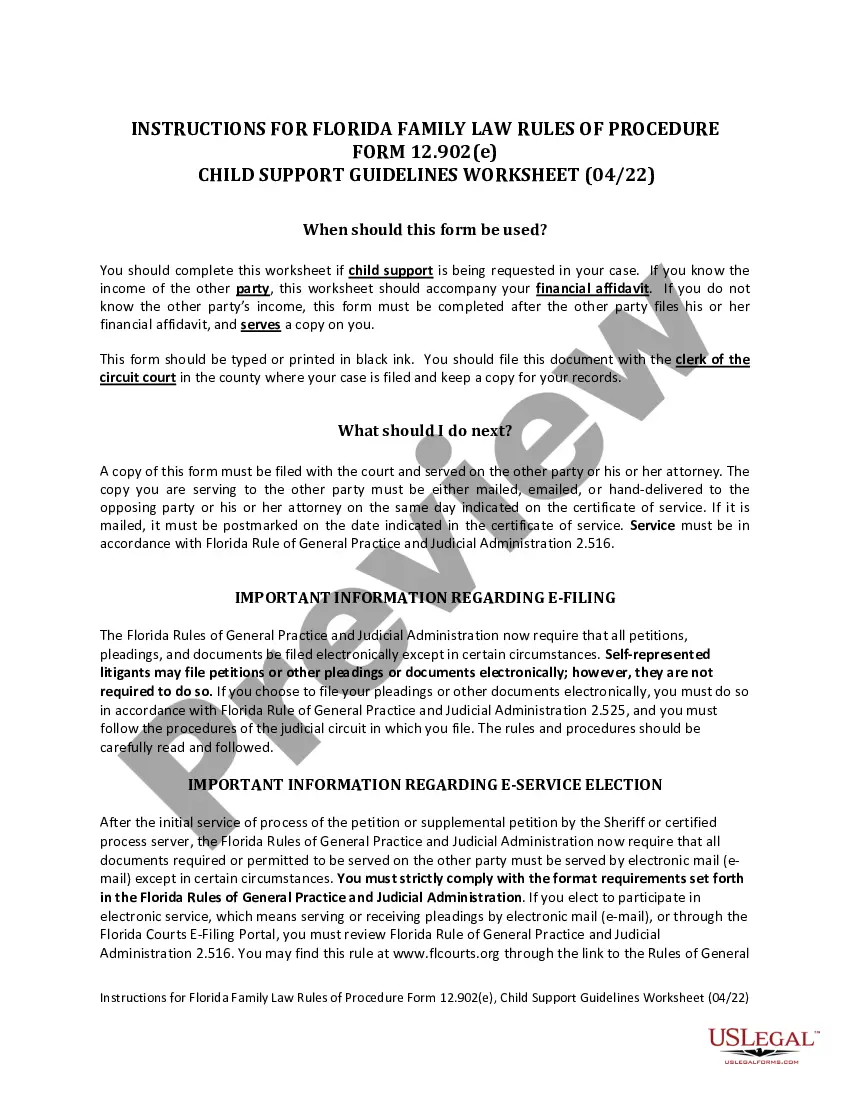

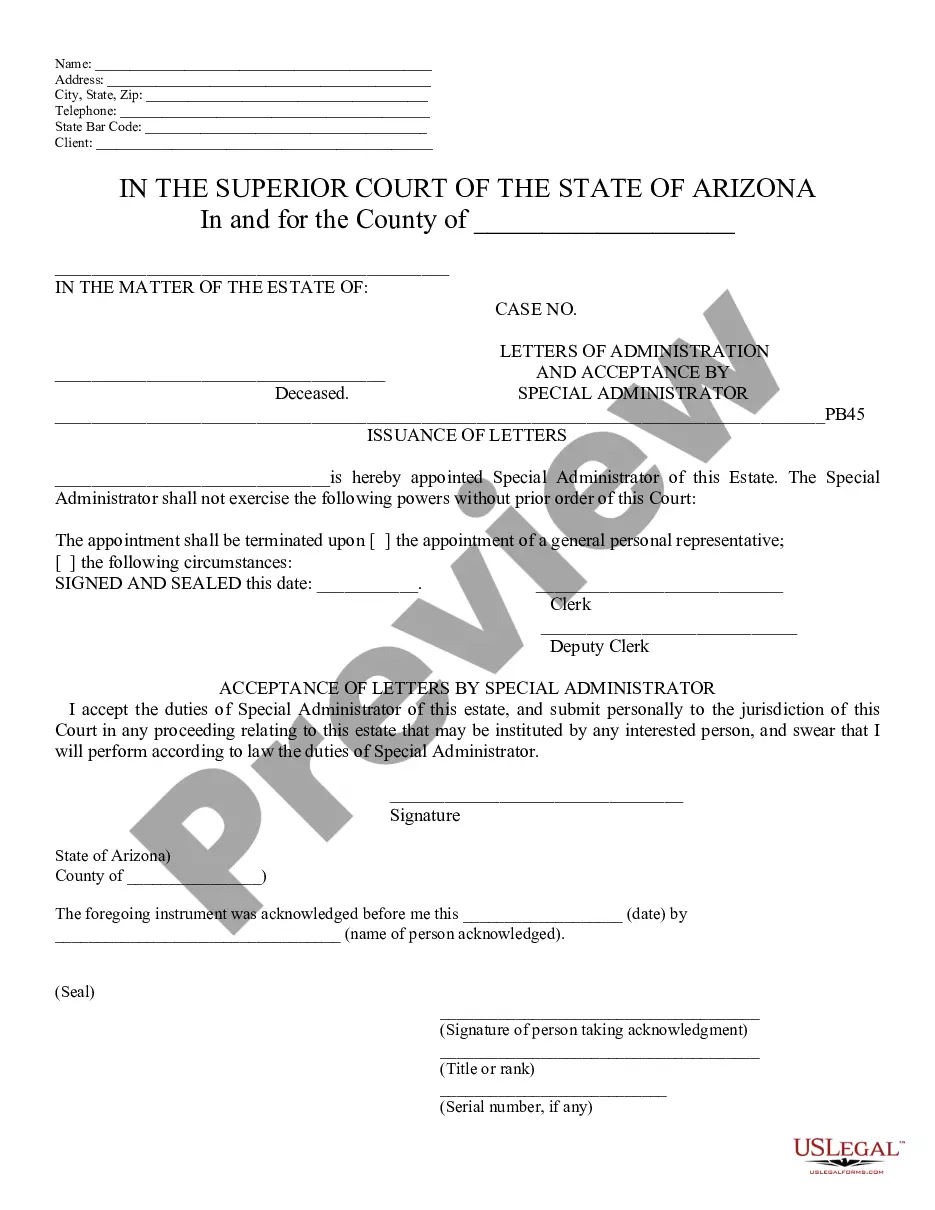


Form popularity
FAQ
After you win a judgment, you must then have the judgment docketed. This process is sometimes called “transcribing the judgment.” You can docket a judgment by filing an Affidavit of Identification of Judgment Debtor form with court administration in the county where you were awarded the judgment.
In Minnesota, a mechanics lien must generally be filed with the county recorder. However, if the lien is claimed against registered land, it must be recorded with the Registrar of Titles (in some counties, the Registrar and Recorder are the same person).
To perfect a mechanic's lien, within 120 days of a lien claimant's last day of work, the lien claimant must (1) file a lien statement with the county recorder if the property is abstract and/or the county registrar of titles if the land is registered (also called Torrens property) and (2) serve a copy of the lien ...
If the married couple or joint owners of a property do not have a tenancy by the entireties title, any lien can attach to the person's interest in the property. Whether it's judgment or confessed judgment, the lien will attach to the homeowner's interest, making the lienor a co-owner of the property.
In Minnesota, a mechanics lien must generally be filed with the county recorder. However, if the lien is claimed against registered land, it must be recorded with the Registrar of Titles (in some counties, the Registrar and Recorder are the same person).
It shows up on your credit report as well as on any background checks. The judgment is considered a lien against your property, including any real estate that you have, in the state in which the judgment is filed.
The deadline to file a mechanics lien in Minnesota is 120 days from the date that you last provided labor or materials to the project. Missing this deadline is fatal to your lien claim.

