Two Weeks Notice Letter Formal In Illinois
Description




Get your form ready online
Our built-in tools help you complete, sign, share, and store your documents in one place.
Make edits, fill in missing information, and update formatting in US Legal Forms—just like you would in MS Word.
Download a copy, print it, send it by email, or mail it via USPS—whatever works best for your next step.
Sign and collect signatures with our SignNow integration. Send to multiple recipients, set reminders, and more. Go Premium to unlock E-Sign.
If this form requires notarization, complete it online through a secure video call—no need to meet a notary in person or wait for an appointment.
We protect your documents and personal data by following strict security and privacy standards.

Make edits, fill in missing information, and update formatting in US Legal Forms—just like you would in MS Word.

Download a copy, print it, send it by email, or mail it via USPS—whatever works best for your next step.

Sign and collect signatures with our SignNow integration. Send to multiple recipients, set reminders, and more. Go Premium to unlock E-Sign.

If this form requires notarization, complete it online through a secure video call—no need to meet a notary in person or wait for an appointment.

We protect your documents and personal data by following strict security and privacy standards.
Looking for another form?








Form popularity
FAQ
Most U.S. states have at-will employment, which means an employee can resign without notice and for no stated cause. However, there are some exceptions. For employees covered by an employment contract, the contract may stipulate how much notice you are expected to give.
Advance notice of work schedule Your employer must give you 14 days advance written notice of your actual work schedule.
That is the mantra we often hear when someone is contemplating leaving their job. But is giving 2 weeks' notice always necessary before you quit a job in California? This amount of forewarning—while it might be a nice thing to do—is not required by law.
Write a simple two sentence resignation letter addressed to your boss. In the first sentence, state that you are resigning your position. In the second sentence, state that your last day will be two weeks from the date of your letter. Print your letter on plain paper, sign it and copy it for your files.
Technically, the answer is yes. In most cases, it's entirely up to the employer to determine whether they want the person who is resigning to complete their final two weeks or whether they'd prefer to let them go right away.
No. Notice is not required by either party based on the doctrine of "employment at-will."
Regardless of the reason, leaving the position respectfully by submitting a formal two weeks' notice is important—not only as a professional courtesy and out of respect for the relationships you have built, but also to safeguard your professional brand and as a sign of your personal integrity.
Many callers ask me whether it is true that they must give an employee two weeks' notice when they fire the employee. The answer often surprises these callers. There are absolutely no Illinois state laws or federal laws which require an employer to give any notice whatsoever to employees when they fire them.
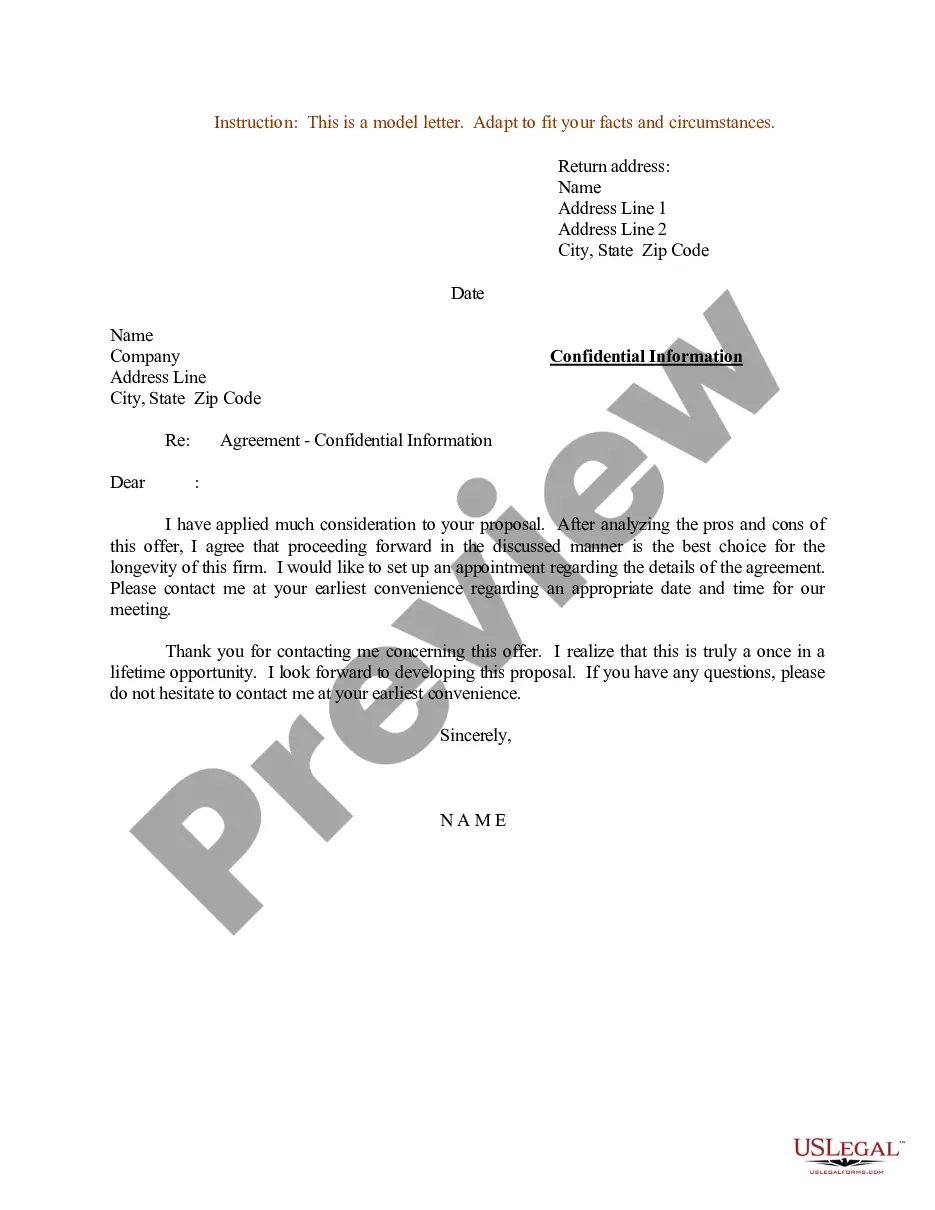
A two weeks notice letter should include your contact information, the date, the recipient's information, a clear statement of resignation, your last working day, an offer to assist during the transition, and a note of gratitude towards your employer.
And always aim to keep it short, and as succinct as possible. Remember: this is your formal letter of resignation, not an extended goodbye email. Anything more informal can be sent to a wider audience, if you want to do this later down the line.
