Lien Judgement On Credit Report In Houston
Description




Get your form ready online
Our built-in tools help you complete, sign, share, and store your documents in one place.
Make edits, fill in missing information, and update formatting in US Legal Forms—just like you would in MS Word.
Download a copy, print it, send it by email, or mail it via USPS—whatever works best for your next step.
Sign and collect signatures with our SignNow integration. Send to multiple recipients, set reminders, and more. Go Premium to unlock E-Sign.
If this form requires notarization, complete it online through a secure video call—no need to meet a notary in person or wait for an appointment.
We protect your documents and personal data by following strict security and privacy standards.

Make edits, fill in missing information, and update formatting in US Legal Forms—just like you would in MS Word.

Download a copy, print it, send it by email, or mail it via USPS—whatever works best for your next step.

Sign and collect signatures with our SignNow integration. Send to multiple recipients, set reminders, and more. Go Premium to unlock E-Sign.

If this form requires notarization, complete it online through a secure video call—no need to meet a notary in person or wait for an appointment.

We protect your documents and personal data by following strict security and privacy standards.
Looking for another form?

Form popularity
FAQ
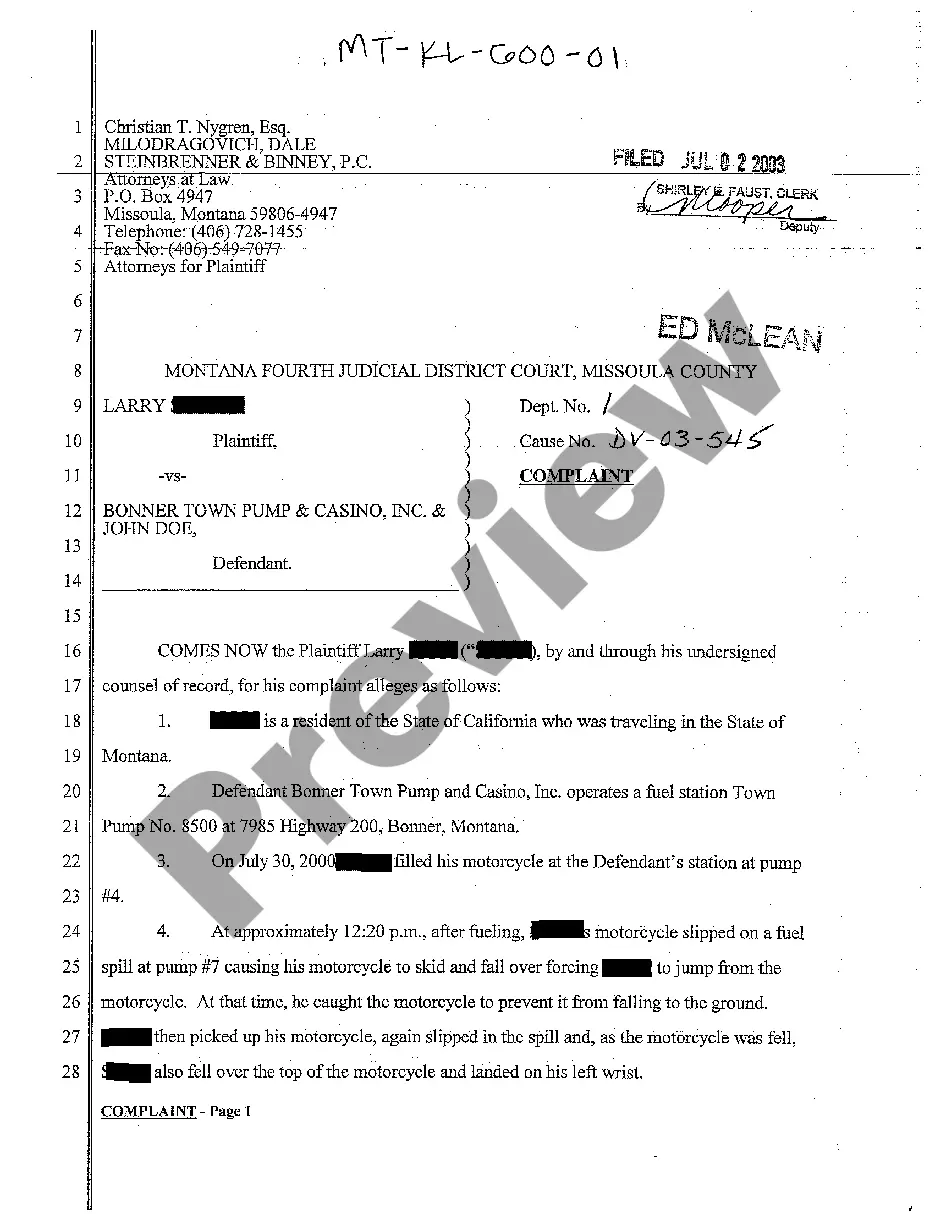
A judgment lien lasts for ten years. Generally, to file a judgment lien, an abstract of judgment must be issued by the justice court. Some justice courts have a form available on their website to request an abstract of judgment.
Verify the Lien: Ensure the lien is valid and check for any errors that could invalidate it. Satisfy the Judgment: Paying the debt in full is the most straightforward way to remove the lien. Obtain a satisfaction of judgment from the creditor and file it with the court.
Although we don't notify credit bureau agencies of the recording or filing of the Notice of State Tax Lien, they may get the public record from either the county recorders or California Secretary of State and may include it on your credit report.
In Texas, a judgment can stay on your credit report for as long as it is valid, up to ten years (or longer if it is renewed).
A judgment lien lasts for ten years. Generally, to file a judgment lien, an abstract of judgment must be issued by the justice court. Some justice courts have a form available on their website to request an abstract of judgment.
After a default has been taken, a judgment can be taken by either submitting documentation with a declaration as to the truth of the documents, or by having a prove-up hearing, where testimony is taken and documents are submitted. So the answer is yes. They can't execute the judgment without finding you, though.
The most common ways you may find out that there are outstanding judgements against you in one of the following ways: letter in the mail or phone call from the collection attorneys; garnishee notice from your payroll department; freeze on your bank account; or. routine check of your credit report.
As required by New York State Law, judgments and liens are permanent records accessible by the public.
In many states, a judgment doesn't become a lien on the defendant's property until the plaintiff makes an additional filing and records the judgment in the county where the property is located.
Another option of how to enforce a judgment is to obtain a “writ of execution.” Thirty days after the judgment is entered by the court, you may obtain such a writ to attempt to seize the debtor's non-exempt property to satisfy your judgment.

