Judgment Against Property For Sale In Georgia
Description




Get your form ready online
Our built-in tools help you complete, sign, share, and store your documents in one place.
Make edits, fill in missing information, and update formatting in US Legal Forms—just like you would in MS Word.
Download a copy, print it, send it by email, or mail it via USPS—whatever works best for your next step.
Sign and collect signatures with our SignNow integration. Send to multiple recipients, set reminders, and more. Go Premium to unlock E-Sign.
If this form requires notarization, complete it online through a secure video call—no need to meet a notary in person or wait for an appointment.
We protect your documents and personal data by following strict security and privacy standards.

Make edits, fill in missing information, and update formatting in US Legal Forms—just like you would in MS Word.

Download a copy, print it, send it by email, or mail it via USPS—whatever works best for your next step.

Sign and collect signatures with our SignNow integration. Send to multiple recipients, set reminders, and more. Go Premium to unlock E-Sign.

If this form requires notarization, complete it online through a secure video call—no need to meet a notary in person or wait for an appointment.

We protect your documents and personal data by following strict security and privacy standards.
Looking for another form?


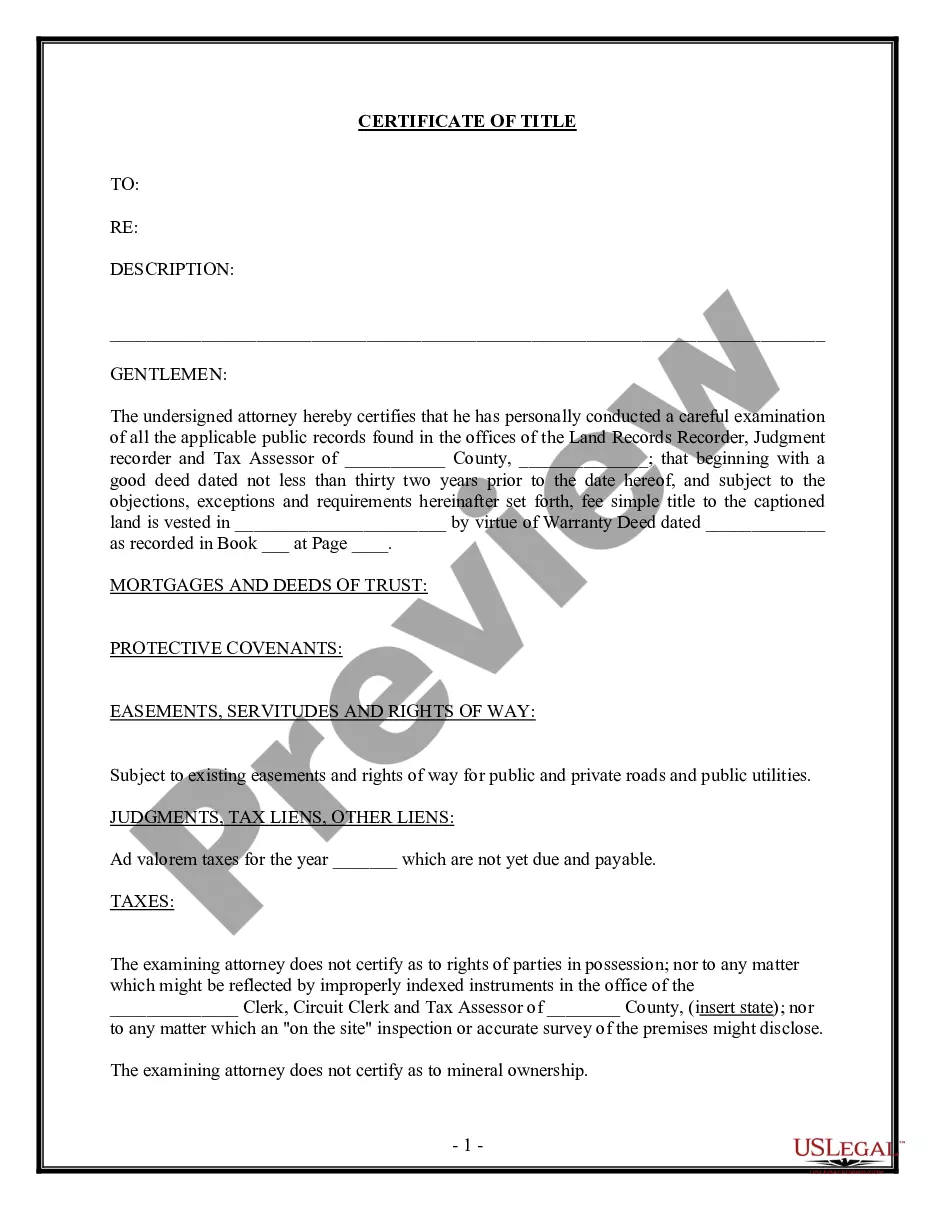

Form popularity
FAQ
Generally, the party seeking to sell or transfer the property will need to satisfy the judgment by paying the amount owed to the judgment creditor, or negotiate a settlement or release with the creditor.
In Georgia, you can attach judgment liens to both real estate—land, buildings, and other improvements—and personal property like cars, artwork, antiques, electronics, and more.
Once a judgment is issued, the creditor has the right to take further actions to collect the debt, such as wage garnishment, bank account levies, or placing liens on your property.
A judgment becomes dormant and unenforceable when seven years lapse after the granting of the judgment, but may be revived by an additional entry within seven years from the initial judgment. Ga. Code Ann. § 9-12-60.
Creditors cannot take your home in Georgia, but they can place a judgment lien on it.
Once a judgment is issued, the creditor has the right to take further actions to collect the debt, such as wage garnishment, bank account levies, or placing liens on your property.
In Georgia, a judgment lien can be attached to the debtor's real estate -- meaning a house, condo, land, or similar kind of property interest -- or to the debtor's personal property -- things like jewelry, art, antiques, and other valuables.
In cases where the judgment is entered by default, action can be taken immediately to satisfy the judgment, either by garnishment or levy upon the property of the defendant in fi fa. Other judgments may not be enforced for a period of ten days after entry of the judgment.

