Corporate Refusal Within A Company In Phoenix
Description
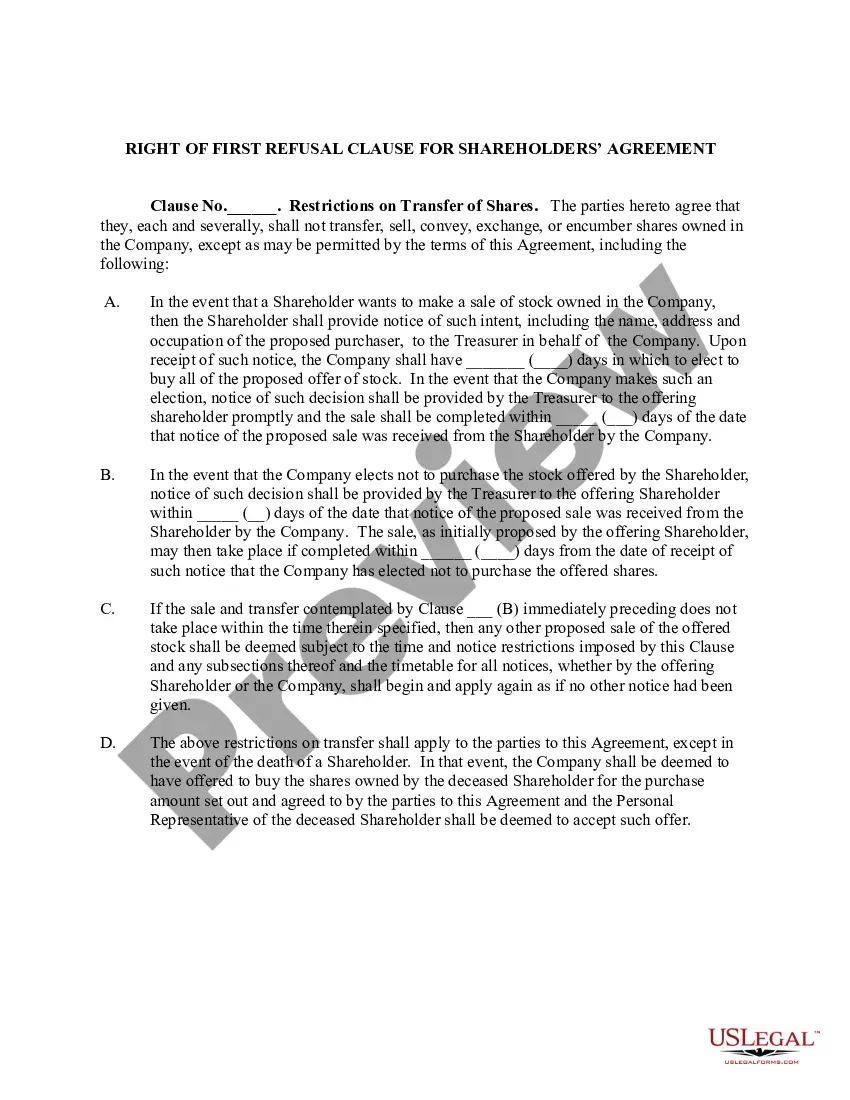
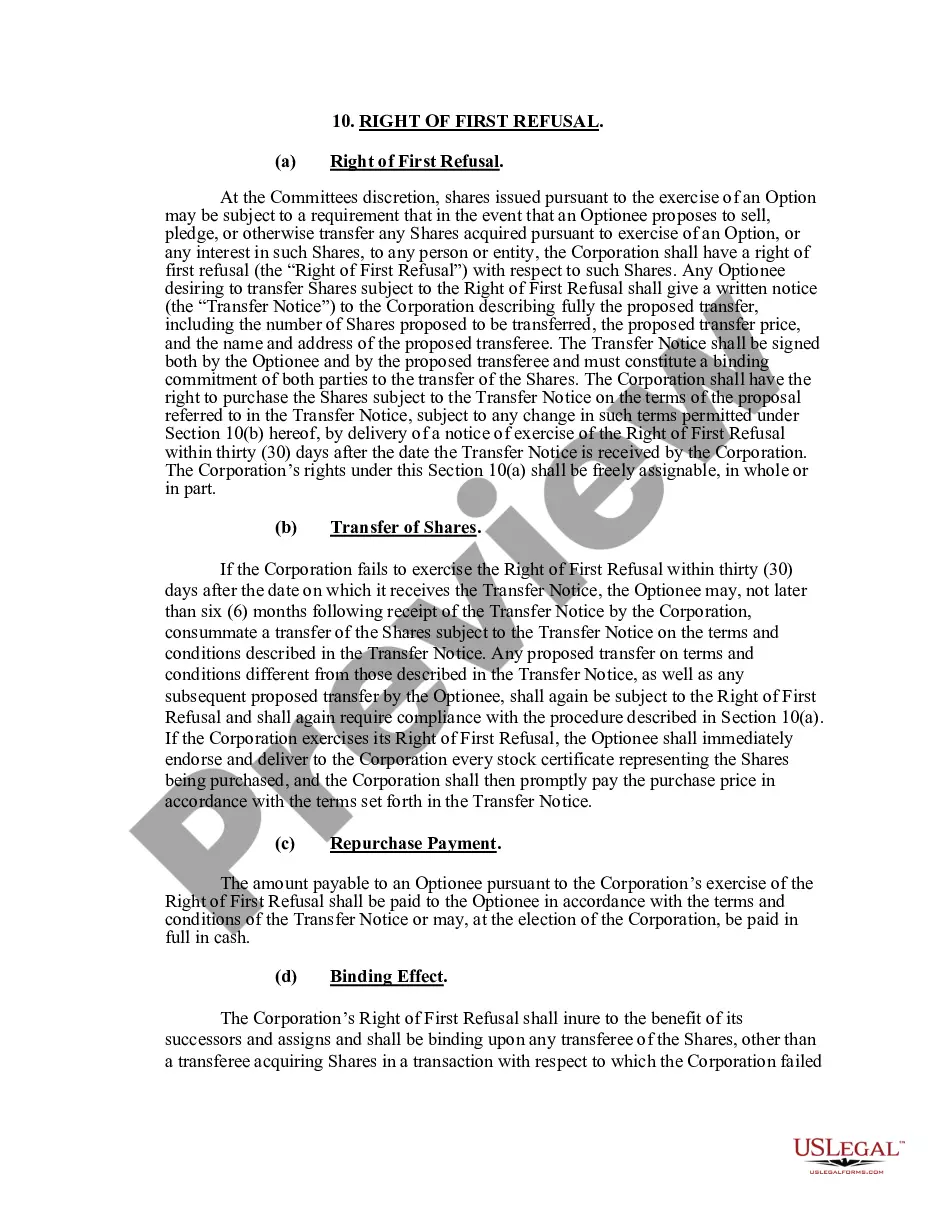
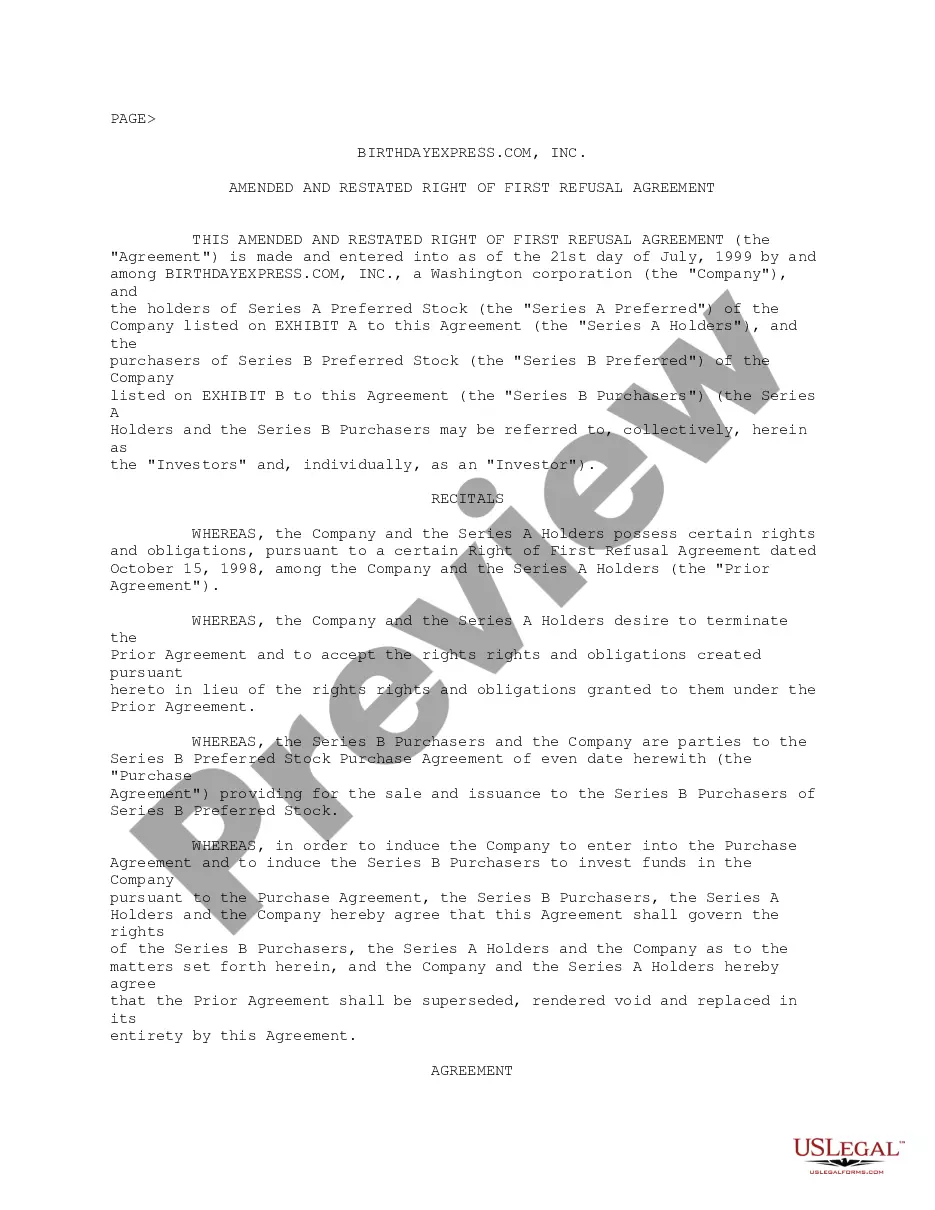
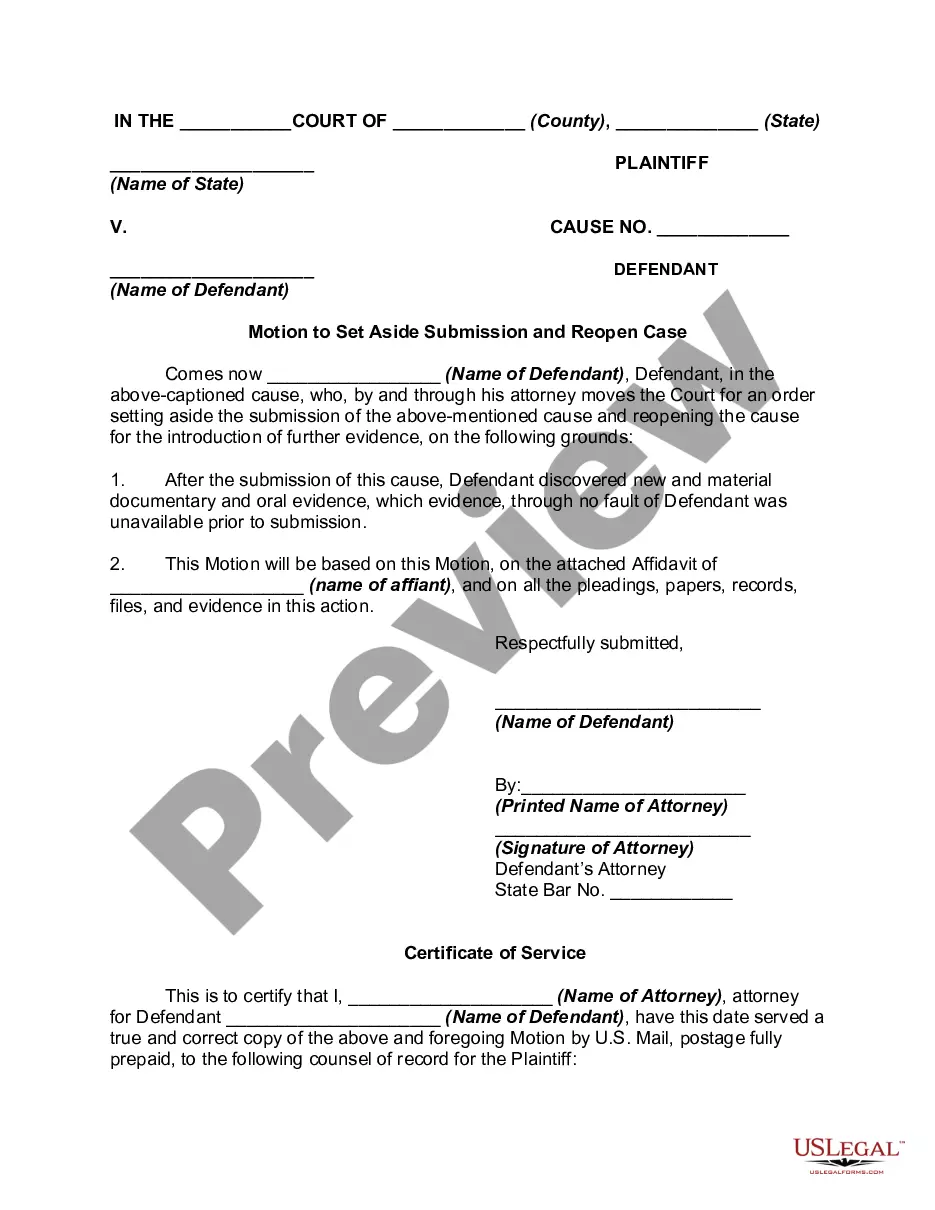
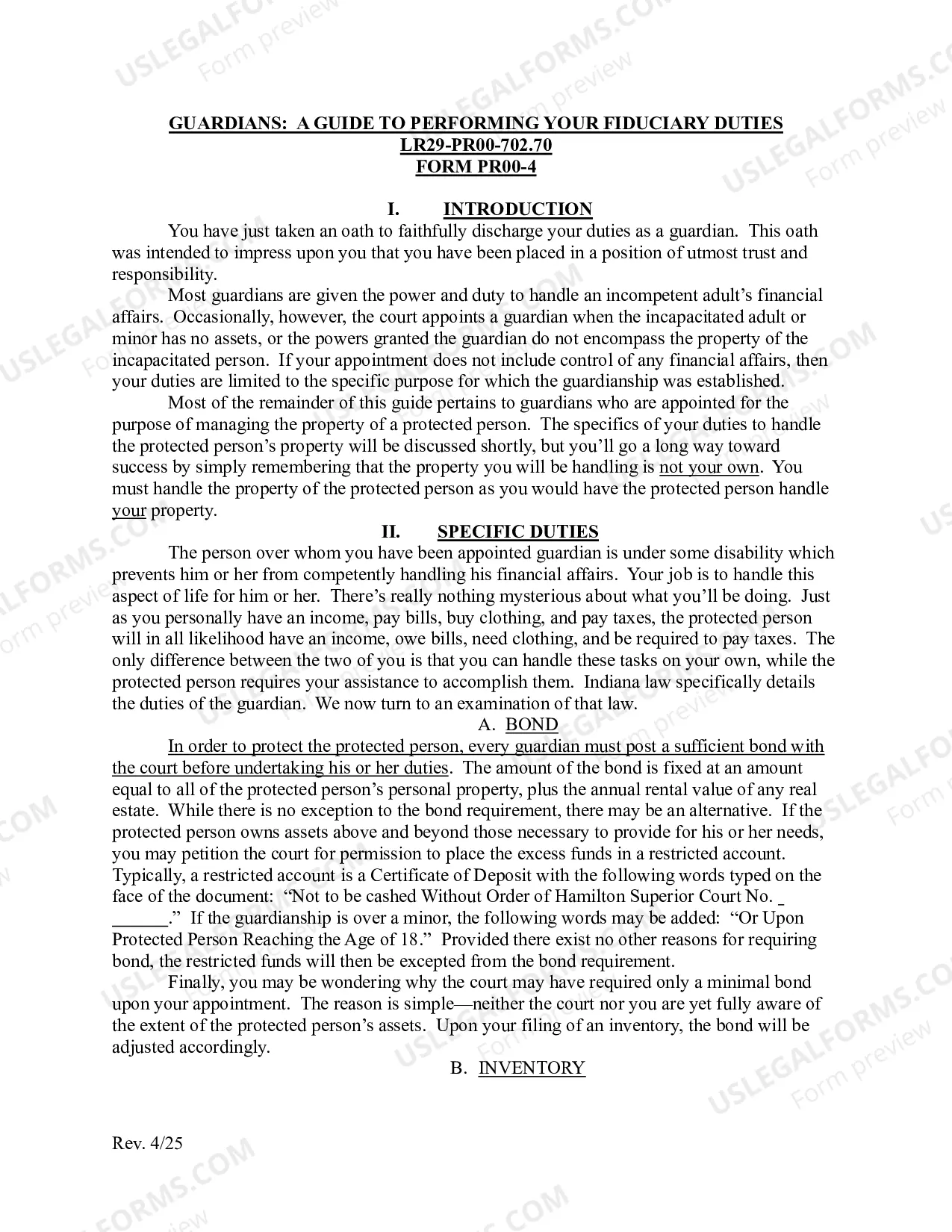
Get your form ready online
Our built-in tools help you complete, sign, share, and store your documents in one place.
Make edits, fill in missing information, and update formatting in US Legal Forms—just like you would in MS Word.
Download a copy, print it, send it by email, or mail it via USPS—whatever works best for your next step.
Sign and collect signatures with our SignNow integration. Send to multiple recipients, set reminders, and more. Go Premium to unlock E-Sign.
If this form requires notarization, complete it online through a secure video call—no need to meet a notary in person or wait for an appointment.
We protect your documents and personal data by following strict security and privacy standards.

Make edits, fill in missing information, and update formatting in US Legal Forms—just like you would in MS Word.

Download a copy, print it, send it by email, or mail it via USPS—whatever works best for your next step.

Sign and collect signatures with our SignNow integration. Send to multiple recipients, set reminders, and more. Go Premium to unlock E-Sign.

If this form requires notarization, complete it online through a secure video call—no need to meet a notary in person or wait for an appointment.

We protect your documents and personal data by following strict security and privacy standards.
Looking for another form?


Form popularity
FAQ
Any time a business refuses to serve a customer, it makes them vulnerable to a discriminatory lawsuit. Also, refusal of service could lead to negative online reviews and social media posts that could damage your business's reputation.
In general, a seller has the right to choose its business partners. A firm's refusal to deal with any other person or company is lawful so long as the refusal is not the product of an anticompetitive agreement with other firms or part of a predatory or exclusionary strategy to acquire or maintain a monopoly.
Under federal anti-discrimination laws, businesses can refuse service to any person for any reason, unless the business is discriminating against a protected class. At the national level, protected classes include: Race or color.
Can you sue for being refused service in California? No, any business can choose whether or not they serve customers. However, if the person says “We do not serve black people” the potential customer can sue for discrimination. And the government can also get involved.
Federal law in the U.S. indeed says businesses have a right to refuse service to anyone. Here's the catch: They can refuse service unless the company is discriminating against a particular class under federal, state, or local law.
A person, including a business owner, manager or employee, who is engaged in a public business in this state may select with whom the person does business. The person may refuse to sell to, wait on or serve any person.
To remove a member from your LLC, a withdrawal notice, a unanimous vote, or a procedure depicted in the articles of organization may entail. The member in question of removal may need to get compensated for his share of membership interests.
The state of Arizona requires all Arizona corporations, nonprofits, LLPs, and LLLPs to file an annual report each year. Arizona LLCs are not required to file an annual report. Corporations and nonprofits file their Arizona Annual Reports with the Arizona Corporation Commission (ACC).
You may submit your completed Discrimination Complaint to the OEO by mail, fax, or email. By Mail: P. O. Box 6123. Mail Drop 1119. Phoenix, AZ 85005-6123. By Fax: (602) 364-3982. By Email: officeofequalopportunity@azdes.
Full Transfer: Selling an Arizona LLC Consult your OA first. It should have detailed information about how to handle full transfers and sales to outside entities. Get member approval. Determine the buyer's interest. Draft and execute a buy-sell agreement with the buyer.