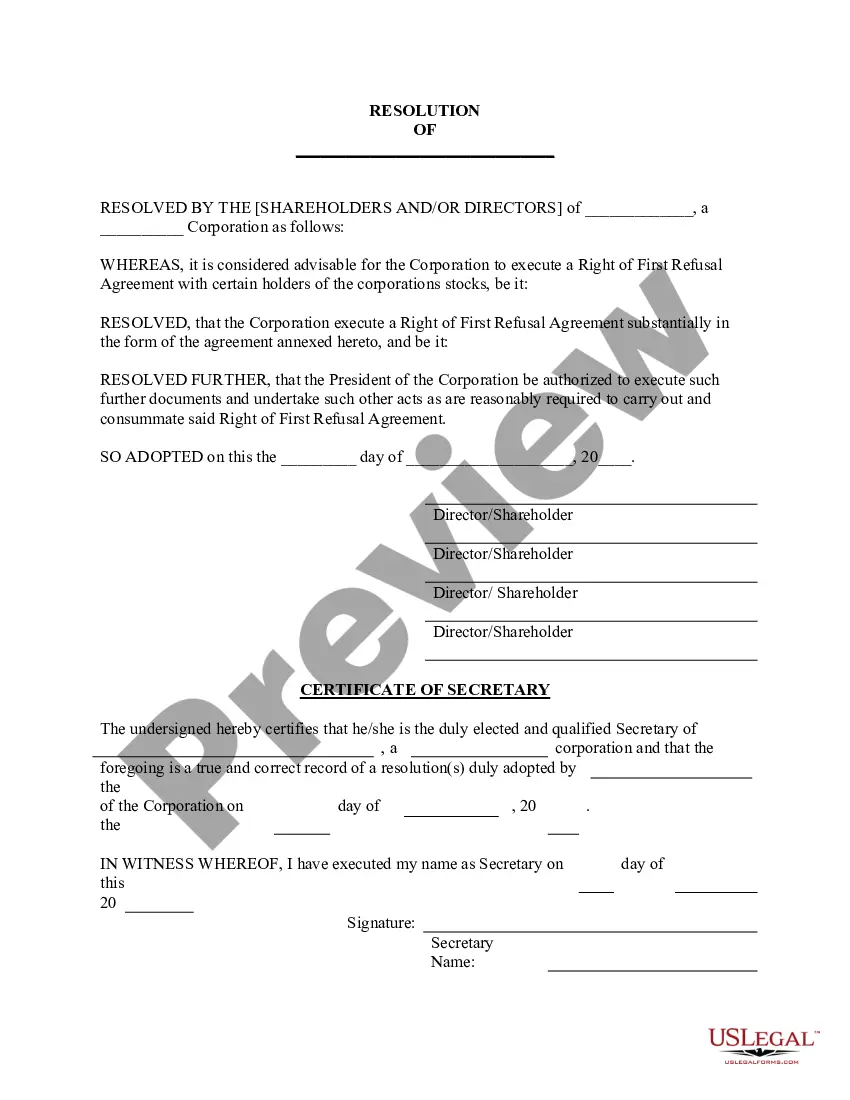
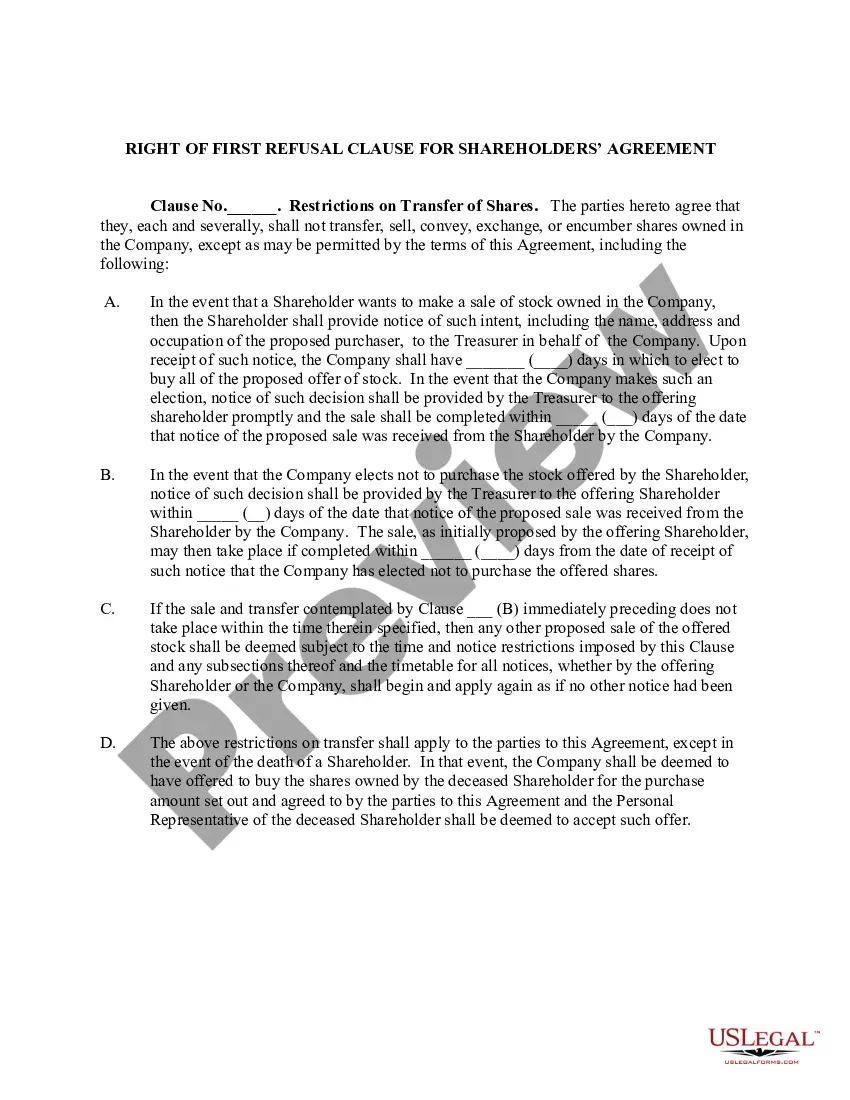
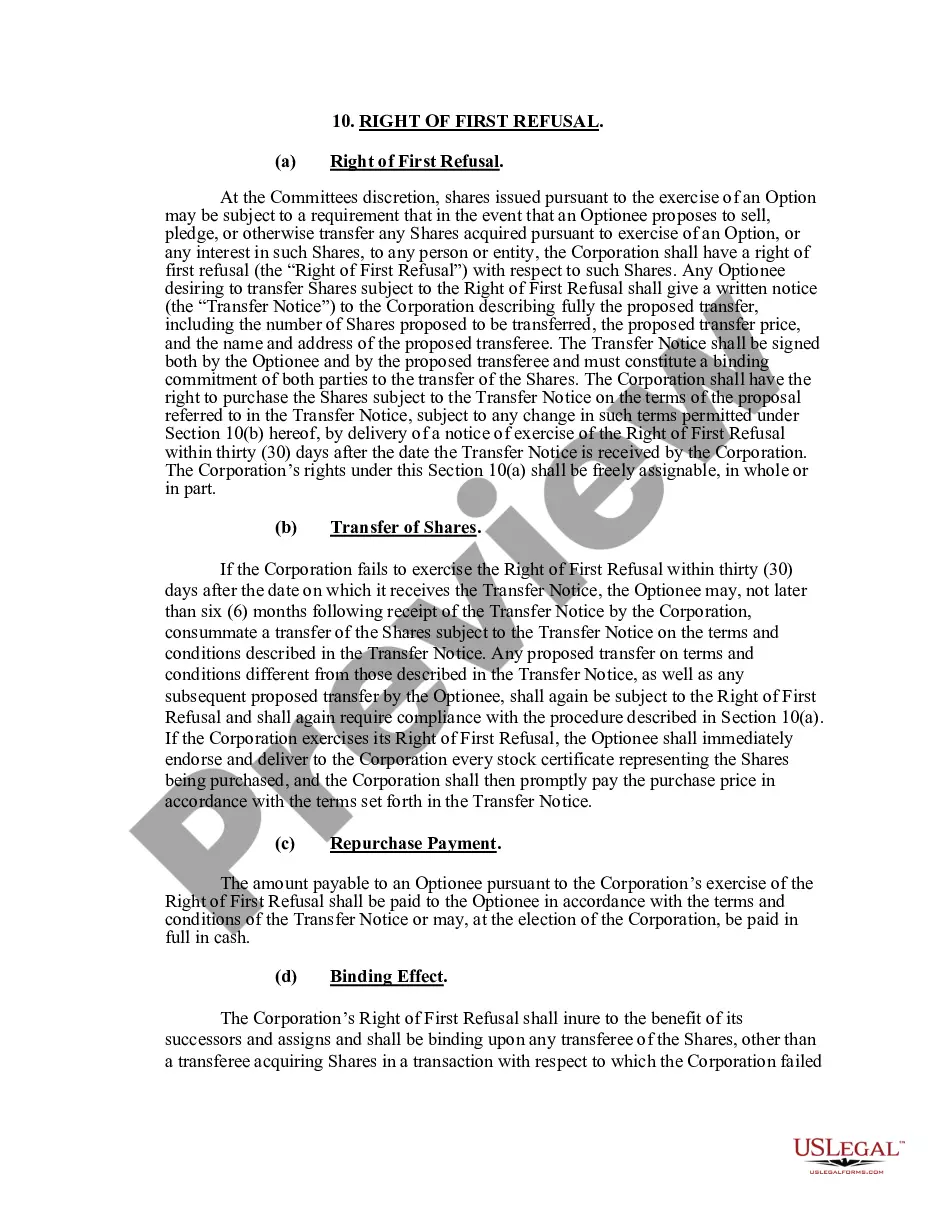
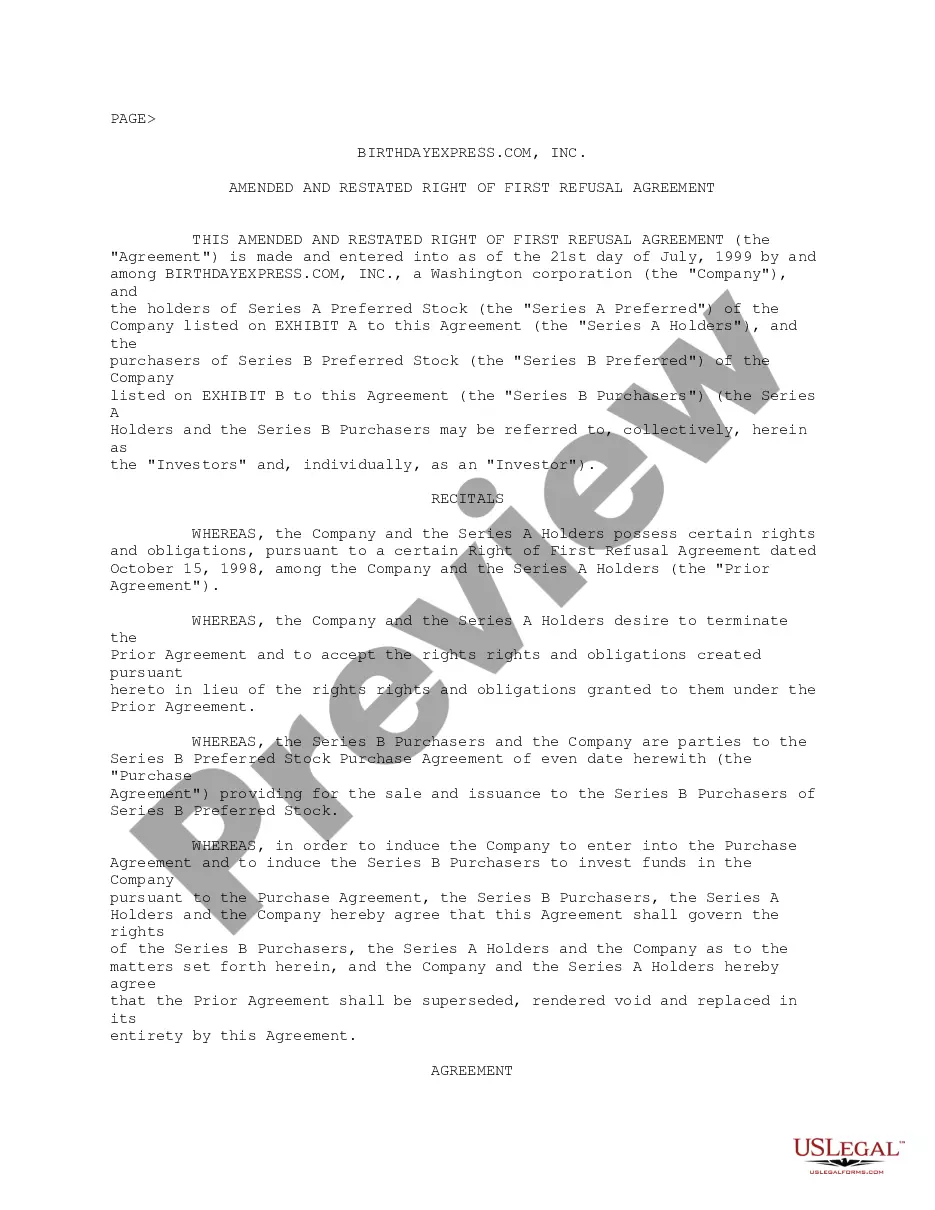
Corporate Refusal Within A Company In Illinois
Description
Get your form ready online
Our built-in tools help you complete, sign, share, and store your documents in one place.
Make edits, fill in missing information, and update formatting in US Legal Forms—just like you would in MS Word.
Download a copy, print it, send it by email, or mail it via USPS—whatever works best for your next step.
Sign and collect signatures with our SignNow integration. Send to multiple recipients, set reminders, and more. Go Premium to unlock E-Sign.
If this form requires notarization, complete it online through a secure video call—no need to meet a notary in person or wait for an appointment.
We protect your documents and personal data by following strict security and privacy standards.

Make edits, fill in missing information, and update formatting in US Legal Forms—just like you would in MS Word.

Download a copy, print it, send it by email, or mail it via USPS—whatever works best for your next step.

Sign and collect signatures with our SignNow integration. Send to multiple recipients, set reminders, and more. Go Premium to unlock E-Sign.

If this form requires notarization, complete it online through a secure video call—no need to meet a notary in person or wait for an appointment.

We protect your documents and personal data by following strict security and privacy standards.
Looking for another form?





Form popularity
FAQ
Under the business judgment rule, corporate agents are not held personally liable for actions that they take in the ordinary course of business so long as they have acted in good faith.
“The rule requires judicial deference to the business judgment of corporate directors so long as there is no fraud or breach of trust, and no conflict of interest.”55 “Thus, 'when the rule's requirements are met, a court will not substitute its judgment for that of the corporation's board of directors.
The “business judgment rule” insulates directors from judicial intervention and liability, in the absence of fraud or self-dealing, if the directors exercise reasonable diligence and honestly and rationally believe their decisions are in the best interests of the corporation.
To be precise, Section 7.75 provides a right of shareholder inspection. Our discussion of the common law right or claim to an accounting is here. Any shareholder of record can inspect books, records, and minutes. The purpose of this statutory right is to promote corporate transparency.
The Business Corporation Act of 1983 permits Illinois cor- porations to be formed for any lawful purpose permitted by this act except bank- ing or insurance.
The decision just may not be made based on an individual's characteristics such as age, race, gender, or religion. A business owner may refuse to serve an unruly or belligerent person, as long as all unruly or belligerent people are treated the same way.
Under the business judgment rule, if the plaintiff cannot rebut it, the court presumes that when a business decision was made, the directors of a corporation were acting (1) on an informed basis, (2) in good faith, and (3) in the honest belief that the action taken was in the best interests of the company.
For corporations, the state imposes a corporate income tax, a corporate franchise tax, and a personal property replacement tax. For LLCs, the profits are only taxed on the owner's or member's personal taxes (plus the personal property replacement tax).
It is a well-organized and clearly-written statute for business (stock) corporations that covers a number of areas, including formation, governance and director conduct and liability. The MBCA has been influential in shaping standards for United States corporate law.