Payment Of Judgment Debt In Florida
Description
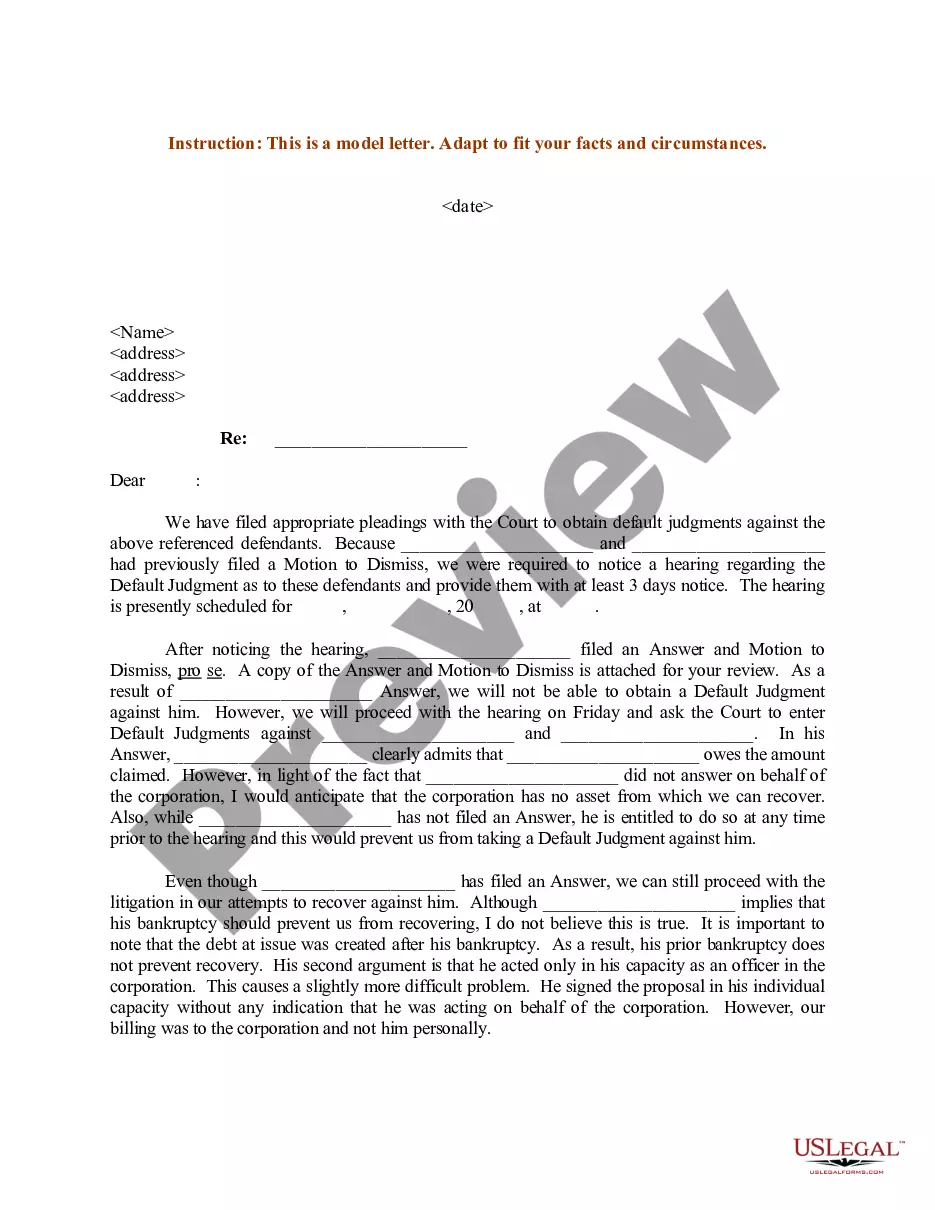


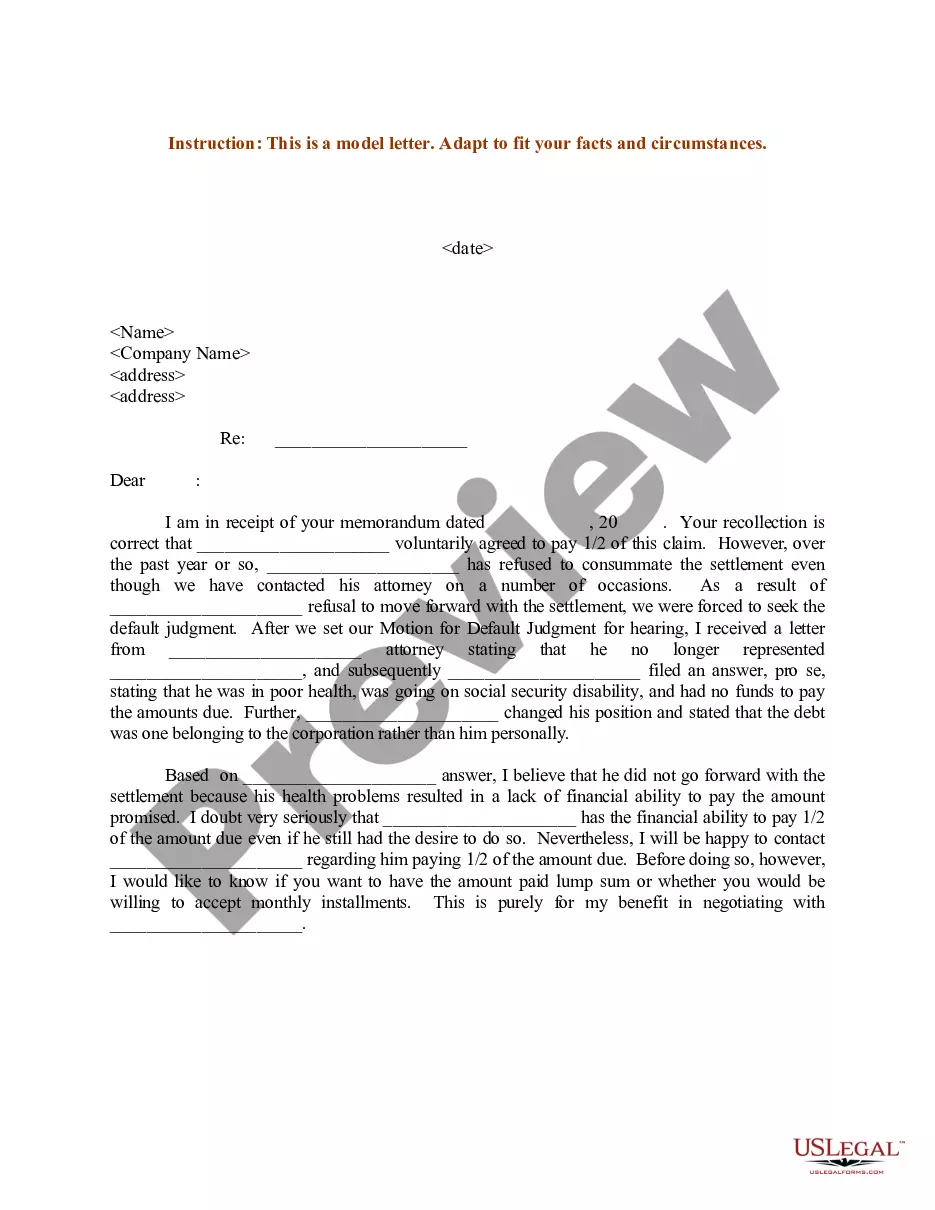

Get your form ready online
Our built-in tools help you complete, sign, share, and store your documents in one place.
Make edits, fill in missing information, and update formatting in US Legal Forms—just like you would in MS Word.
Download a copy, print it, send it by email, or mail it via USPS—whatever works best for your next step.
Sign and collect signatures with our SignNow integration. Send to multiple recipients, set reminders, and more. Go Premium to unlock E-Sign.
If this form requires notarization, complete it online through a secure video call—no need to meet a notary in person or wait for an appointment.
We protect your documents and personal data by following strict security and privacy standards.

Make edits, fill in missing information, and update formatting in US Legal Forms—just like you would in MS Word.

Download a copy, print it, send it by email, or mail it via USPS—whatever works best for your next step.

Sign and collect signatures with our SignNow integration. Send to multiple recipients, set reminders, and more. Go Premium to unlock E-Sign.

If this form requires notarization, complete it online through a secure video call—no need to meet a notary in person or wait for an appointment.

We protect your documents and personal data by following strict security and privacy standards.
Looking for another form?








Form popularity
FAQ
Once a judgment is entered, creditors have multiple options for collection: Your wages or funds in a bank account may be frozen. You may be required to reveal all assets through a deposition or document request. Creditors can place liens on non-exempt property.
A judgment can be enforced against real property or personal property for up to 20 years under Florida law. That means that a creditor can pursue payment from you for up to 20 years from the date of the judgment if the creditor extends or renews it.
The sheriff's department can seize: Personal property: movable things (e.g., cars, horses, boats, furniture, jewelry) owned by the debtor. Real property: land and buildings owned by the debtor.
Post-judgment discovery is appropriate as long as the judgment is enforceable.” The Court found that Florida judgments have a twenty year life during which those judgments are enforceable.
Here are four ways to avoid paying a judgment: 1) Use asset protection tools such as an asset protection trust, 2) use legal exemptions, 3) negotiate with the creditor, 4) file for bankruptcy.
The Salinas Court concluded that “all post-judgment discovery efforts aimed at collecting such a judgment must occur – and be completed – within twenty years of the entry of the judgment.”
Florida Statute of Limitations on a Judgment Lasts 20 Years. Until recently, there has been some debate on this litigation question caused by the interpretation of some Courts that a Florida judgment is subject to a five year statute of limitations.
The Final Judgment ends the legal proceedings in that court and allows for appeal to a higher court. There are different types of judgments depending on the type of legal proceeding. In a proceeding for foreclosure of a lien or mortgage, the court may enter a Final Judgment of Foreclosure.
Florida Statute of Limitations on a Judgment Lasts 20 Years | Haber law Haber Law.

