Sample Authorization Letter With Id In Los Angeles
Description




Get your form ready online
Our built-in tools help you complete, sign, share, and store your documents in one place.
Make edits, fill in missing information, and update formatting in US Legal Forms—just like you would in MS Word.
Download a copy, print it, send it by email, or mail it via USPS—whatever works best for your next step.
Sign and collect signatures with our SignNow integration. Send to multiple recipients, set reminders, and more. Go Premium to unlock E-Sign.
If this form requires notarization, complete it online through a secure video call—no need to meet a notary in person or wait for an appointment.
We protect your documents and personal data by following strict security and privacy standards.

Make edits, fill in missing information, and update formatting in US Legal Forms—just like you would in MS Word.

Download a copy, print it, send it by email, or mail it via USPS—whatever works best for your next step.

Sign and collect signatures with our SignNow integration. Send to multiple recipients, set reminders, and more. Go Premium to unlock E-Sign.

If this form requires notarization, complete it online through a secure video call—no need to meet a notary in person or wait for an appointment.

We protect your documents and personal data by following strict security and privacy standards.
Looking for another form?
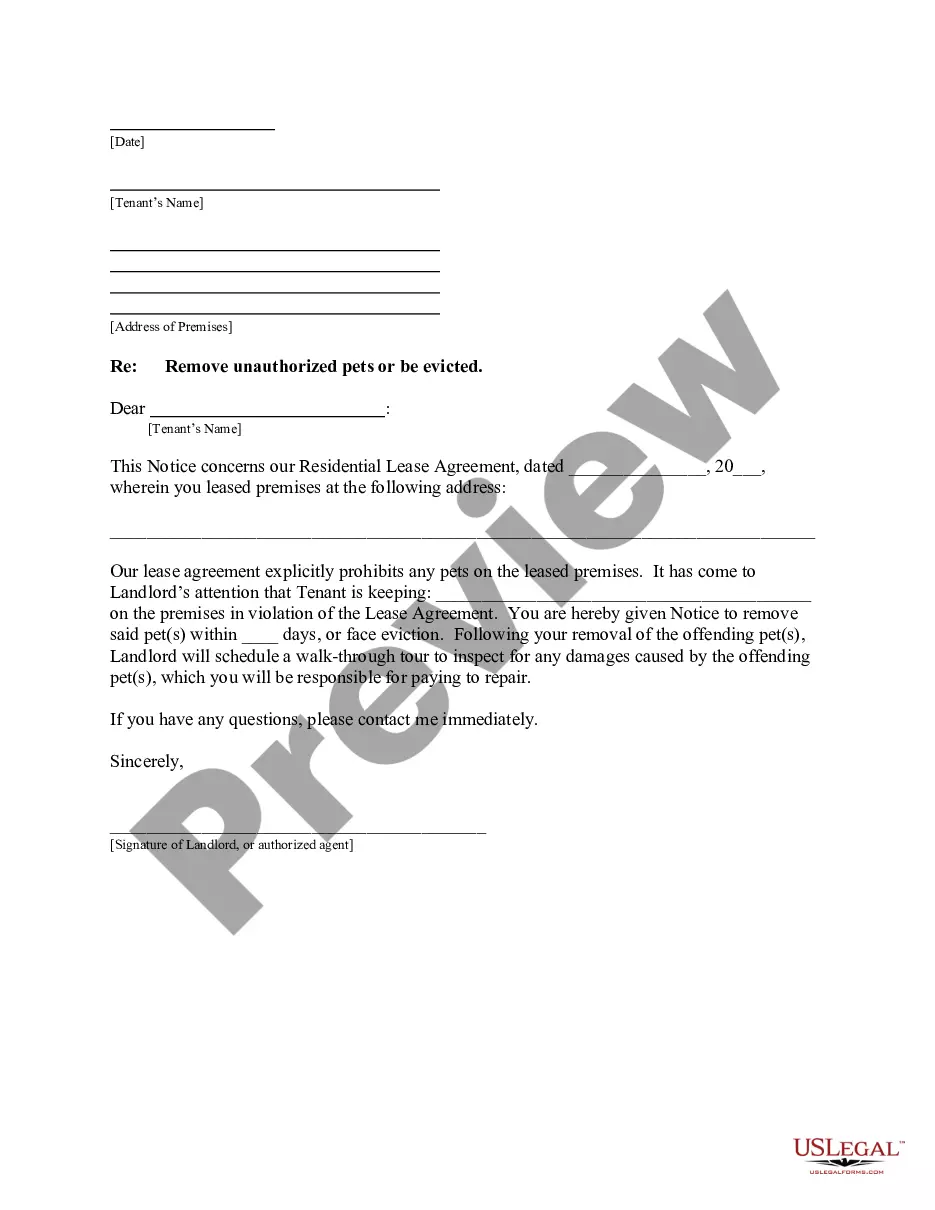


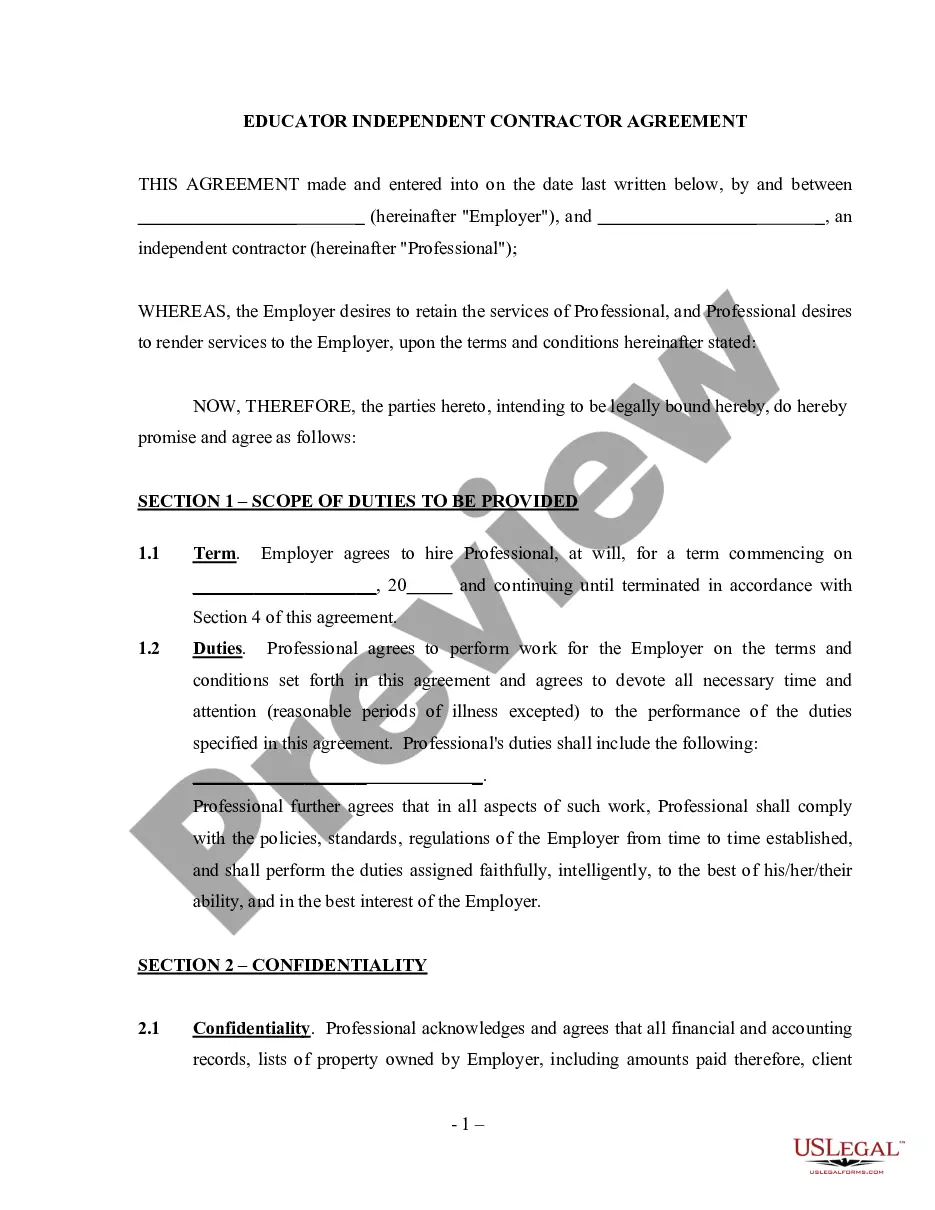






Form popularity
FAQ
Dear Recipient's Name, I, Your Full Name, hereby authorize Authorized Person's Full Name to act on my behalf to collect Specify the Document from Location or office where the document is held. This authorization is valid from Starting Date until Ending Date, unless otherwise revoked by me.
Authorization Letter to Collect Certificate Sir, I hereby authorize Raymond to act as my representative and collect my Class 10 and Class 12 mark sheets, UG Degree Certificate and my Transfer Certificate on my behalf as I am hospitalised and cannot come in person to collect the certificates within the date prescribed.
5 steps to write a letter of authorization. Identify the parties involved. Specify the authority granted. Define the duration of the agreement. Include any necessary details. Sign the document.
Authorization Letter Sample 1: Letter to the Postmaster for collecting Registered Post. Hello Sir, My name is Mansi and I am writing this letter to authorize Ms. Neha Vasu, who happens to be my sister, on behalf of me to collect the registered post that I will not be able to collect due to some reason.
Answer. The format of an authorization letter should include the date, the name of the person to whom it is addressed, details about the person who has been authorized (such as name and identity proof), the reason for his absence, the duration of the authorized letter, and the action to be performed by another person.
Formal Authorization Letter Format Dear Recipient's Name, I, Your Name, am writing to formally authorize Authorized Person's Name to act on my behalf regarding specific task or purpose, e.g., collecting documents, attending meetings, etc..
The authorization letter format includes the address and date, salutation, body of the letter with the name and signature of the person you are authorizing, the reason for unavailability, complimentary closing, signature and name of the authorizer.
How do I write a simple letter of authorization? Start with your name and contact information at the top. Include the current date. Write the recipient's name and contact information. Clearly state your name and that you're writing to grant authorization to another individual or organization.
Identification and authentication validate a person's identity, but authorization ensures the person in question should have access to the system or resource. Authorization gives users rights and privileges after identifying, authenticating and authorizing them.
Identification is the act of identifying a particular user, often through a username. Authentication is the proof of this user's identity, which is commonly managed by entering a password. Only after a user has been properly identified and authenticated can they then be authorized access to systems or privileges.

