Sample Letter For Child Custody In Contra Costa
Description
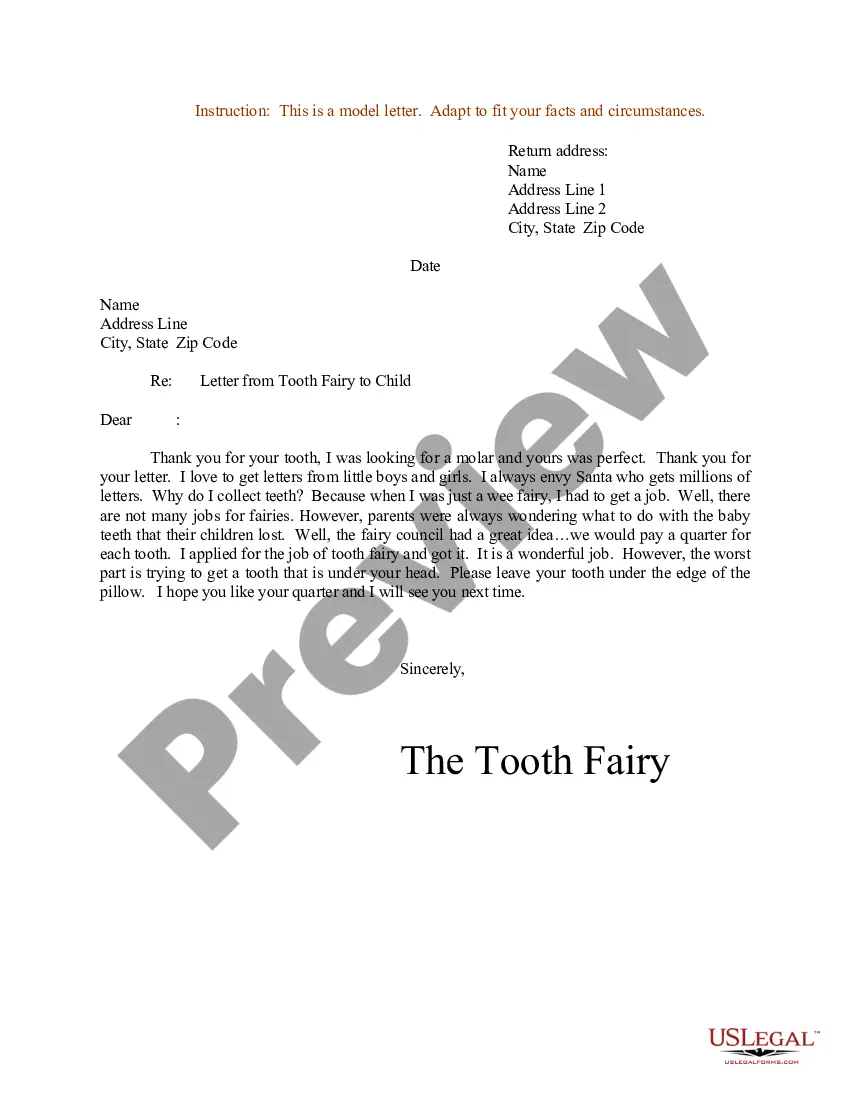
Get your form ready online
Our built-in tools help you complete, sign, share, and store your documents in one place.
Make edits, fill in missing information, and update formatting in US Legal Forms—just like you would in MS Word.
Download a copy, print it, send it by email, or mail it via USPS—whatever works best for your next step.
Sign and collect signatures with our SignNow integration. Send to multiple recipients, set reminders, and more. Go Premium to unlock E-Sign.
If this form requires notarization, complete it online through a secure video call—no need to meet a notary in person or wait for an appointment.
We protect your documents and personal data by following strict security and privacy standards.

Make edits, fill in missing information, and update formatting in US Legal Forms—just like you would in MS Word.

Download a copy, print it, send it by email, or mail it via USPS—whatever works best for your next step.

Sign and collect signatures with our SignNow integration. Send to multiple recipients, set reminders, and more. Go Premium to unlock E-Sign.

If this form requires notarization, complete it online through a secure video call—no need to meet a notary in person or wait for an appointment.

We protect your documents and personal data by following strict security and privacy standards.
Looking for another form?










Form popularity
FAQ
In the first paragraph, state how you know the person and attest to their character. Second paragraph show how loving and caring they are with their child. Third paragraph show how bonded the child is to the parents and give examples.
I have always found applicant to be trustworthy, hard working and intelligent. When we worked on example, applicant showed good communication skills and I could rely on them to take the initiative and to stay calm under pressure.
What To Include in a Child Custody Declaration Letter Details about the parent writing the letter, including their relationship to the child. A description of the existing custody and visitation arrangement, if applicable. Explanation of why the parent is seeking a change to the custody agreement or child support order.
Write professionally, but in your own voice — don't try to sound like a lawyer. Be specific. Don't ramble or repeat yourself, and don't include irrelevant information. Don't lie or make assumptions not supported by facts and evidence — include only information that you have personal knowledge of.
How to structure a character reference: Introduce yourself, state what your occupation is and any qualifications you hold. In what capacity do you know them the defendant? Tell the court that you're aware of the proceedings. Give some background surrounding your relationship with the defendant.
In the first paragraph, state how you know the person and attest to their character. Second paragraph show how loving and caring they are with their child. Third paragraph show how bonded the child is to the parents and give examples.
Focus on factual statements and what you believe is best for the child. Irrelevant Information: Do not include information that is not relevant to the child's welfare or custody matter. The court's primary concern is the best interests of the child. Legal Jargon: You don't need to use legal jargon.
In the first paragraph, state how you know the person and attest to their character. Second paragraph show how loving and caring they are with their child. Third paragraph show how bonded the child is to the parents and give examples.
Write a clear statement of purpose, specifying the reason for the affidavit. Present facts in chronological order with numbered paragraphs for easy reference. Facts should be precise and relevant to the affidavit's purpose. Include a statement of truth declaring that the contents are accurate under penalty of perjury.
