Accident With Trauma In Wake
Description

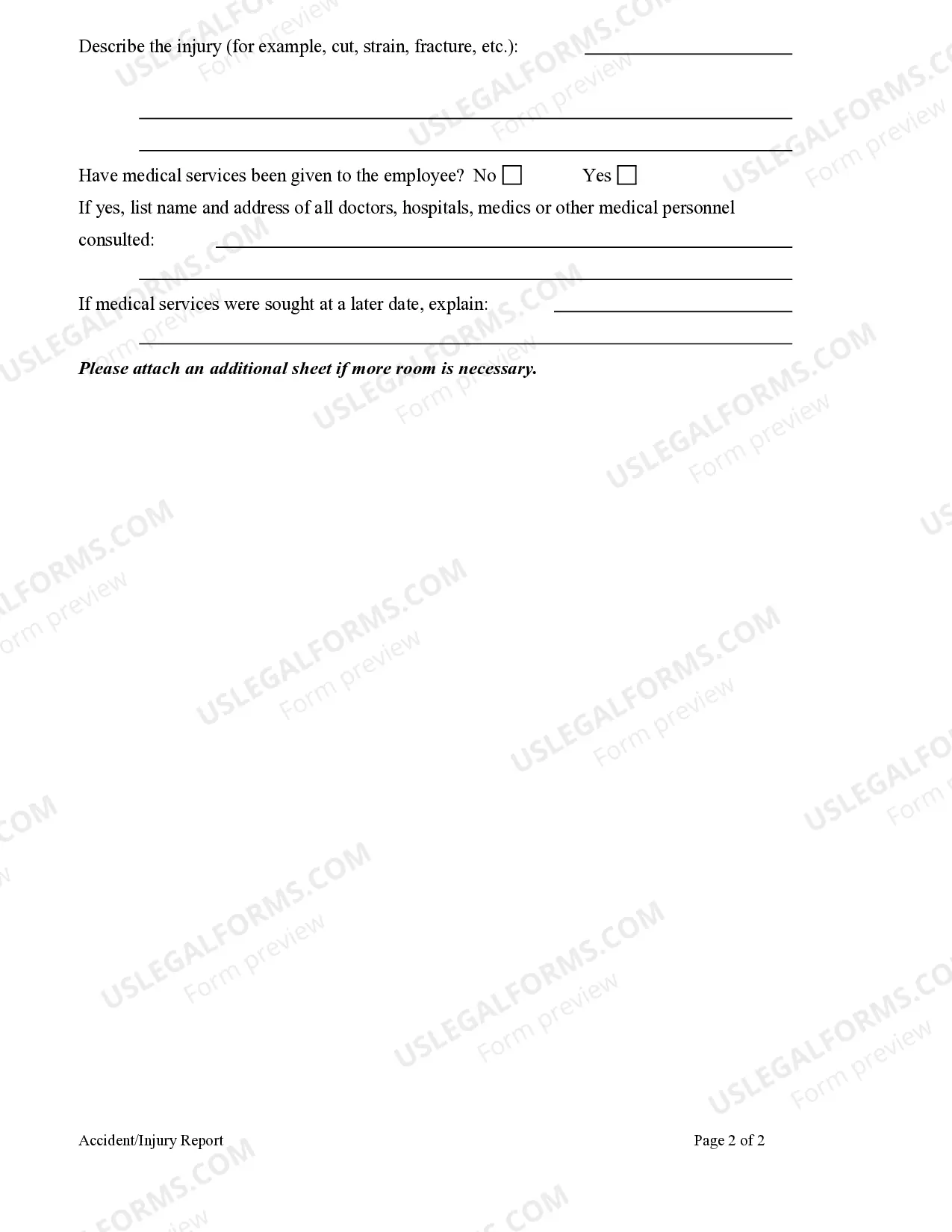
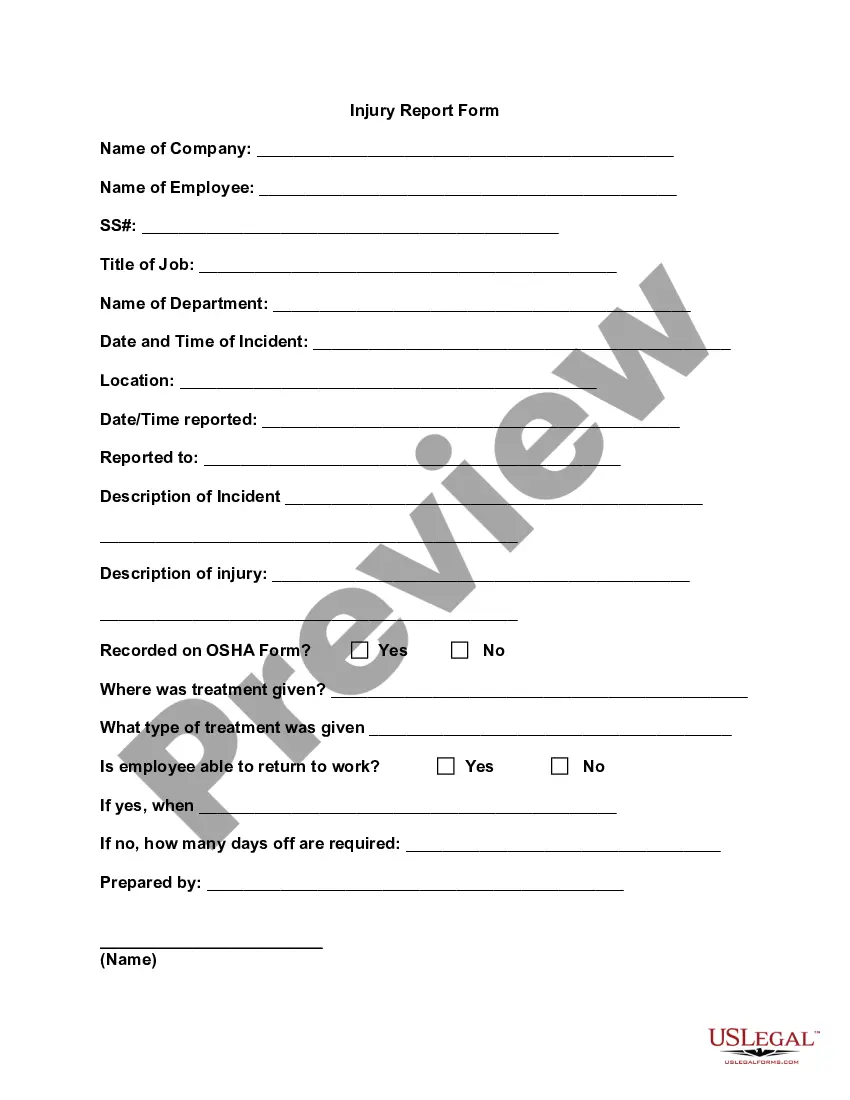
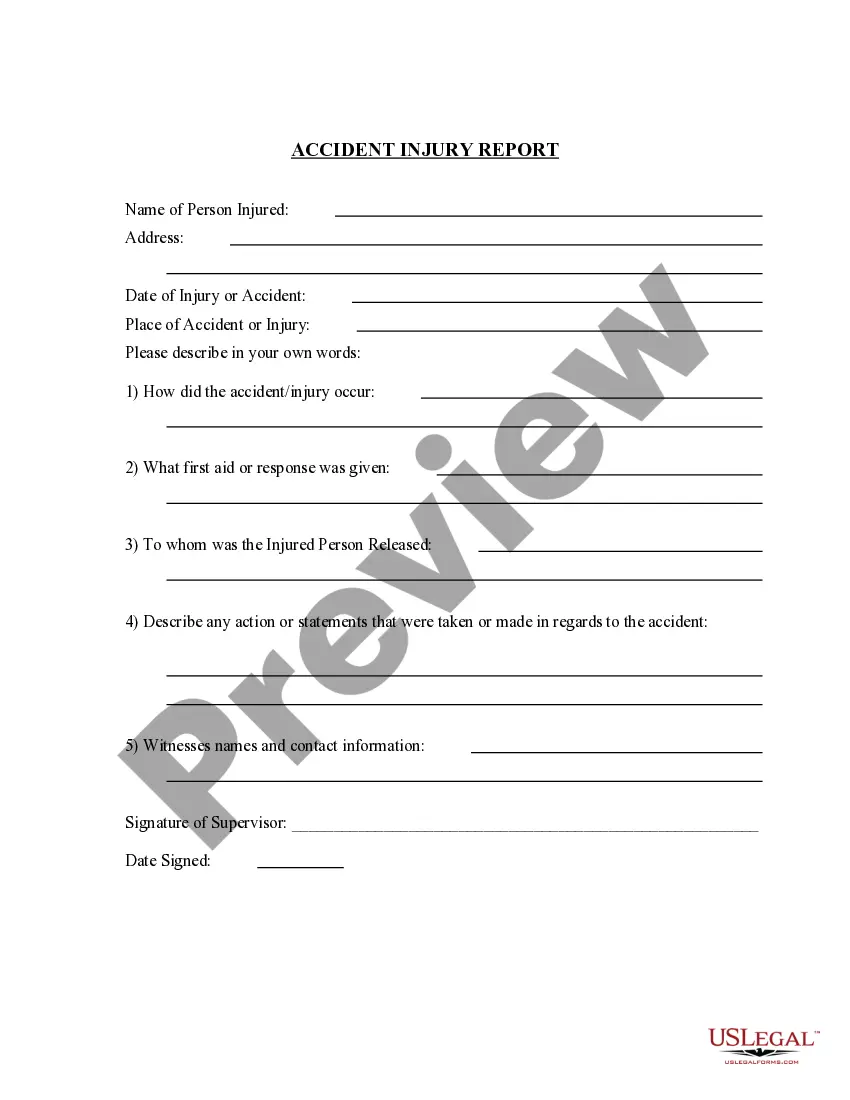
Get your form ready online
Our built-in tools help you complete, sign, share, and store your documents in one place.
Make edits, fill in missing information, and update formatting in US Legal Forms—just like you would in MS Word.
Download a copy, print it, send it by email, or mail it via USPS—whatever works best for your next step.
Sign and collect signatures with our SignNow integration. Send to multiple recipients, set reminders, and more. Go Premium to unlock E-Sign.
If this form requires notarization, complete it online through a secure video call—no need to meet a notary in person or wait for an appointment.
We protect your documents and personal data by following strict security and privacy standards.

Make edits, fill in missing information, and update formatting in US Legal Forms—just like you would in MS Word.

Download a copy, print it, send it by email, or mail it via USPS—whatever works best for your next step.

Sign and collect signatures with our SignNow integration. Send to multiple recipients, set reminders, and more. Go Premium to unlock E-Sign.

If this form requires notarization, complete it online through a secure video call—no need to meet a notary in person or wait for an appointment.

We protect your documents and personal data by following strict security and privacy standards.
Looking for another form?








Form popularity
FAQ
Physical sensations such as tingling, warmth or a sense of energy may occur. Some people experience muscle twitching or shaking as tension is released. These sensations are often temporary and can indicate that your body is working through and letting go of past stress or trauma.
Sleep has been implicated in learning processes that appear to underlie recovery from posttraumatic stress disorder (PTSD). The importance of quality and timing of sleep following exposure-based therapies has been suggested.
During a PTSD episode, the person may relive the trauma that caused their PTSD through intrusive thoughts, flashbacks, visions, and nightmares. They may also experience intense anxiety and debilitating fear. The physical symptoms of a PTSD episode can include shaking, sweating, racing heart, and difficulty breathing.
Yes, PTSD can cause excessive sleep. A 2019 twin study found that people with severe PTSD symptoms tended to sleep significantly more or less than average. PTSD may cause hypersomnia, also known as excessive daytime sleepiness (EDS).
Car accident injuries can be life-altering, especially if they involve the following: Spinal cord injuries resulting in paraplegia or quadriplegia. Moderate or severe traumatic brain injuries. Loss of one or more limbs.
After experiencing a traumatic event, you may find yourself thinking about it over and over again. This is a common symptom of a trauma reaction or PTSD. Trauma can get stored in the body and continue to affect you long after the event occurred. Healing can help you stop thinking about past trauma.
Trauma therapy Somatic experiencing focuses on bodily sensations, rather than thoughts and memories about the traumatic event. By concentrating on what's happening in your body, you can release pent-up trauma-related energy through shaking, crying, and other forms of physical release.
REM sleep is directly linked to storing and processing memories, impacting how the traumatic event is processed. Childhood trauma can significantly impact sleep throughout a person's life.
Get support Getting support from friends and family can be crucial in regaining confidence after a car accident. Talk to someone you trust about your driving-related fears and anxieties, and ask for their support and encouragement as you build up your confidence.
Acknowledge Your Feelings : It's important to recognize and accept your feelings of guilt. Understand that it's a natural response to a traumatic event. Reflect on the Situation : Try to analyze what happened. Were there factors beyond your control? Talk About It : Share your feelings with someone you trust.
