Personal Injury Form Interrogatories In San Antonio
Description

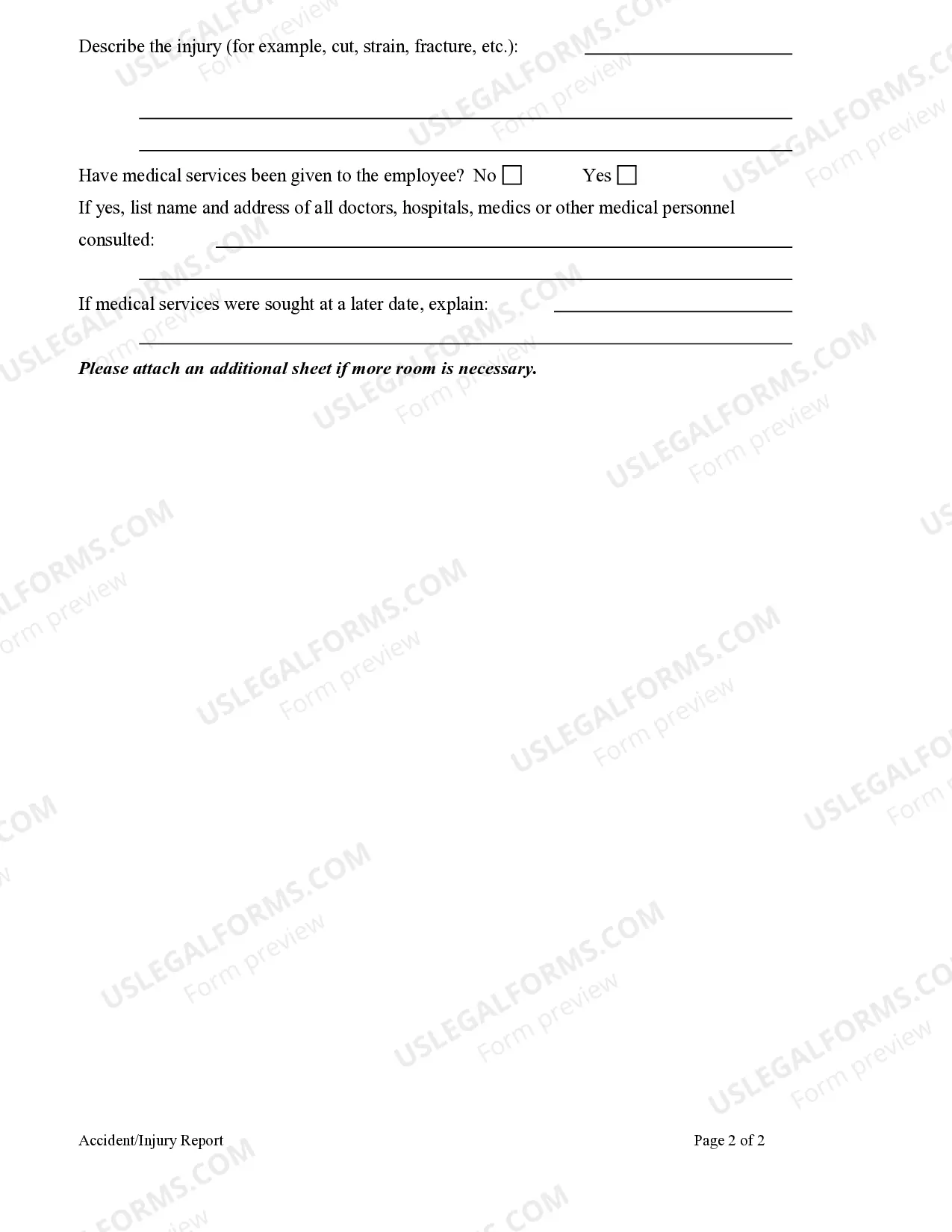
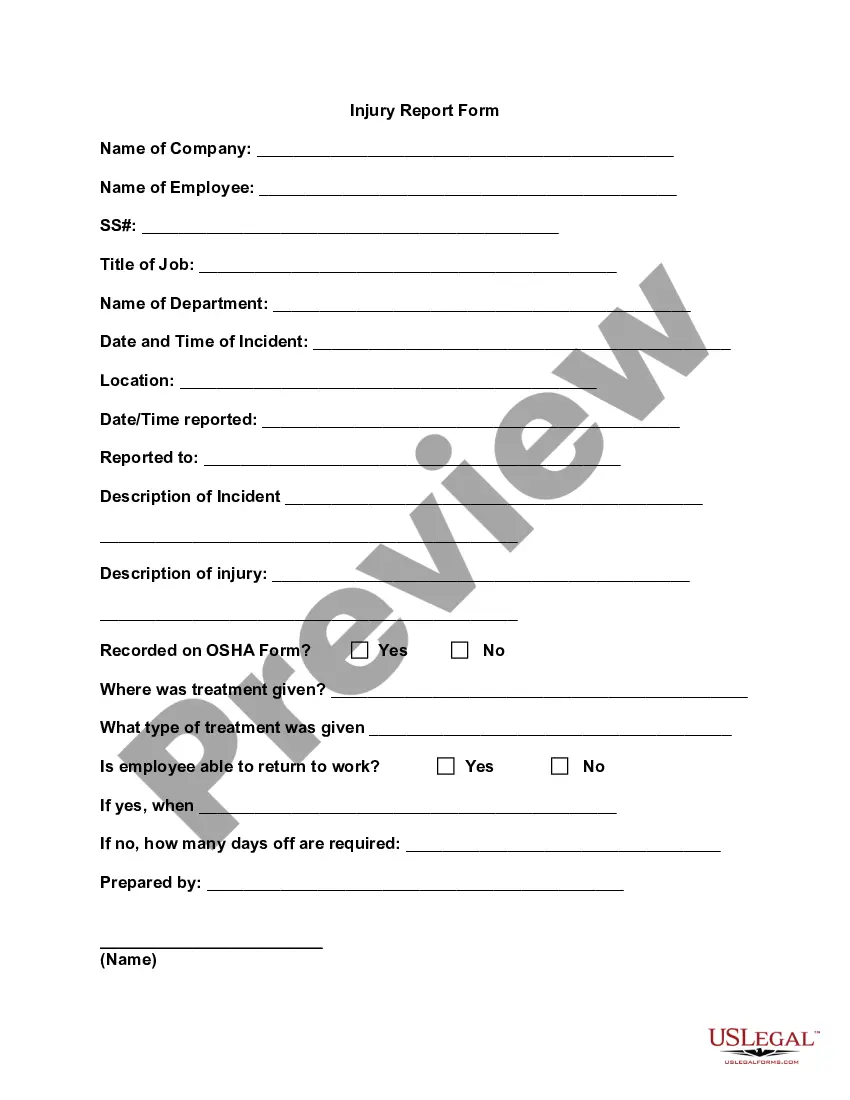
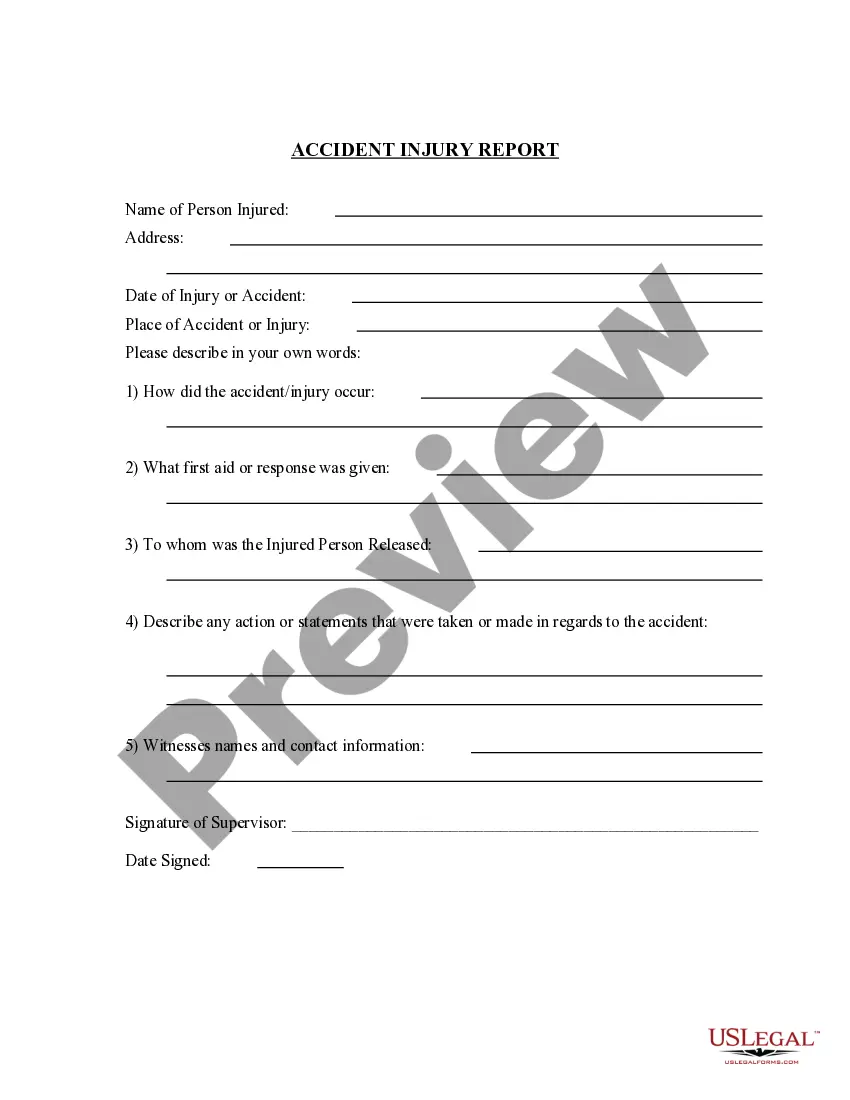
Get your form ready online
Our built-in tools help you complete, sign, share, and store your documents in one place.
Make edits, fill in missing information, and update formatting in US Legal Forms—just like you would in MS Word.
Download a copy, print it, send it by email, or mail it via USPS—whatever works best for your next step.
Sign and collect signatures with our SignNow integration. Send to multiple recipients, set reminders, and more. Go Premium to unlock E-Sign.
If this form requires notarization, complete it online through a secure video call—no need to meet a notary in person or wait for an appointment.
We protect your documents and personal data by following strict security and privacy standards.

Make edits, fill in missing information, and update formatting in US Legal Forms—just like you would in MS Word.

Download a copy, print it, send it by email, or mail it via USPS—whatever works best for your next step.

Sign and collect signatures with our SignNow integration. Send to multiple recipients, set reminders, and more. Go Premium to unlock E-Sign.

If this form requires notarization, complete it online through a secure video call—no need to meet a notary in person or wait for an appointment.

We protect your documents and personal data by following strict security and privacy standards.
Looking for another form?






Form popularity
FAQ
Plaintiffs involved in motor vehicle accidents are successful at trial 61% of the time. Plaintiffs injured on someone else's property are successful at trial 39% of the time. Plaintiffs injured by faulty products win 38% of their cases at trial.
Short Answer: ing to data from 5,861 personal injury cases from 2021-2024, the average personal injury settlement in California is approximately $55,056. Most settlements and court awards will be approximately $3,000 to $75,000. The likelihood of receiving a payout in this range is approximately 70%.
The primary function of the private investigators will be uncovering proof and information to support the claims of injuries. Our team will be able to help you gather the evidence to prove any case. Ultimately we seek to find a solution and compensation that benefits all injured parties.
Discovery is the process by which both sides exchange information, evidence, names of witnesses, and documents. For the plaintiff, this process helps in understanding what, if anything, could have been done to prevent the injury-producing event.
In intentional tort trials, plaintiffs were successful 50% of the time. In premises liability trials, the success rate for plaintiffs stands at 39%. In product liability trials, plaintiffs were successful in 38% of cases.
Ing to various reports, personal injury lawyers win between 90-95% of cases that settle before going to trial.
How to File a Personal Injury Claim Without a Lawyer: A Step-by-Step Guide Step 1: Gather Evidence from the Scene. Step 2: Seek Medical Attention. Step 3: Notify the At-Fault Party's Insurance Company. Step 4: Calculate the Value of Your Claim. Step 5: Send a Demand Letter. Step 6: Negotiate a Settlement.
Ing to the U.S. Department of Justice, personal injury lawsuit outcome statistics include a majority (90 to 95 percent) settled before trial. Out of the small percentage that end up seeing a courtroom, the data suggests that the success rate of personal injury cases is around half.
A photocopy of your form interrogatories must be served on the attorney for the responding party or directly to the responding party if he or she is self-represented (in pro per). Courtesy copies should be served on all other attorneys or self-represented parties in the case.
(a) A defendant may propound interrogatories to a party to the action without leave of court at any time. (b) A plaintiff may propound interrogatories to a party without leave of court at any time that is 10 days after the service of the summons on, or appearance by, that party, whichever occurs first.
