Accident With Injury In Pima
Description

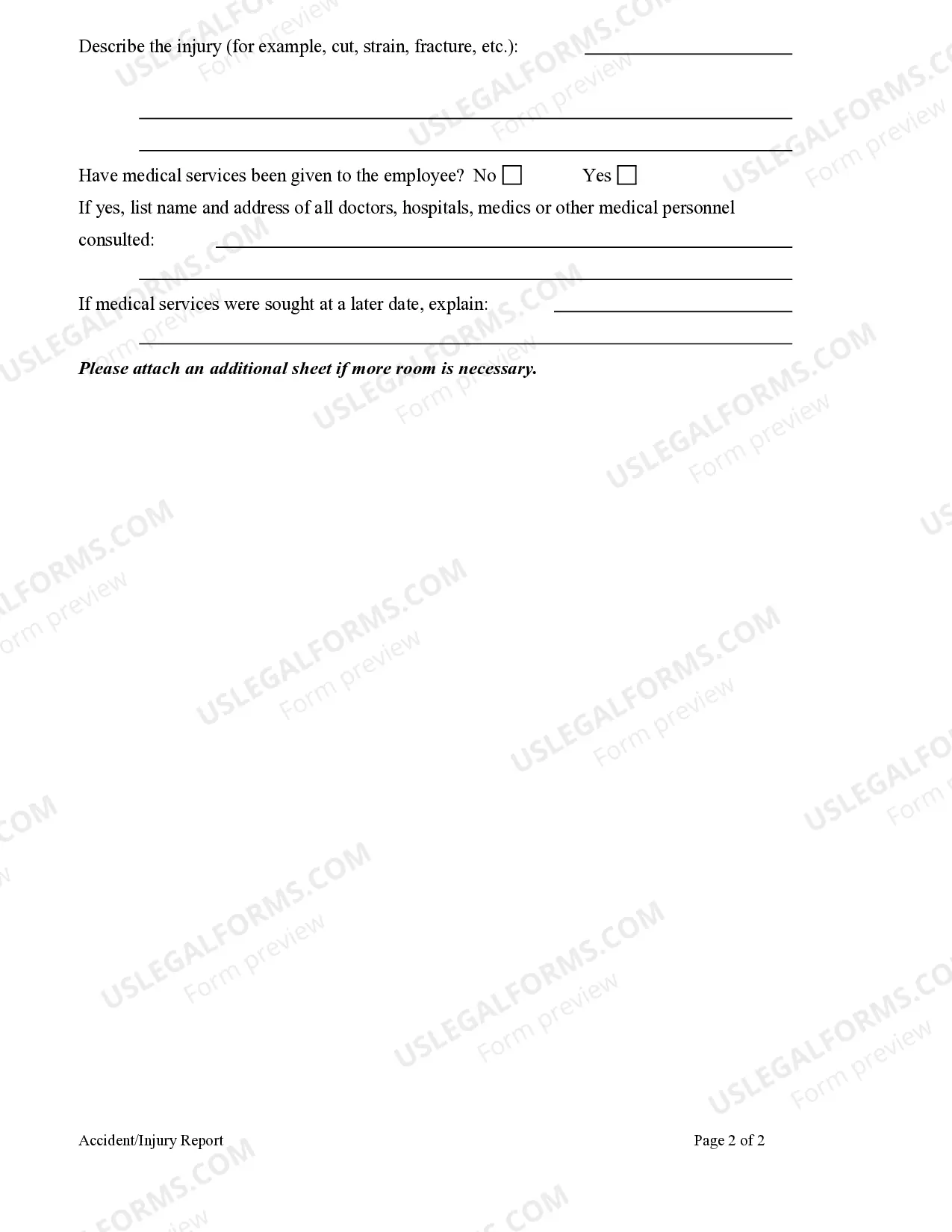
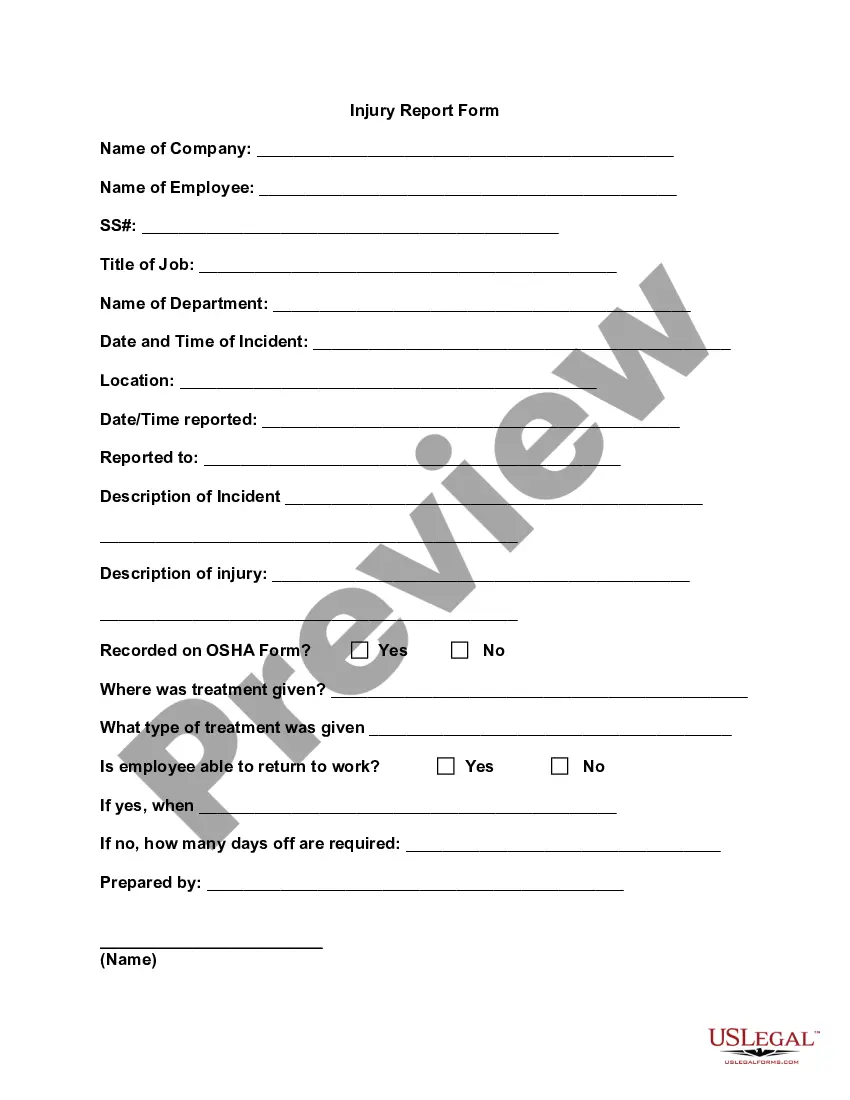
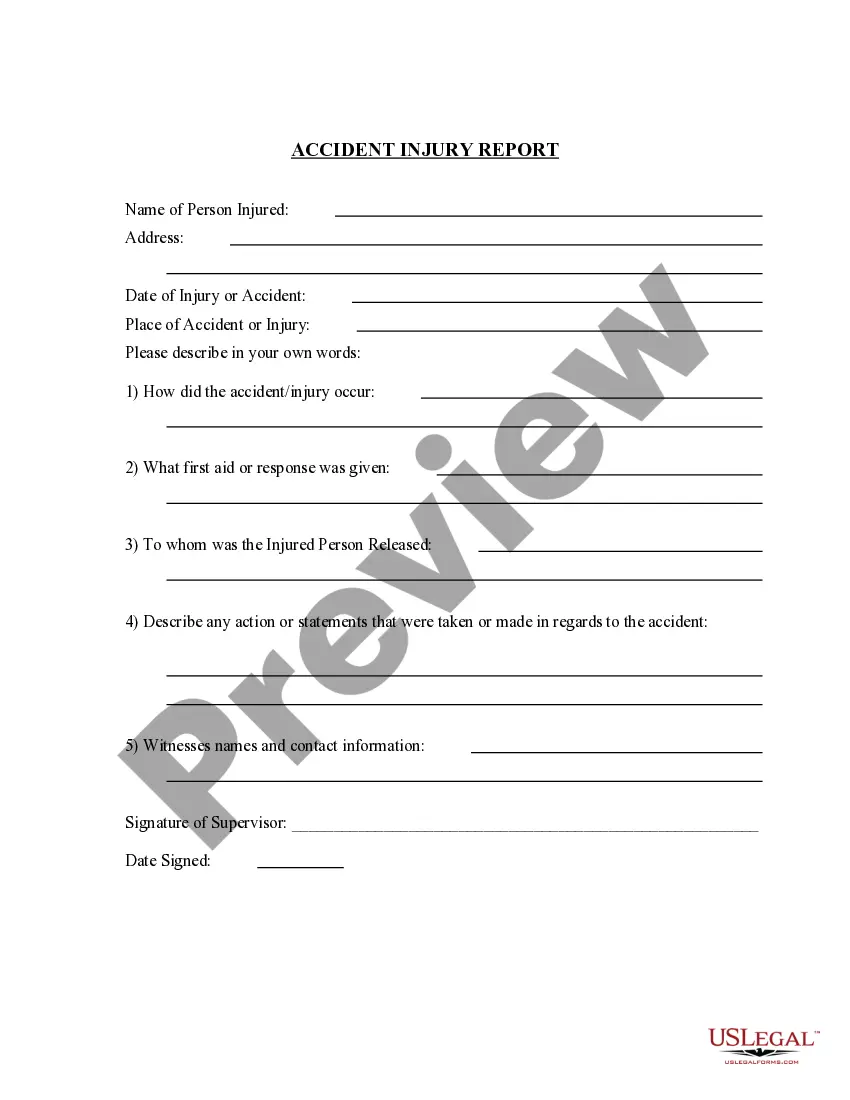
Get your form ready online
Our built-in tools help you complete, sign, share, and store your documents in one place.
Make edits, fill in missing information, and update formatting in US Legal Forms—just like you would in MS Word.
Download a copy, print it, send it by email, or mail it via USPS—whatever works best for your next step.
Sign and collect signatures with our SignNow integration. Send to multiple recipients, set reminders, and more. Go Premium to unlock E-Sign.
If this form requires notarization, complete it online through a secure video call—no need to meet a notary in person or wait for an appointment.
We protect your documents and personal data by following strict security and privacy standards.

Make edits, fill in missing information, and update formatting in US Legal Forms—just like you would in MS Word.

Download a copy, print it, send it by email, or mail it via USPS—whatever works best for your next step.

Sign and collect signatures with our SignNow integration. Send to multiple recipients, set reminders, and more. Go Premium to unlock E-Sign.

If this form requires notarization, complete it online through a secure video call—no need to meet a notary in person or wait for an appointment.

We protect your documents and personal data by following strict security and privacy standards.
Looking for another form?









Form popularity
FAQ
Get immediate medical treatment Call an ambulance or see a doctor as quickly as you can. It can be very difficult to judge the seriousness of your injury without the help of a trained medical professional. Make sure you tell your doctor about ALL injuries and pain – even things that you think aren't a big deal.
Seat Belts Wearing the lap belt and shoulder harness of a seat belt will increase your chance of survival in most types of collisions. This image shows what can happen in a collision.
Treatment of Minor Injuries Rest. Limit activities that involve using the injured area for at least a day or two. Ice. Apply an ice pack to the injured area for 20 minutes at a time, four to eight times a day. Compression. Keeping pressure on the injured area may help reduce swelling. Elevation.
(rest, ice, compression, and elevation) can help mitigate the swelling and pain associated with an injury,” she says. Step One: Rest. Stop any activity and allow the injured area to rest. Step Two: Ice. Step Three: Compression. Step Four: Elevation. Step Five: Over-the-counter anti-inflammatories.
If someone is injured in an incident, first check that you and the person who is injured are not in any danger. If you are, make the situation safe. When it's safe to do so, assess the person who is injured and, if necessary, dial 999 for an ambulance.
Treat any obvious injuries. lie the person down if their injuries allow you to and, if possible, raise and support their legs. use a coat or blanket to keep them warm. do not give them anything to eat or drink.
Apply ice or a cold pack to control swelling and lessen pain. Avoid movement or activity that causes the injured person any pain. If you must move the victim because the area is unsafe, try to keep the injured part still.
In essence, it encompasses a broad range of situations where an individual suffers harm. The personal injury law definition includes a framework enabling individuals who have suffered harm to seek compensation for medical expenses, pain, suffering, lost wages, and related costs.
Stick to the Facts Focus on the facts without adding opinions or assumptions. Describe what happened during the accident clearly and avoid discussing fault or other details. Never guess or estimate. If you don't know the answer to a question, admit that you don't know and move on.
Accident reporting & investigation procedure – 6 steps Check for immediate danger. Seek medical assistance. Record details in the accident book. Conduct a formal investigation. Determine if the accident is reportable. Review and update safety measures. How to track and manage incidents effectively.
