Sample Letter Acknowledgment Of Complaint In Suffolk
Description
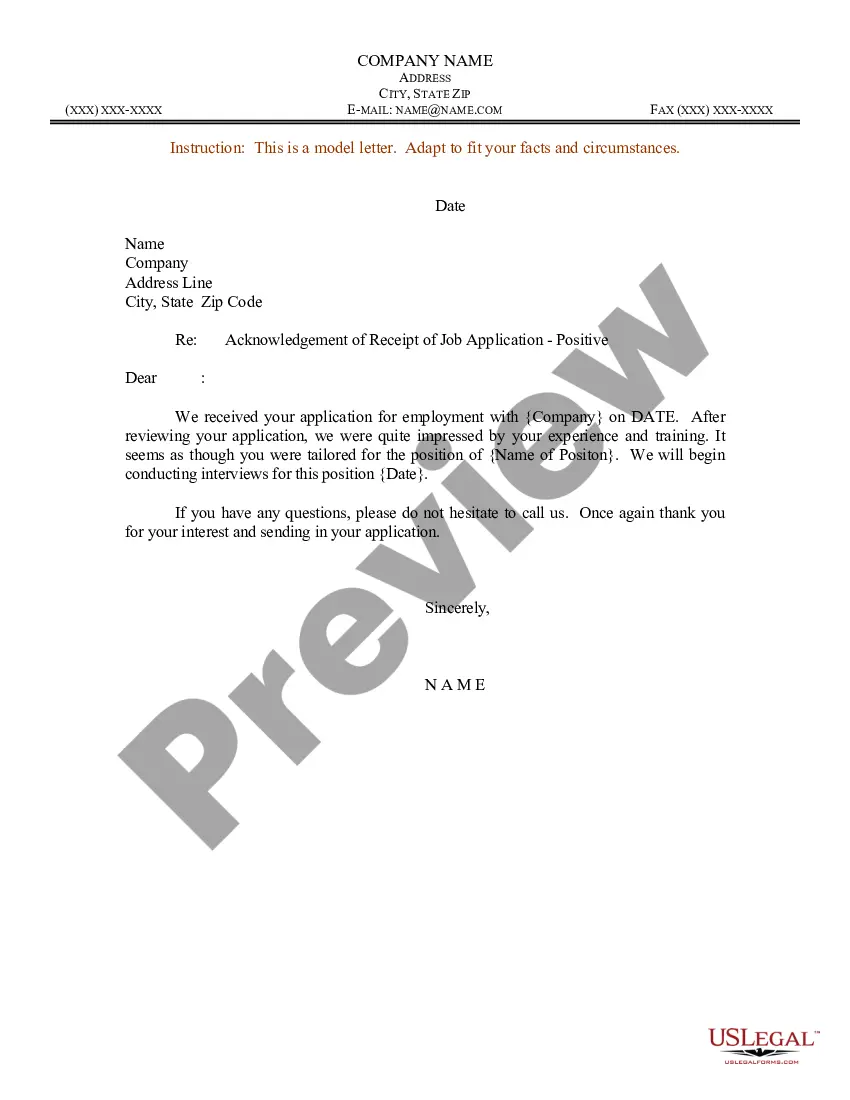


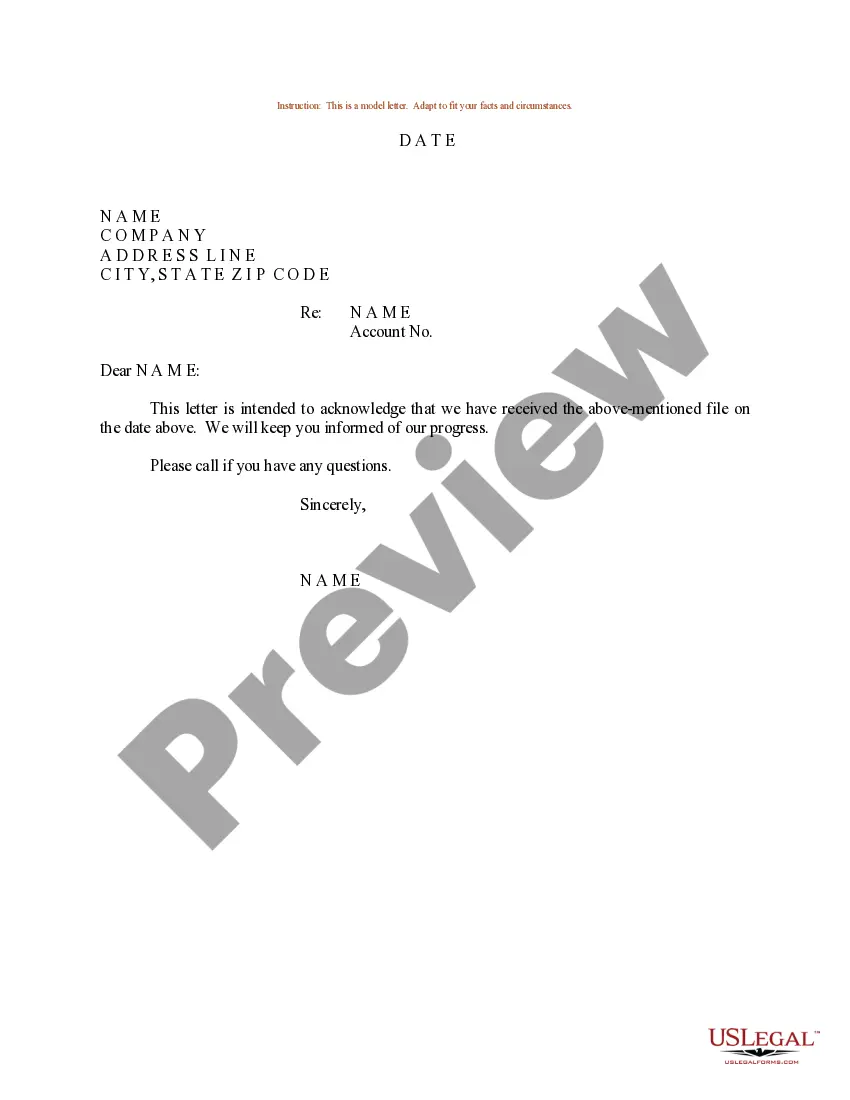
Get your form ready online
Our built-in tools help you complete, sign, share, and store your documents in one place.
Make edits, fill in missing information, and update formatting in US Legal Forms—just like you would in MS Word.
Download a copy, print it, send it by email, or mail it via USPS—whatever works best for your next step.
Sign and collect signatures with our SignNow integration. Send to multiple recipients, set reminders, and more. Go Premium to unlock E-Sign.
If this form requires notarization, complete it online through a secure video call—no need to meet a notary in person or wait for an appointment.
We protect your documents and personal data by following strict security and privacy standards.

Make edits, fill in missing information, and update formatting in US Legal Forms—just like you would in MS Word.

Download a copy, print it, send it by email, or mail it via USPS—whatever works best for your next step.

Sign and collect signatures with our SignNow integration. Send to multiple recipients, set reminders, and more. Go Premium to unlock E-Sign.

If this form requires notarization, complete it online through a secure video call—no need to meet a notary in person or wait for an appointment.

We protect your documents and personal data by following strict security and privacy standards.
Looking for another form?
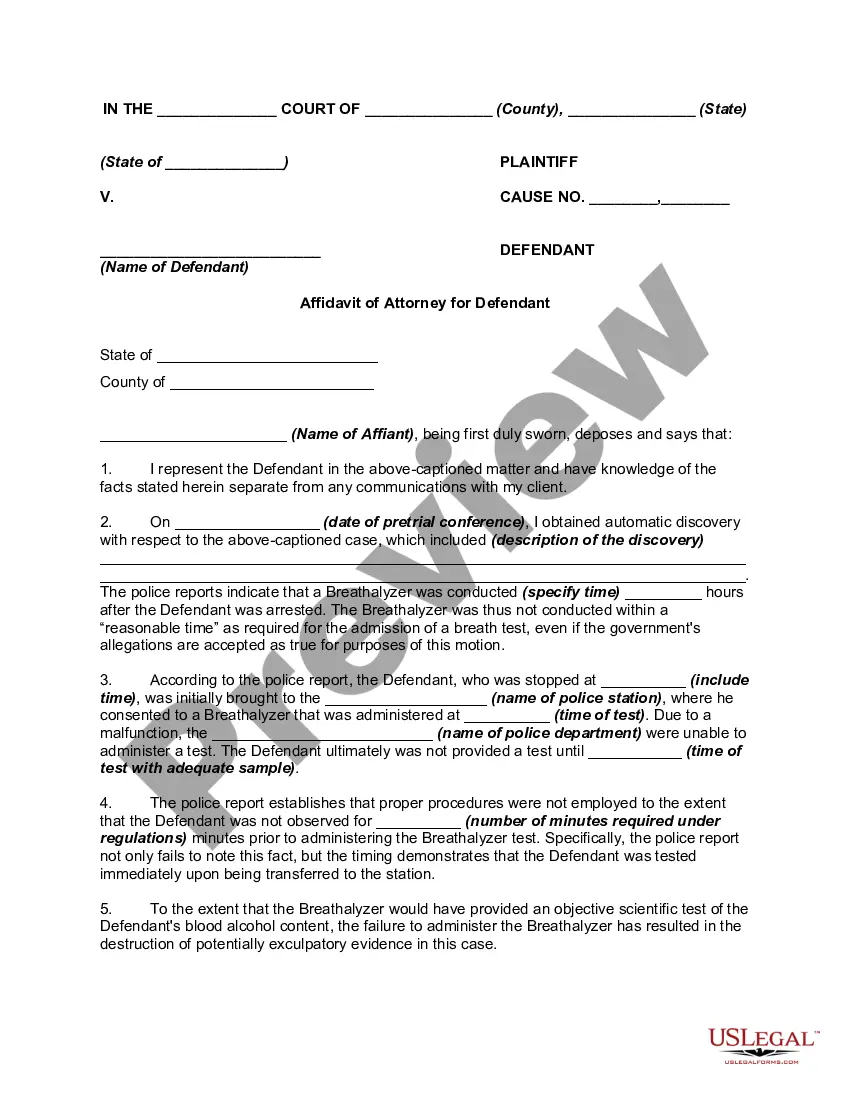
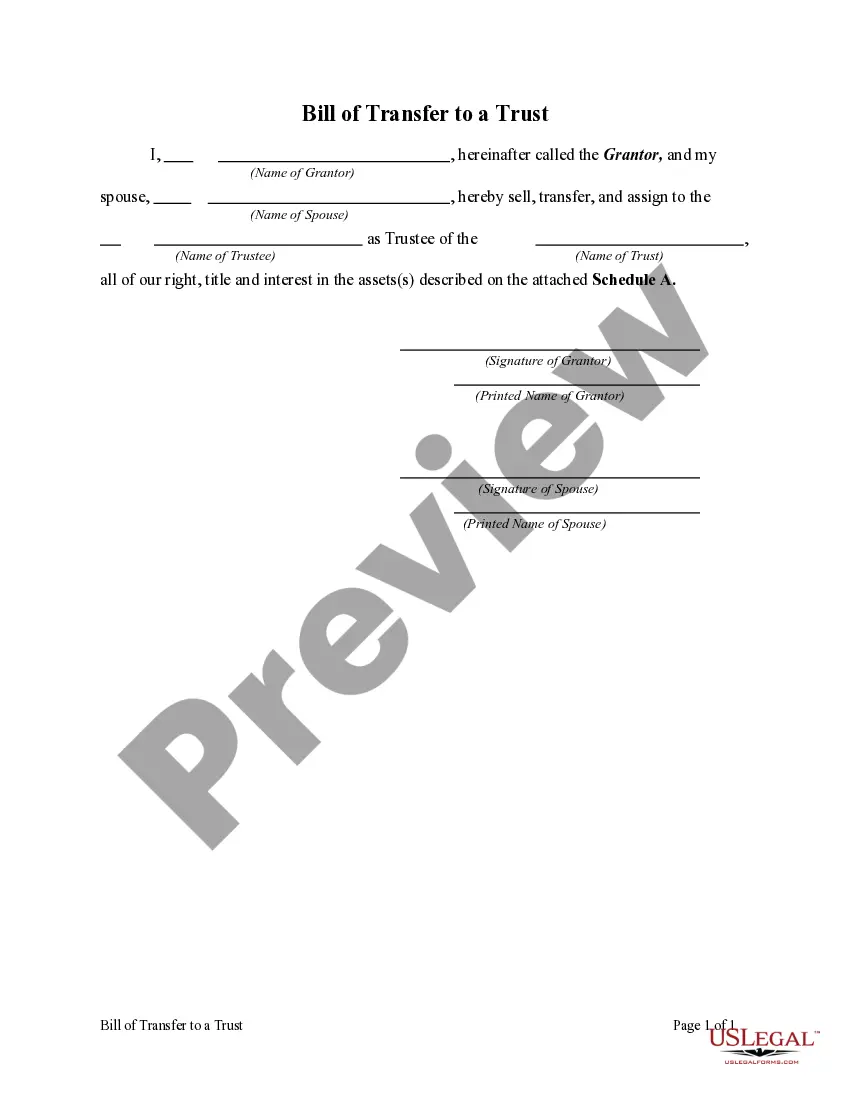




Form popularity
FAQ
For each numbered paragraph in the complaint, type "Admitted" if you admit the allegation or "Denied" if you deny the allegation. If you don't have enough information to know whether the fact is true or false, respond with "Lack enough information to respond to Plaintiff's allegations."
How to Format an Answer Letter for a Civil Summons Provide the name of the court at the top of the Answer. List the name of the plaintiff on the left side. Write the case number on the right side of the Answer. Address the Judge and discuss your side of the case.
MOTIONS/ORDERS TO SHOW CAUSE The Notice of Motion, affirmations, affidavits and exhibits must be filed as SEPARATE documents. A proposed Order To Show Cause is filed in the same manner as a Notice of Motion using document type ORDER TO SHOW CAUSE (PROPOSED) in place of the Notice of Motion.
On a separate page or pages, write a short and plain statement of the answer to the allegations in the complaint. Number the paragraphs. The answer should correspond to each paragraph in the complaint, with paragraph 1 of the answer corresponding to paragraph 1 of the complaint, etc.
When drafting an answer, one must: (1) follow the local, state, and federal court rules; (2) research the legal claims in the adversary's complaint; (3) respond to the adversary's factual allegations; and (4) assert affirmative defenses, counterclaims, cross-claims, or third-party claims, if applicable.
For each paragraph in the complaint, state whether: the defendant admits the allegations in that paragraph; denies the allegations; lacks sufficient knowledge to admit or deny the allegations; or admits certain allegations but denies, or lacks sufficient knowledge to admit or deny, the rest.
Generally, if the complaint has been sworn to (verified), then the answer must be verified as well. See CPLR 3020. In any event, the answer must be signed by defendant's attorney or by defendant if self-represented.
For each numbered paragraph in the complaint, type "Admitted" if you admit the allegation or "Denied" if you deny the allegation. If you don't have enough information to know whether the fact is true or false, respond with "Lack enough information to respond to Plaintiff's allegations."

