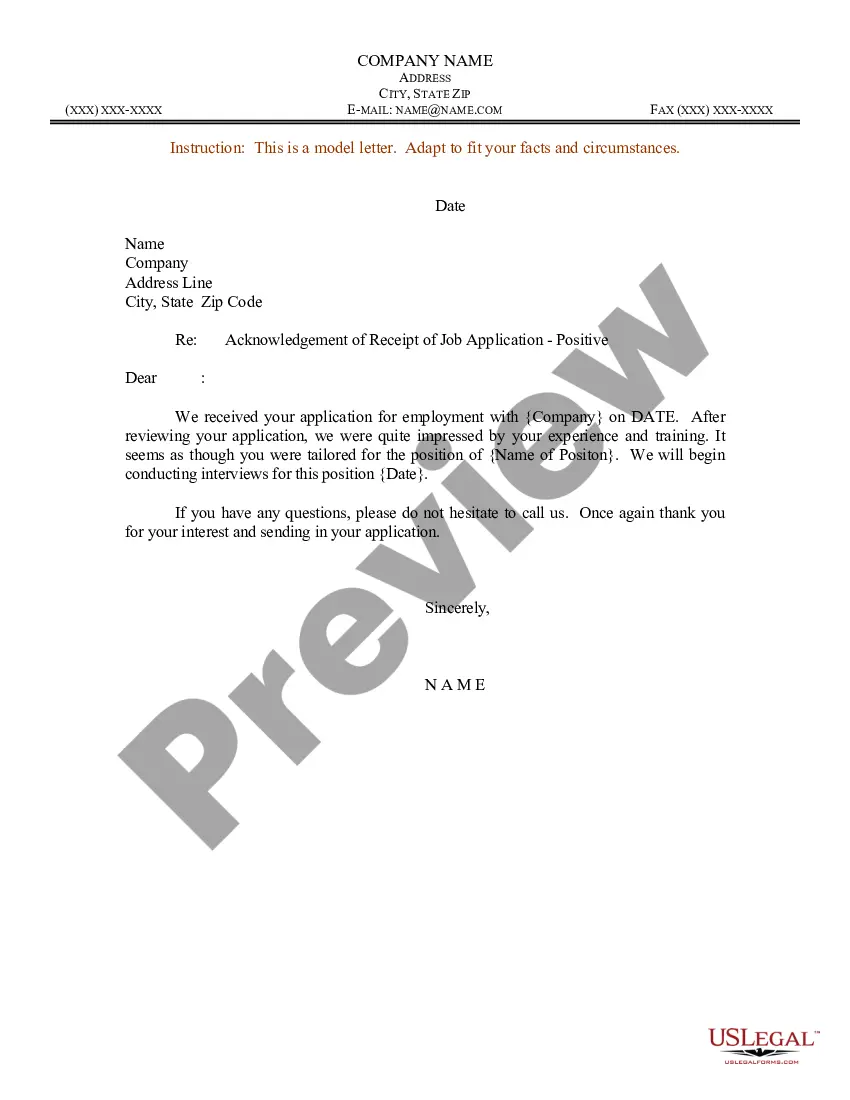
Template Letter For Acknowledgment In Middlesex
Description



Get your form ready online
Our built-in tools help you complete, sign, share, and store your documents in one place.
Make edits, fill in missing information, and update formatting in US Legal Forms—just like you would in MS Word.
Download a copy, print it, send it by email, or mail it via USPS—whatever works best for your next step.
Sign and collect signatures with our SignNow integration. Send to multiple recipients, set reminders, and more. Go Premium to unlock E-Sign.
If this form requires notarization, complete it online through a secure video call—no need to meet a notary in person or wait for an appointment.
We protect your documents and personal data by following strict security and privacy standards.

Make edits, fill in missing information, and update formatting in US Legal Forms—just like you would in MS Word.

Download a copy, print it, send it by email, or mail it via USPS—whatever works best for your next step.

Sign and collect signatures with our SignNow integration. Send to multiple recipients, set reminders, and more. Go Premium to unlock E-Sign.

If this form requires notarization, complete it online through a secure video call—no need to meet a notary in person or wait for an appointment.

We protect your documents and personal data by following strict security and privacy standards.
Looking for another form?







Form popularity
FAQ
Now what do you fill in fill in the venue or county where you are notarizing the date you notarized.MoreNow what do you fill in fill in the venue or county where you are notarizing the date you notarized. Your name and title of office notary. Public next you fill in the name of your signer appearing.
Acknowledgement forms help companies to keep track of the employees who have received and understood policies, both when they are first hired and as policies evolve over time. They're useful for policies in any area, but are particularly important where privacy, confidentiality, and information security are concerned.
What is an acknowledgment? The purpose of an acknowledgment is for a signer, whose identity has been verified, to declare to a Notary or notarial officer that he or she has willingly signed a document.
No, they are not the same. Acknowledgement refers to the act of someone declaring a signature as their own in front of a notary. On the other hand, notarization encompasses a broader range of actions.
I'm extremely grateful to (Something—my success, the completion of my dissertation) would not have been possible without the support and nurturing of (person). I cannot begin to express my thanks to …., who …. Less strong, but very appreciative: I would like to extend my sincere thanks to …/ I must also thank …
Acknowledgement forms help companies to keep track of the employees who have received and understood policies, both when they are first hired and as policies evolve over time. They're useful for policies in any area, but are particularly important where privacy, confidentiality, and information security are concerned.
The purpose of letters of acknowledgment is to provide proof that you have received specific documents or a specific type of request. Letters of acknowledgment are often used for anything involved in a legal process.
The very act of acknowledgement has been defined as the “recognition of the importance or quality of something”. When you identify and recognize the importance or quality of someone's efforts, that person subsequently feels seen, heard and understood.
The purpose of an acknowledgment is for a signer, whose identity has been verified, to declare to a Notary or notarial officer that he or she has willingly signed a document.
For example, if your friend said something that hurt you, you might say, “I just want some acknowledgement from him that he shouldn't have said that.” Another common use of acknowledgement is to describe an expression of gratitude, recognition, or appreciation.

