Job Offer Acceptance Letter With Conditions In Hennepin
Description



Get your form ready online
Our built-in tools help you complete, sign, share, and store your documents in one place.
Make edits, fill in missing information, and update formatting in US Legal Forms—just like you would in MS Word.
Download a copy, print it, send it by email, or mail it via USPS—whatever works best for your next step.
Sign and collect signatures with our SignNow integration. Send to multiple recipients, set reminders, and more. Go Premium to unlock E-Sign.
If this form requires notarization, complete it online through a secure video call—no need to meet a notary in person or wait for an appointment.
We protect your documents and personal data by following strict security and privacy standards.

Make edits, fill in missing information, and update formatting in US Legal Forms—just like you would in MS Word.

Download a copy, print it, send it by email, or mail it via USPS—whatever works best for your next step.

Sign and collect signatures with our SignNow integration. Send to multiple recipients, set reminders, and more. Go Premium to unlock E-Sign.

If this form requires notarization, complete it online through a secure video call—no need to meet a notary in person or wait for an appointment.

We protect your documents and personal data by following strict security and privacy standards.
Looking for another form?





Form popularity
FAQ
How to write a letter of acceptance Address the letter to the recruiter. Express your gratitude for the offer. Confirm the terms of employment. Format your letter appropriately. Proofread your letter. Send your letter and follow up with the recruiter.
A job offer acceptance letter can be fairly brief, but needs to contain the following: An expression of your gratitude for the job offer and the opportunity. Written formal acceptance of the job offer. The terms and conditions (your salary, job title, and any other benefits) Clarification on your starting date.
From a legal perspective, an acceptance letter typically indicates your agreement to a binding contract. This letter has legal weight and can lead to regulatory implications if you aren't exactly sure what you're signing.
Most people do not do so as either the Terms & Conditions are very long, or people simply assume them to be accurate and legitimate. It is important to remember that accepting Terms & Conditions constitutes a legally-binding contract, so it is in your interest to make sure that you have read them before accepting.
How to write a proposal acceptance letter Format your letter. Your letter appears most professional if sent on your organization's letterhead. Specify sender, recipient and date. The top of your letter should detail your contact information. Accept the proposal. Clarify next steps. Offer thanks. Sign and send.
I / We hereby unconditionally accept the BID terms and conditions & specifications including Scope of Work and any other document (which is/are attached in Bid Document) of above-mentioned BID document / corrigendum(s) in its totality / entirety.
A conditional acceptance letter indicates that a school is interested in enrolling you as a student but needs you to take further action or provide more information before completing your enrollment.
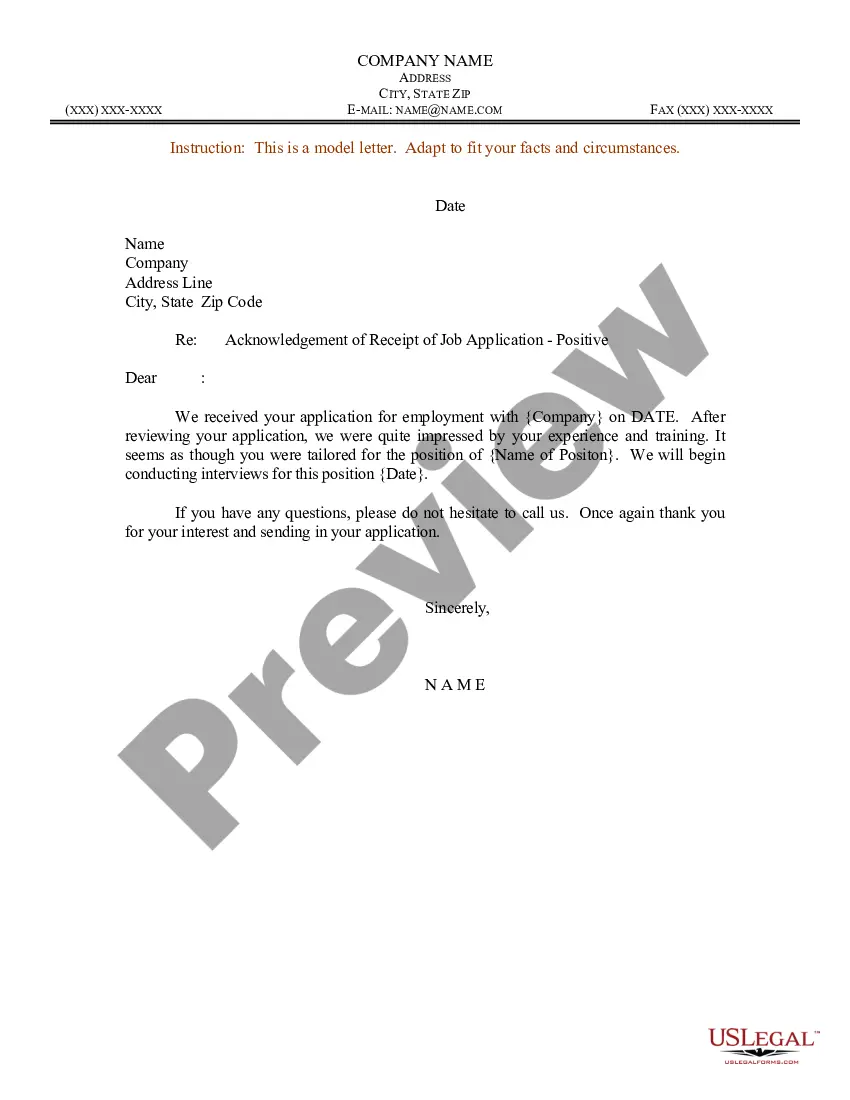
Include the following: a thank-you for the offer, your written acceptance, the terms and conditions of the offer, including the salary and job title, and the starting date. Keep it professional. Follow the hiring manager's lead in terms of tone and format.
A job offer acceptance letter can be fairly brief, but needs to contain the following: An expression of your gratitude for the job offer and the opportunity. Written formal acceptance of the job offer. The terms and conditions (your salary, job title, and any other benefits) Clarification on your starting date.
Overall, there are 3 steps you'll need to take after receiving a contingent job offer letter: Ask questions and clarify expectations. First, ask clarifying questions. Negotiate (if necessary) Like with any other job offer, now is the time to negotiate. Send a written acceptance or rejection.

