Application Job Letter For Teacher In Alameda
Description
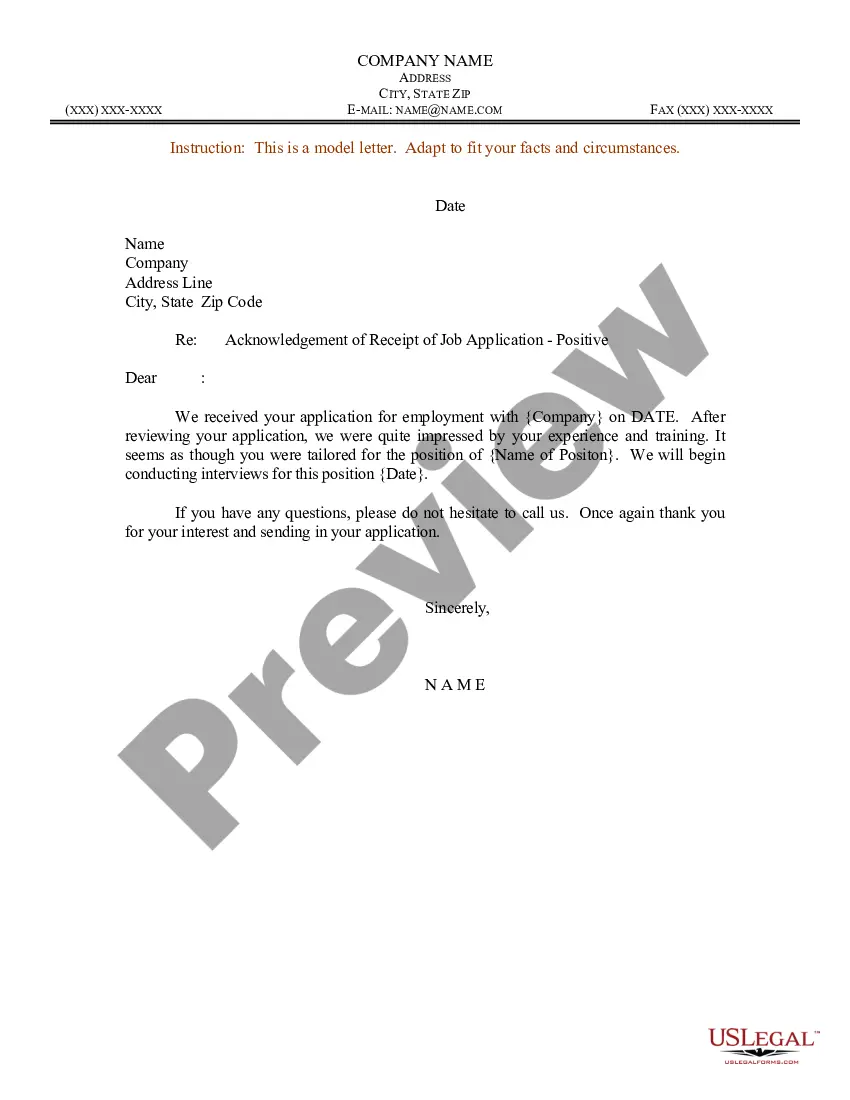


Get your form ready online
Our built-in tools help you complete, sign, share, and store your documents in one place.
Make edits, fill in missing information, and update formatting in US Legal Forms—just like you would in MS Word.
Download a copy, print it, send it by email, or mail it via USPS—whatever works best for your next step.
Sign and collect signatures with our SignNow integration. Send to multiple recipients, set reminders, and more. Go Premium to unlock E-Sign.
If this form requires notarization, complete it online through a secure video call—no need to meet a notary in person or wait for an appointment.
We protect your documents and personal data by following strict security and privacy standards.

Make edits, fill in missing information, and update formatting in US Legal Forms—just like you would in MS Word.

Download a copy, print it, send it by email, or mail it via USPS—whatever works best for your next step.

Sign and collect signatures with our SignNow integration. Send to multiple recipients, set reminders, and more. Go Premium to unlock E-Sign.

If this form requires notarization, complete it online through a secure video call—no need to meet a notary in person or wait for an appointment.

We protect your documents and personal data by following strict security and privacy standards.
Looking for another form?
Form popularity
FAQ
You can include your name, your grade level, and the class you are in. Be specific and concise | Be clear and concise in your letter. Identify the specific reason for your letter and include all the necessary details. Avoid using slang, jargon or abbreviations that the teacher may not be familiar with.
Address it to a specific person. Address your letter of intent to a specific person instead of “To Whom It May Concern” or “Hiring Manager.” ... Open with a summary. Outline your education. Highlight previous work experience. Describe your teaching style and values. Include a polite and optimistic closing.
How To Write A Simple Application Letter For A Teaching Job? Address it to a specific person. Express your interest in the job. Outline your education. Highlight your work experience. Describe your teaching style and values. Include a positive and optimistic closing.
Teacher cover letter template Dear Recipient's Name, I am writing to express my interest in the Specific Teaching Position at School Name. With Your Education and Credentials, and Years of Experience years of experience in the classroom, I am well-equipped to contribute to your team.
Dear Recipient's Name, I am writing to express my keen interest in joining Company Name in any available position. I am impressed by the company's outstanding reputation and commitment to excellence, and I am confident that my skills and qualifications would make me a valuable asset to your team.
To get a job in teaching, counseling, nursing, or administration, you need at least a bachelor's degree or higher in a relevant subject as well as a state license. For most other positions, you need a high school diploma or GED certificate.
Briefly introduce yourself and your child. Mention your child's name and grade to provide context. Example: My name is (Your Name), and I am the parent of (Child's Name), who is in (Grade/Class Name). Clearly explain why you are writing. Be direct but polite. Example:
Express sincere gratitude and appreciation for the teacher's guidance and influence. Specify how they helped shape you into a better person. Provide specific examples of lessons, advice, or experiences the teacher facilitated that stayed with you and contributed to your personal growth.
Starting Your Letter Choose a card or paper that you think your teacher will like. Write your name and the date in the upper right corner. Start your letter with “Dear” followed by your teacher's name. Write a comma after your teacher's name, then skip a line.
Salutation : Start with a polite greeting. Introduction : Introduce yourself if necessary and state the purpose of your letter. Body : Share your thoughts, experiences, or compliments. Compliments : Include specific compliments about your teacher's teaching style, personality, or impact. Conclusion Closing

