Sample Management Contract With Penalty Clause Philippines In Santa Clara
Description









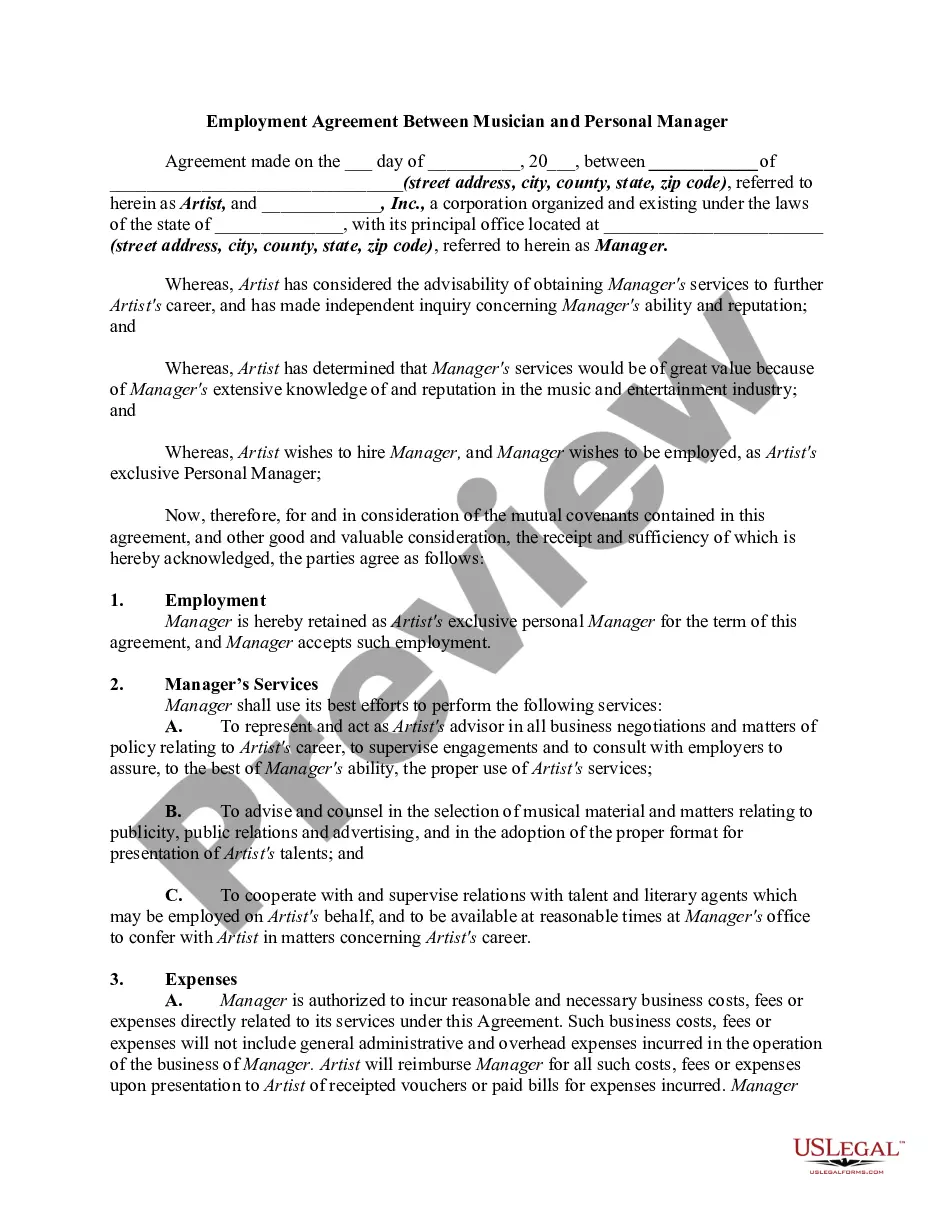
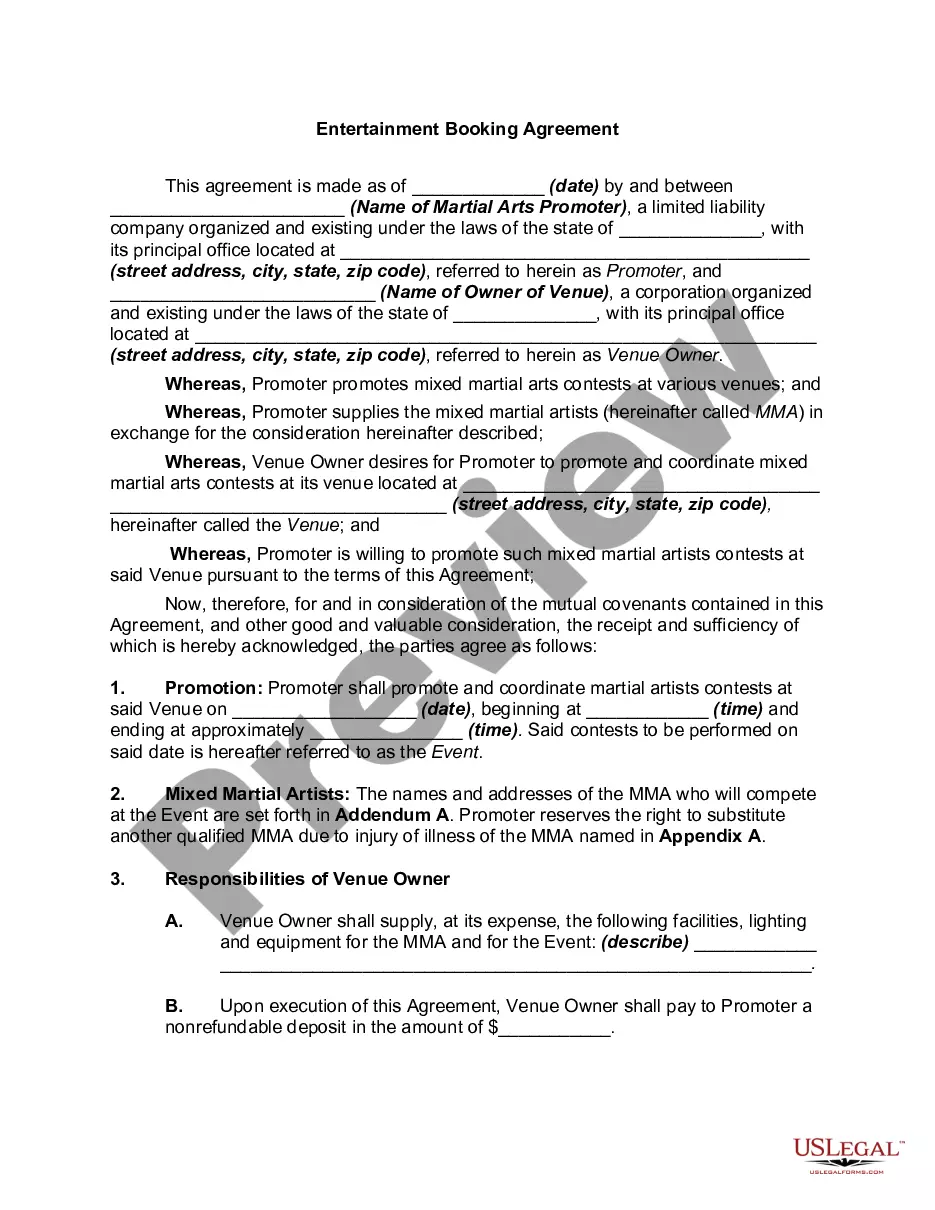
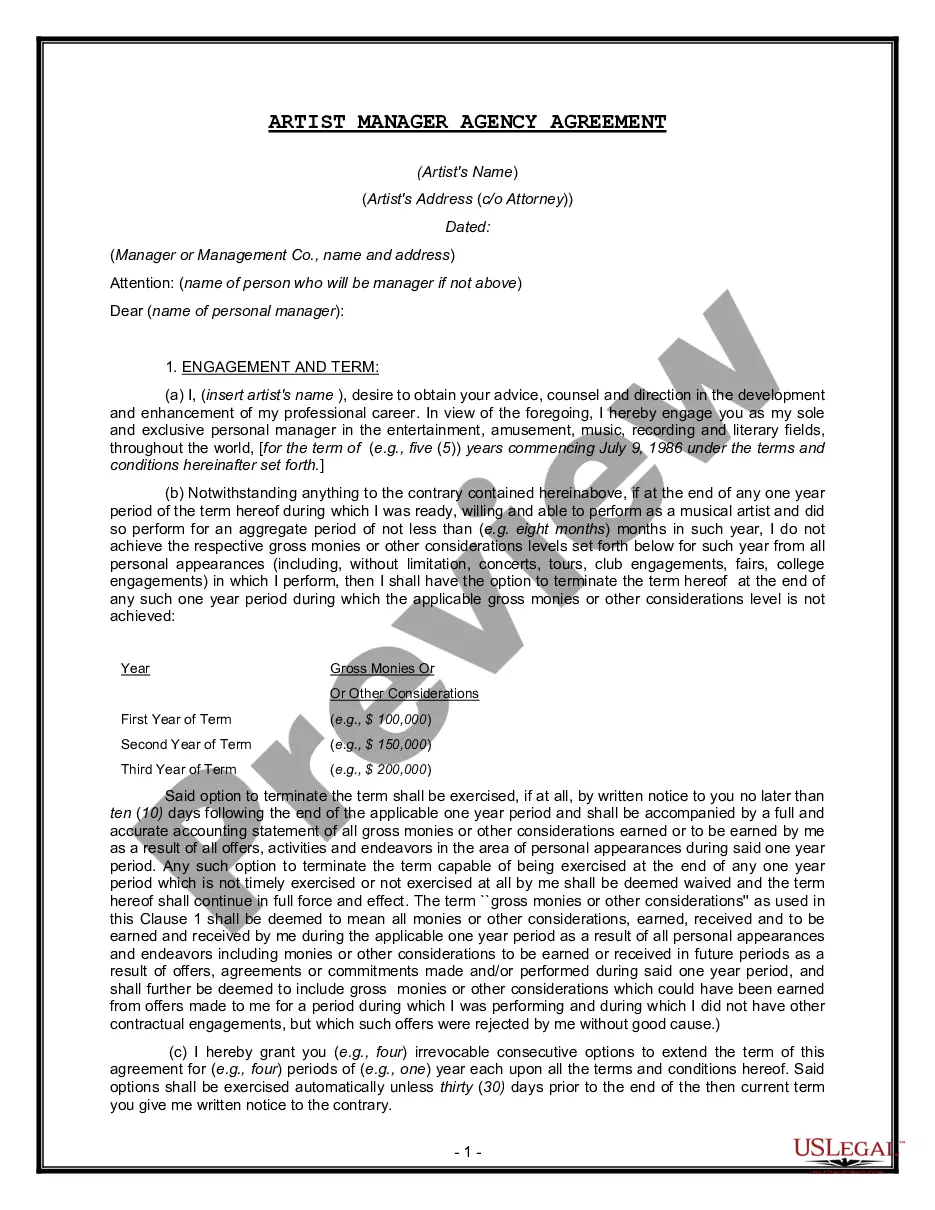
Get your form ready online
Our built-in tools help you complete, sign, share, and store your documents in one place.
Make edits, fill in missing information, and update formatting in US Legal Forms—just like you would in MS Word.
Download a copy, print it, send it by email, or mail it via USPS—whatever works best for your next step.
Sign and collect signatures with our SignNow integration. Send to multiple recipients, set reminders, and more. Go Premium to unlock E-Sign.
If this form requires notarization, complete it online through a secure video call—no need to meet a notary in person or wait for an appointment.
We protect your documents and personal data by following strict security and privacy standards.

Make edits, fill in missing information, and update formatting in US Legal Forms—just like you would in MS Word.

Download a copy, print it, send it by email, or mail it via USPS—whatever works best for your next step.

Sign and collect signatures with our SignNow integration. Send to multiple recipients, set reminders, and more. Go Premium to unlock E-Sign.

If this form requires notarization, complete it online through a secure video call—no need to meet a notary in person or wait for an appointment.

We protect your documents and personal data by following strict security and privacy standards.
Looking for another form?





Form popularity
FAQ
Generally, any clause included within a commercial contract which is included for the sole purpose of punishing a breaching party is deemed a 'penalty,' and is consequently unenforceable in law to the extent that it extends beyond the actual loss sustained as a result of the breach.
Contract clauses which have the effect of placing the non-breaching party in a better position than if the contract were fully performed are presumptively unenforceable because they amount to penalties; the goal of enforcing contracts is not to penalize, but to prevent loss to the non-breaching party.
These clauses allow parties, at the time of contracting, to agree to their respective damages liability if they later breach. While liquidated damages clauses are generally enforceable, courts do not enforce penalty clauses.
How to Draft an Enforceable Penalty Clause? Make sure there is a legitimate interest that is proportionate to the enforcement of the main obligation by the innocent party. Consider whether the penalty clause has an actual pre-estimation of loss. Avoid making the penalty extravagant or unconscionable.
A penalty clause is a provision in a contract that imposes a monetary or other punishment on a party for failing to fulfill specific terms of the agreement. These clauses are typically designed to deter breach of contract and to encourage parties to perform their obligations as agreed.
Management contracts are legal agreements that enable one company to have control of another business's operations. Business owners often sign these written agreements directly with the management company.
While liquidated damages clauses are generally enforceable, courts do not enforce penalty clauses.
Legal Defenses in Breach of Contract Cases The breaching party may raise the following defenses: Force Majeure: Unforeseeable events beyond their control prevented performance. Fraud or Duress: The contract was entered into under coercion or deceit. Illegality: The contract involved unlawful activities.
As a result, the default remedy available for a breach of contract is monetary damages . Generally, these damages are limited to what is listed in the contract and, unlike damages from tort cases, courts do not award punitive damages for breaches of contract.
