Artist Agreement Form Document Without Comments In San Jose
Description

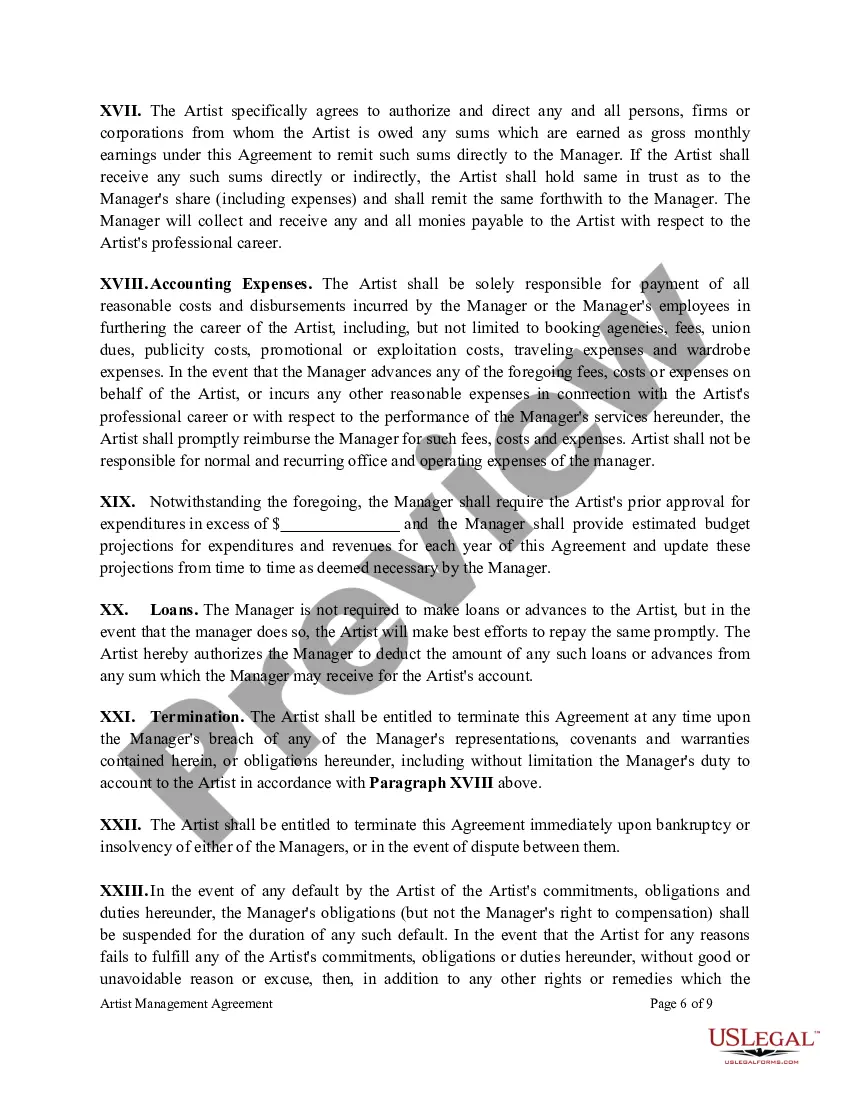
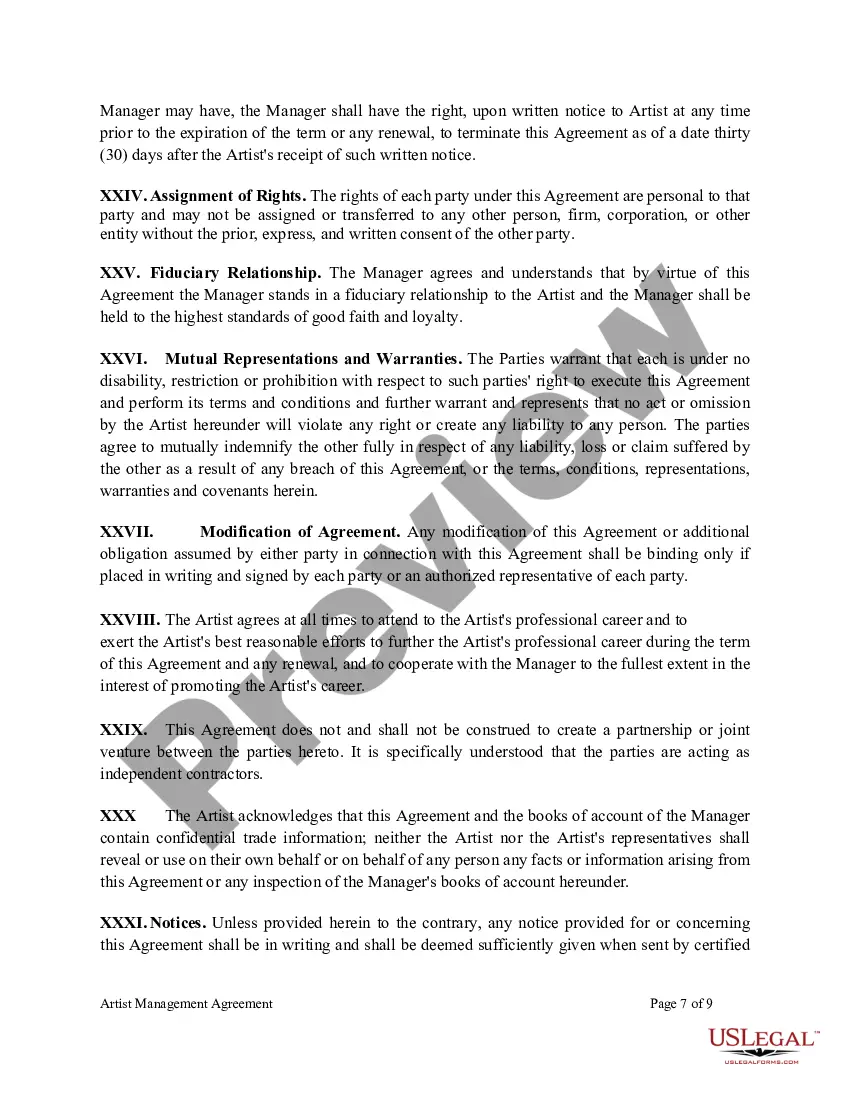
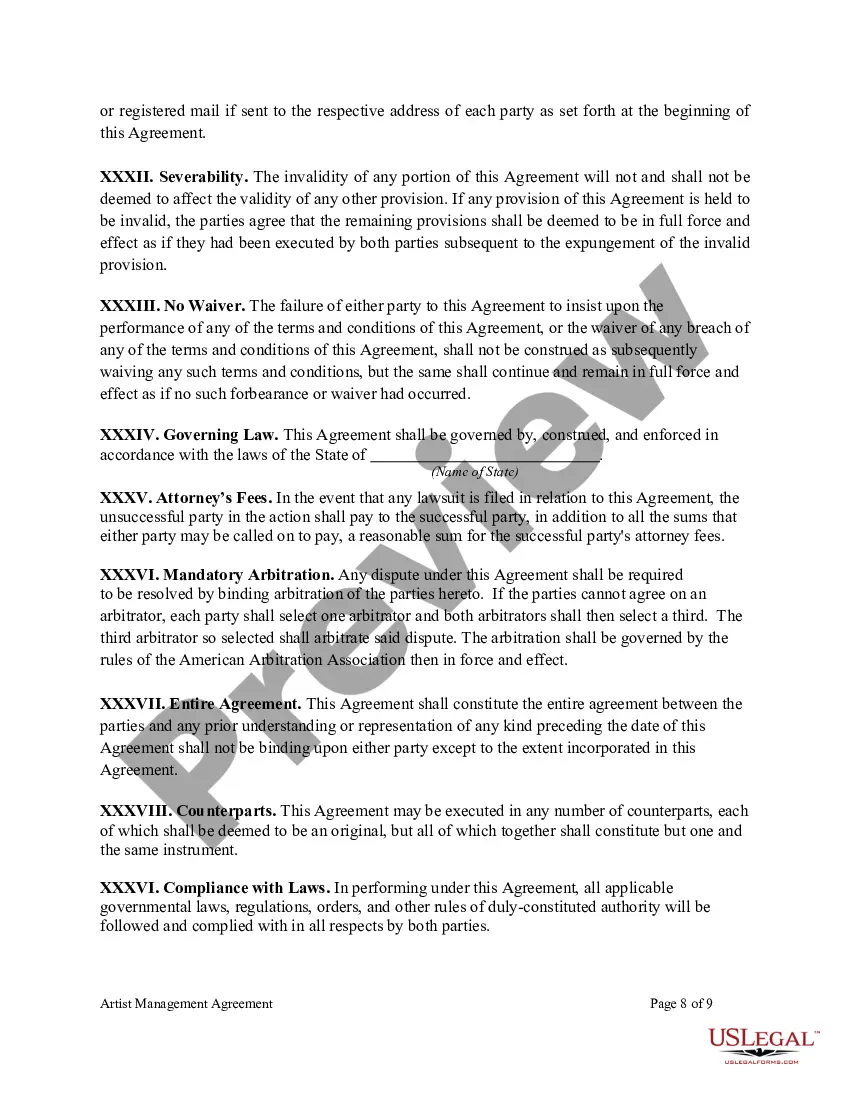
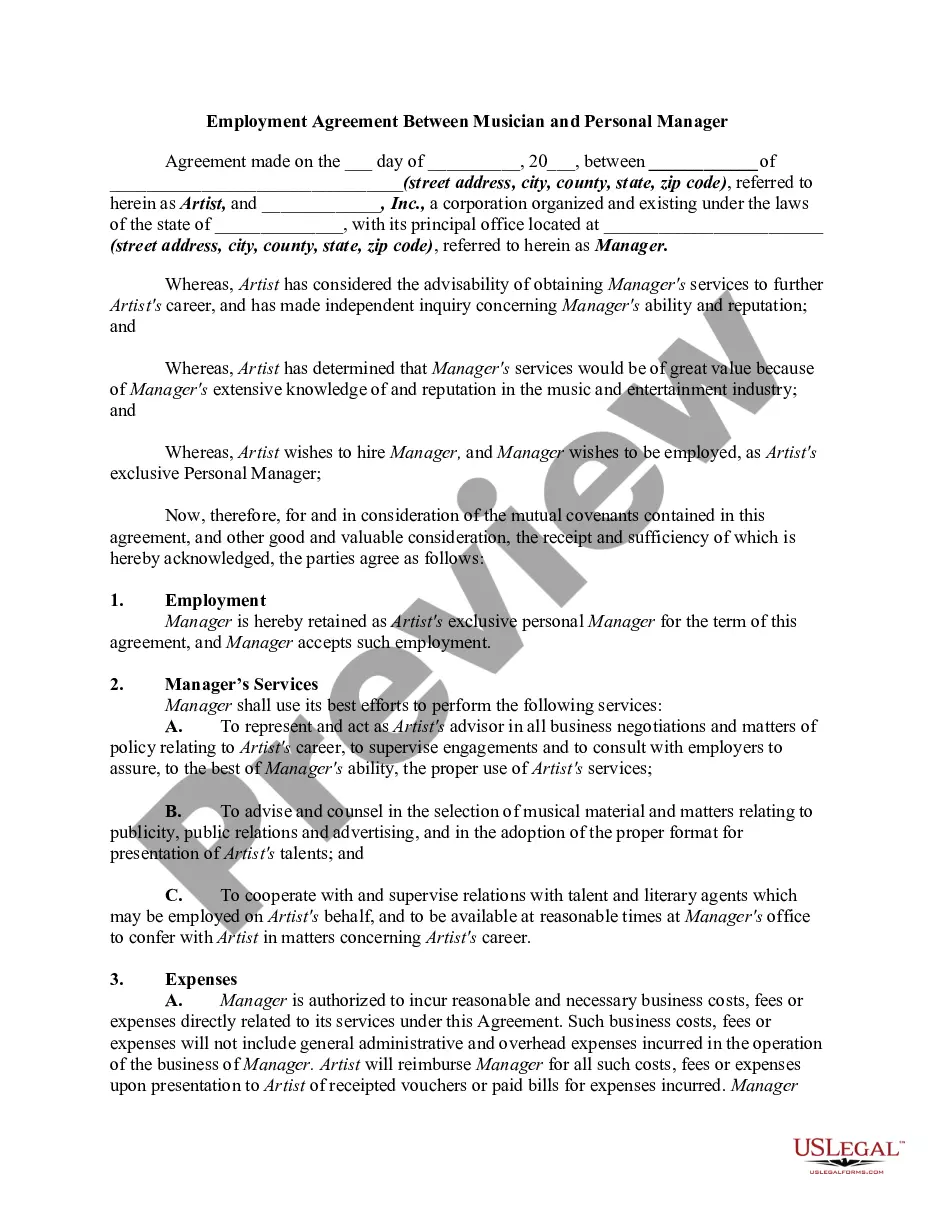
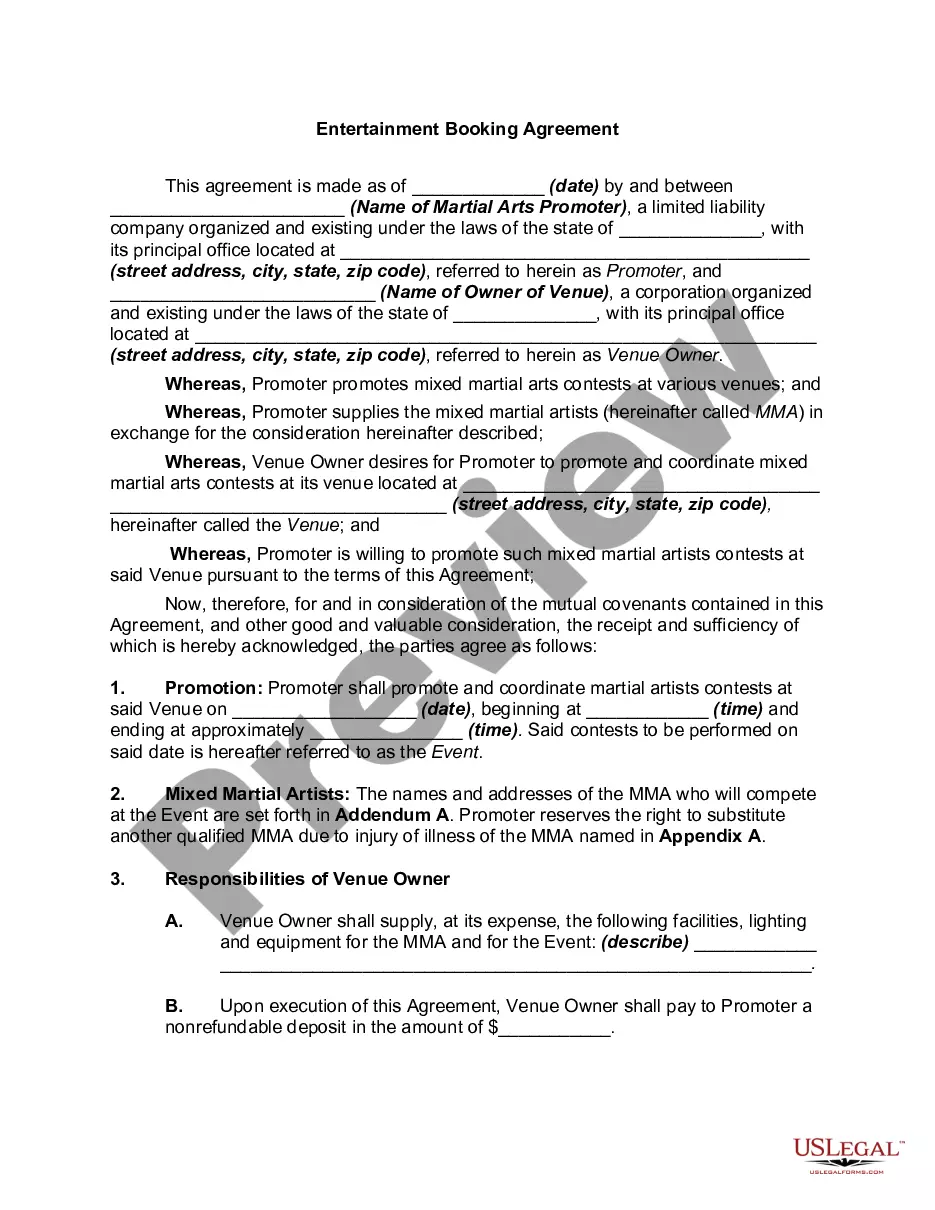
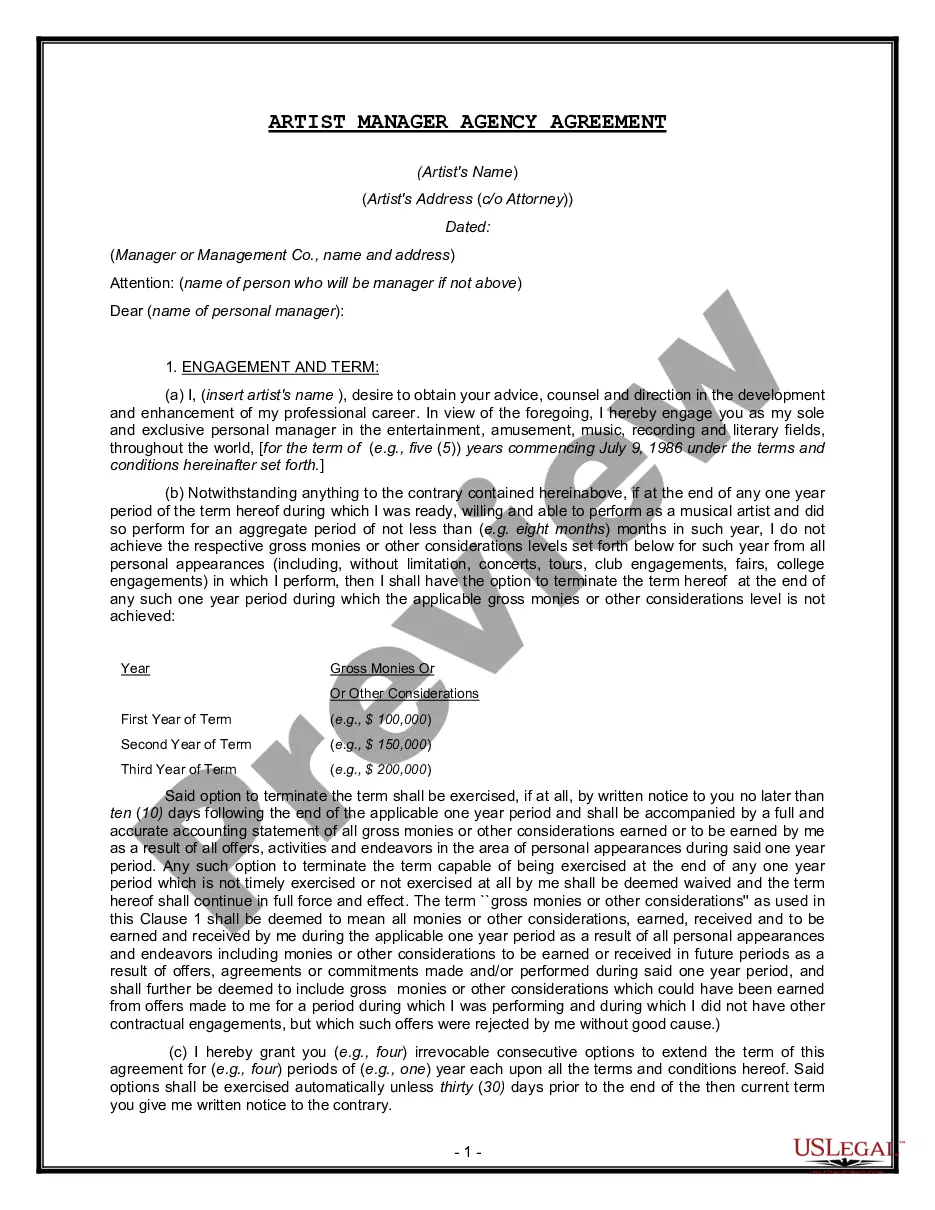
Get your form ready online
Our built-in tools help you complete, sign, share, and store your documents in one place.
Make edits, fill in missing information, and update formatting in US Legal Forms—just like you would in MS Word.
Download a copy, print it, send it by email, or mail it via USPS—whatever works best for your next step.
Sign and collect signatures with our SignNow integration. Send to multiple recipients, set reminders, and more. Go Premium to unlock E-Sign.
If this form requires notarization, complete it online through a secure video call—no need to meet a notary in person or wait for an appointment.
We protect your documents and personal data by following strict security and privacy standards.

Make edits, fill in missing information, and update formatting in US Legal Forms—just like you would in MS Word.

Download a copy, print it, send it by email, or mail it via USPS—whatever works best for your next step.

Sign and collect signatures with our SignNow integration. Send to multiple recipients, set reminders, and more. Go Premium to unlock E-Sign.

If this form requires notarization, complete it online through a secure video call—no need to meet a notary in person or wait for an appointment.

We protect your documents and personal data by following strict security and privacy standards.
Looking for another form?



Form popularity
FAQ
This means that as soon as you complete your painting, sculpture, or digital artwork, it is automatically protected by copyright law. You don't need to register your work to have a copyright, although registration provides additional benefits and is necessary for legal enforcement.
Artist Contract Template ARTIST RESPONSIBILITIES. The organization is hiring the artist to (state specifics of the work, e.g., perform live music) on (dates and location). COMPENSATION. PAYMENTS. RECORDING. EXPENSES. EQUIPMENT AND SERVICES. OTHER TERMS AND CONDITIONS. CANCELLATIONS.
Documentation ensures the longevity of your artwork. By capturing your pieces in high-quality photographs or videos, you create a visual record that can be referenced in the future. This becomes especially important for fragile or temporary art forms like installations or performance art.
Here are a few tips for documenting your works and creating your own archive. Title your works. Even if it is just a number. Date your work. This may not seem very important in the short term. Sign your work. Include a certificate of authenticity for prints and photographs. Keep a photographic record.
To turn your art into physical prints, first digitize your artwork using a high-quality scanner or camera. Edit the digital image for color accuracy and resolution, preferably 300 dpi for fine prints. Then, choose a reliable print-on-demand service or a professional printing company to produce the prints.
Artwork labels indicate the title, the artist, the date, and often the location. Some labels will also include background information, which could be about the piece itself, about the artist, or a combination of both.
To help you get started, take a look at a few basic components to include in your contract so you can better protect your art business. Client Info. Project Info and Terms. Project Timeline. Costs and Payment Terms. Itemization. Artist's Rights. Cancellation Terms. Acceptance of Agreement.
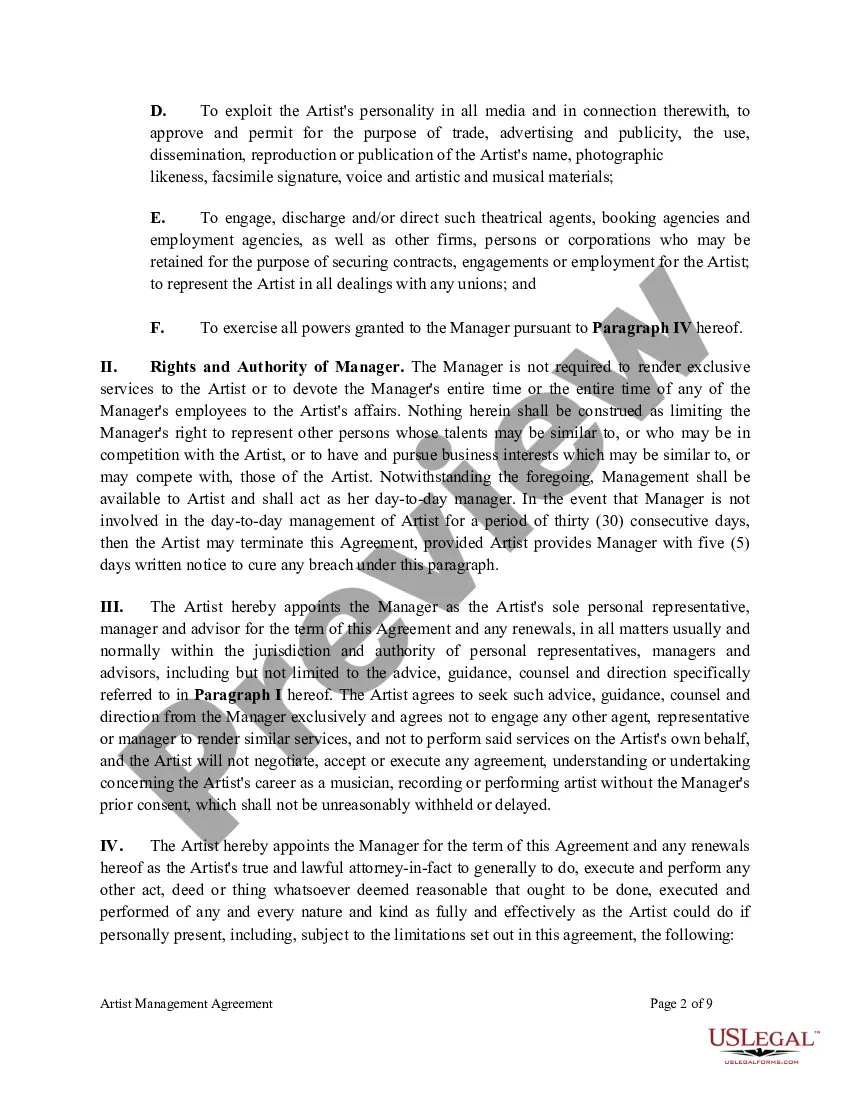
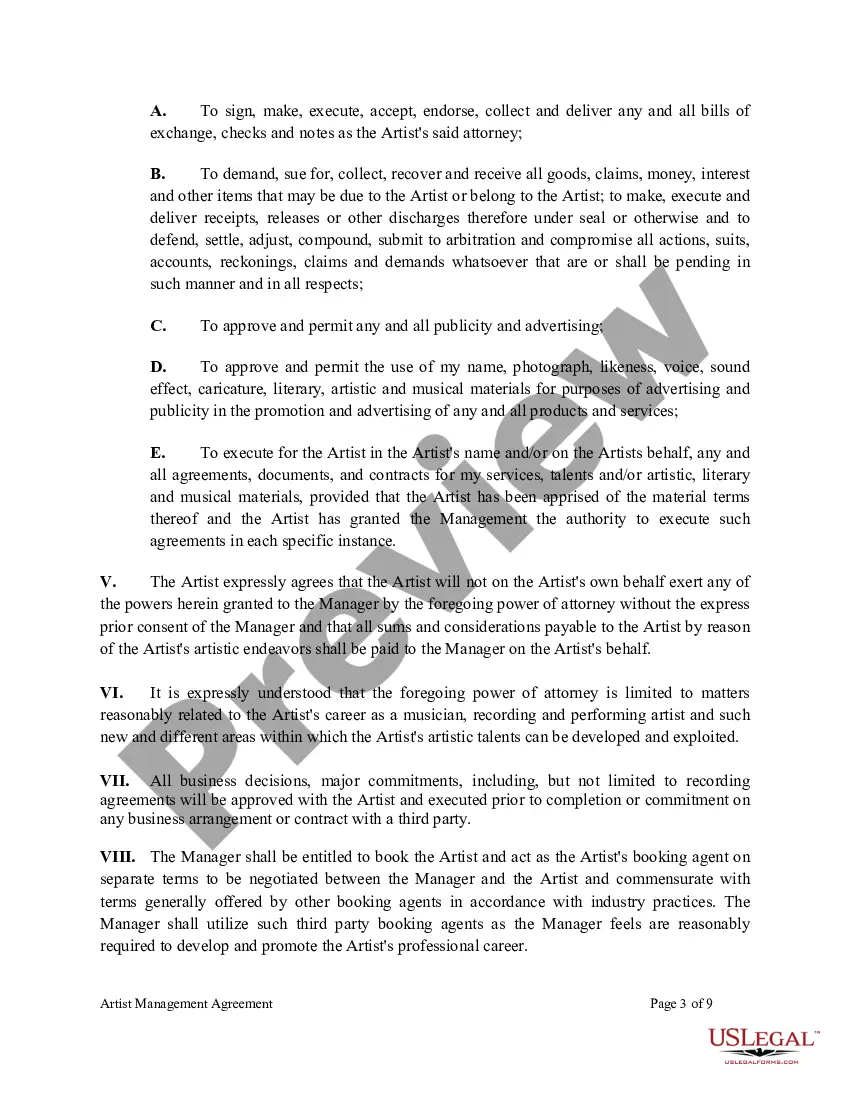
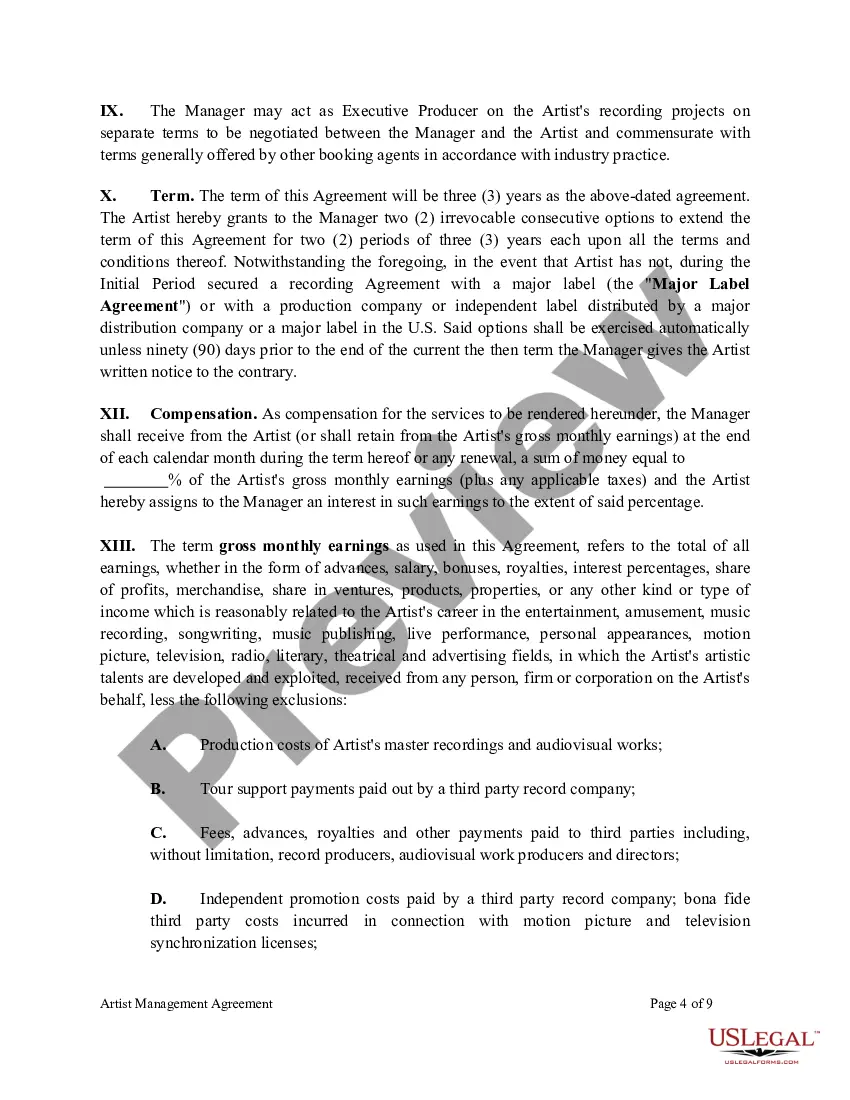
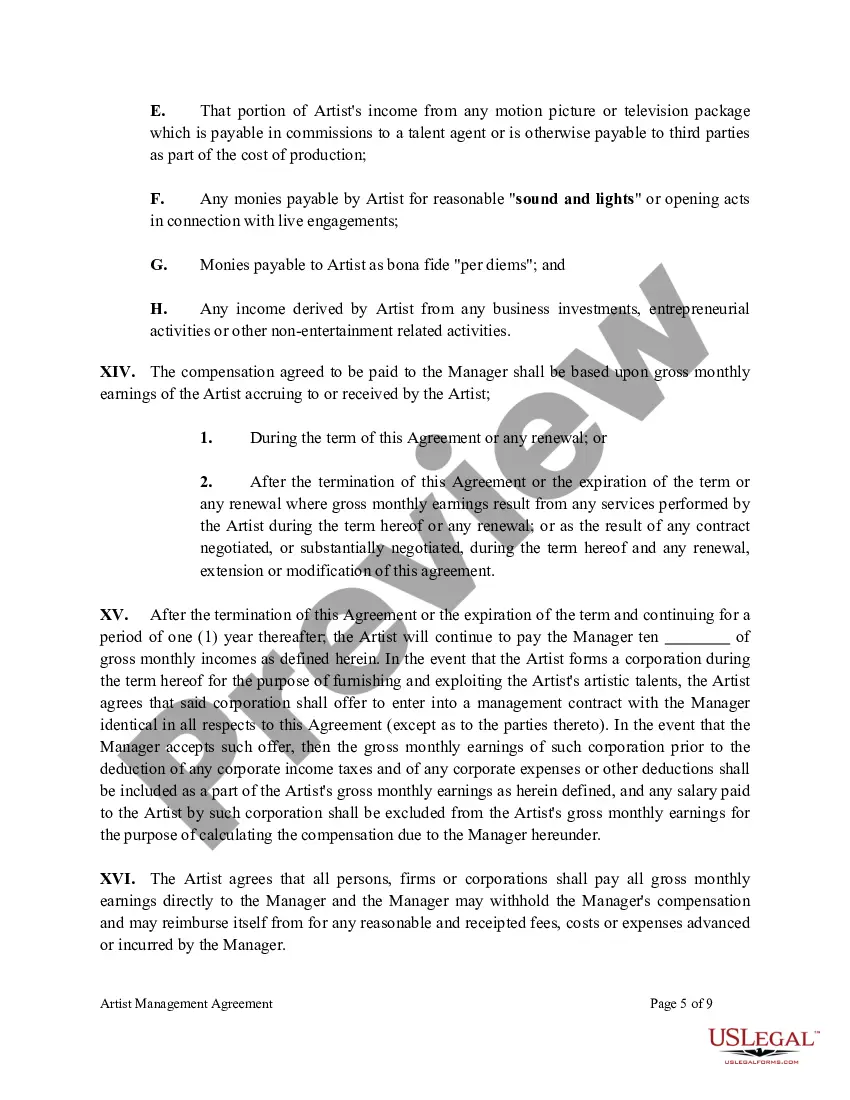
Artist contracts usually include details regarding payment terms, compensation rates, royalties, and commissions. A contract also protects the intellectual property of the artist and may include rights to license, use, and exhibit the artwork or performance created.
Contracts like an artist agreement help avoid miscommunications and confusion over the rights and responsibilities of both parties involved. Artist agreements typically include availability expectations, performance markers, and licensing or ownership rights of the works created during the partnership.
