Sample Management Contract With Supplier In San Bernardino
Description










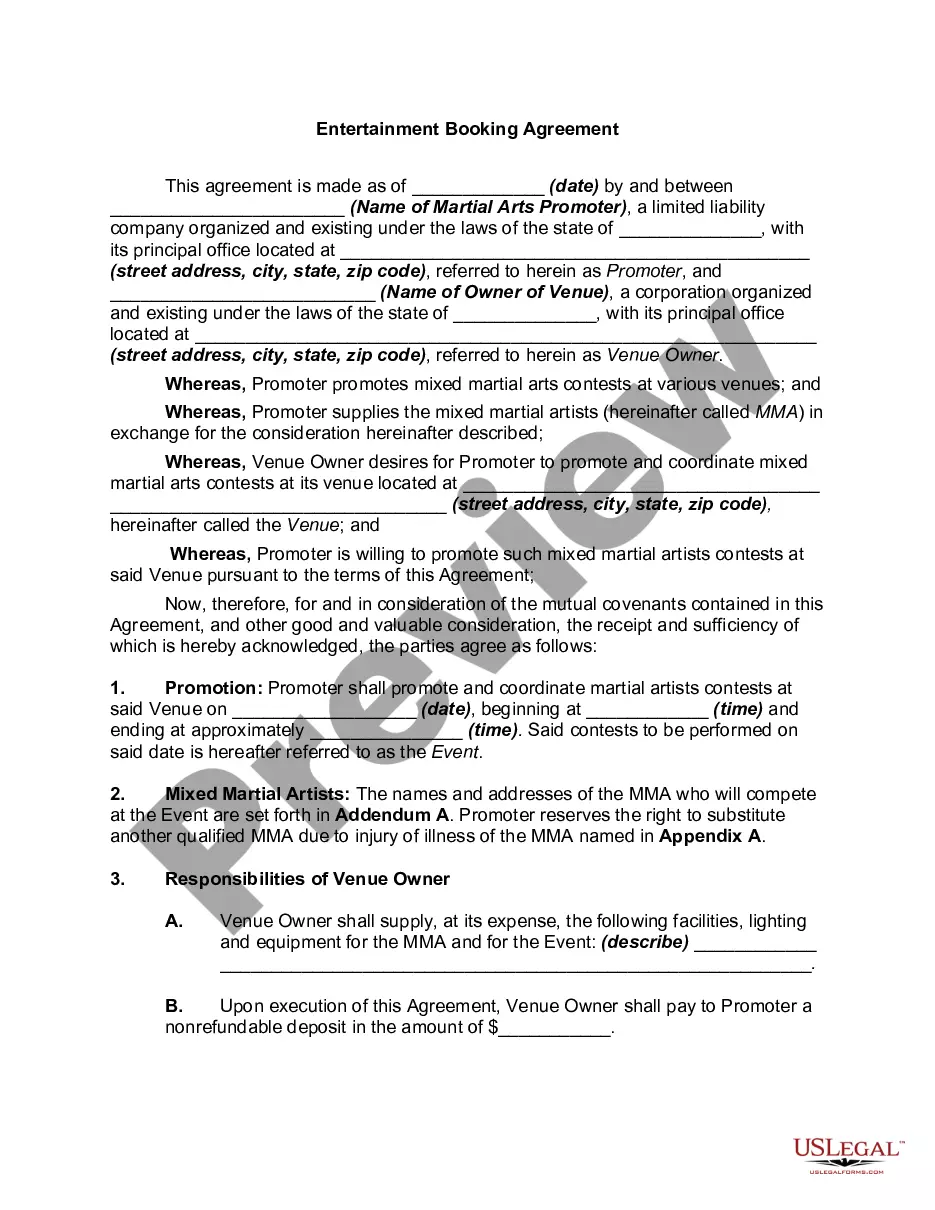
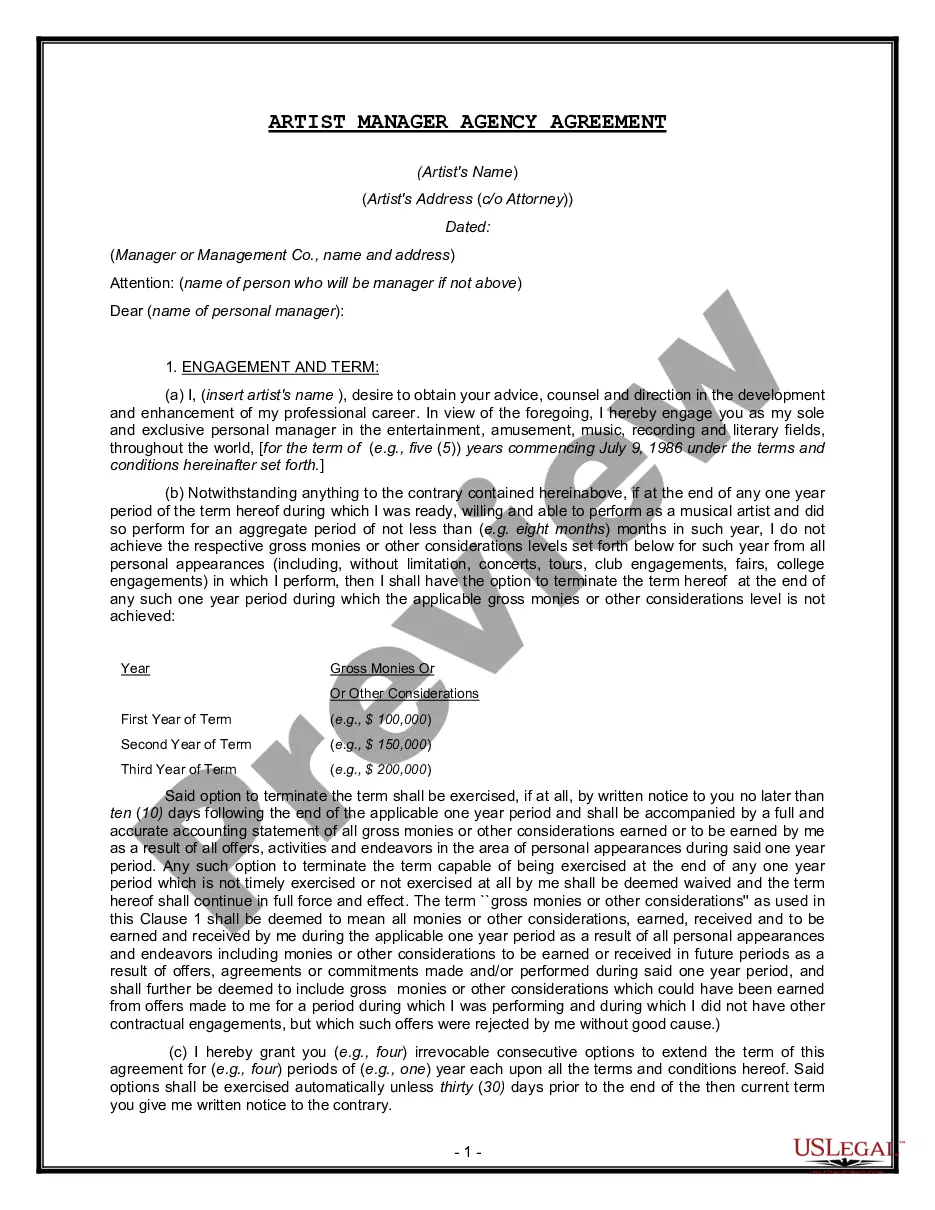
Get your form ready online
Our built-in tools help you complete, sign, share, and store your documents in one place.
Make edits, fill in missing information, and update formatting in US Legal Forms—just like you would in MS Word.
Download a copy, print it, send it by email, or mail it via USPS—whatever works best for your next step.
Sign and collect signatures with our SignNow integration. Send to multiple recipients, set reminders, and more. Go Premium to unlock E-Sign.
If this form requires notarization, complete it online through a secure video call—no need to meet a notary in person or wait for an appointment.
We protect your documents and personal data by following strict security and privacy standards.

Make edits, fill in missing information, and update formatting in US Legal Forms—just like you would in MS Word.

Download a copy, print it, send it by email, or mail it via USPS—whatever works best for your next step.

Sign and collect signatures with our SignNow integration. Send to multiple recipients, set reminders, and more. Go Premium to unlock E-Sign.

If this form requires notarization, complete it online through a secure video call—no need to meet a notary in person or wait for an appointment.

We protect your documents and personal data by following strict security and privacy standards.
Looking for another form?







Form popularity
FAQ
Preamble- The first paragraph of the contract.
Vendor management requires a commitment to continuous improvement, with a focus on maintaining strong relationships and ensuring that vendors continue to meet expectations. In contrast, contract management is more time-bound, with a focus on the specific duration of the contract.
The stages of contract management can be broken down into pre-signature (creation, negotiation/collaboration, and review/approval) and post-signature (administration/execution, renewal/termination, and reporting/tracking).
Contract management is the process of creating, implementing, and reviewing contracts. Whether this is between a business and supplier, or partner, contract management is an essential part of your business.
Contract Management: Contract management primarily focuses on the post-award phase of a contract. It involves activities such as tracking contract performance, ensuring compliance, and managing changes or amendments after the contract has been executed.
A business management agreement formalizes the working relationship between a business and its manager. The contract will include information such as budgeting, the percentage of business revenue owed to the manager, and confidentiality requirements.
Contract Management is the process of managing contracts, deliverables, deadlines, contract terms and conditions while ensuring customer satisfaction. Public and private organizations know that purchasing does not end when the contract is awarded.
Summary. The purpose of Supplier Agreement Management (SAM) (CMMI-DEV) is to manage the acquisition of products and services from suppliers.
Contract management is a systematic process of managing contracts to minimize operational and functional risks and optimize vendor performance. It involves contract creation, execution, and analysis. Depending on the business operations, it also consists of termination of contracts.
