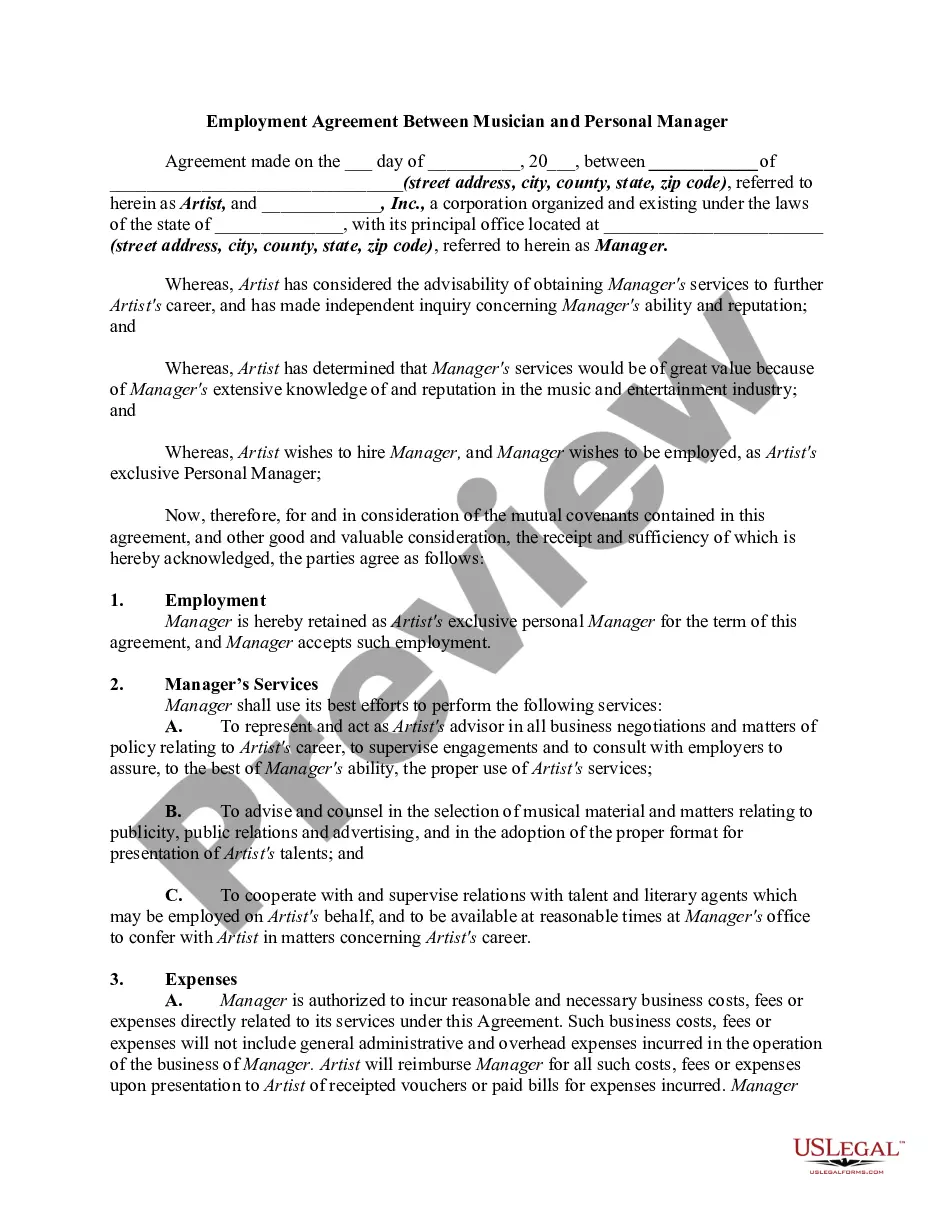
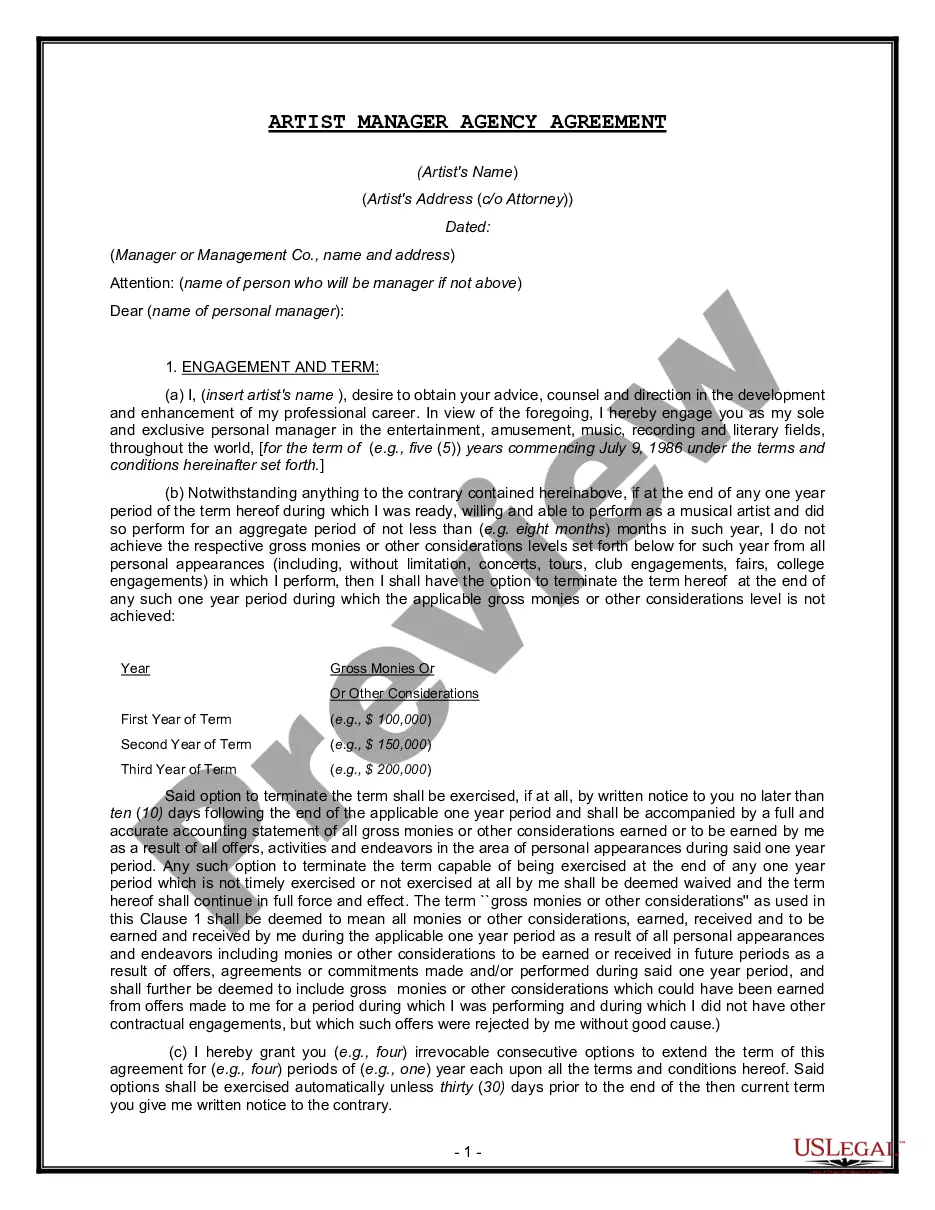
Manager Contract For Music Artist With No Experience In Riverside
Description

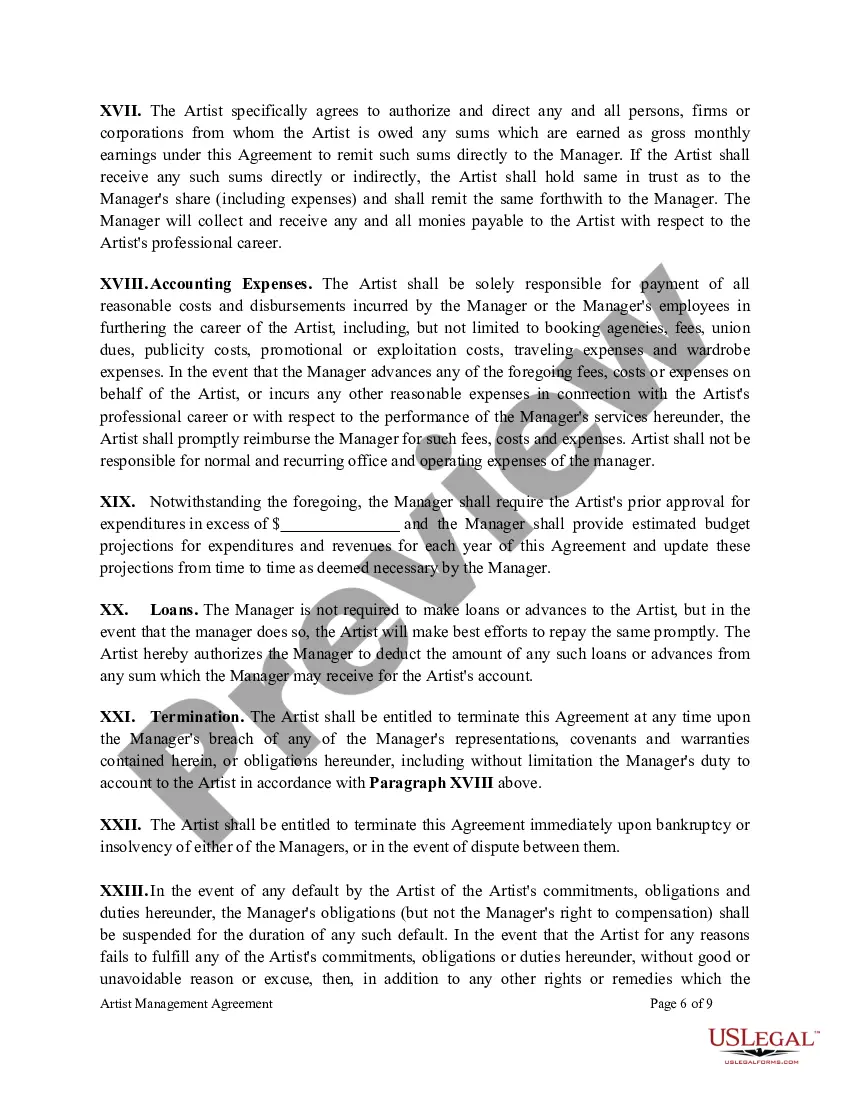
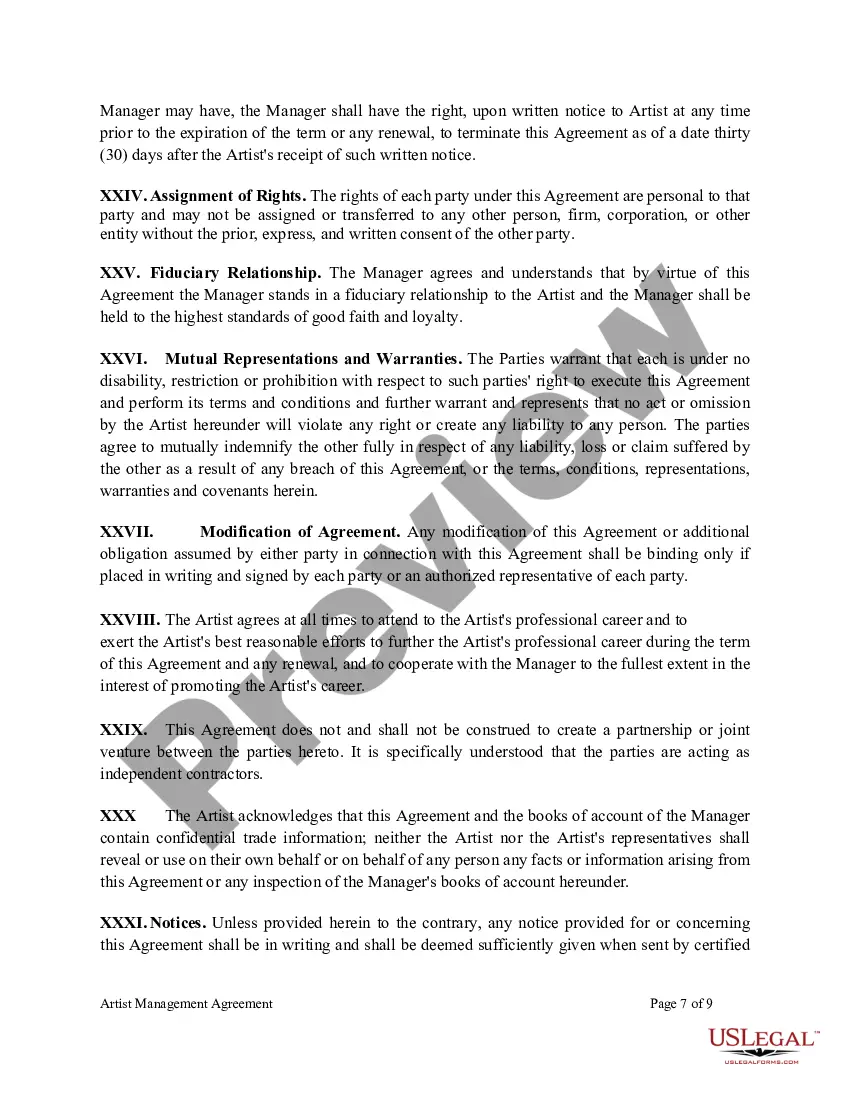
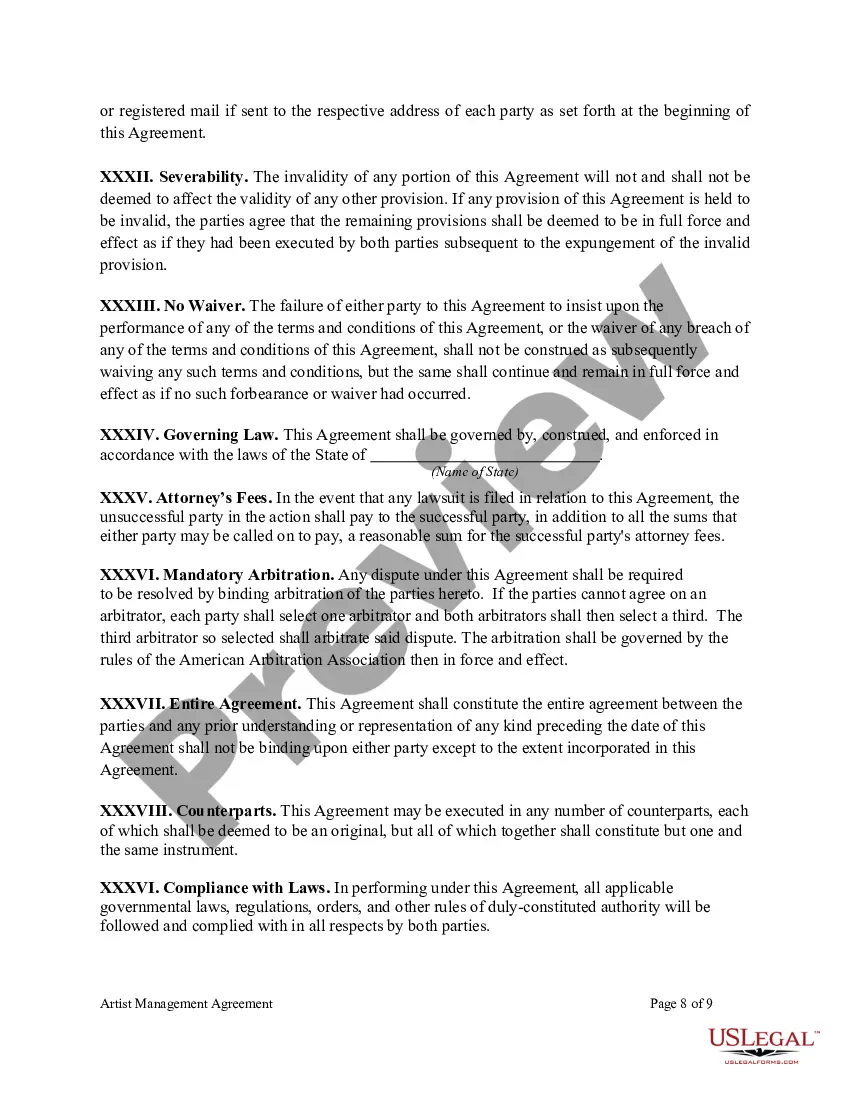
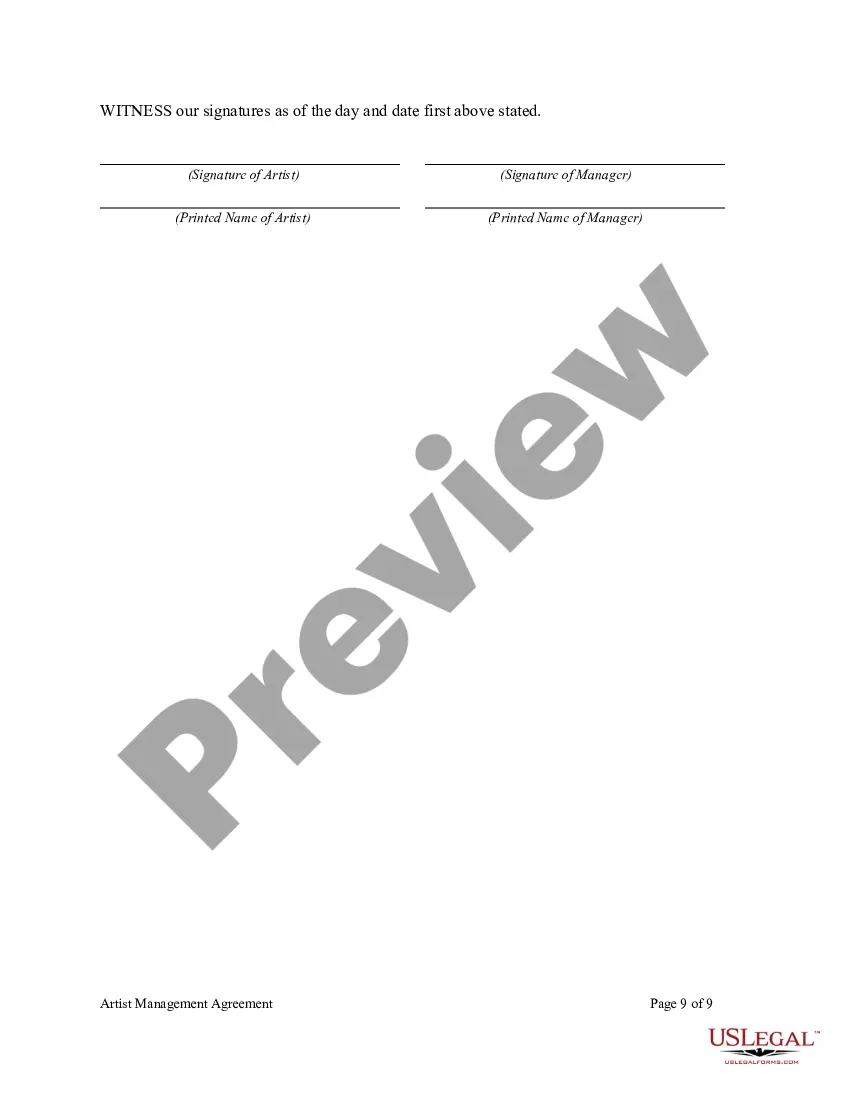
Get your form ready online
Our built-in tools help you complete, sign, share, and store your documents in one place.
Make edits, fill in missing information, and update formatting in US Legal Forms—just like you would in MS Word.
Download a copy, print it, send it by email, or mail it via USPS—whatever works best for your next step.
Sign and collect signatures with our SignNow integration. Send to multiple recipients, set reminders, and more. Go Premium to unlock E-Sign.
If this form requires notarization, complete it online through a secure video call—no need to meet a notary in person or wait for an appointment.
We protect your documents and personal data by following strict security and privacy standards.

Make edits, fill in missing information, and update formatting in US Legal Forms—just like you would in MS Word.

Download a copy, print it, send it by email, or mail it via USPS—whatever works best for your next step.

Sign and collect signatures with our SignNow integration. Send to multiple recipients, set reminders, and more. Go Premium to unlock E-Sign.

If this form requires notarization, complete it online through a secure video call—no need to meet a notary in person or wait for an appointment.

We protect your documents and personal data by following strict security and privacy standards.
Looking for another form?




Form popularity
FAQ
Start with Demos: Record a few demo tracks to showcase your style. Distribute Your Music: Use platforms like DistroKid or TuneCore to get your music on streaming services like Spotify, Apple Music, etc. Local Gigs: Start by playing at open mics, local venues, or community events to gain experience.
Consider an internship or entry-level job. Look for internships at record labels, music studios, radio stations, or music management companies to gain hands-on experience. Entry-level roles like artist assistant or music promoter can also provide a foot in the door. Leverage social media and online platforms.
Consider an internship or entry-level job. Look for internships at record labels, music studios, radio stations, or music management companies to gain hands-on experience. Entry-level roles like artist assistant or music promoter can also provide a foot in the door. Leverage social media and online platforms.
Develop an online presence with a website and social media profiles. Upload your music to platforms like SoundCloud, Bandcamp, or Spotify. Attend industry events, concerts, and open mics to meet other musicians and industry professionals. Join music-related organizations or local music groups.
9 jobs in the music industry that don't require a degree Recording studio intern. Singer. Music manager. Musician. Disc jockey. Freelance writer. Instrument technician. Music teacher.
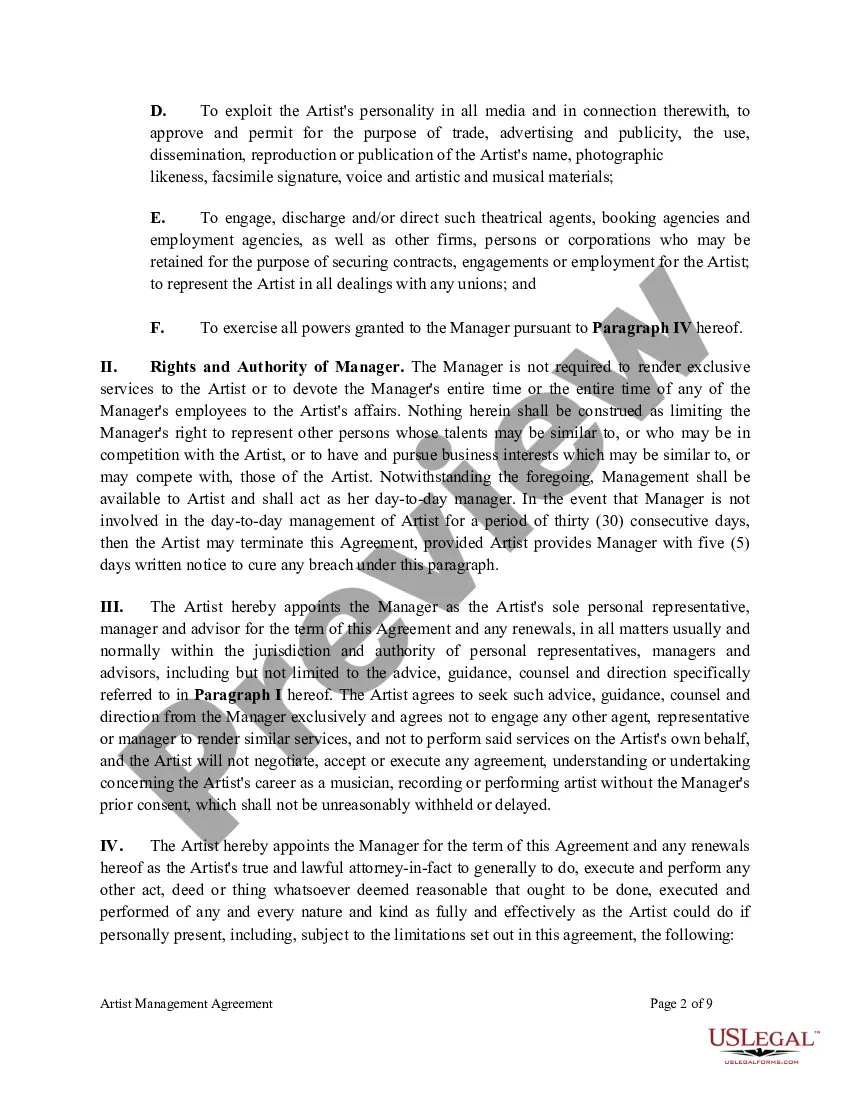
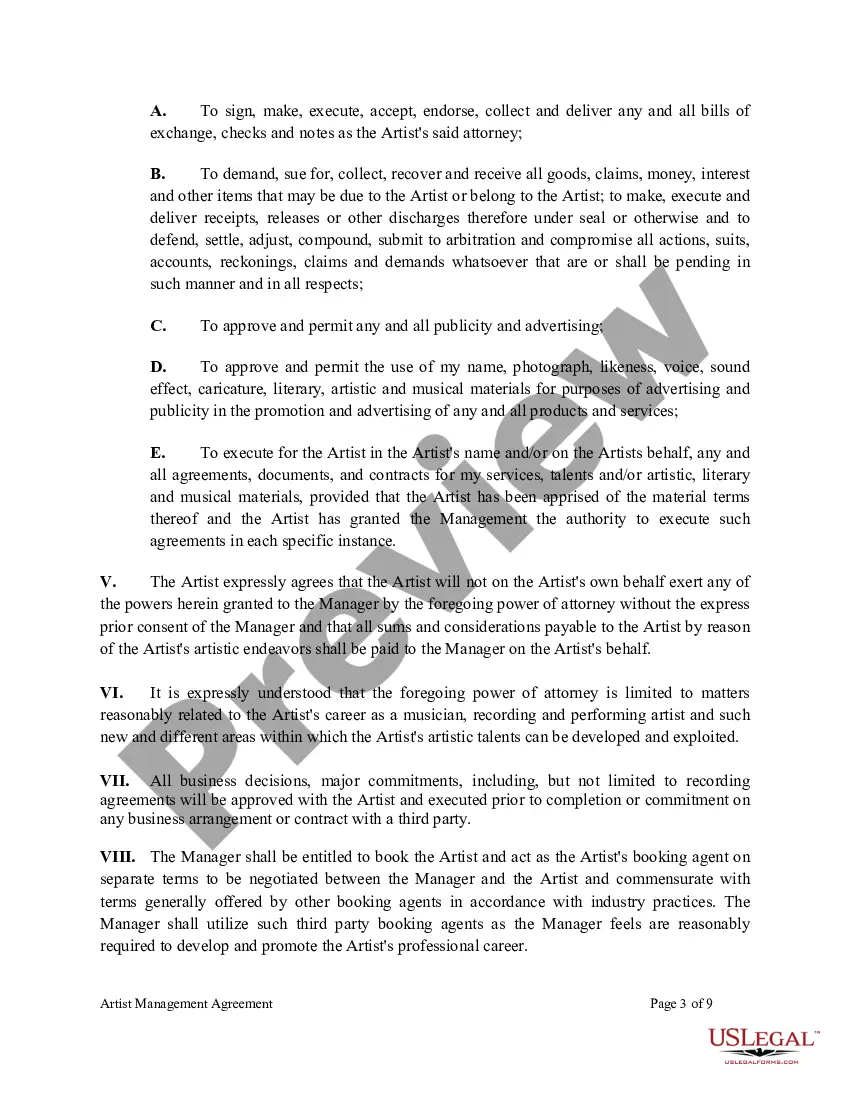
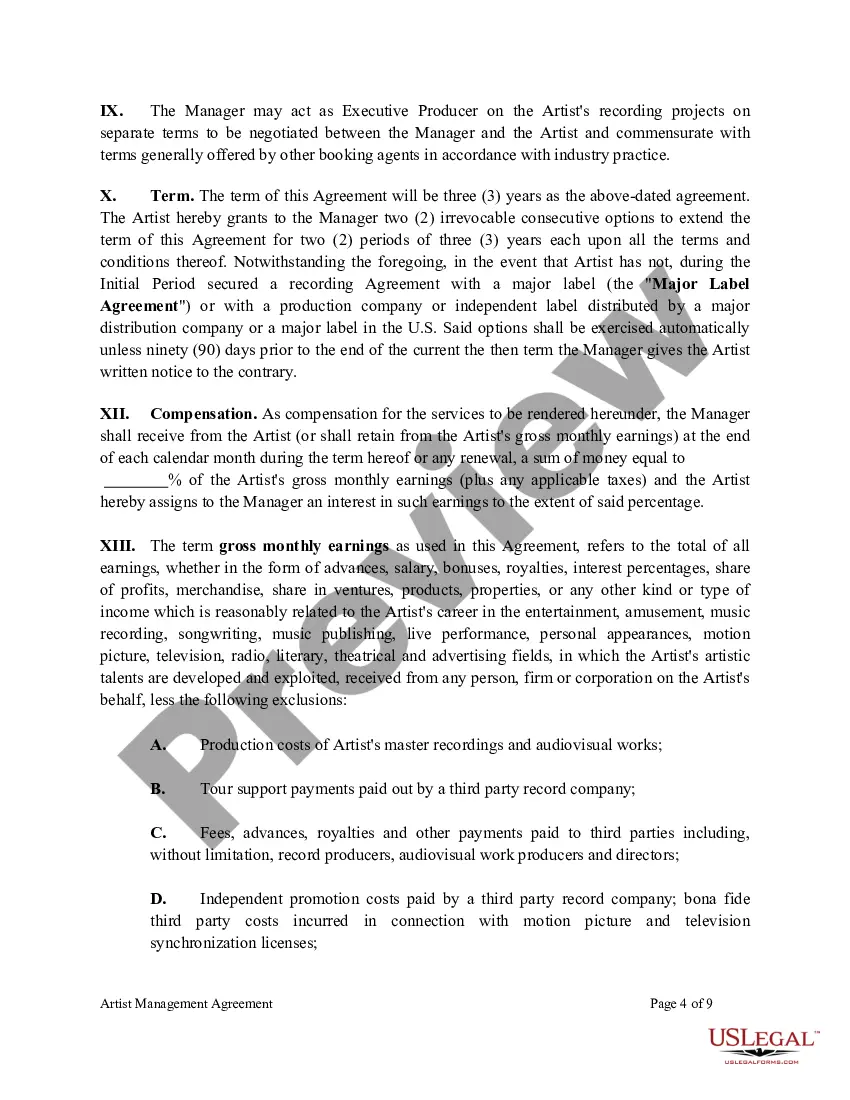
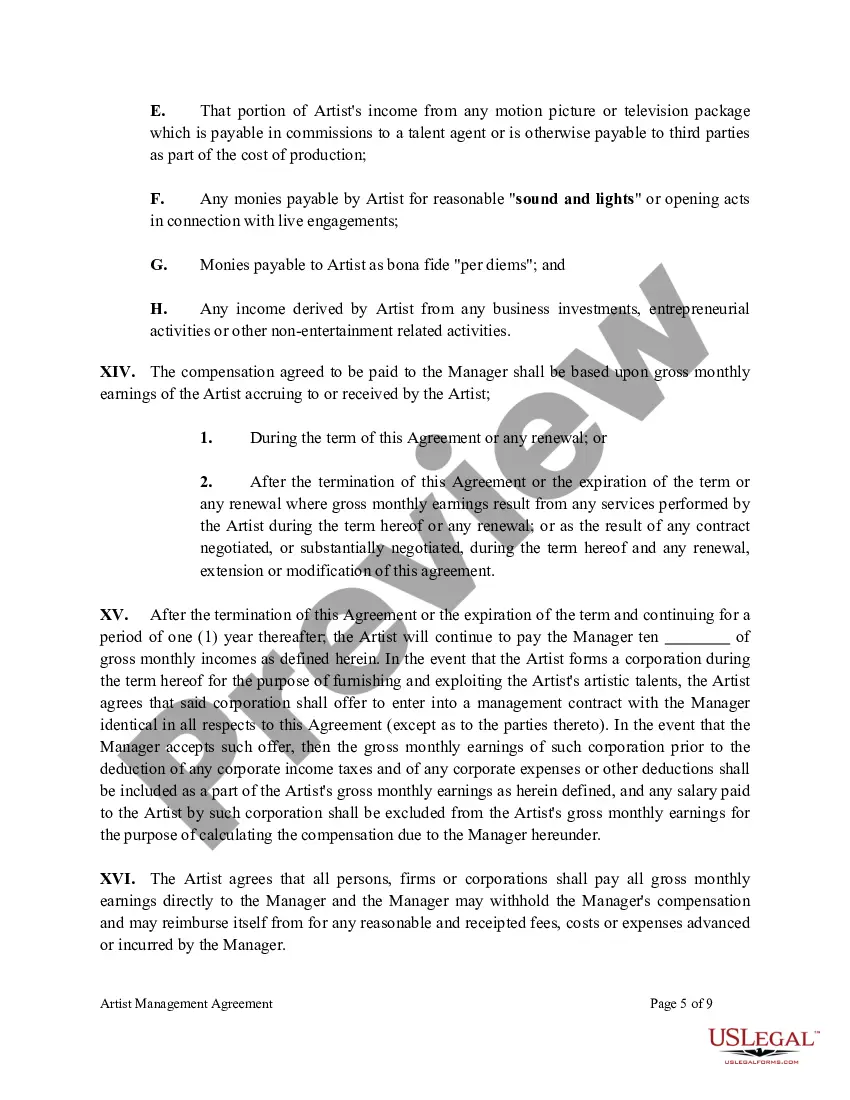
Managers typically receive 15% to 20% of the artist's gross earnings (before any expenses are deducted), but this figure can vary from contract to contract. For example, a manager might start at 20% and decrease his or her cut to 15% after a period of time or once the artist achieves a certain level in their career.
One way to gain valuable experience in artist management is by interning or working with established artist management companies. This will allow you to learn from experienced professionals and gain insights into all aspects of artist management, from booking shows to negotiating contracts.
Look for Managers with Experience: Find managers who have a track record of working with artists in your genre. Check References: Seek recommendations from other artists or industry contacts. Review Their Roster: Look at the artists they currently manage to see if they align with your style and goals.
As a general rule, managers take a percentage of all income generated by the artist in exchange for their management services. Commission rates typically range from 15-25% of the artist's gross income from: Recording royalties: Sales, streaming and licensing of recorded music.
A Music Recording Contract is a legal agreement between a music recording company and an artist or group that creates music. Recording companies use the contract to outline the terms for creating recorded music with the artist. Your Music Recording Contract should cover details like: Compensation and royalties.
