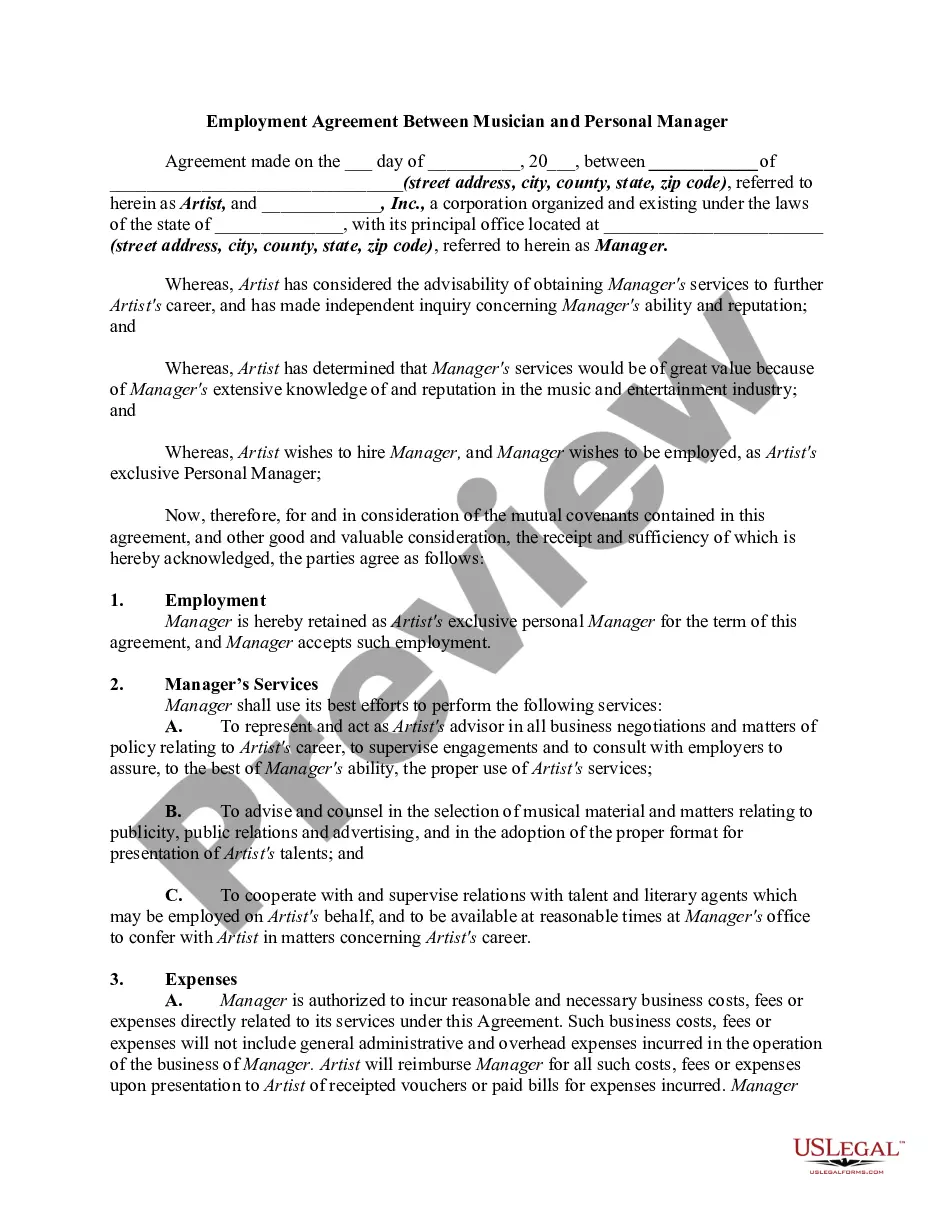
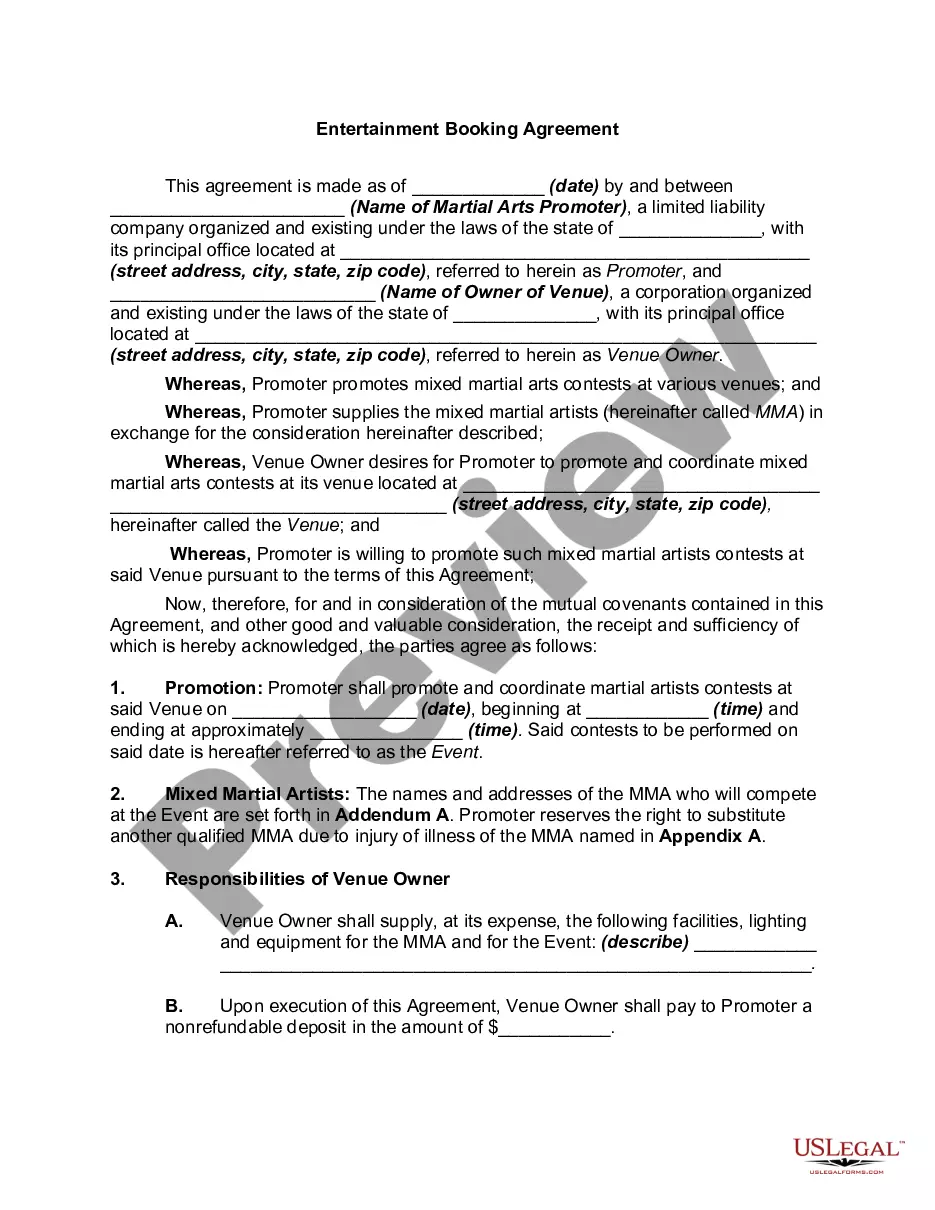
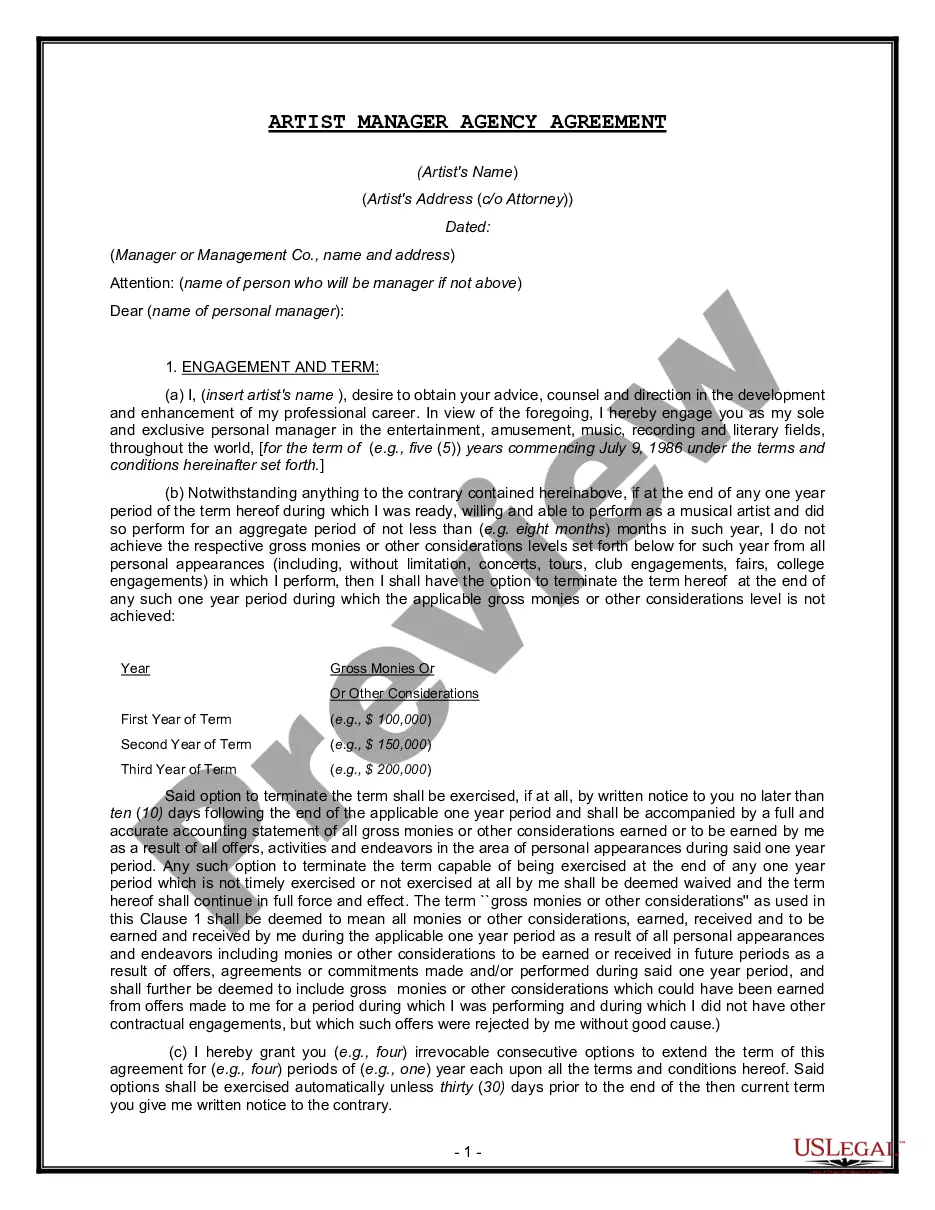
Talent Management Contract For The Twenty-first Century In Queens
Description

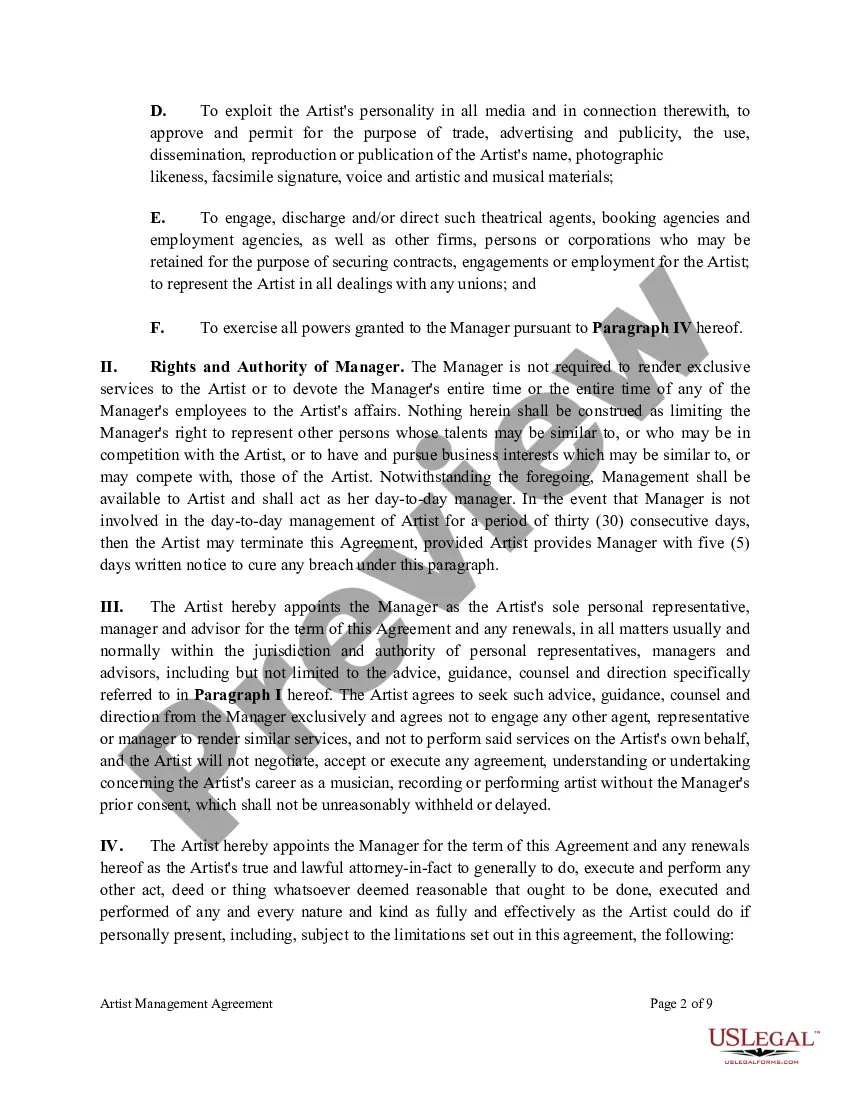
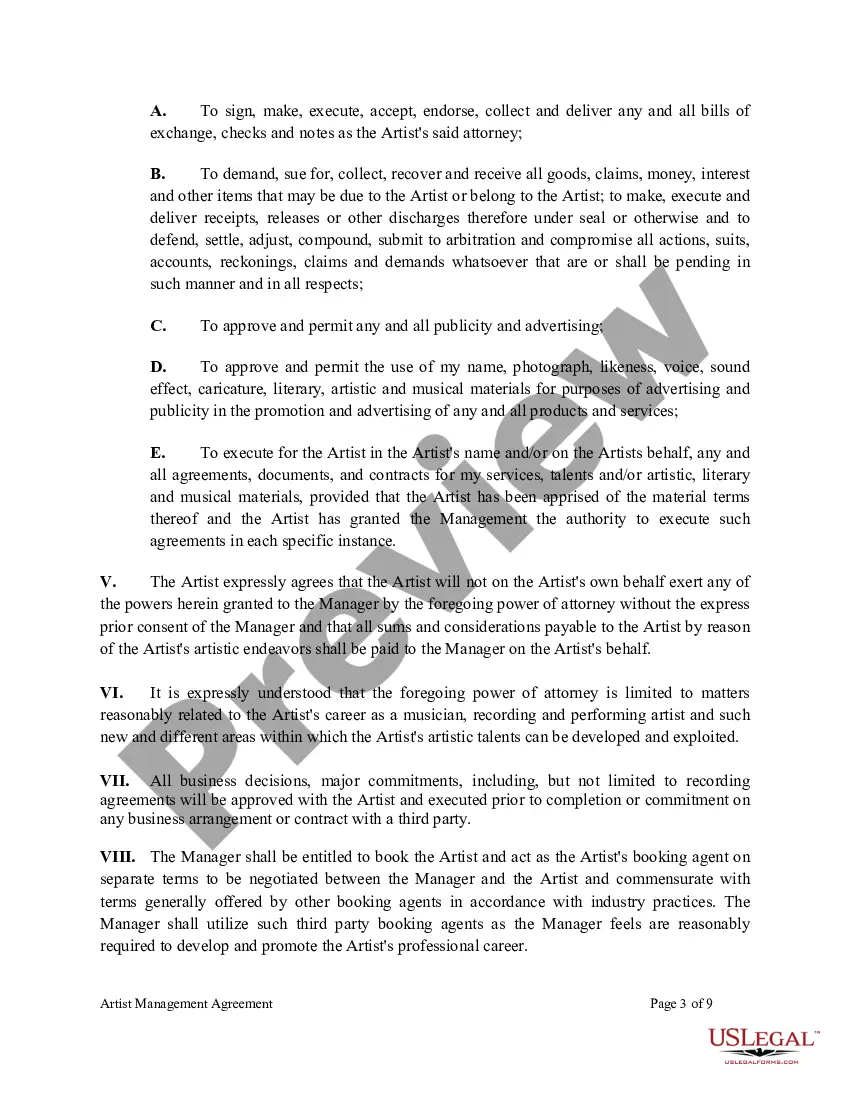
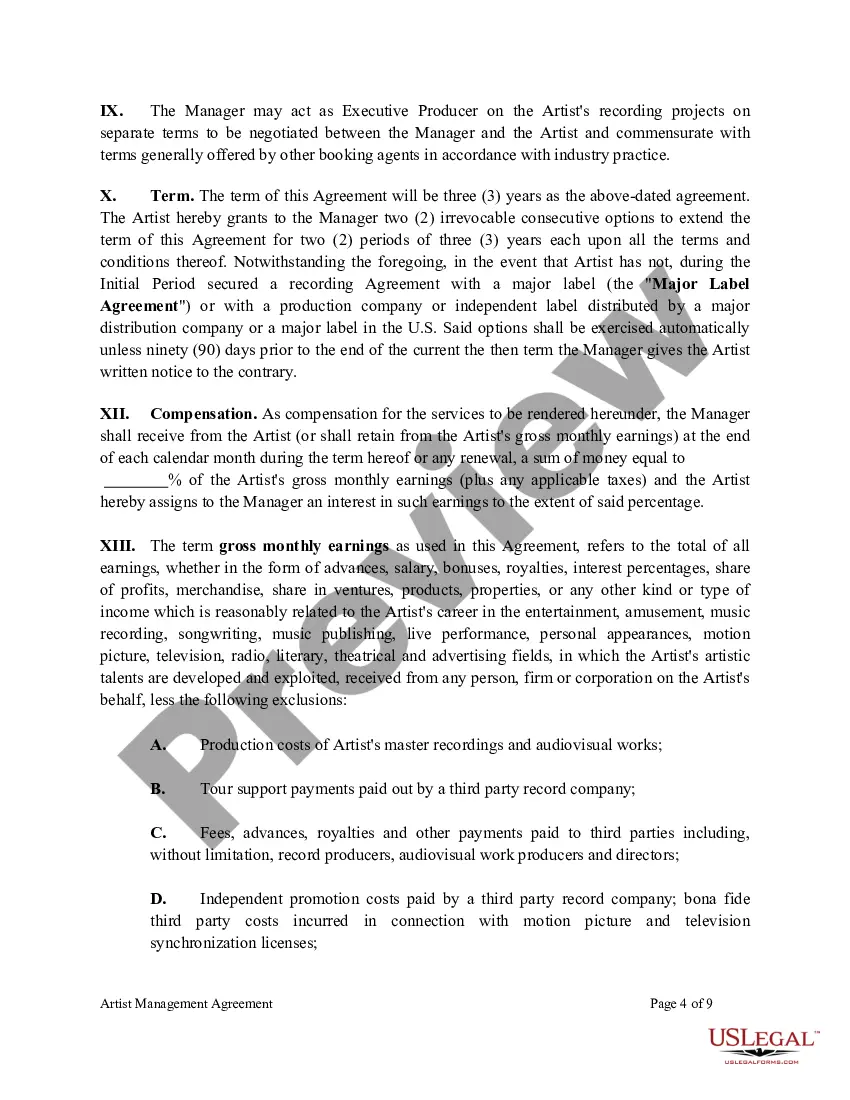
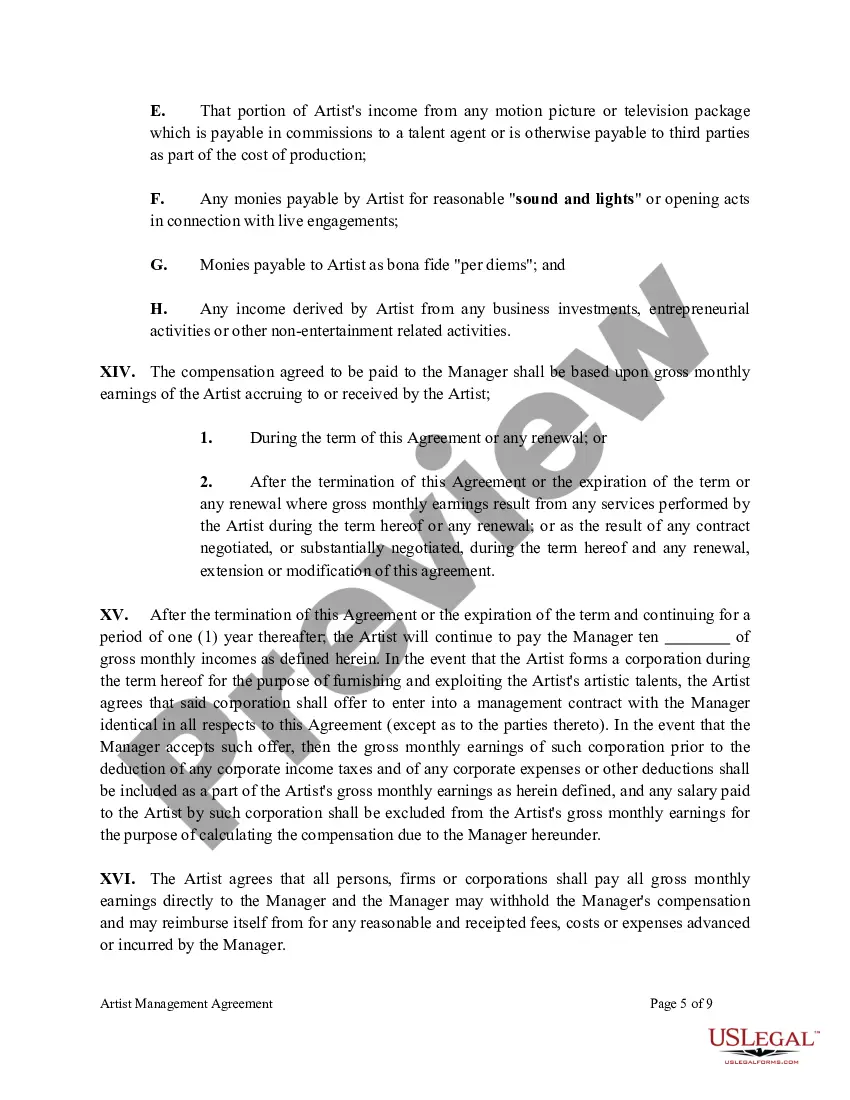
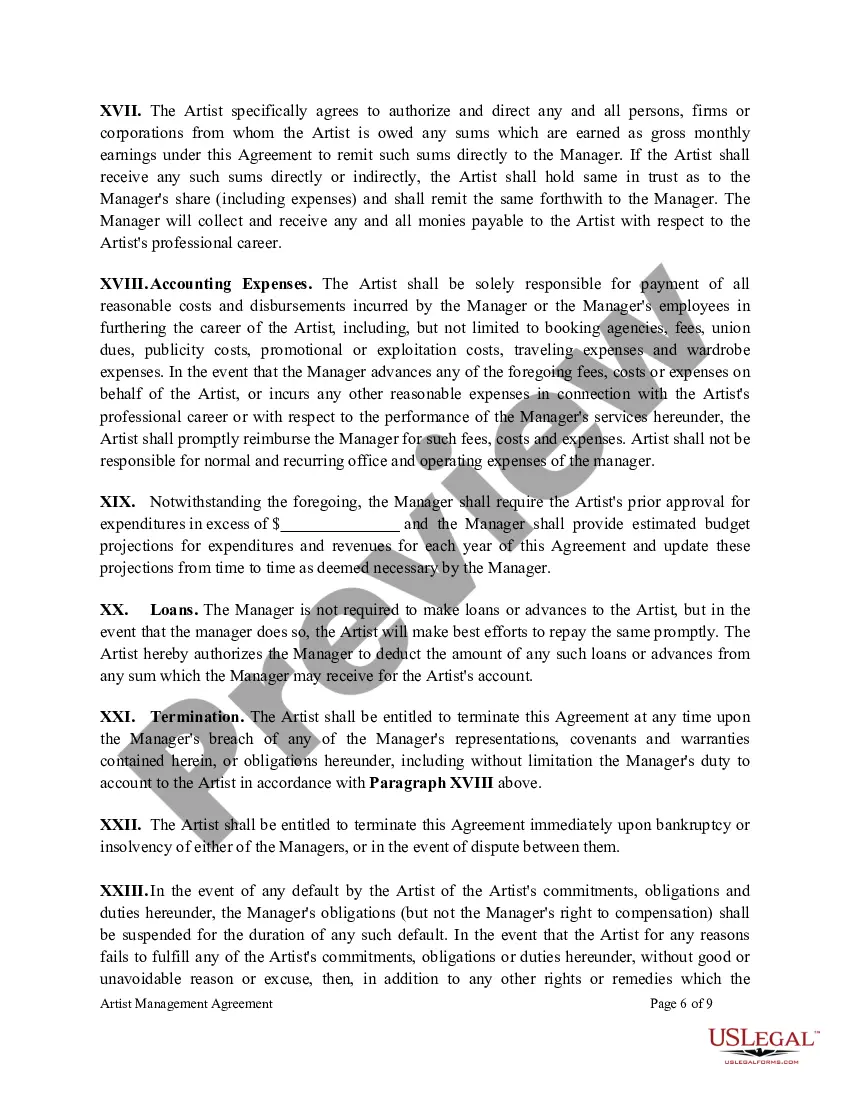
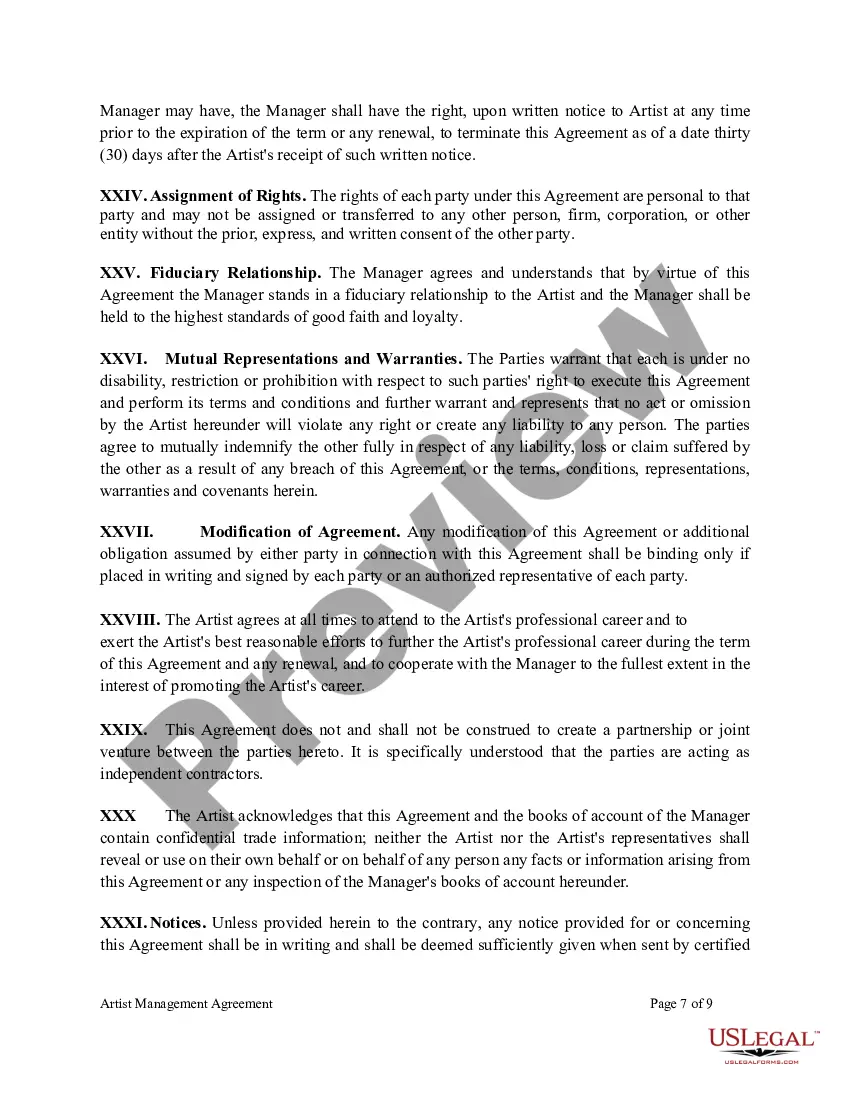
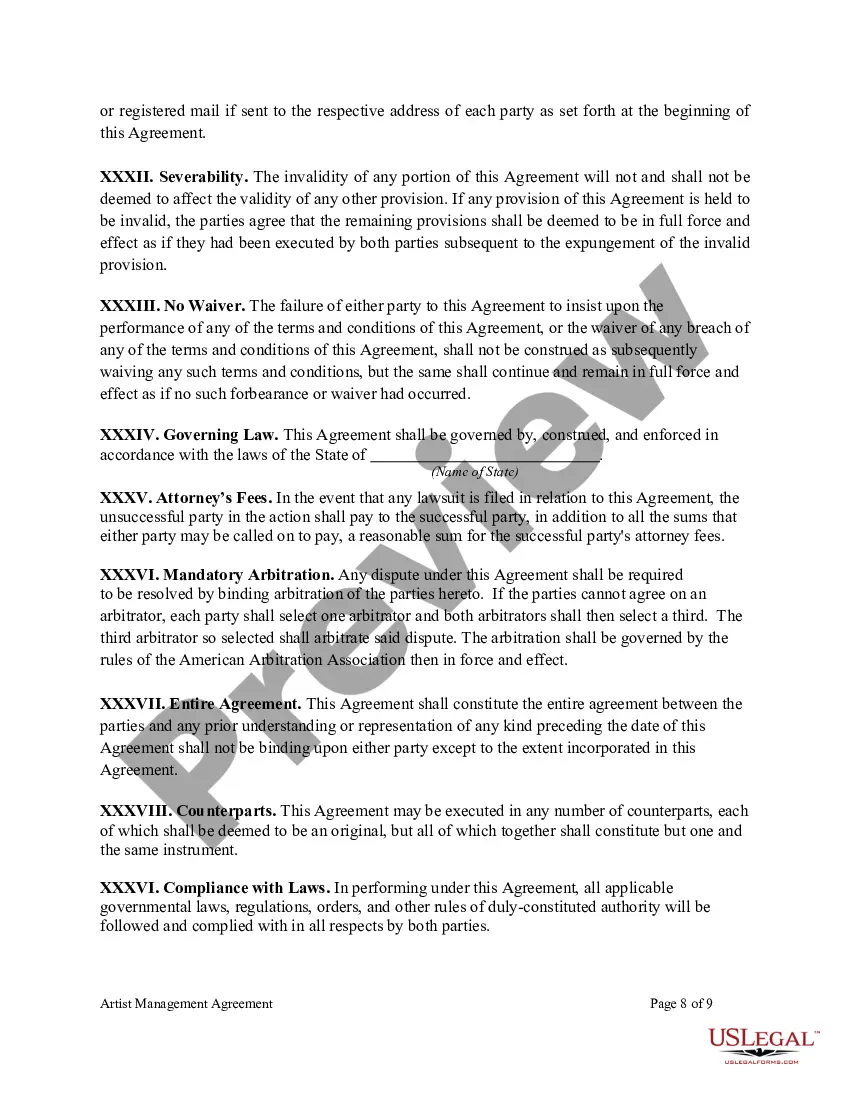
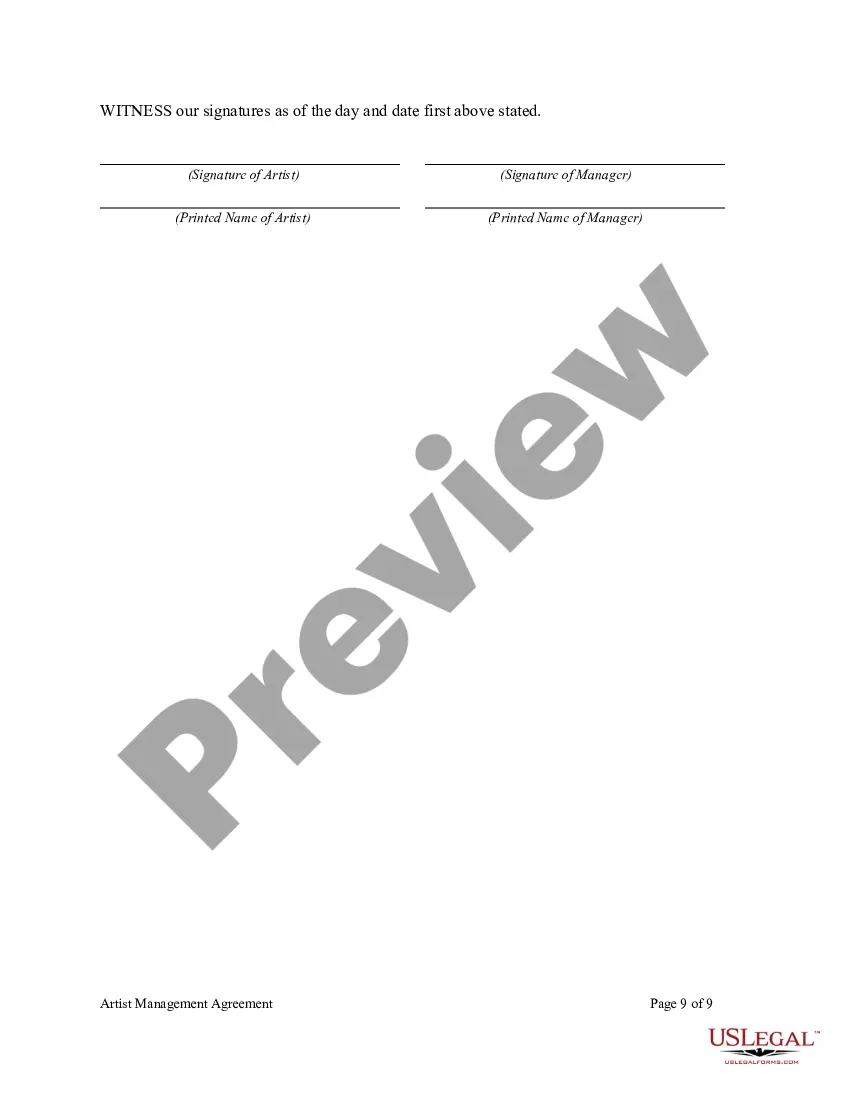
Get your form ready online
Our built-in tools help you complete, sign, share, and store your documents in one place.
Make edits, fill in missing information, and update formatting in US Legal Forms—just like you would in MS Word.
Download a copy, print it, send it by email, or mail it via USPS—whatever works best for your next step.
Sign and collect signatures with our SignNow integration. Send to multiple recipients, set reminders, and more. Go Premium to unlock E-Sign.
If this form requires notarization, complete it online through a secure video call—no need to meet a notary in person or wait for an appointment.
We protect your documents and personal data by following strict security and privacy standards.

Make edits, fill in missing information, and update formatting in US Legal Forms—just like you would in MS Word.

Download a copy, print it, send it by email, or mail it via USPS—whatever works best for your next step.

Sign and collect signatures with our SignNow integration. Send to multiple recipients, set reminders, and more. Go Premium to unlock E-Sign.

If this form requires notarization, complete it online through a secure video call—no need to meet a notary in person or wait for an appointment.

We protect your documents and personal data by following strict security and privacy standards.
Looking for another form?







Form popularity
FAQ
Talent management is how employers recruit and develop a workforce that is as productive as possible and likely to stay with their organization long term. When implemented strategically, this process can help improve the overall performance of the business and ensure that it remains competitive.
Talent management was a term coined in 1997 and featured predominately in a report by McKinsey. From that moment, it gained traction as humans were, and continue to be, seen as an organisation's most valuable asset.
What is End-to-End Talent Management? End-to-end talent management considers every stage of the talent lifecycle, from application to offboarding. It also takes into account the employee journey, including performance management, engagement, professional development, and career paths.
Big data and analytics have permeated talent management, allowing leaders to make evidence-based decisions regarding talent acquisition, retention, and development. Case Study: Google's People Analytics team analyses data to understand workforce trends, improve employee well-being, and enhance productivity.
Talent management was a term coined in 1997 and featured predominately in a report by McKinsey. From that moment, it gained traction as humans were, and continue to be, seen as an organisation's most valuable asset.
A typical talent management framework may include the following areas: Talent strategy and planning. Talent acquisition. Employee performance management. Training and development. Succession planning and identifying. Total rewards.
How to create a talent management plan Understand overall business objectives. Take inventory of team member skills and skill gaps. Tap into outside expertise. Write out the goals and priorities of the strategy. Implement technology to improve efficiency. Track and analyze key metrics. Identify ways to improve company culture.
The common standard term for a management contract is typically between one and five years, but this can vary depending on the specific needs and goals of the parties involved.
As a general rule, managers take a percentage of all income generated by the artist in exchange for their management services. Commission rates typically range from 15-25% of the artist's gross income from: Recording royalties: Sales, streaming and licensing of recorded music.
Artist Manager Salary Annual SalaryHourly Wage Top Earners $400,000 $192 75th Percentile $400,000 $192 Average $246,250 $118 25th Percentile $92,500 $44
