Artist Agreement Form Statement With Art In Phoenix
Description

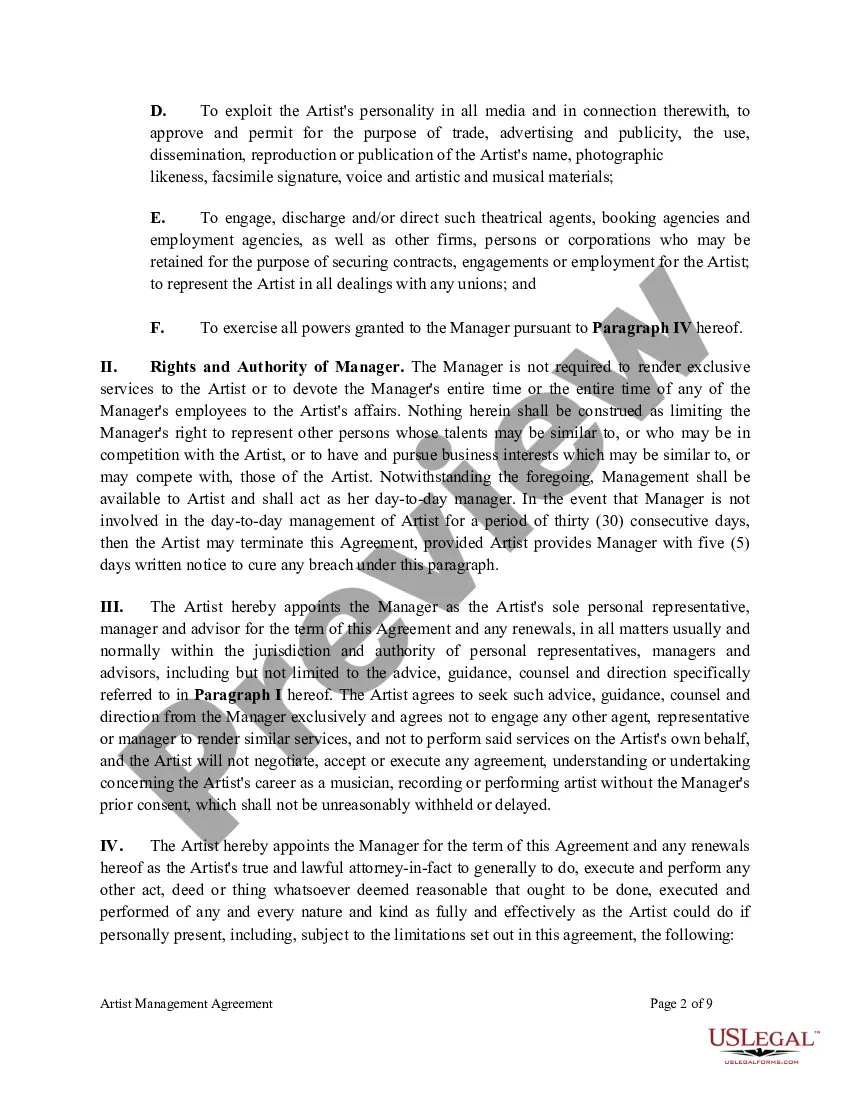
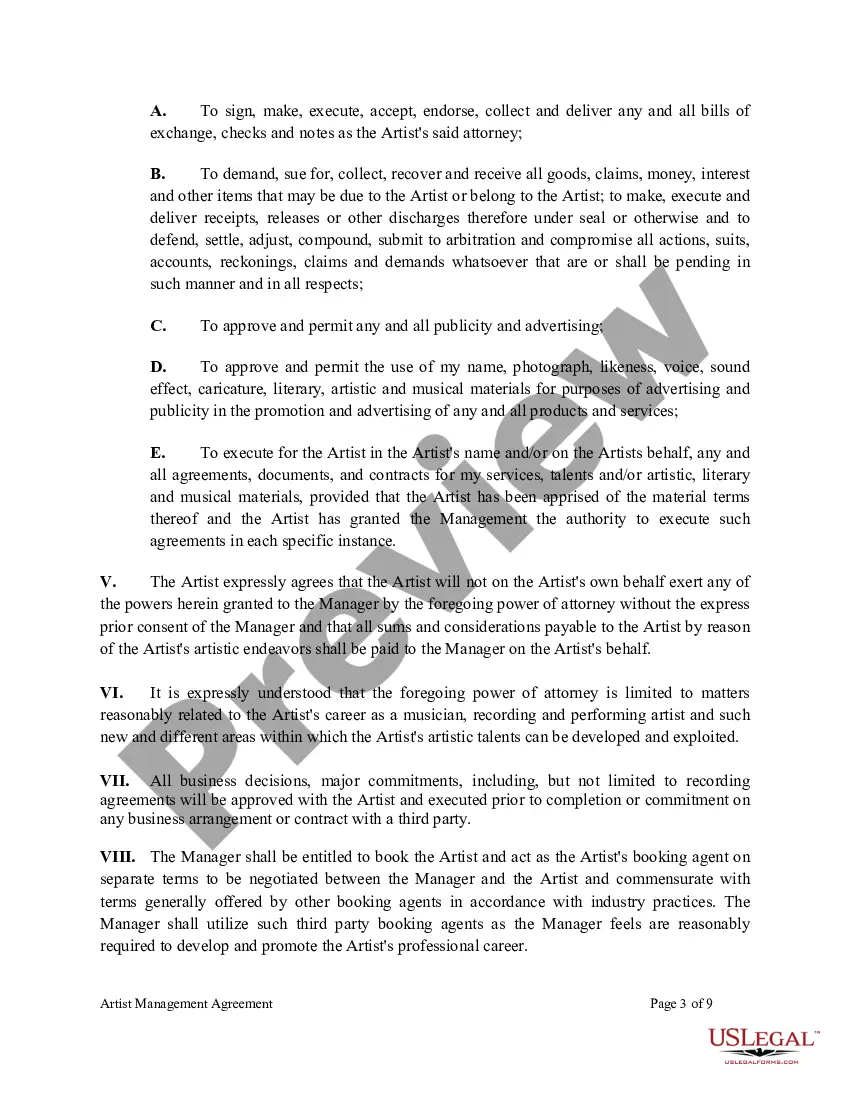
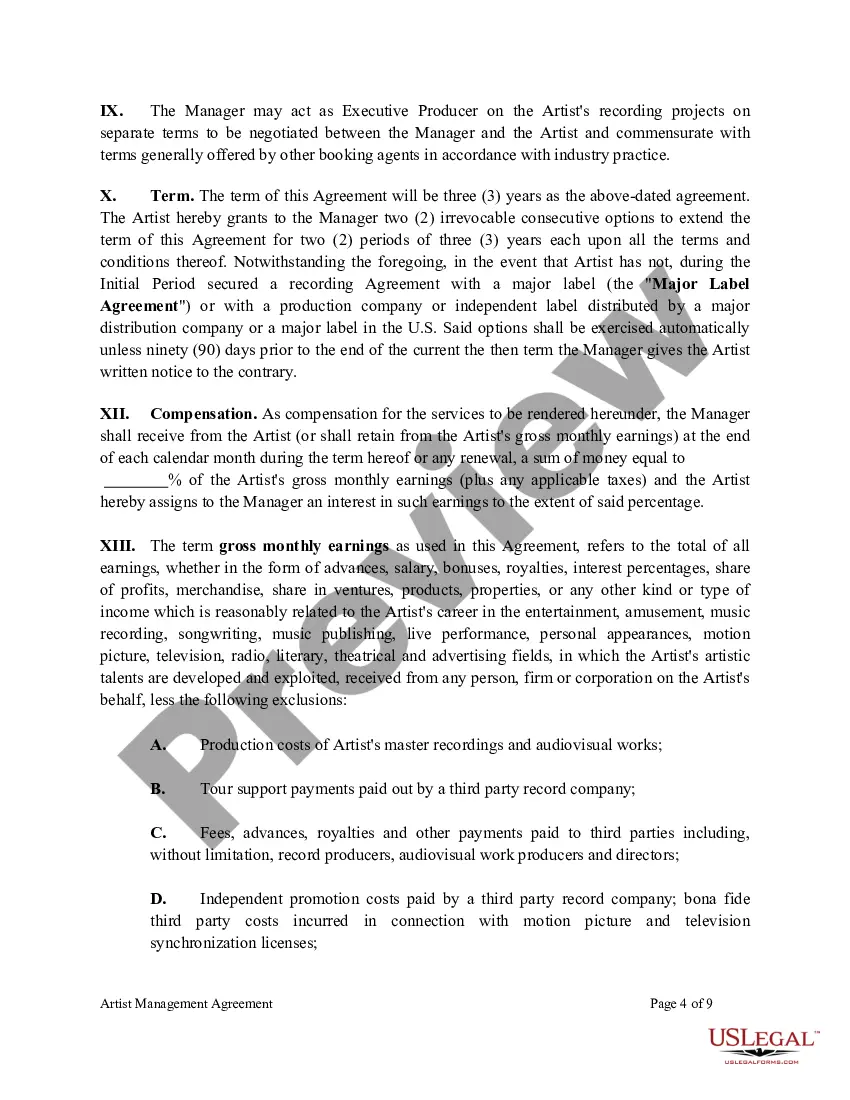
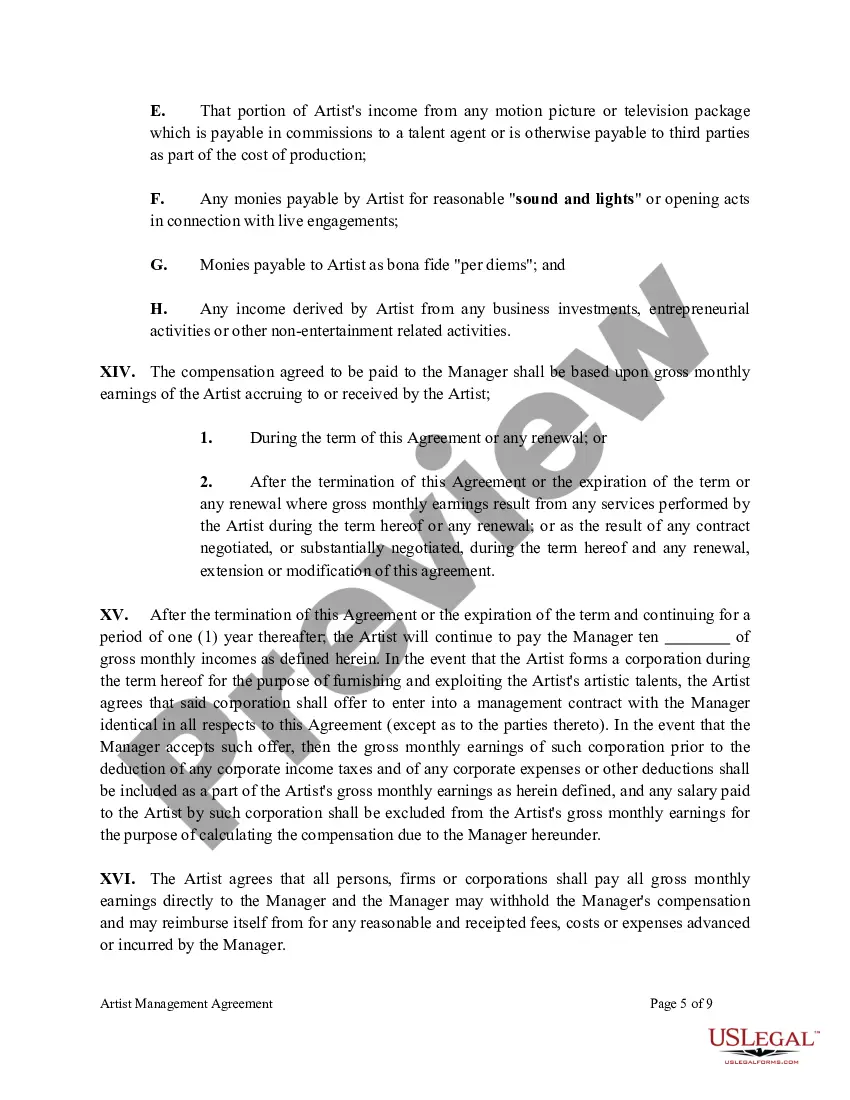
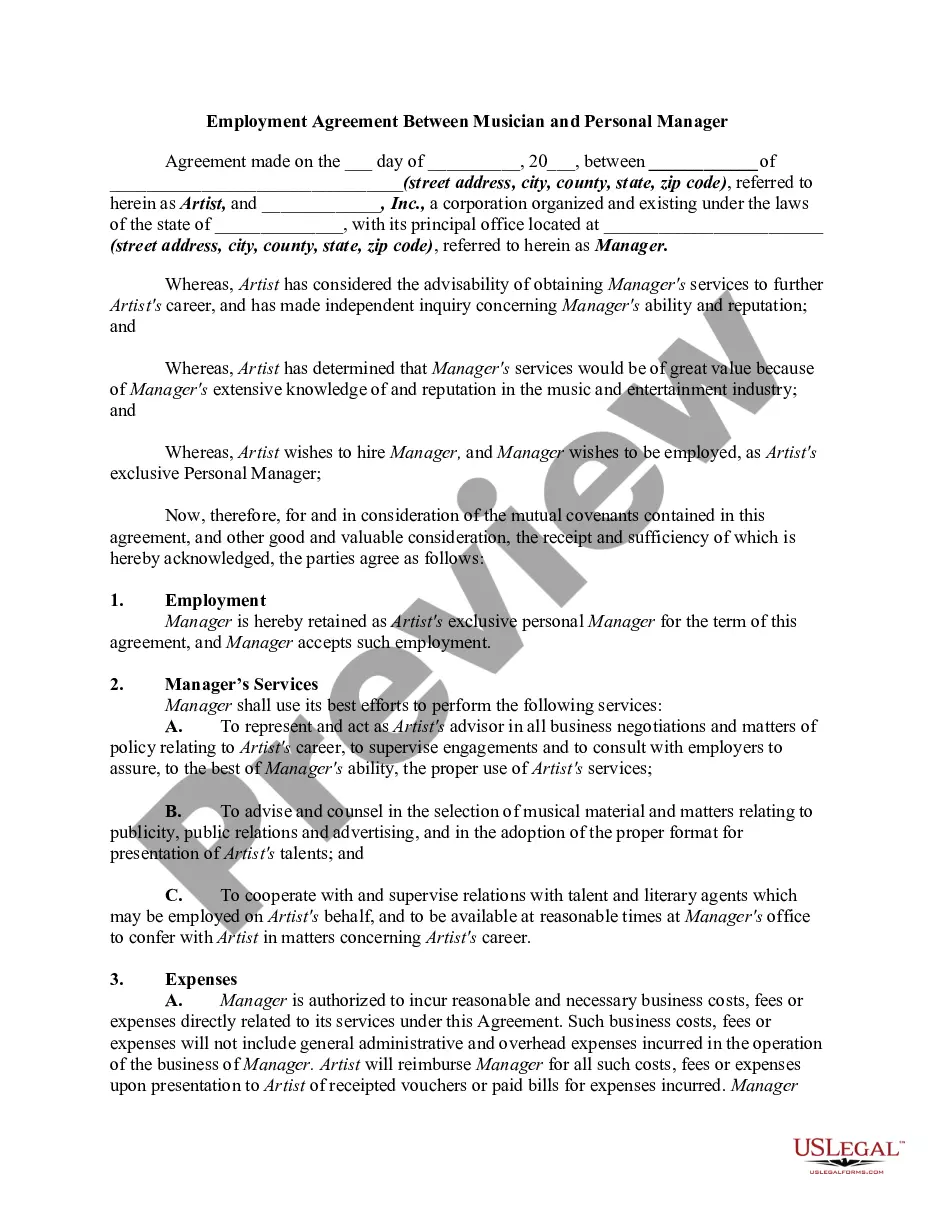
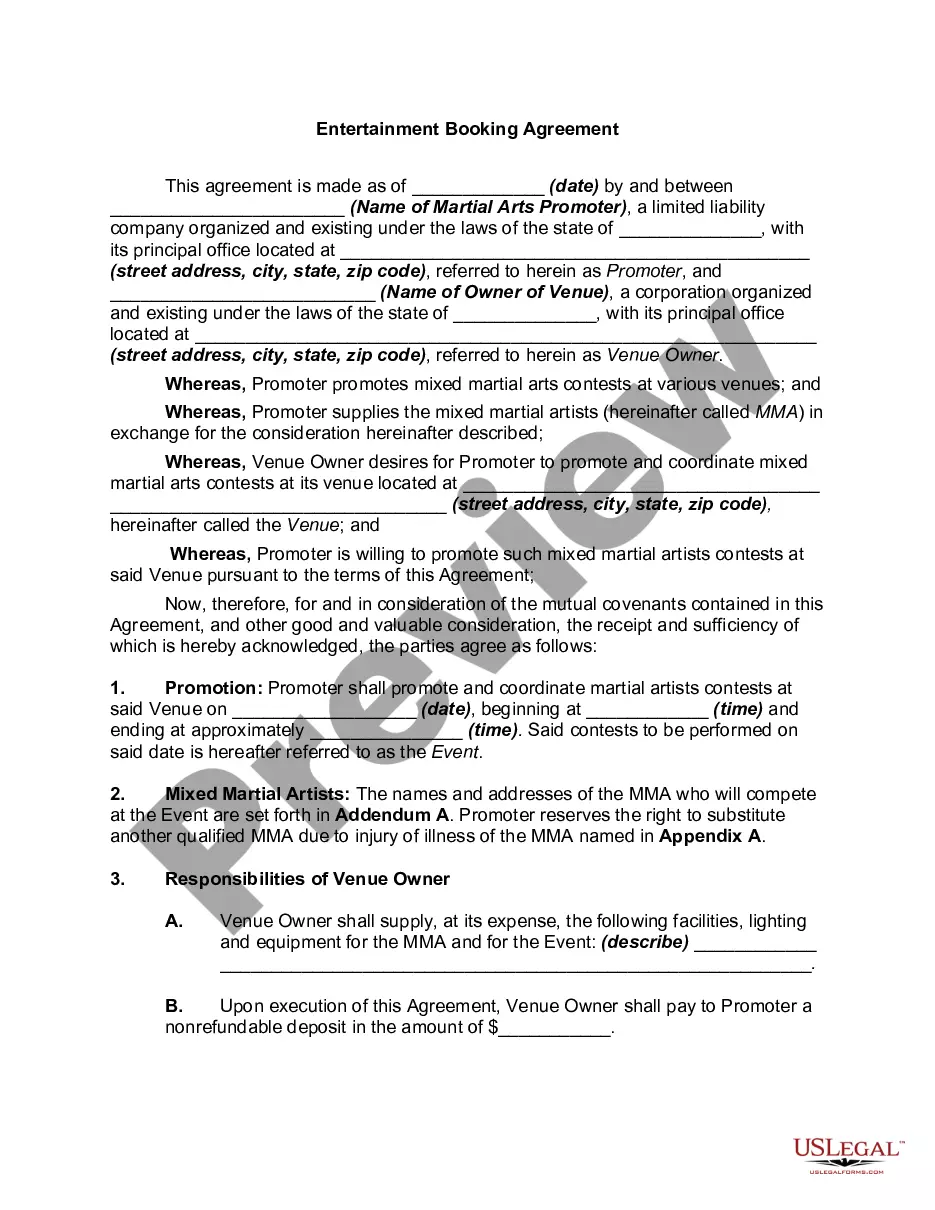
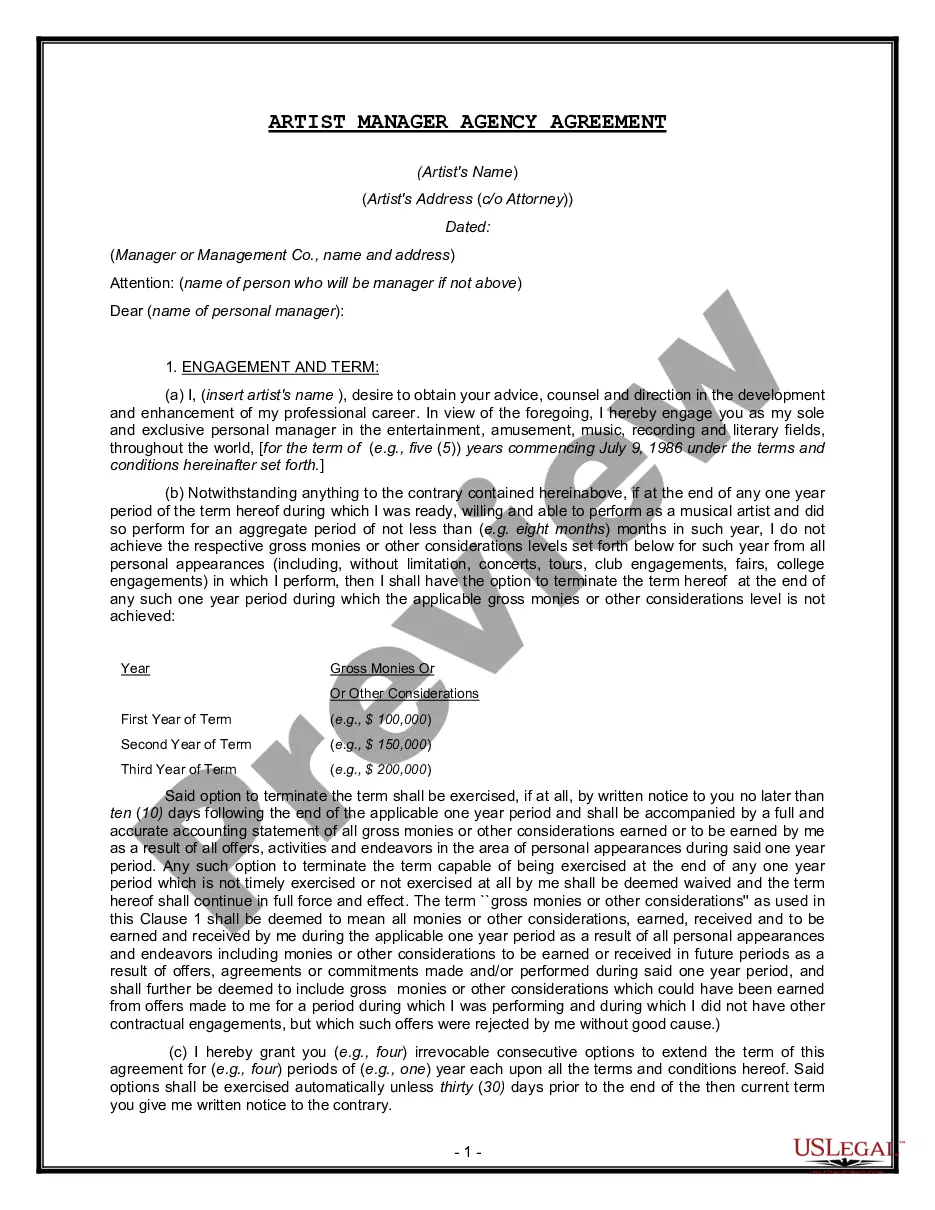
Get your form ready online
Our built-in tools help you complete, sign, share, and store your documents in one place.
Make edits, fill in missing information, and update formatting in US Legal Forms—just like you would in MS Word.
Download a copy, print it, send it by email, or mail it via USPS—whatever works best for your next step.
Sign and collect signatures with our SignNow integration. Send to multiple recipients, set reminders, and more. Go Premium to unlock E-Sign.
If this form requires notarization, complete it online through a secure video call—no need to meet a notary in person or wait for an appointment.
We protect your documents and personal data by following strict security and privacy standards.

Make edits, fill in missing information, and update formatting in US Legal Forms—just like you would in MS Word.

Download a copy, print it, send it by email, or mail it via USPS—whatever works best for your next step.

Sign and collect signatures with our SignNow integration. Send to multiple recipients, set reminders, and more. Go Premium to unlock E-Sign.

If this form requires notarization, complete it online through a secure video call—no need to meet a notary in person or wait for an appointment.

We protect your documents and personal data by following strict security and privacy standards.
Looking for another form?





Form popularity
FAQ
I created… First I used <art supply> to… Then I added… At first I was going to do this, but then I changed my mind and...
What information does an artist's statement need to include? There are three elements to consider: the “how,” the “what,” and the “why.” There should be enough information in your artist statement that someone can begin to imagine the art that you make without having it in front of them.
It is a legal agreement that binds the Artist and the Company to fulfill all the terms and conditions contained in it. All Individual Artist Agreements must be in compliance with the respective Collective Bargaining Agreement.
Consider the following advice when writing your artist statement: Brainstorm. The first hurdle is to figure out what to write about. Freewrite. Rewrite what stands out. In general, be specific. Be clear and concise. Proofread. Use your own voice.
Consider the following advice when writing your artist statement: Brainstorm. The first hurdle is to figure out what to write about. Freewrite. Rewrite what stands out. In general, be specific. Be clear and concise. Proofread. Use your own voice.
Example: “My body of work combines (the how) photography and original writing (the what) to investigate themes of time and memory (the why).”
A helpful method to follow is: Name/birth year. Introduce your themes, and what is is about them you are exploring. Next, your methods of making work or materials used (and why, if relevant). Then, your place of study and qualifications you have (some people put their current role/residency/position if it's relevant).
A good opening sentence is one that shows frankness or openness. One example is simply: Who am I? Or, what makes me unique? Since it's going to be your personal statement, it should open the readers up for just that. Having done so, hurry to lay the groundwork for your task.
“My work is a collection of a variety of resources, a collection of experiences. It's about understanding history, understanding the power of history, the power of power, the power of beauty, the power of transformation, and the power of purpose.”
4. How to start your personal statement From a young age I have (always) been interested in/fascinated by… For as long as I can remember, I have… I am applying for this course because… I have always been interested in… Throughout my life I have always enjoyed… Reflecting on my educational experiences…
