Contract Management For Construction Project In Oakland
Description

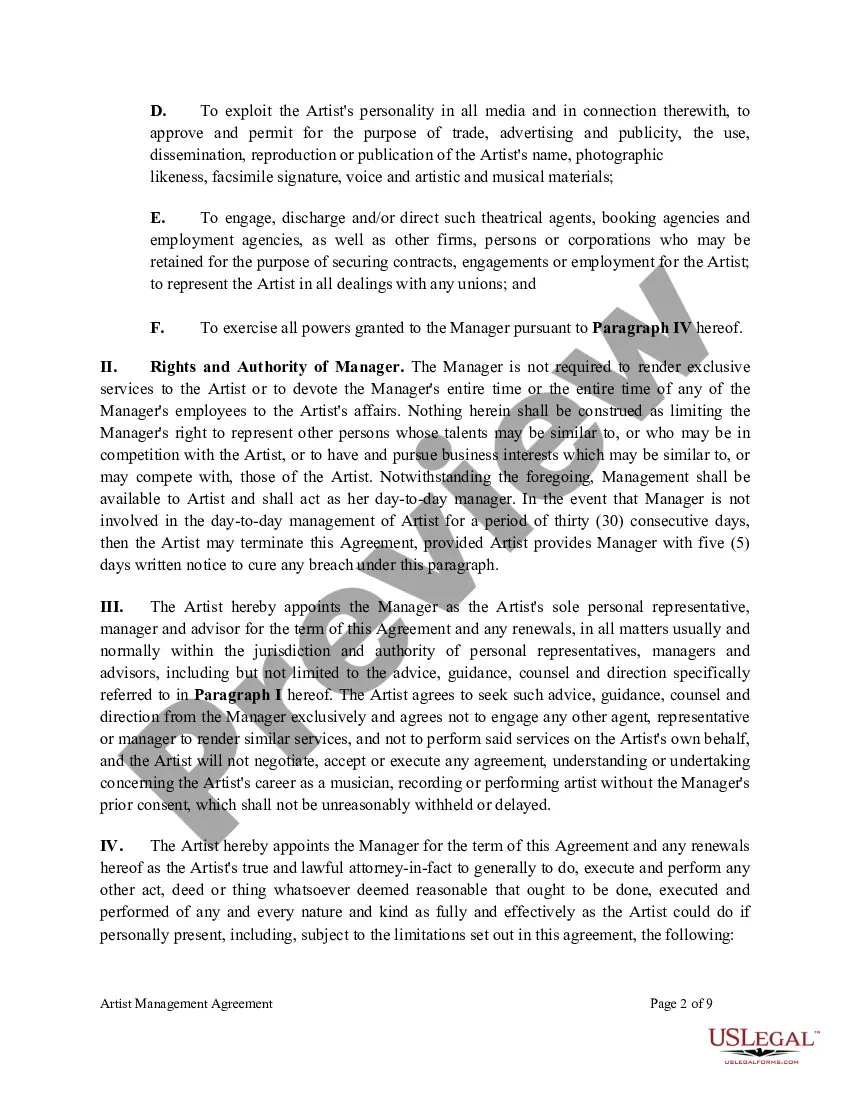
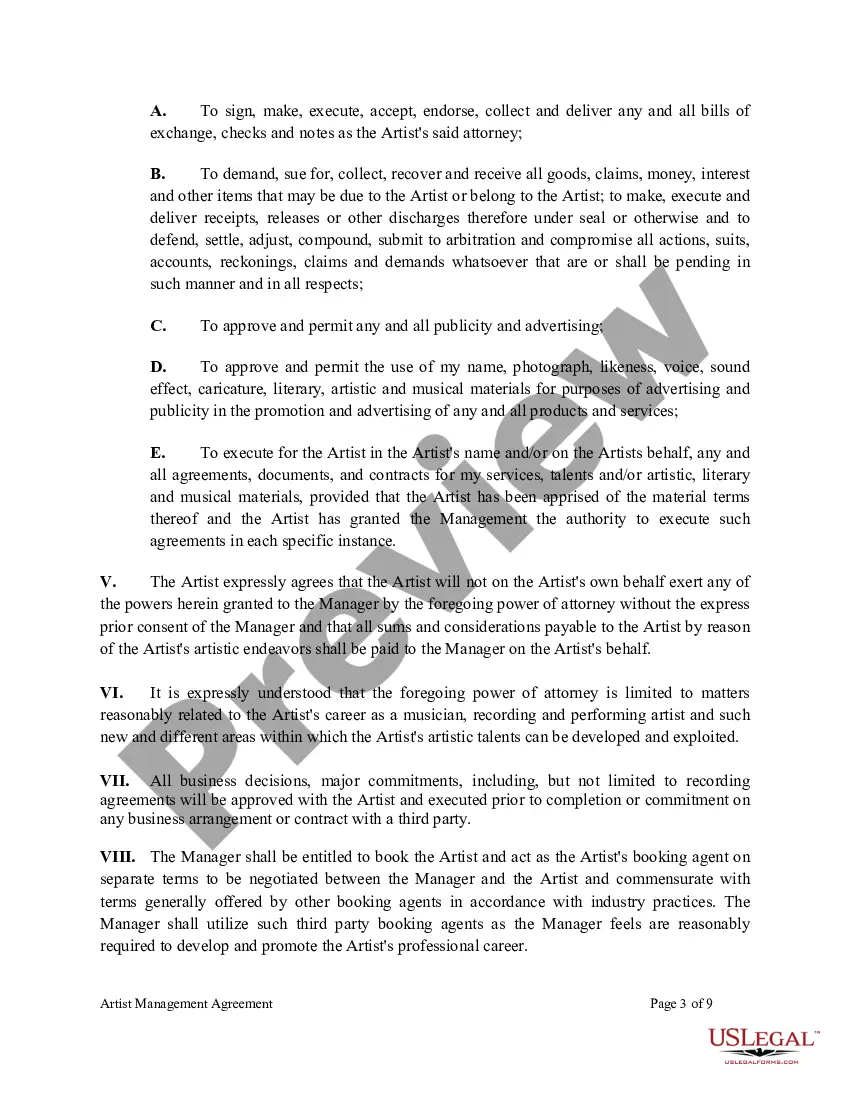
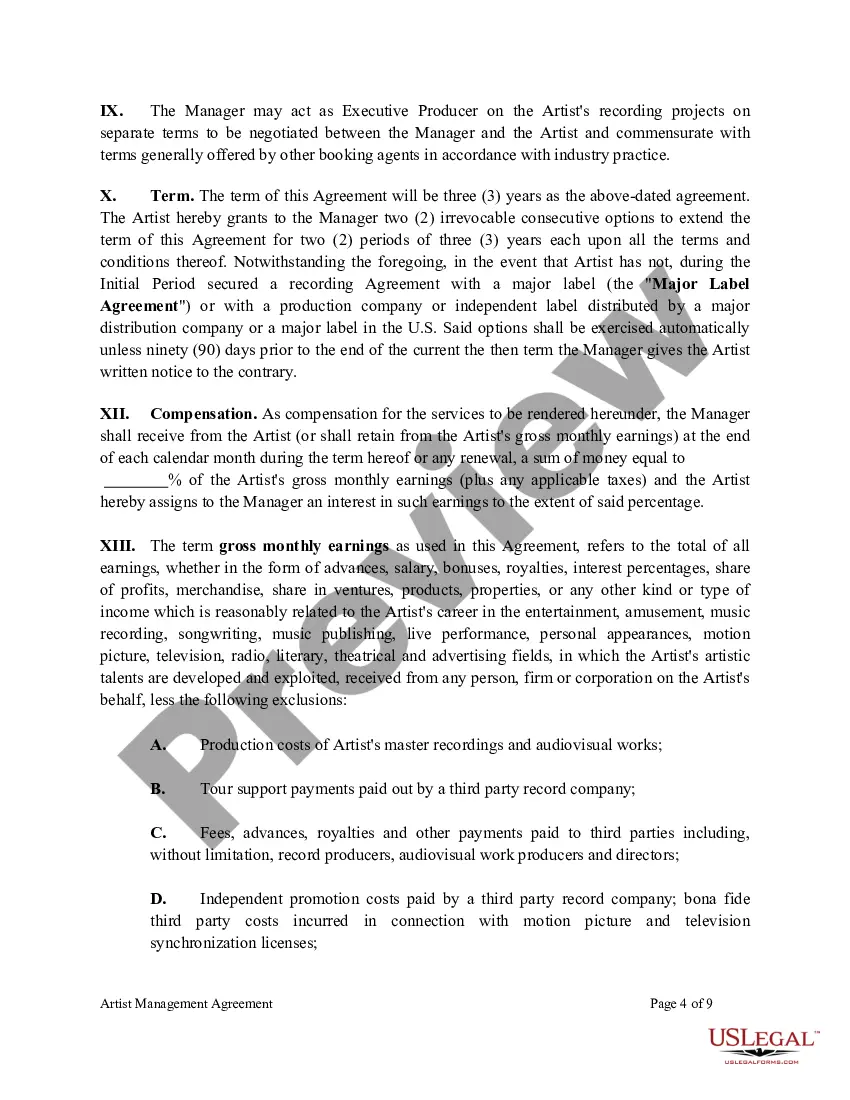
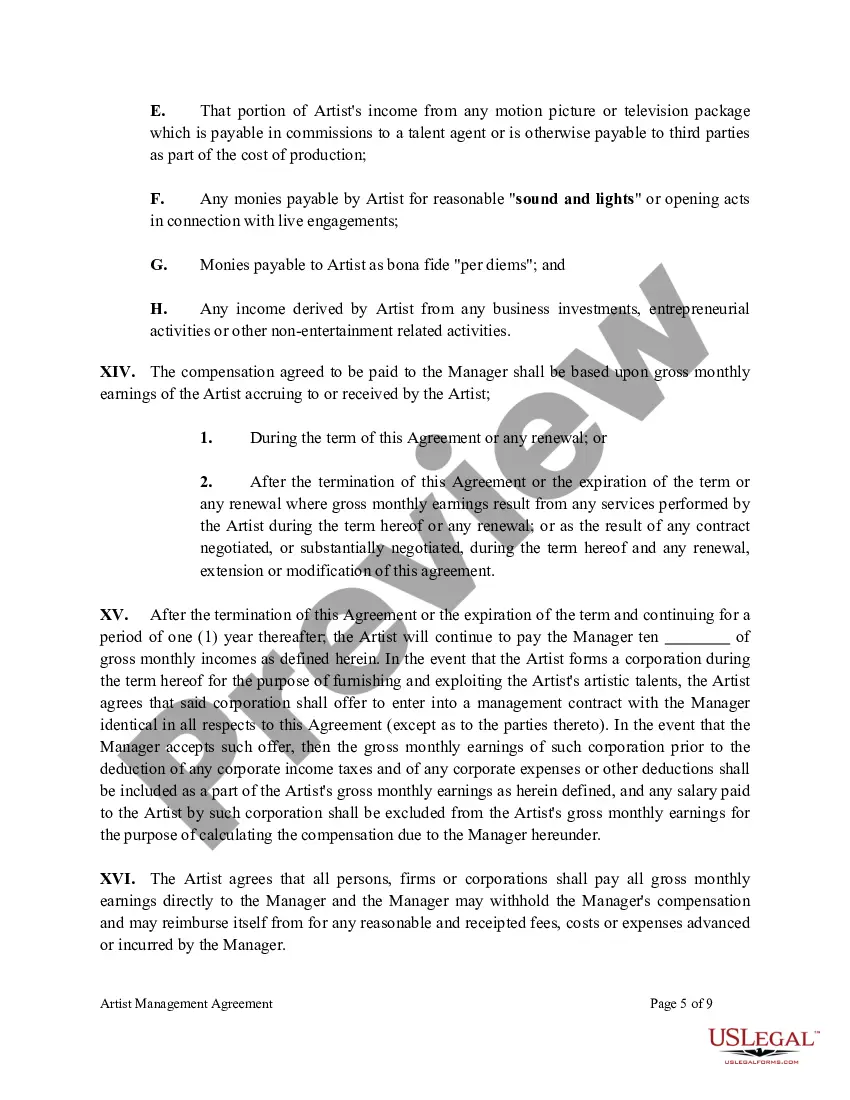

Get your form ready online
Our built-in tools help you complete, sign, share, and store your documents in one place.
Make edits, fill in missing information, and update formatting in US Legal Forms—just like you would in MS Word.
Download a copy, print it, send it by email, or mail it via USPS—whatever works best for your next step.
Sign and collect signatures with our SignNow integration. Send to multiple recipients, set reminders, and more. Go Premium to unlock E-Sign.
If this form requires notarization, complete it online through a secure video call—no need to meet a notary in person or wait for an appointment.
We protect your documents and personal data by following strict security and privacy standards.

Make edits, fill in missing information, and update formatting in US Legal Forms—just like you would in MS Word.

Download a copy, print it, send it by email, or mail it via USPS—whatever works best for your next step.

Sign and collect signatures with our SignNow integration. Send to multiple recipients, set reminders, and more. Go Premium to unlock E-Sign.

If this form requires notarization, complete it online through a secure video call—no need to meet a notary in person or wait for an appointment.

We protect your documents and personal data by following strict security and privacy standards.
Looking for another form?


Form popularity
FAQ
Contract management in construction is the process of overseeing and administrating contracts between various parties involved in a construction project. It encompasses activities such as the negotiation of contract terms, monitoring compliance with agreed-upon conditions, and facilitating dispute resolutions.
Essentially, a CM contract is one whereby the Owner enters into an arrangement for someone, often a registered builder although it is not a requirement, to manage the construction works. This is in contrast to a 'traditional' building contract whereby the Owner enters into a contract with a Builder directly.
A construction management agreement (CMA) outlines and formalizes the distinct roles, duties, and commitments of both parties during the contract period. It also specifies compensation and potential financial responsibilities for both parties.
A means to protect the rights of both the client/owner and the contractor, a construction contract typically contains specifications on the definition of the project, the rights and duties for each party, compensation and how it will be distributed, conditions (general and specific), as well as delay terms and other ...
What is the difference between management contracting and construction management? Management contracting differs from construction management in that management contractors contract works contractors direct, whereas construction managers only manage trade contracts, the contracts themselves are placed by the client.
Contract management is all about managing the agreements between stakeholders – including contractors, sub-contractors and suppliers – through the course of a project. It begins with selecting or creating appropriate contracts and ends with the completion of the project to the satisfaction of all parties involved.
It is the process of managing contracts throughout the life cycle of a project, from pre-award negotiation to post-award administration.
As the cultural center of the East Bay, Oakland is also home to a symphony recognized regionally and nationally for its unique convergence of artistic excellence and community service, an award-winning zoo with more than 400 animals, the beautifully restored Art Deco Paramount Theater movie palace and renovated Fox ...
Exploring the key stages of the contract management lifecycle Stage 1: Contract Initiation. Stage 2: Contract Creation and Negotiation. Stage 3: Contract Approval. Stage 4: Contract Execution. Stage 5: Contract Monitoring and Management. Stage 6: Contract Renewal or Termination.
Some examples of Contract Management activities are: Phone calls with suppliers; Meetings with suppliers; Score carding of suppliers; Site visits; Analysing performance information; Problem solving; Benchmarking against other similar contracts/suppliers; Analysing management information.
