Artist Management Salary In Oakland
Description


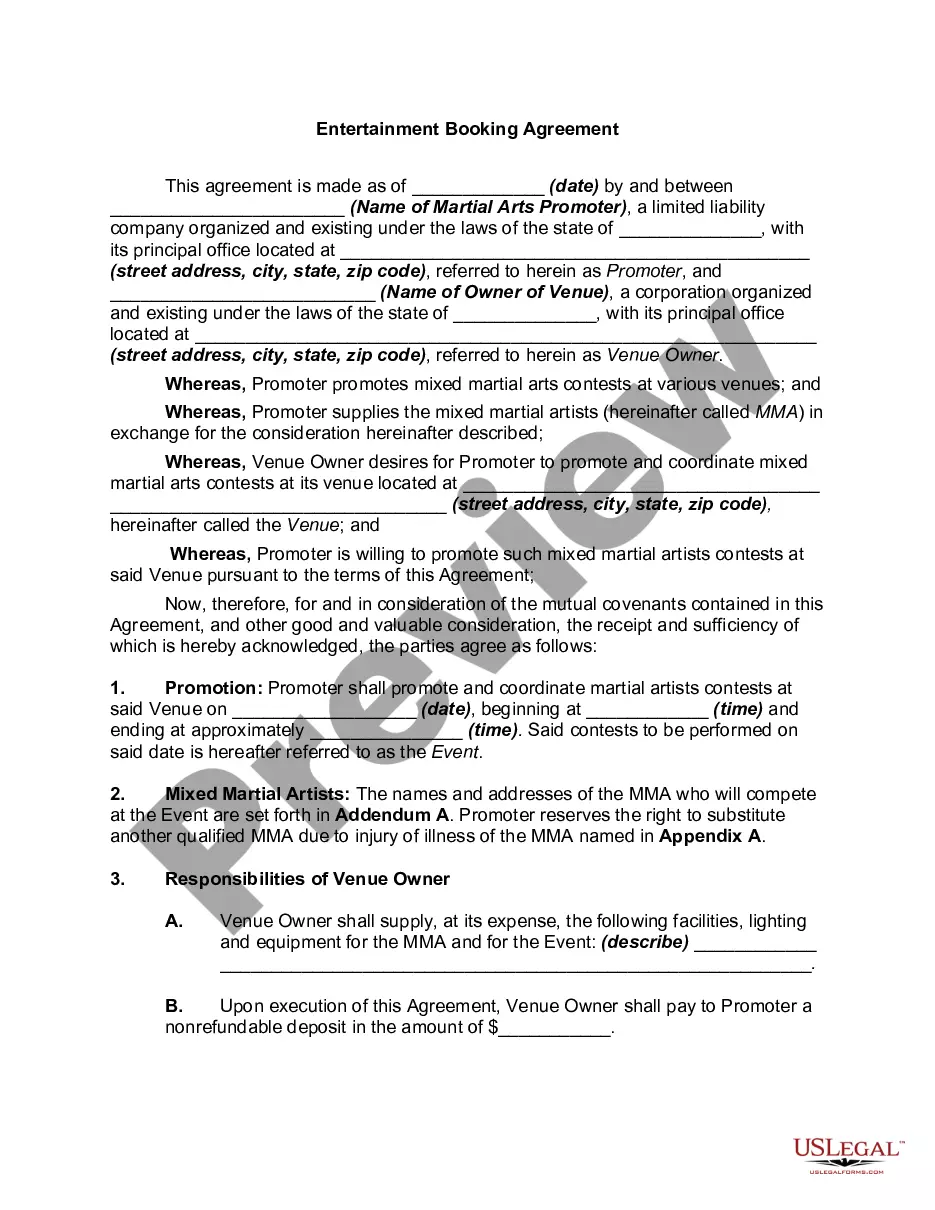
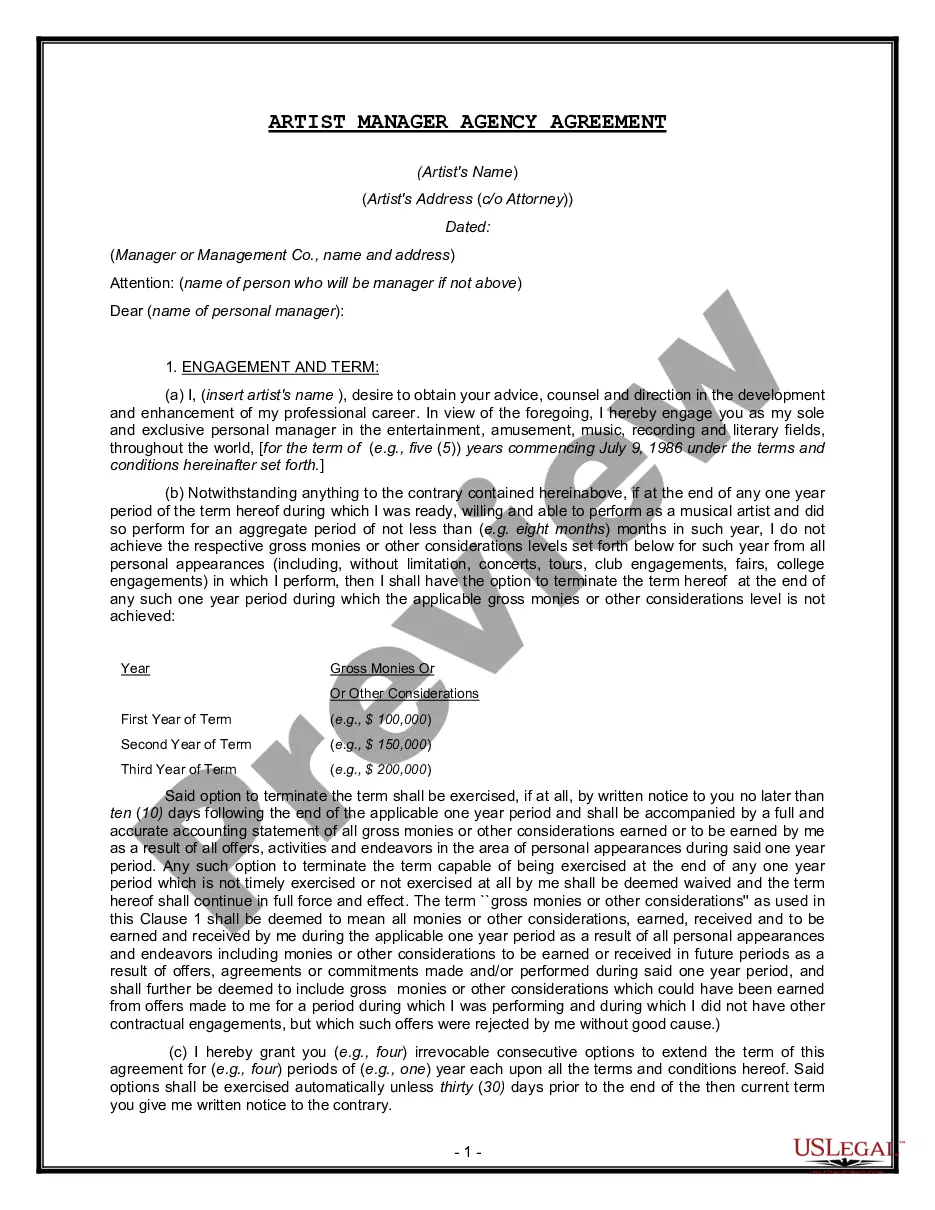
Get your form ready online
Our built-in tools help you complete, sign, share, and store your documents in one place.
Make edits, fill in missing information, and update formatting in US Legal Forms—just like you would in MS Word.
Download a copy, print it, send it by email, or mail it via USPS—whatever works best for your next step.
Sign and collect signatures with our SignNow integration. Send to multiple recipients, set reminders, and more. Go Premium to unlock E-Sign.
If this form requires notarization, complete it online through a secure video call—no need to meet a notary in person or wait for an appointment.
We protect your documents and personal data by following strict security and privacy standards.

Make edits, fill in missing information, and update formatting in US Legal Forms—just like you would in MS Word.

Download a copy, print it, send it by email, or mail it via USPS—whatever works best for your next step.

Sign and collect signatures with our SignNow integration. Send to multiple recipients, set reminders, and more. Go Premium to unlock E-Sign.

If this form requires notarization, complete it online through a secure video call—no need to meet a notary in person or wait for an appointment.

We protect your documents and personal data by following strict security and privacy standards.
Looking for another form?









Form popularity
FAQ
The Talent Agencies Act (the “TAA,” or the “Act”), California Labor Code Section 1700, et seq.,2 is a licensing scheme that was originally enacted to regulate and license talent agents (originally referred to as talent managers),3 and to protect entertainers from unscrupulous, unlicensed individuals.
In general, talent agents focus more on securing work for their clients, while talent managers focus more on career development and strategy. Many actors choose to work with both a talent agent and a talent manager in order to have a well-rounded team working on their behalf.
How to become a talent manager Earn your degree. Many employers might require you to earn a high school diploma, while others may prefer a bachelor's degree. Gain experience in the entertainment industry. Network with industry professionals. Determine your niche. Join an organization for support.
Who Needs a License? Any person or entity involved in arranging employment for an artist in the entertainment field must get a license to operate as a talent agency.
There are various degrees you can earn to help you develop a career as a talent manager. One option you may want to consider is a Bachelor of Science in Sports and Entertainment Management. A bachelor's degree in sports and entertainment management can teach you many skills that will be of value in this field.
Who Needs a License? Any person or entity involved in arranging employment for an artist in the entertainment field must get a license to operate as a talent agency.
(a) “Talent agency” means a person or corporation who engages in the occupation of procuring, offering, promising, or attempting to procure employment or engagements for an artist or artists, except that the activities of procuring, offering, or promising to procure recording contracts for an artist or artists shall ...
In California, the average yearly salary for an Art Manager is $127,749.
Education: Considering music managers are responsible for all the legal and business aspects of an artist's career, they usually must have a bachelor's degree in the music business (or business in general). Several schools offer music management or business management degrees.
An arts manager is a professional who oversees creative projects. They often supervise artists, animators, graphic designers, and illustrators. They may work with musicians and dancers, on movie and TV sets, or collaborate on radio programs, podcasts, website design, marketing campaigns, or other artistic projects.
