Artist Agreement Form Statement With Signature In Oakland
Description

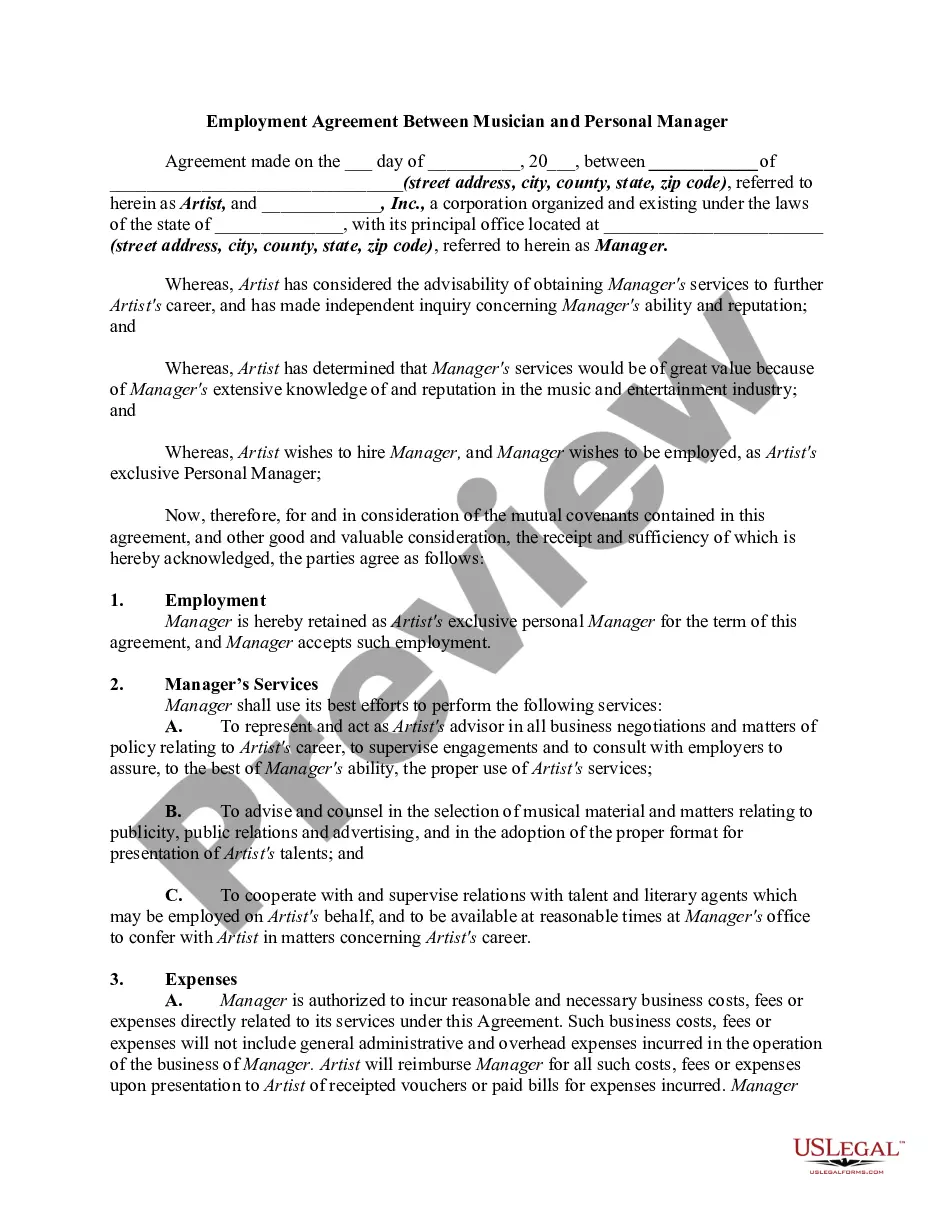
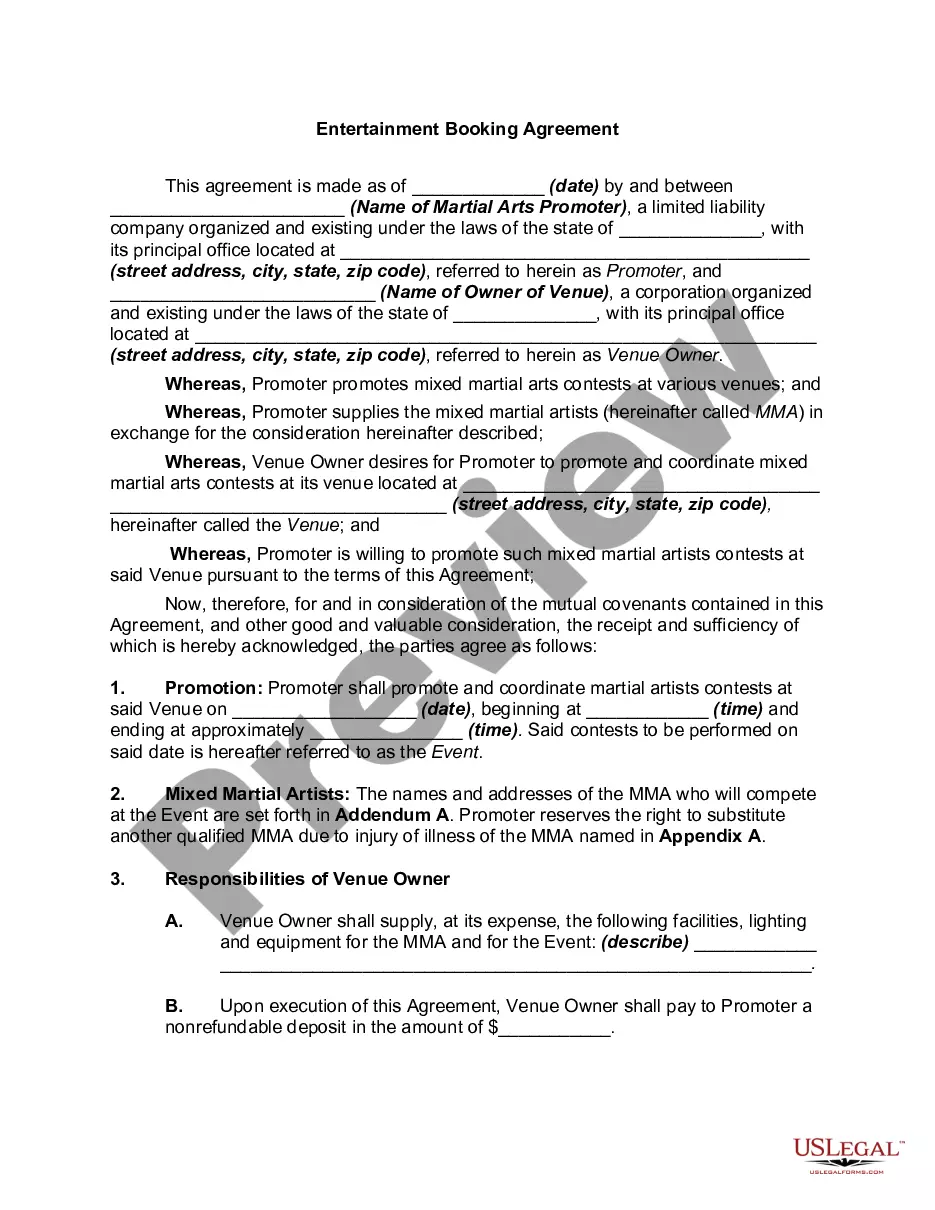
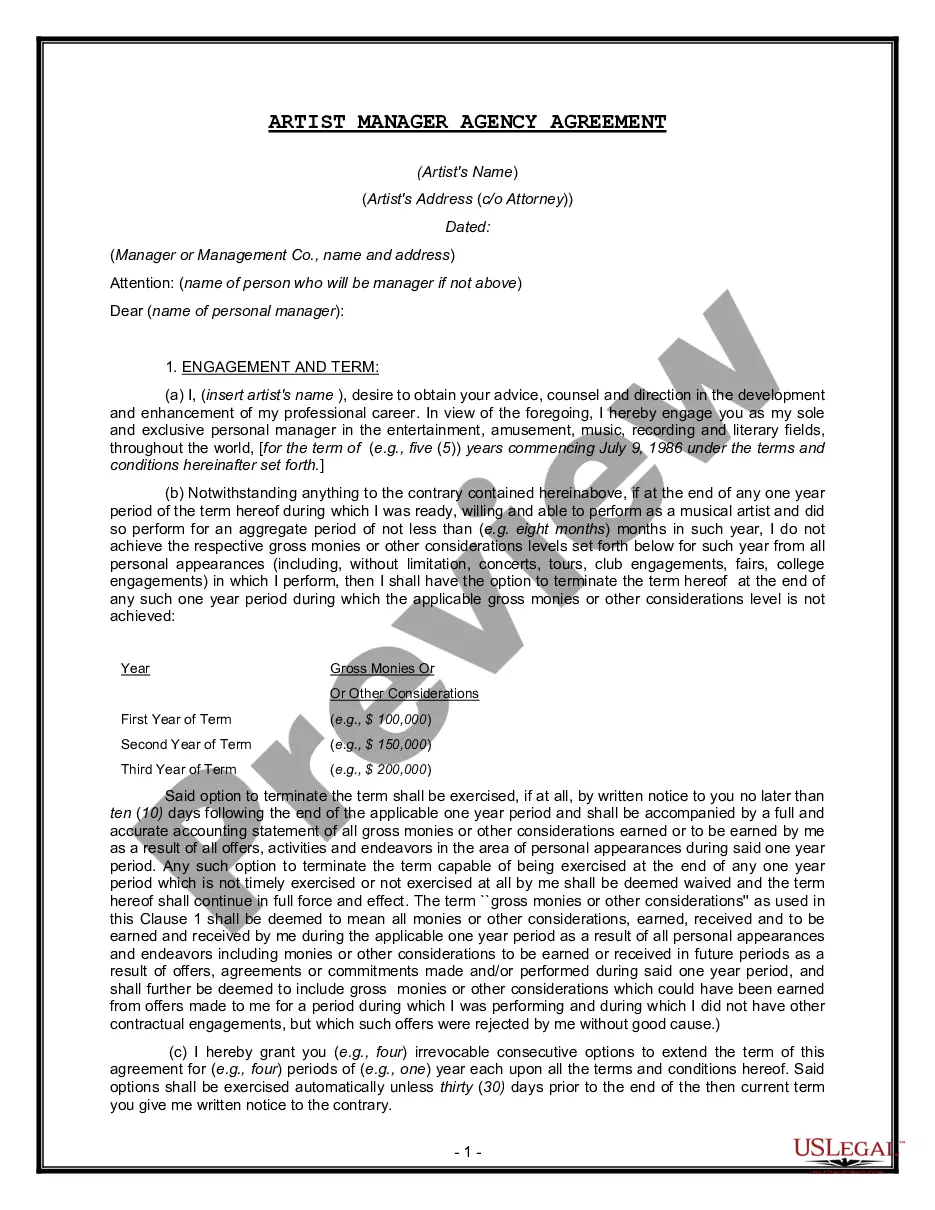
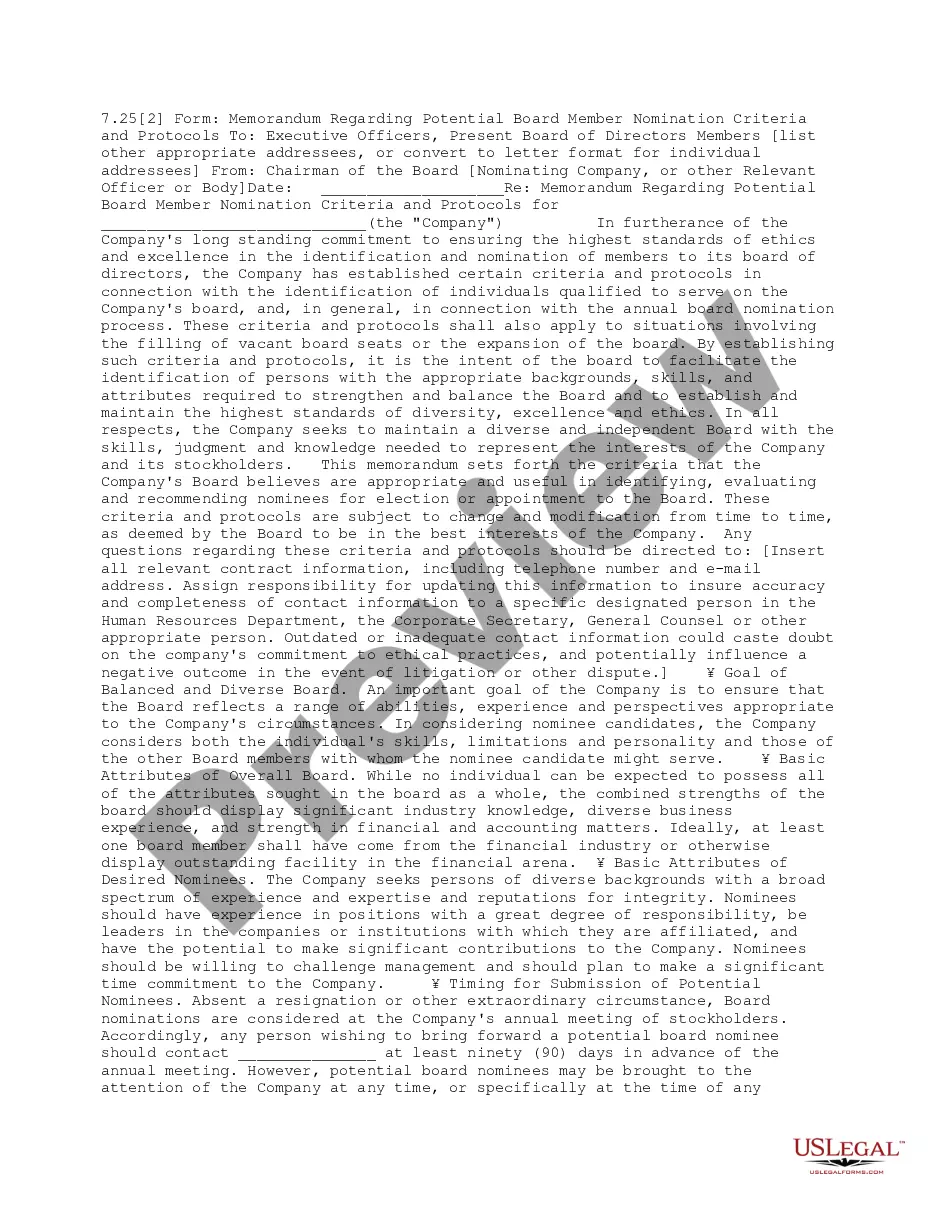
Get your form ready online
Our built-in tools help you complete, sign, share, and store your documents in one place.
Make edits, fill in missing information, and update formatting in US Legal Forms—just like you would in MS Word.
Download a copy, print it, send it by email, or mail it via USPS—whatever works best for your next step.
Sign and collect signatures with our SignNow integration. Send to multiple recipients, set reminders, and more. Go Premium to unlock E-Sign.
If this form requires notarization, complete it online through a secure video call—no need to meet a notary in person or wait for an appointment.
We protect your documents and personal data by following strict security and privacy standards.

Make edits, fill in missing information, and update formatting in US Legal Forms—just like you would in MS Word.

Download a copy, print it, send it by email, or mail it via USPS—whatever works best for your next step.

Sign and collect signatures with our SignNow integration. Send to multiple recipients, set reminders, and more. Go Premium to unlock E-Sign.

If this form requires notarization, complete it online through a secure video call—no need to meet a notary in person or wait for an appointment.

We protect your documents and personal data by following strict security and privacy standards.
Looking for another form?





Form popularity
FAQ
Like so many aspects of paintings, it's personal. The signature is a natural part of the visual composition and should be thought of in those terms. The main things to consider are placement, size, value, color, style and content. Traditionally, the lower right-hand corner is the spot for the signature.
You may choose to use your full name for a more formal and traditional approach or opt for your initials for a more contemporary and concise signature. Consider your artistic style and the image you want to convey when making this decision.
Most patrons prefer a small signature with the artist's last name only. They do not like initials or cute symbols. They like the signature to be straight across as in regular writing, not with flourishes or slanted names. They prefer that it be in cursive, not printed.
Typically, artist signatures are placed at the bottom of a work, in the right or left-hand corner, and between a couple of centimetres up from the bottom edge, to a couple of inches.
The best “signature style” is one that has common threads without being repetitive. It shows a confidence and clarity without impairing the artist's freedom of expression. Within that “niche” an artist's creative vision can expand.
It outlines the terms and conditions of the artist's recording and distribution of music. This contract specifies the rights and responsibilities of both parties, including details about the production, promotion, and financial aspects of the music released under the label.
Generally, to be legally valid, most contracts must contain two elements: All parties must agree about an offer made by one party and accepted by the other. Something of value must be exchanged for something else of value.
I've asked a few labels over the years, and a typical licensing agreement lasts, on average between 5 to 7 years. Of course, there are much shorter, and much longer contracts out there… do what's fair for both you and the artist.
Contracts like an artist agreement help avoid miscommunications and confusion over the rights and responsibilities of both parties involved. Artist agreements typically include availability expectations, performance markers, and licensing or ownership rights of the works created during the partnership.
The Artist's Reserved Rights Transfer and Sale Agreement (also known as the Artist's Contract or Projansky Deal) is an open-source legal contract for the transfer and sale of an individual work of art in any medium, material or immaterial, including digital art.
