Contract Management For Construction Project In Middlesex
Description

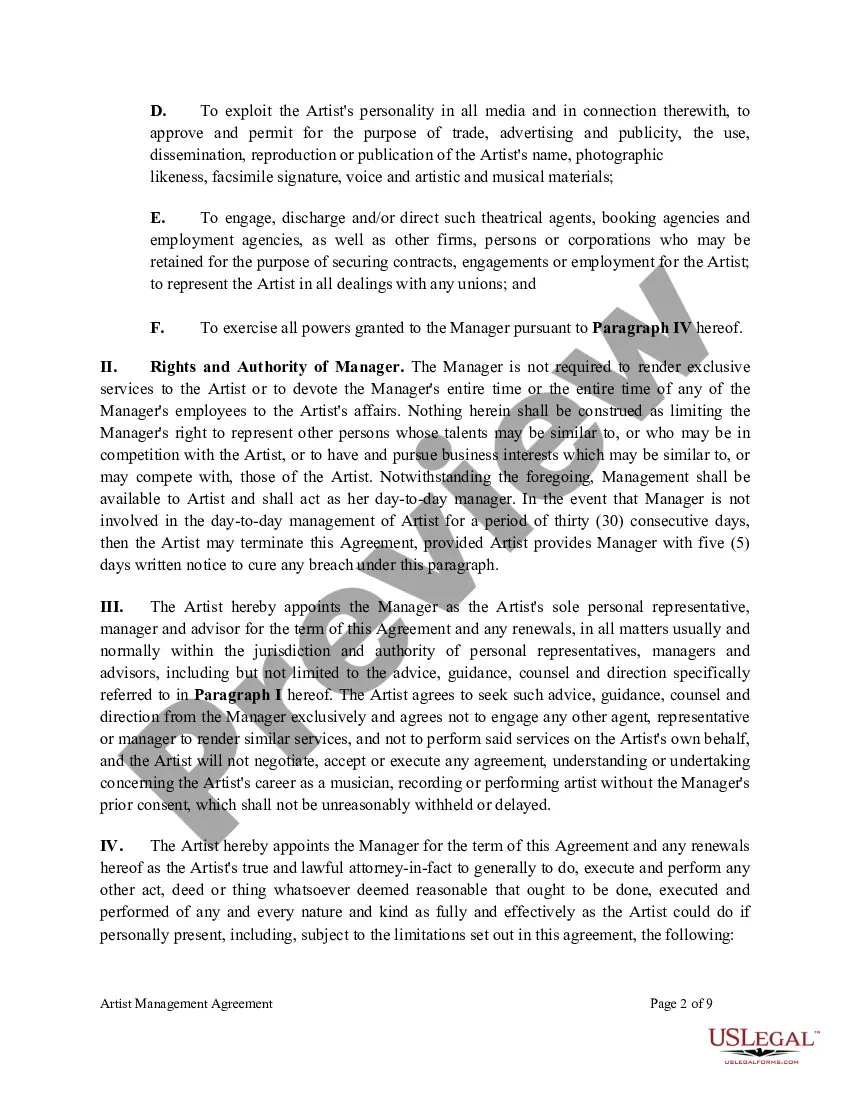
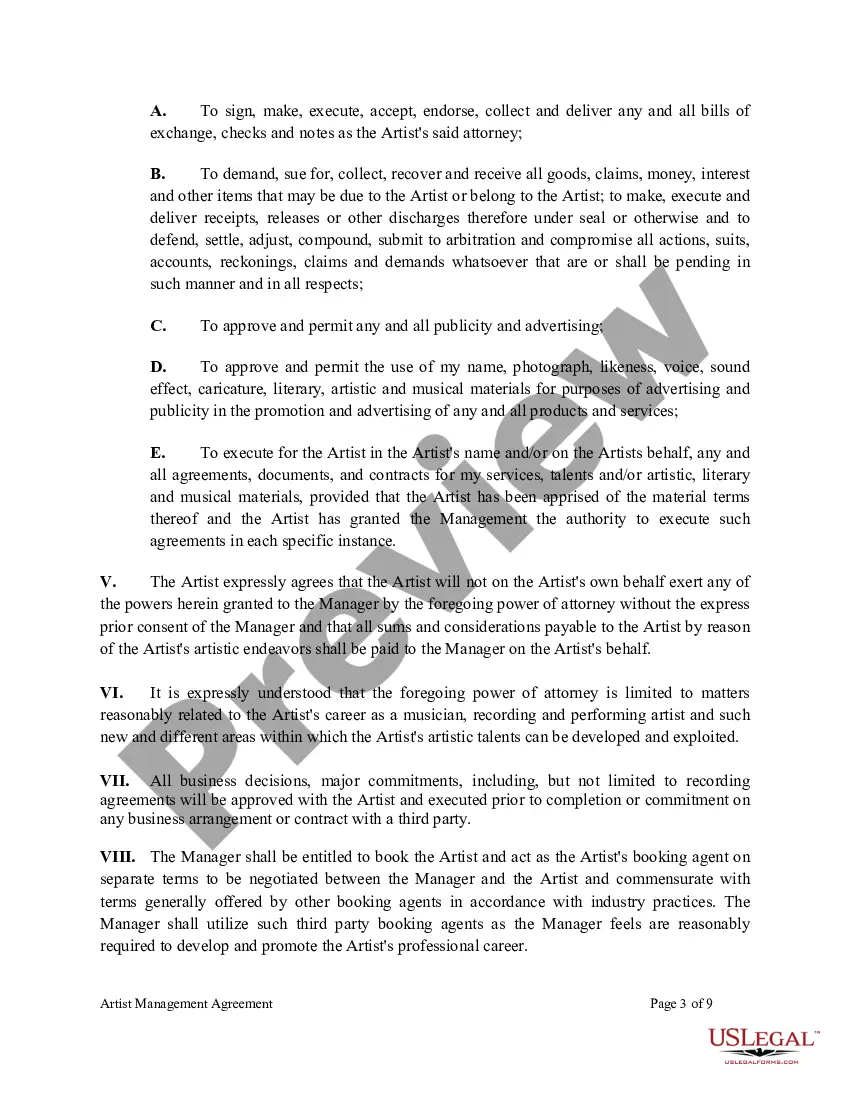
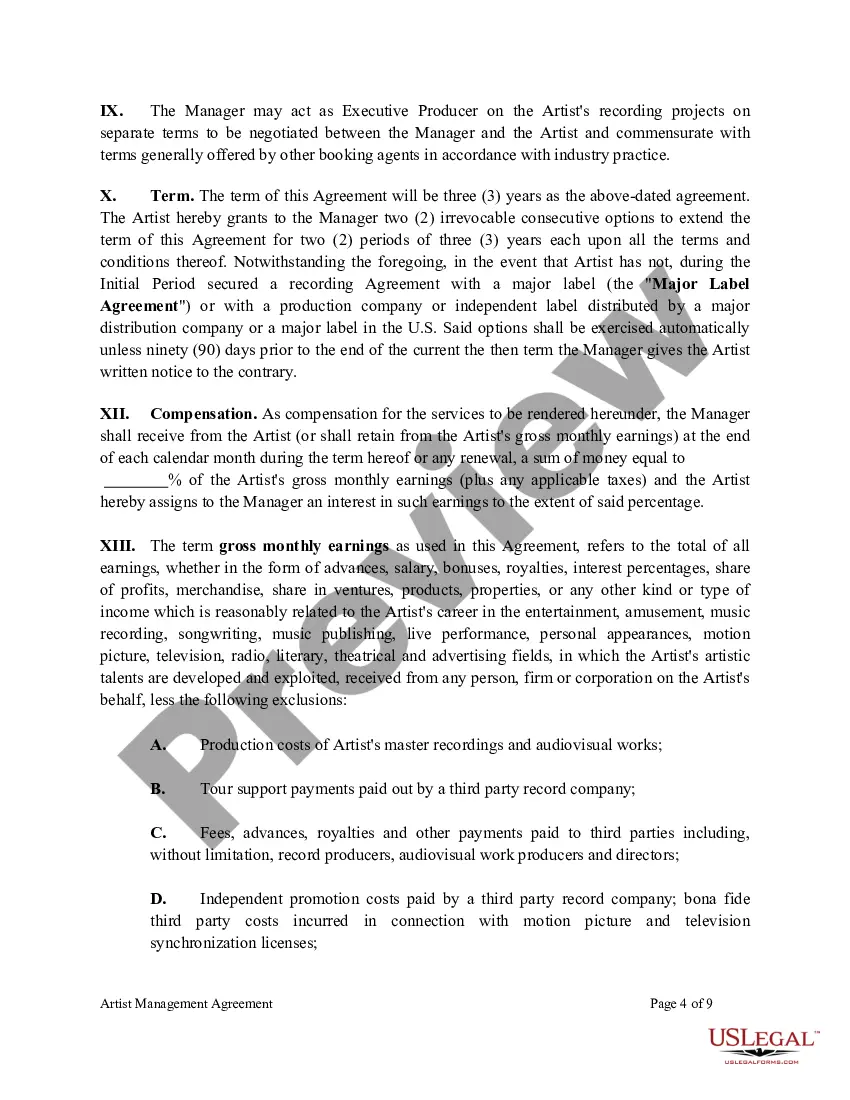
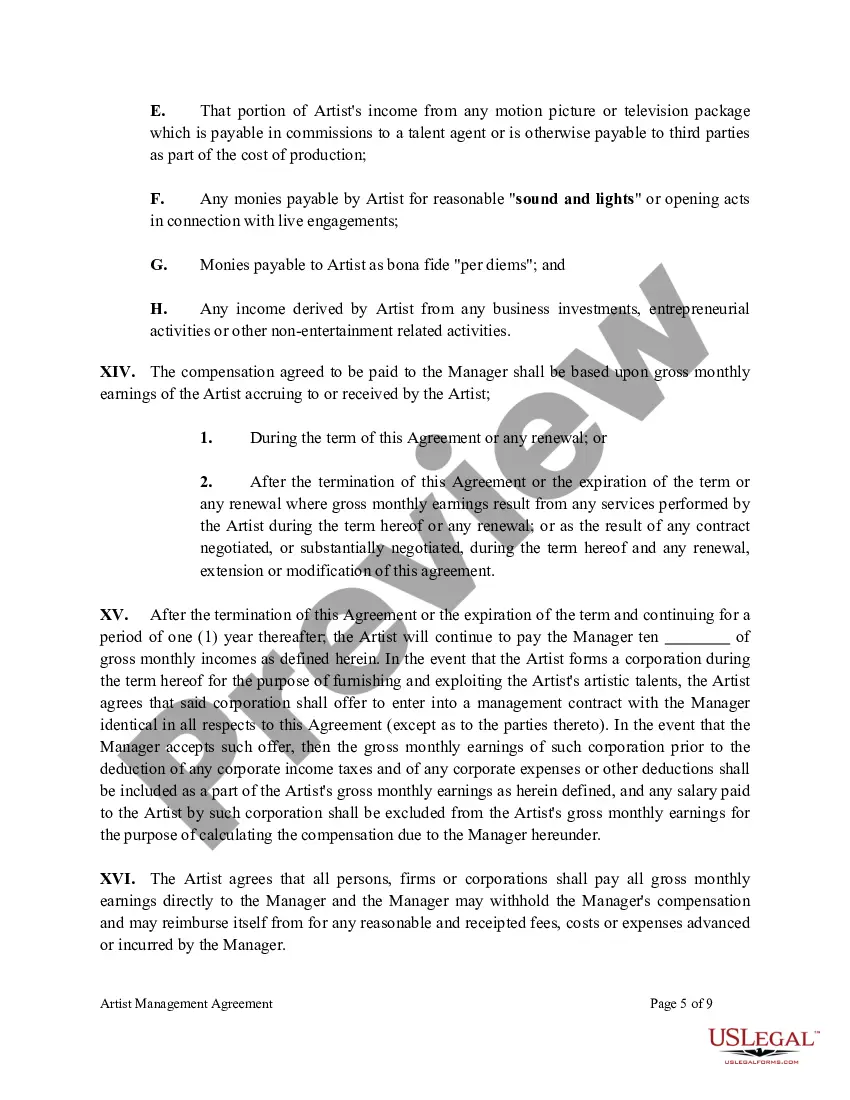

Get your form ready online
Our built-in tools help you complete, sign, share, and store your documents in one place.
Make edits, fill in missing information, and update formatting in US Legal Forms—just like you would in MS Word.
Download a copy, print it, send it by email, or mail it via USPS—whatever works best for your next step.
Sign and collect signatures with our SignNow integration. Send to multiple recipients, set reminders, and more. Go Premium to unlock E-Sign.
If this form requires notarization, complete it online through a secure video call—no need to meet a notary in person or wait for an appointment.
We protect your documents and personal data by following strict security and privacy standards.

Make edits, fill in missing information, and update formatting in US Legal Forms—just like you would in MS Word.

Download a copy, print it, send it by email, or mail it via USPS—whatever works best for your next step.

Sign and collect signatures with our SignNow integration. Send to multiple recipients, set reminders, and more. Go Premium to unlock E-Sign.

If this form requires notarization, complete it online through a secure video call—no need to meet a notary in person or wait for an appointment.

We protect your documents and personal data by following strict security and privacy standards.
Looking for another form?


Form popularity
FAQ
Process for developing a management plan Develop a vision statement. Develop a mission statement. Set goals. Set major initiatives. Cover page and table of contents. Executive summary. Industry and organisation. Asset management plan. Market research. Financial plan. Future considerations. Customer services plan.
Contract management includes negotiating the terms and conditions in contracts and ensuring compliance with the terms and conditions, as well as documenting and agreeing on any changes or amendments that may arise during its implementation or execution.
Exploring the key stages of the contract management lifecycle Stage 1: Contract Initiation. Stage 2: Contract Creation and Negotiation. Stage 3: Contract Approval. Stage 4: Contract Execution. Stage 5: Contract Monitoring and Management. Stage 6: Contract Renewal or Termination.
Contract Overview. Briefly outline. Objectives. List objectives and desired outcomes here. Transitional arrangements and mobilisation. Briefly outline. Performance management. Briefly outline. Finance. Briefly outline. Governance arrangements. Communication with provider. Briefly outline. Communication with stakeholders.
This good practice framework defines the four blocks – structure and resources, delivery, development, and strategy – comprising 11 areas (Figure 1) that organisations should consider when planning and delivering contract management.
Contract management in construction is the process of overseeing and administrating contracts between various parties involved in a construction project. It encompasses activities such as the negotiation of contract terms, monitoring compliance with agreed-upon conditions, and facilitating dispute resolutions.
Some examples of Contract Management activities are: Phone calls with suppliers; Meetings with suppliers; Score carding of suppliers; Site visits; Analysing performance information; Problem solving; Benchmarking against other similar contracts/suppliers; Analysing management information.
It is the process of managing contracts throughout the life cycle of a project, from pre-award negotiation to post-award administration.
A construction management agreement (CMA) outlines and formalizes the distinct roles, duties, and commitments of both parties during the contract period. It also specifies compensation and potential financial responsibilities for both parties.
