Management Company Examples In Michigan
Description

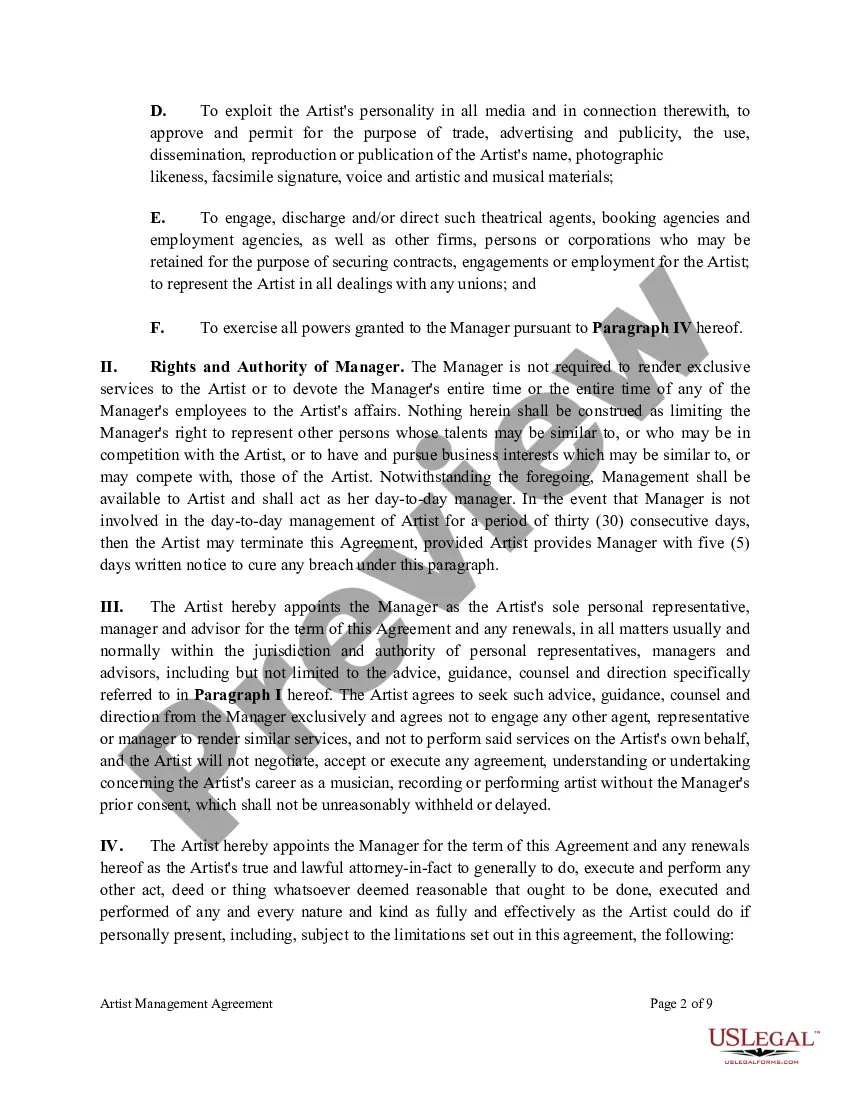
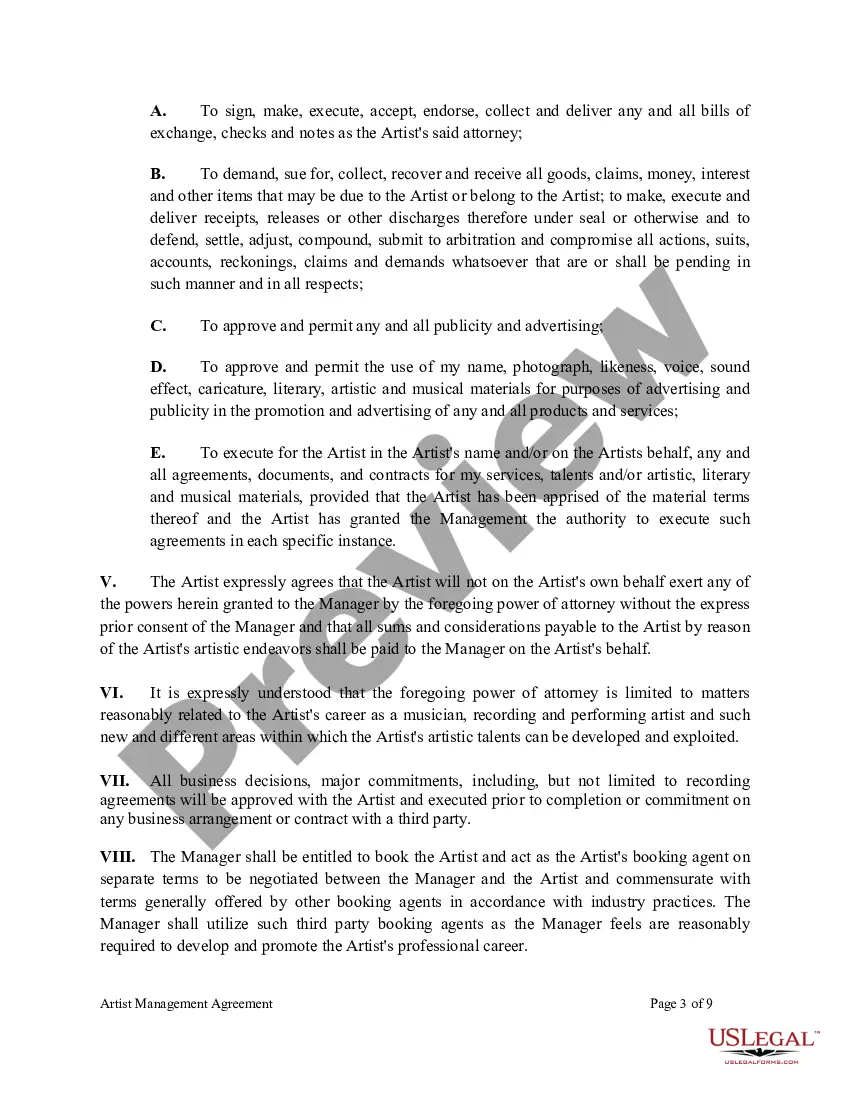
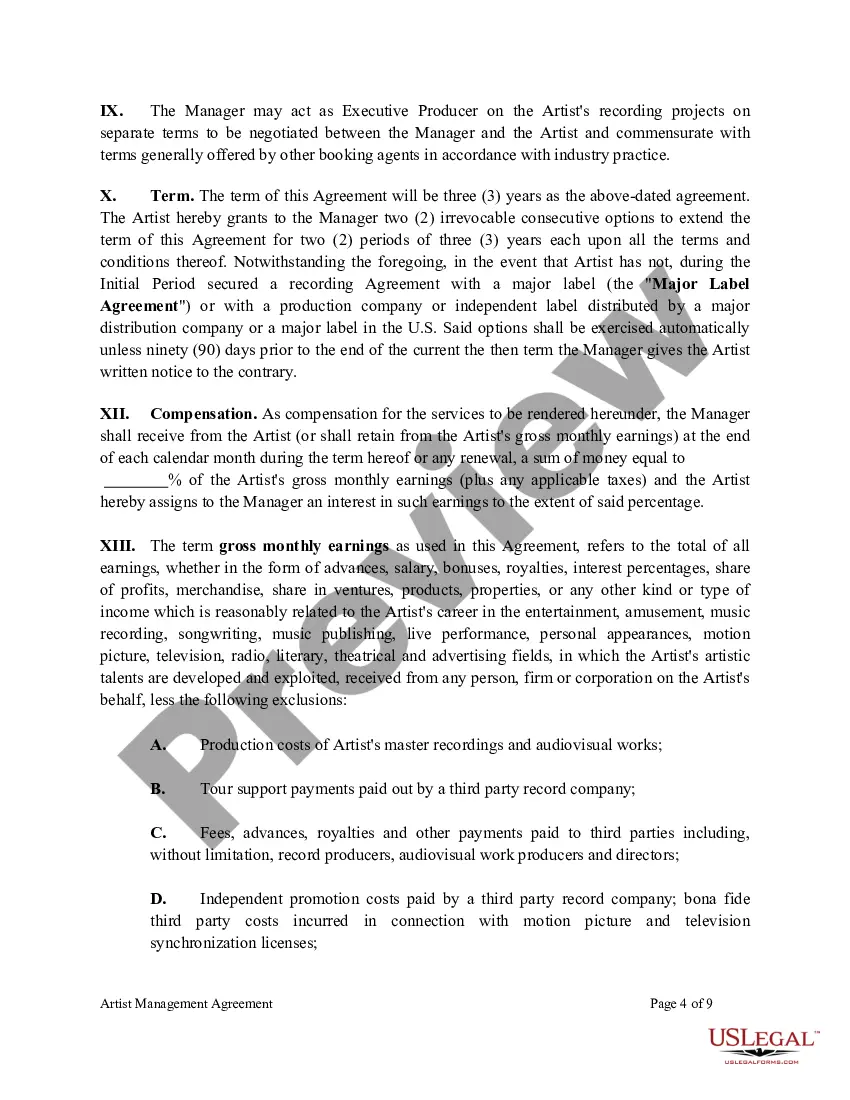
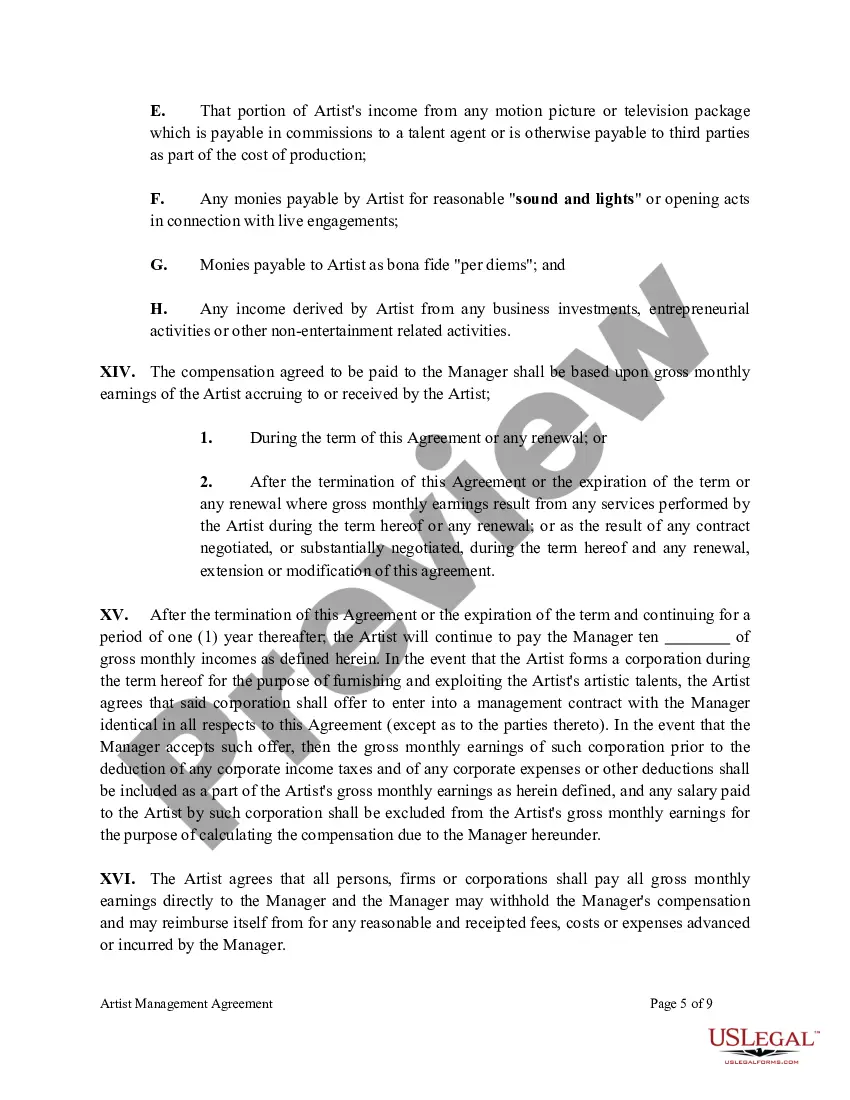
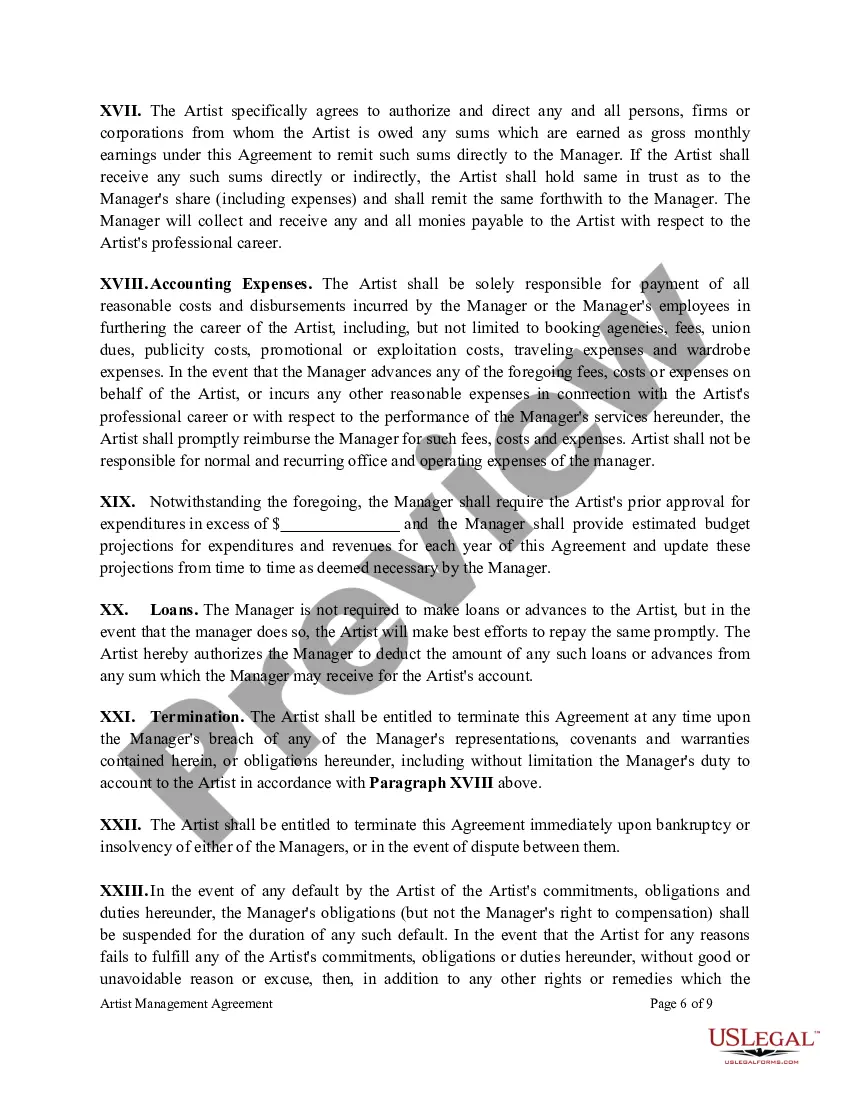
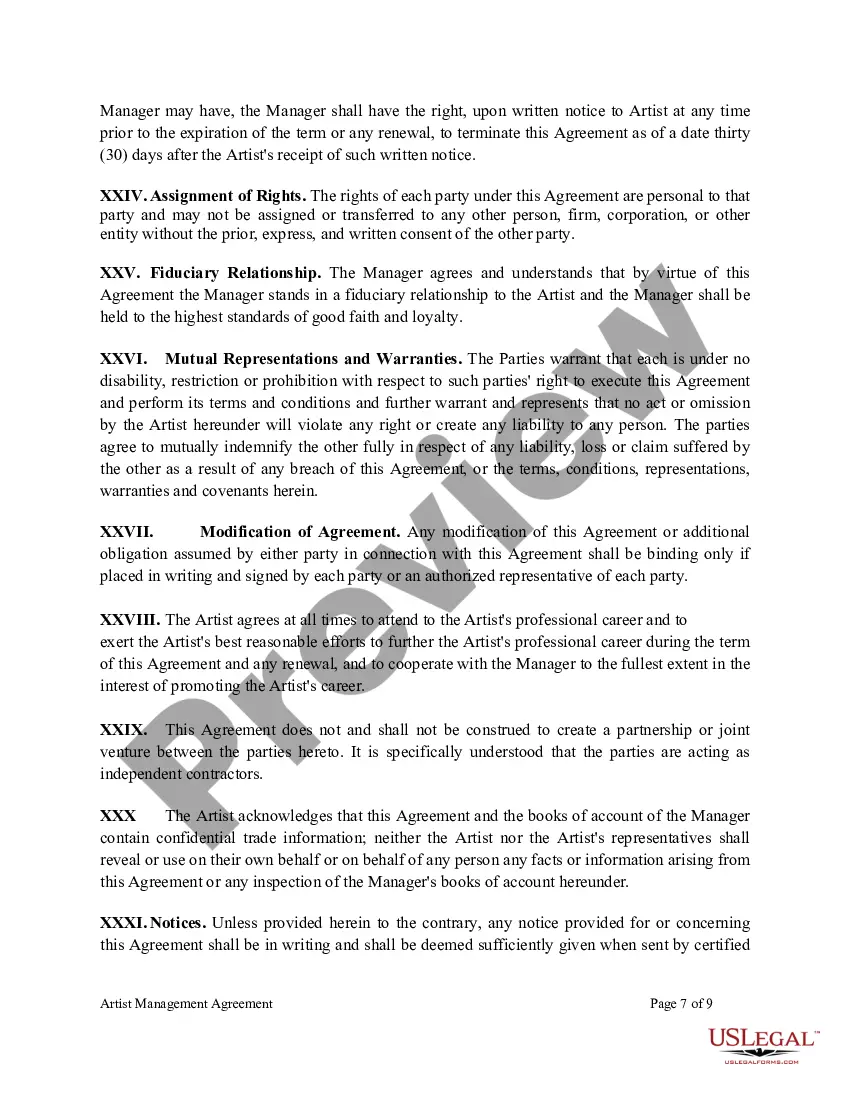
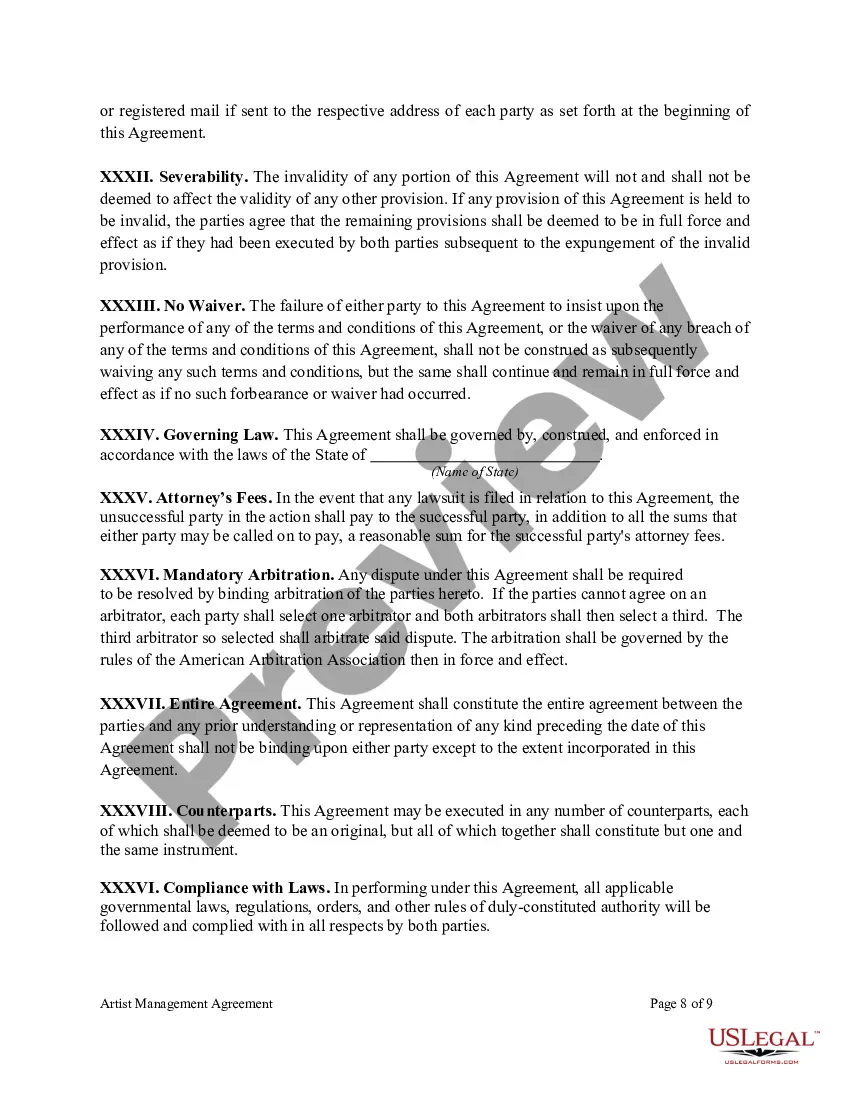

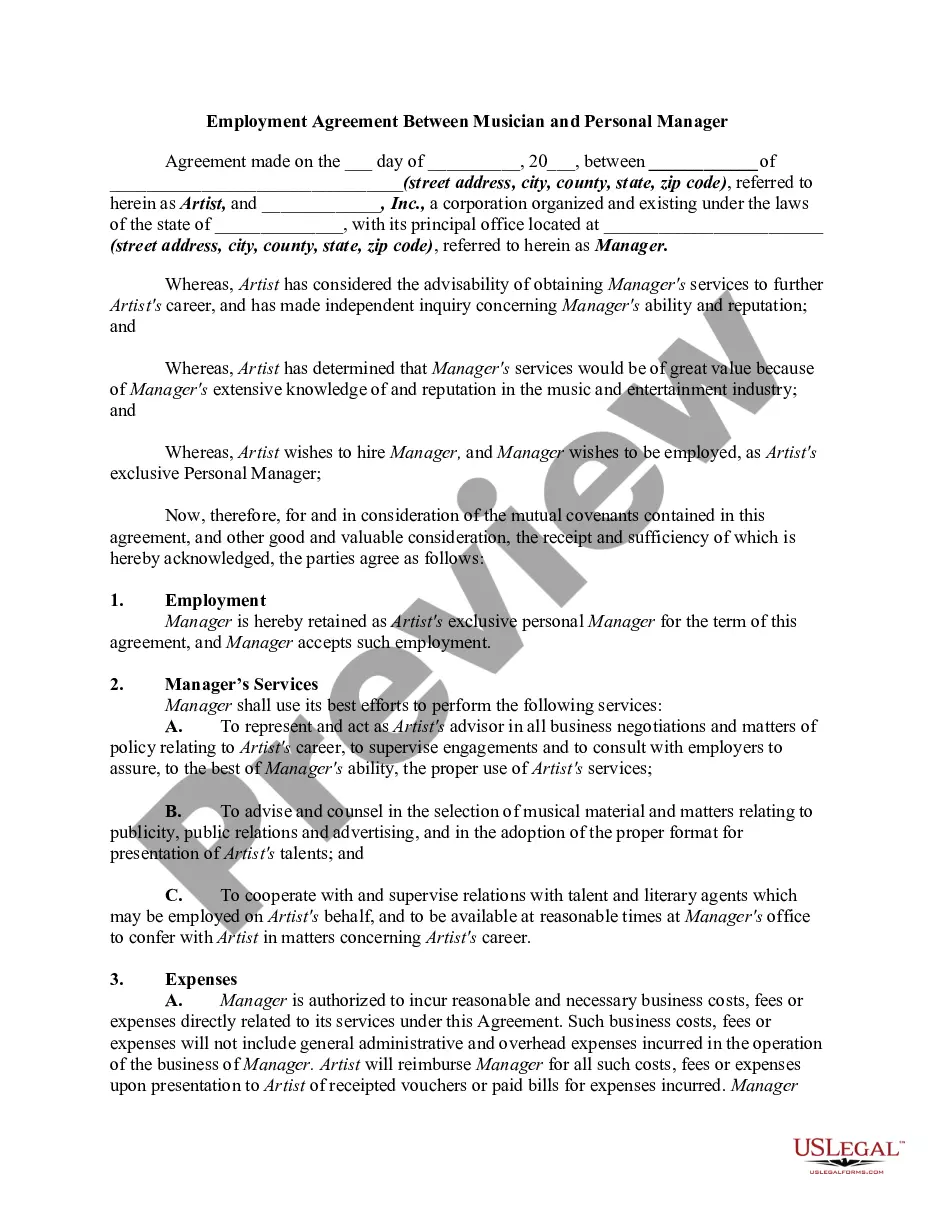
Get your form ready online
Our built-in tools help you complete, sign, share, and store your documents in one place.
Make edits, fill in missing information, and update formatting in US Legal Forms—just like you would in MS Word.
Download a copy, print it, send it by email, or mail it via USPS—whatever works best for your next step.
Sign and collect signatures with our SignNow integration. Send to multiple recipients, set reminders, and more. Go Premium to unlock E-Sign.
If this form requires notarization, complete it online through a secure video call—no need to meet a notary in person or wait for an appointment.
We protect your documents and personal data by following strict security and privacy standards.

Make edits, fill in missing information, and update formatting in US Legal Forms—just like you would in MS Word.

Download a copy, print it, send it by email, or mail it via USPS—whatever works best for your next step.

Sign and collect signatures with our SignNow integration. Send to multiple recipients, set reminders, and more. Go Premium to unlock E-Sign.

If this form requires notarization, complete it online through a secure video call—no need to meet a notary in person or wait for an appointment.

We protect your documents and personal data by following strict security and privacy standards.
Looking for another form?







Form popularity
FAQ
In a manager-managed LLC, members (owners) hire managers to run the business. Managers are typically considered employees and receive a salary for their work. A manager could be a member, an outside individual, an LLC, a corporation, a management company, or any combination thereof.
Holding companies and management companies are not the same thing. One, as the name suggests, holds or owns underlying assets (other businesses). The other offers management services in exchange for fees, and typically doesn't own underlying assets.
Management (or managing) is the administration of organizations, whether they are a business, a nonprofit organization, or a government body through business administration, nonprofit management, or the political science sub-field of public administration respectively.
There are over 304,000 property management businesses in the U.S., with 238,000 focusing on residential properties. About 35% of property managers handle between 101 and 500 units, showcasing scalability across portfolios. The leading property management company manages 798,272 rental units as of 2025.
A management company is a type of company that provides management services to other businesses or individuals. This can include managing finances, personnel, and other aspects of a business. For example, a property management company may be hired to manage a rental property on behalf of the owner.
Contacting Local Real Estate Offices Real estate brokers and property management firms often have detailed knowledge about who manages specific commercial properties. You can: Visit or call local real estate offices and ask for information about the property manager.
In most cases, a single property manager will handle up to 40 different properties. However, this is not a fixed number. Depending on the scale of their operations and the size of their team, a real estate manager can manage anywhere from 50 to 200 sites.
The average profit margins for property management companies are around 10% to 15%. This means that for every 100 dollars of revenue, a property management company will make $10 to $15 in profit.
To become a licensed property manager in Michigan, obtaining a Real Estate Broker License is necessary. Eligibility typically requires a four-year college degree or relevant work experience as a licensed real estate salesperson.
To become a property manager in Michigan, one must navigate through a series of licensing procedures that include acquiring a real estate salesperson or broker license. These licenses require different levels of experience and education, as well as passing a state exam.
