Management Business Examples In Illinois
Description


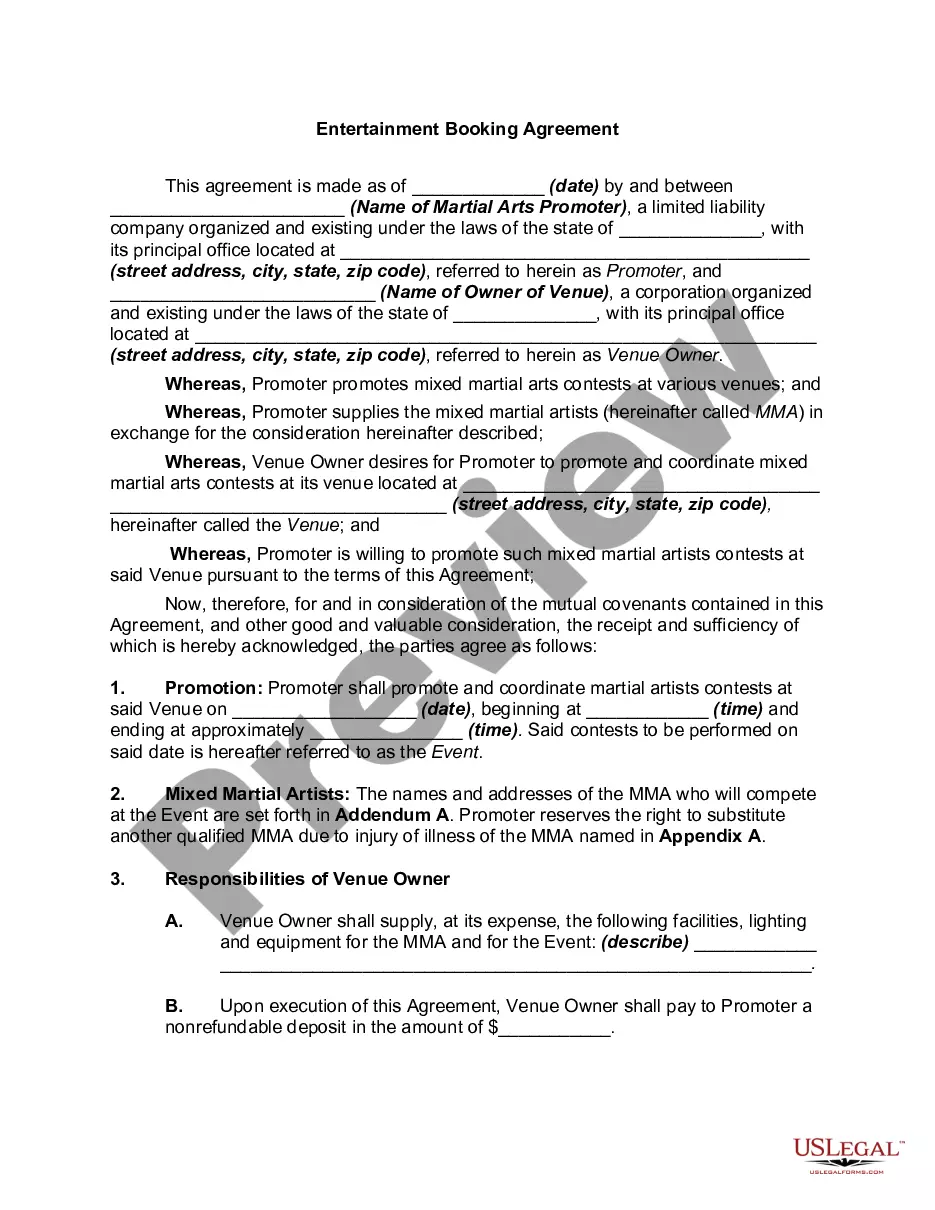
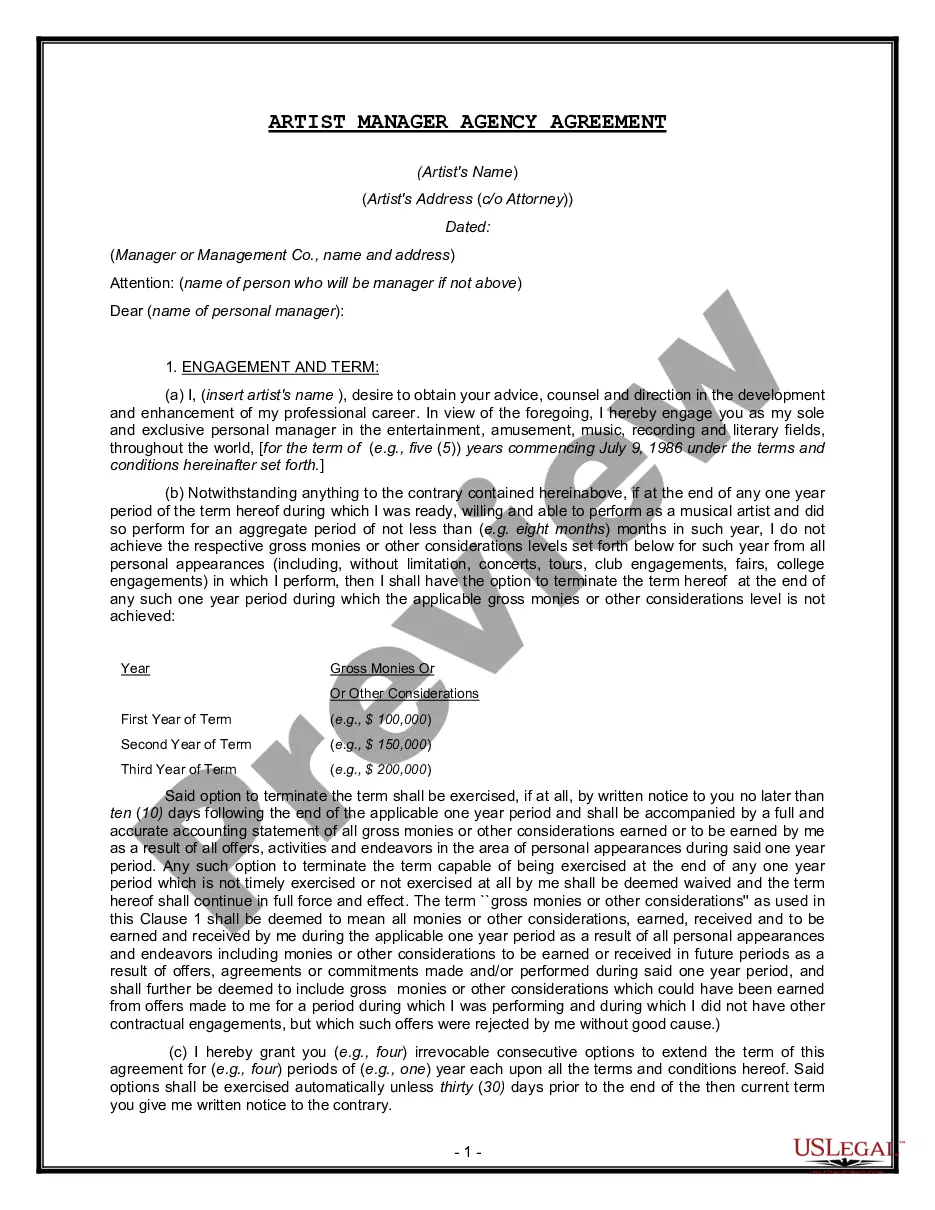
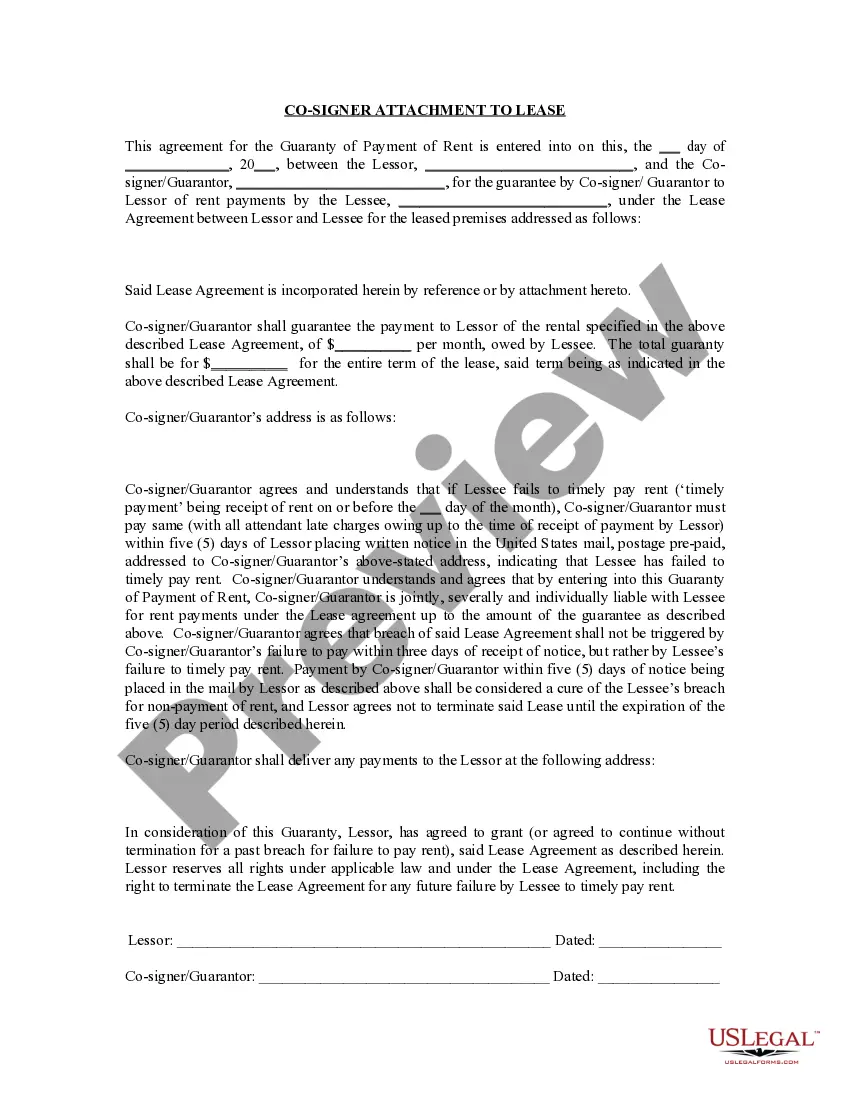
Get your form ready online
Our built-in tools help you complete, sign, share, and store your documents in one place.
Make edits, fill in missing information, and update formatting in US Legal Forms—just like you would in MS Word.
Download a copy, print it, send it by email, or mail it via USPS—whatever works best for your next step.
Sign and collect signatures with our SignNow integration. Send to multiple recipients, set reminders, and more. Go Premium to unlock E-Sign.
If this form requires notarization, complete it online through a secure video call—no need to meet a notary in person or wait for an appointment.
We protect your documents and personal data by following strict security and privacy standards.

Make edits, fill in missing information, and update formatting in US Legal Forms—just like you would in MS Word.

Download a copy, print it, send it by email, or mail it via USPS—whatever works best for your next step.

Sign and collect signatures with our SignNow integration. Send to multiple recipients, set reminders, and more. Go Premium to unlock E-Sign.

If this form requires notarization, complete it online through a secure video call—no need to meet a notary in person or wait for an appointment.

We protect your documents and personal data by following strict security and privacy standards.
Looking for another form?









Form popularity
FAQ
How to manage a business Clarify your vision. Draft a business plan. Figure out your finances. Budget for growth. Assemble your team. Practice good people management. Emphasize communication. Consider the customer.
"Small business" means any for profit entity, independently owned and operated, that grosses less than $4,000,000 per year or that has 50 or fewer full-time employees. For the purposes of this Act, a "small business" has its principal office in Illinois.
Steps to forming a corporation Select a state of incorporation. Choose a business name. File incorporation paperwork. Appoint a registered agent. Prepare corporate bylaws. Draft a shareholders' agreement. Hold the first board meeting. Get an EIN.
Illinois LLC Processing Times Normal LLC processing time:Expedited LLC: Illinois LLC by mail: 7-14 business days (plus mail time) 24 hours ($100 extra) Illinois LLC online: 5-10 business days 24 hours ($100 extra)
Usually, only one tax return is filed for the LLC, to include the net income or loss from each series. However, each series must have its own EIN number and keep separate books and records.
QSBS Eligibility Rules The stock must have been issued by a US C-corporation after August 10, 1993 and the issuing company must have aggregate gross assets of $50 million or less immediately following issuance.
It defines small business by firm revenue (ranging from $1 million to over $40 million) and by employment (from 100 to over 1,500 employees). For example, ing to the SBA definition, a roofing contractor is defined as a small business if it has annual revenues of $16.5 million or less.
While Illinois doesn't have a blanket business license requirement, most businesses (including sole proprietors, exempt organizations, and government agencies that withhold Illinois income tax for Illinois employees) that conduct business in the state or with Illinois customers must register with the Illinois ...
Meet size standards SBA assigns a size standard to each NAICS code. Most manufacturing companies with 500 employees or fewer, and most non-manufacturing businesses with average annual receipts under $7.5 million, will qualify as a small business.
