Contract Management For Procurement In Illinois
Description

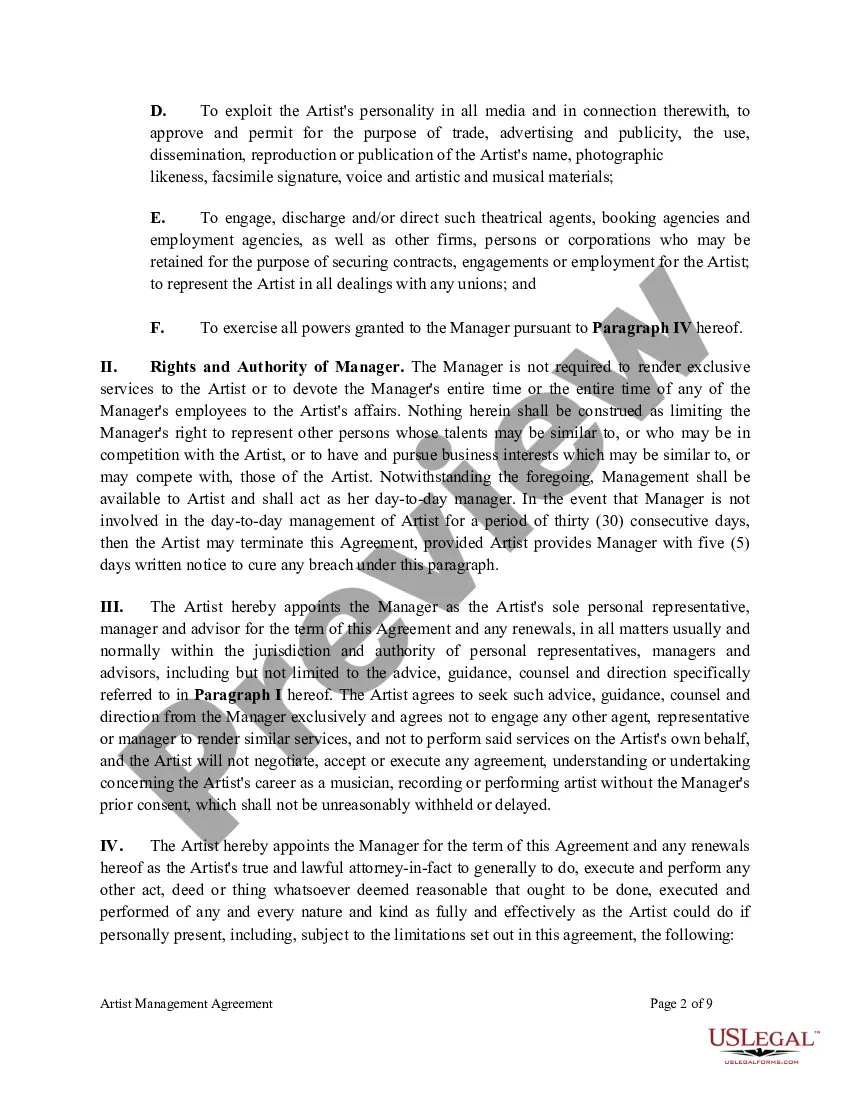
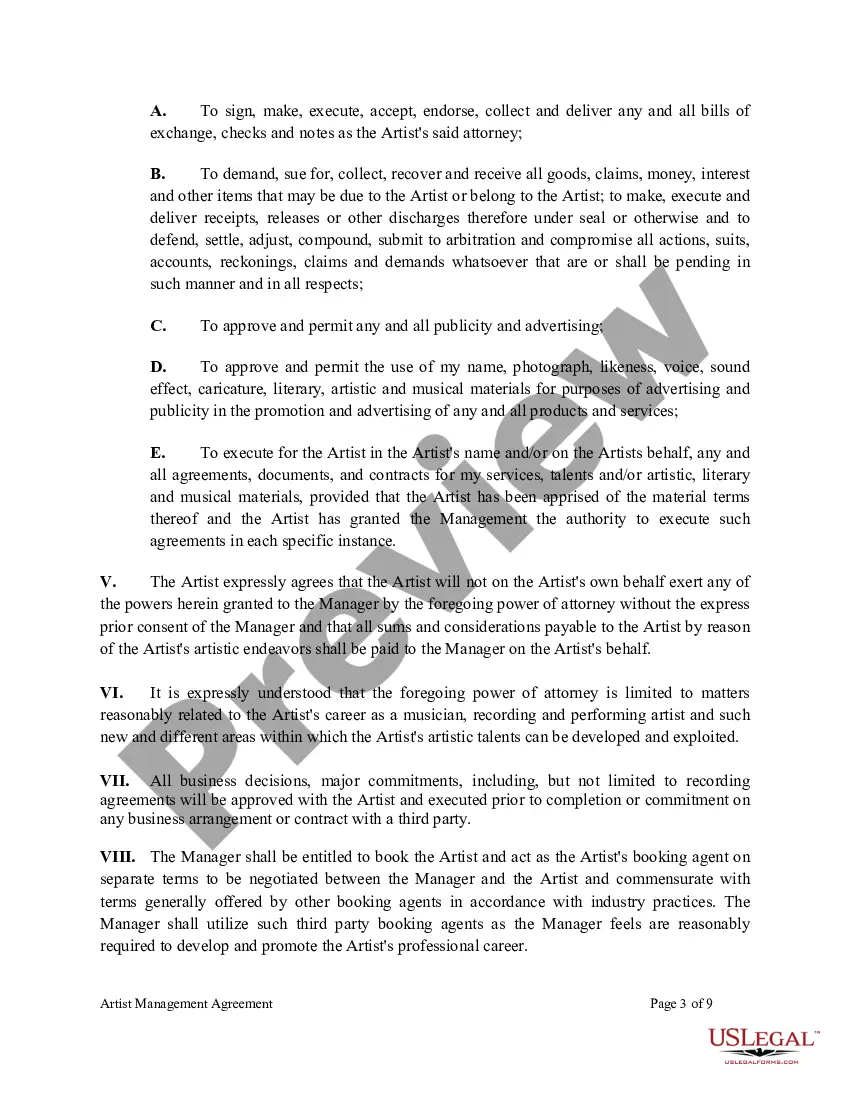
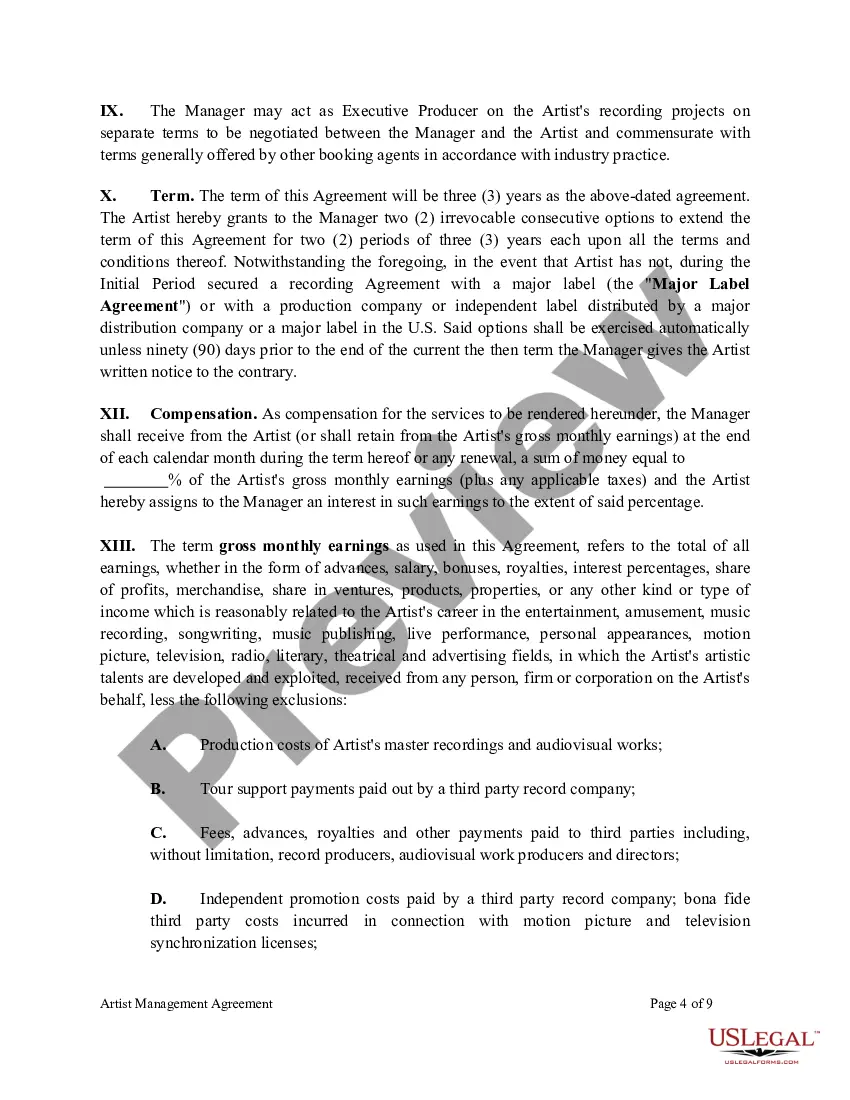
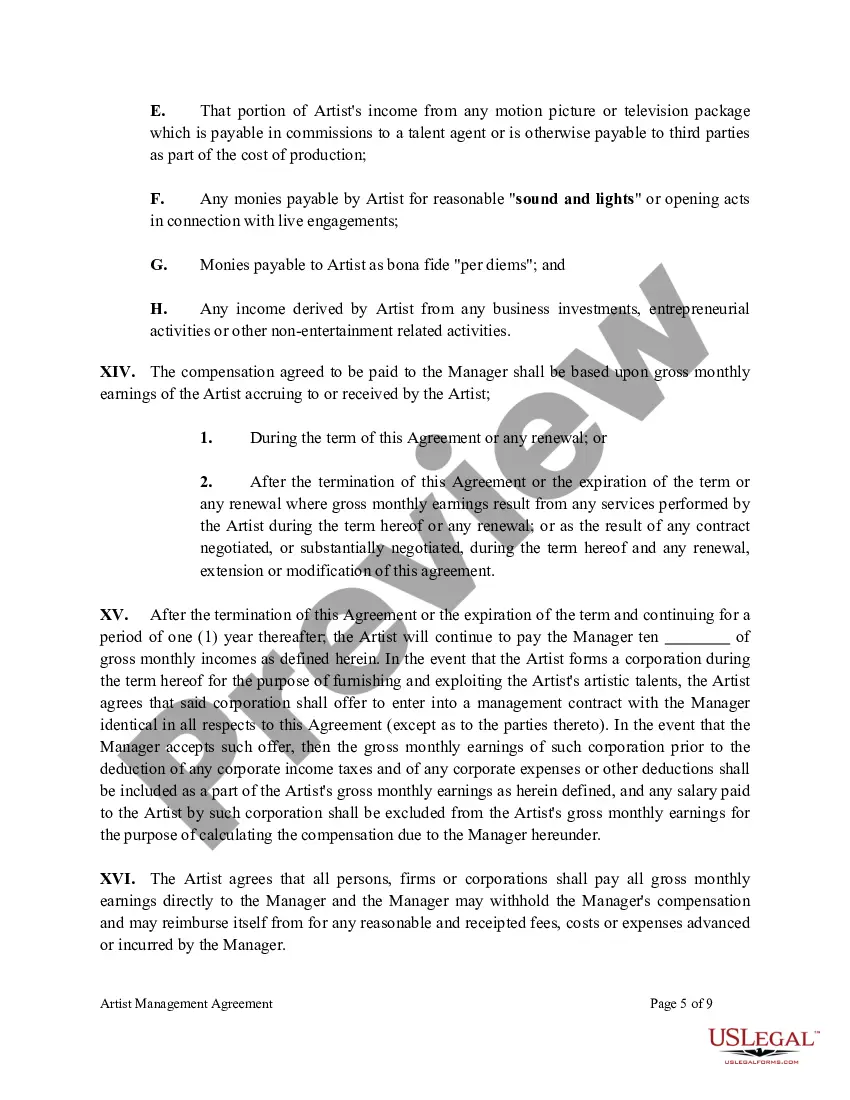
Get your form ready online
Our built-in tools help you complete, sign, share, and store your documents in one place.
Make edits, fill in missing information, and update formatting in US Legal Forms—just like you would in MS Word.
Download a copy, print it, send it by email, or mail it via USPS—whatever works best for your next step.
Sign and collect signatures with our SignNow integration. Send to multiple recipients, set reminders, and more. Go Premium to unlock E-Sign.
If this form requires notarization, complete it online through a secure video call—no need to meet a notary in person or wait for an appointment.
We protect your documents and personal data by following strict security and privacy standards.

Make edits, fill in missing information, and update formatting in US Legal Forms—just like you would in MS Word.

Download a copy, print it, send it by email, or mail it via USPS—whatever works best for your next step.

Sign and collect signatures with our SignNow integration. Send to multiple recipients, set reminders, and more. Go Premium to unlock E-Sign.

If this form requires notarization, complete it online through a secure video call—no need to meet a notary in person or wait for an appointment.

We protect your documents and personal data by following strict security and privacy standards.
Looking for another form?

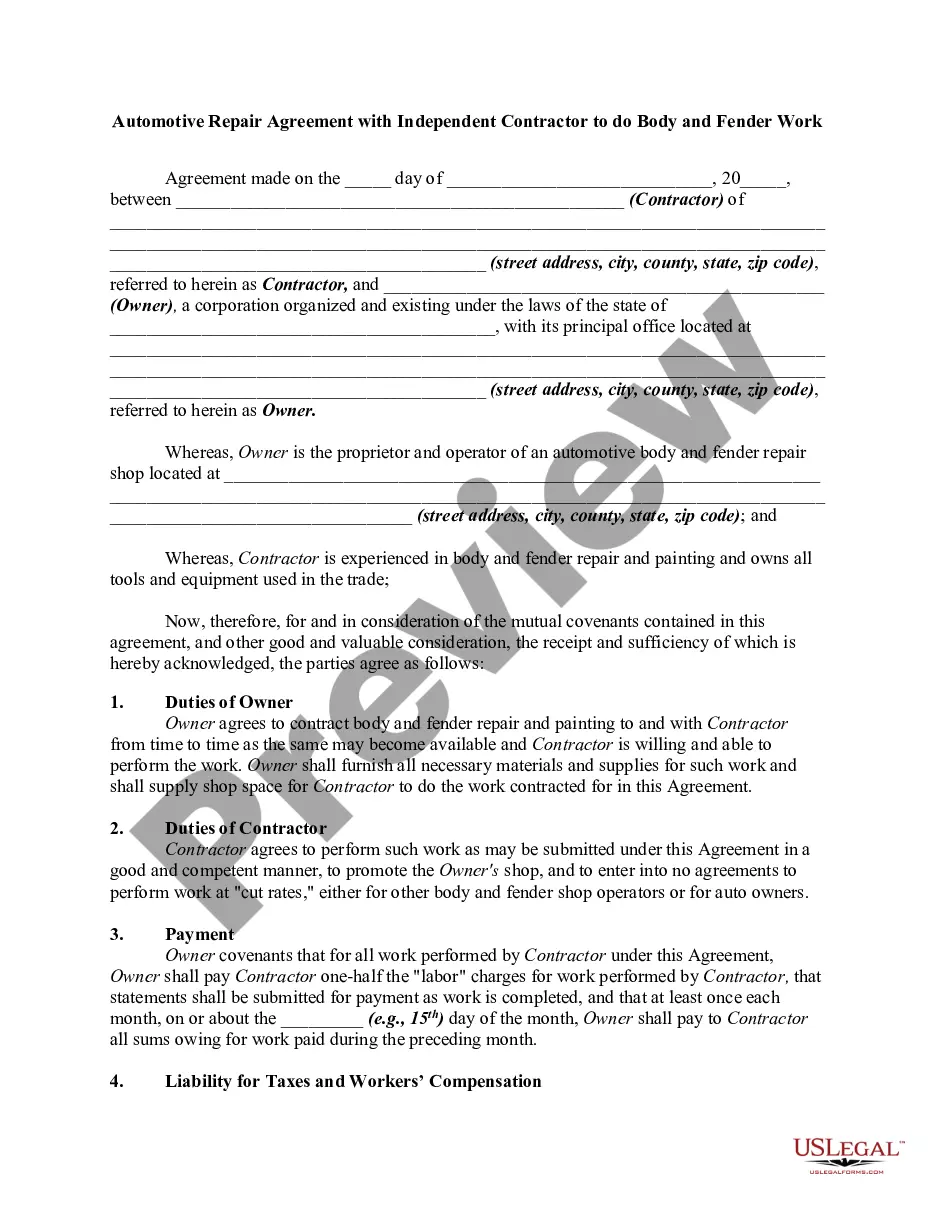



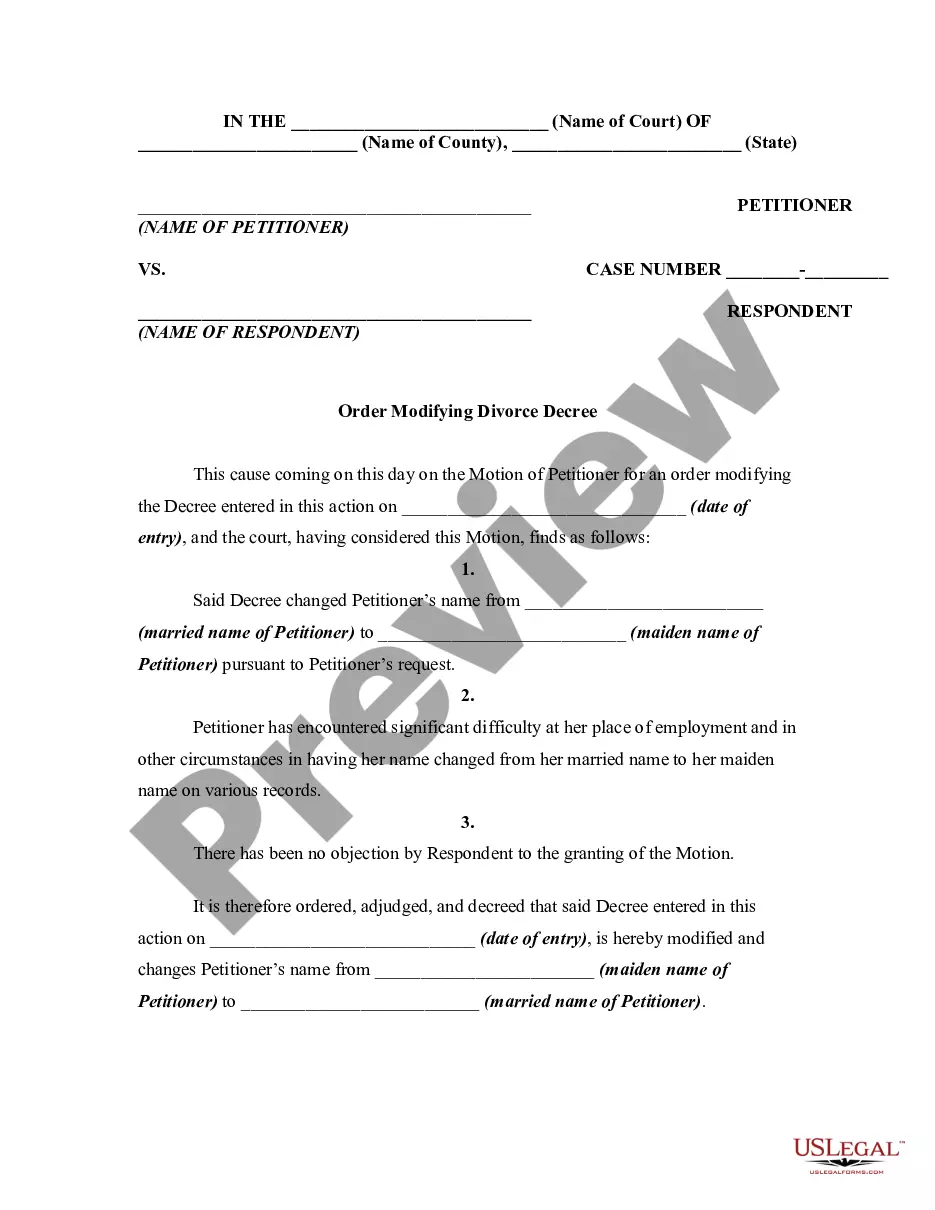



Form popularity
FAQ
The Stages of Contract Management This may involve: co-ordinating communication between the current and new supplier; providing information; planning. The normal working period of the contract. This may involve solving any issues that may arise e.g. supply problems.
The elements in a successful (and functional) procurement contract include: Full consideration of all sourcing processes. Robust and comprehensive negotiations. Detailed project management requirements. Precise definitions of key contract terms. Essential KPIs with specific contractual aspects included.
The six stages of a contract lifecycle are: Contract creation. Negotiation and collaboration. Review and approval. Administration and execution. Ongoing management and renewal. Reporting and tracking.
Procurement management focuses on securing favorable terms and contracts while contract management ensures the delivery of promised value throughout the contract's lifecycle.
Overview: Seven Stages of Procurement Stage One: Need Identification. Stage Two: Pre- Solicitation. Stage Three: Solicitation Preparation. Stage Four: Solicitation Process. Stage Five: Evaluation Process. Stage Six: Award Process. Stage Seven: Contract Process. All Seven Stages.
Procurement contract management is the process of managing contracts related to Procurement and purchases made as a part of legal documentation of forging work relationships with customers, vendors, or even partners.
What Is Procurement Contracting? Procurement contracting is the process of building legally binding agreements between contractors and suppliers in the course of managing a project. These contracts are needed for projects to obtain needed materials, supplies and services.
Procurement contract management is the process of managing contracts related to Procurement and purchases made as a part of legal documentation of forging work relationships with customers, vendors, or even partners.
The stages of contract management can be broken down into pre-signature (creation, negotiation/collaboration, and review/approval) and post-signature (administration/execution, renewal/termination, and reporting/tracking).
Contract Management Best Practices in Procurement Establish clear contract objectives. Conduct thorough supplier evaluations and selection. Maintain open and transparent communication. Regularly monitor supplier performance against KPIs and SLAs.
