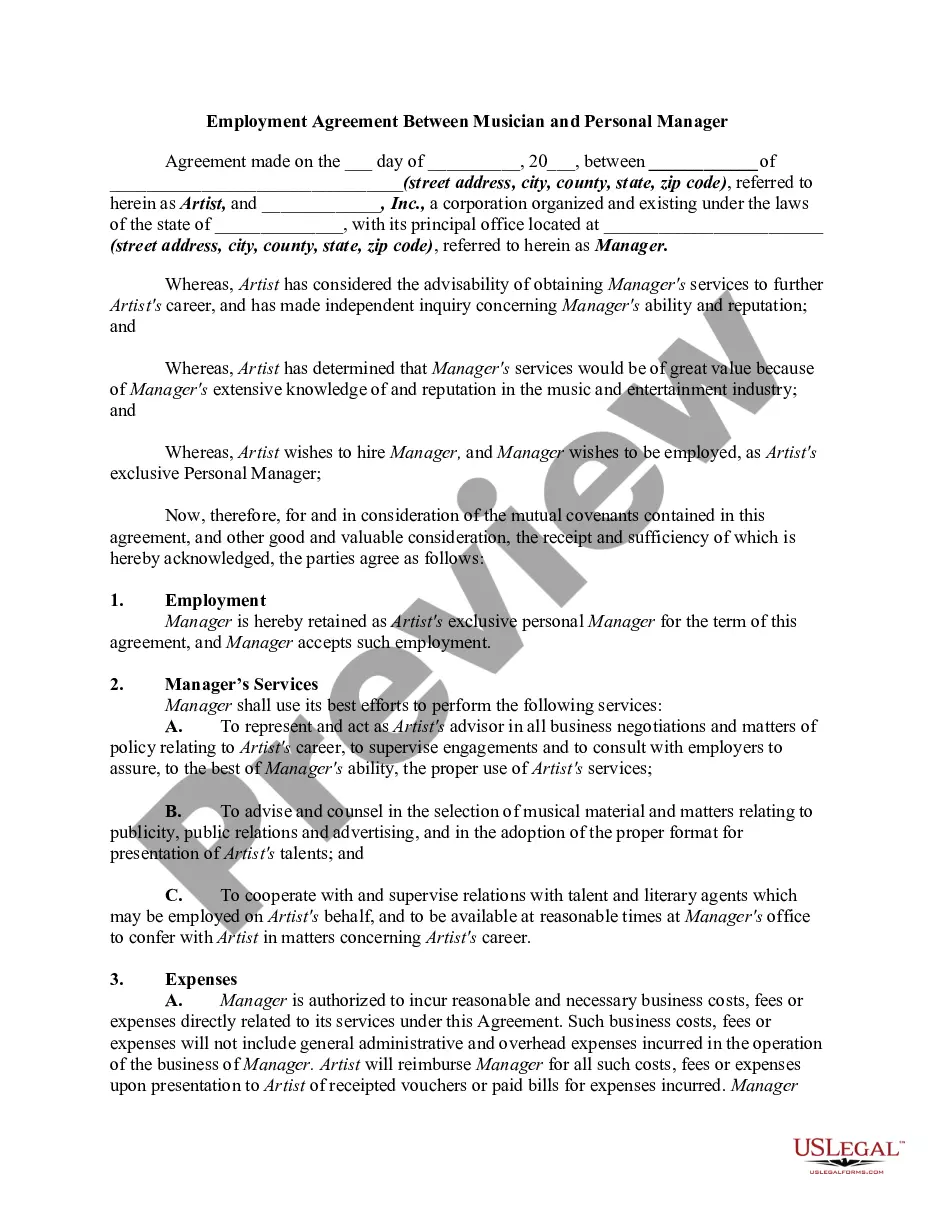
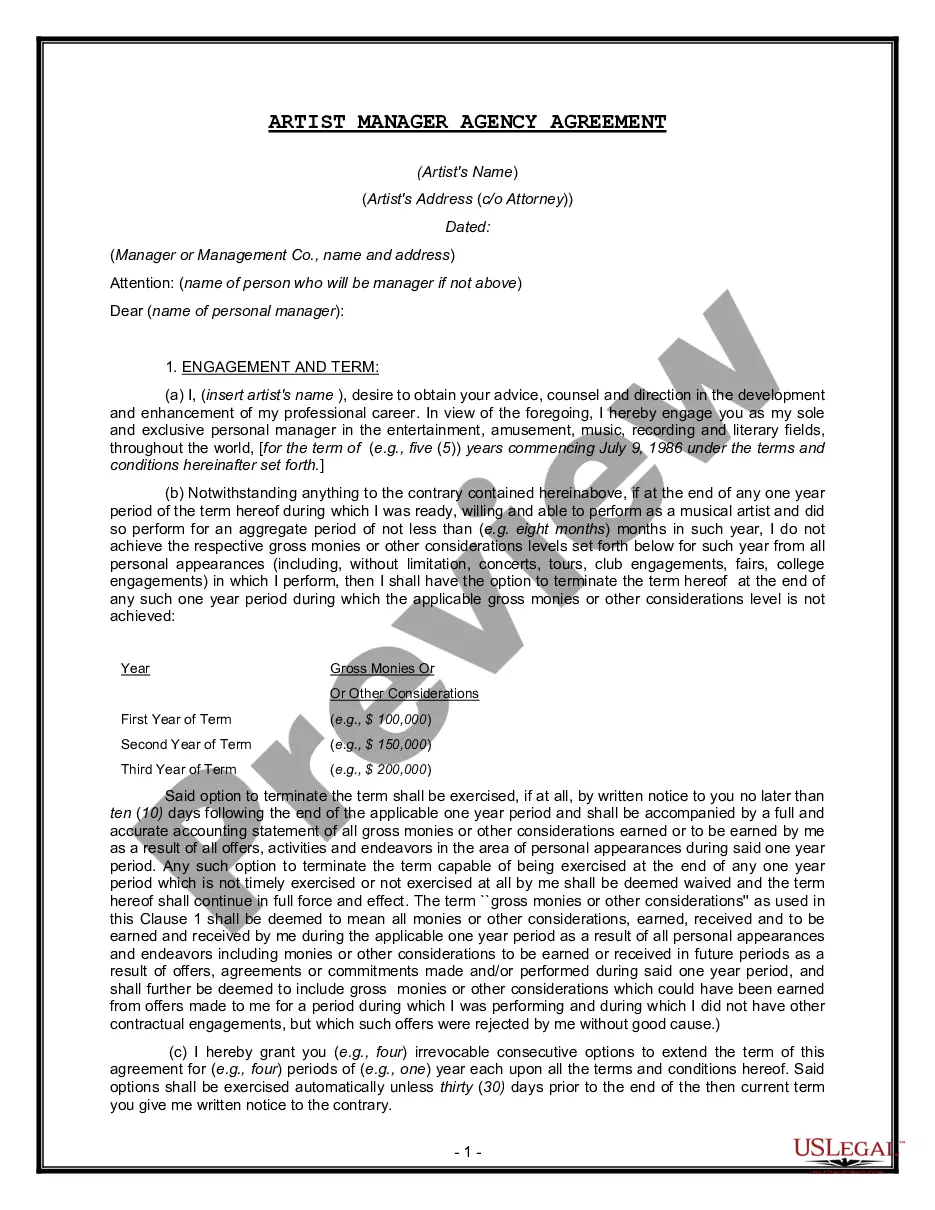
Sample Management Contract With Penalty Clause Philippines In Hillsborough
Description


Get your form ready online
Our built-in tools help you complete, sign, share, and store your documents in one place.
Make edits, fill in missing information, and update formatting in US Legal Forms—just like you would in MS Word.
Download a copy, print it, send it by email, or mail it via USPS—whatever works best for your next step.
Sign and collect signatures with our SignNow integration. Send to multiple recipients, set reminders, and more. Go Premium to unlock E-Sign.
If this form requires notarization, complete it online through a secure video call—no need to meet a notary in person or wait for an appointment.
We protect your documents and personal data by following strict security and privacy standards.

Make edits, fill in missing information, and update formatting in US Legal Forms—just like you would in MS Word.

Download a copy, print it, send it by email, or mail it via USPS—whatever works best for your next step.

Sign and collect signatures with our SignNow integration. Send to multiple recipients, set reminders, and more. Go Premium to unlock E-Sign.

If this form requires notarization, complete it online through a secure video call—no need to meet a notary in person or wait for an appointment.

We protect your documents and personal data by following strict security and privacy standards.
Looking for another form?









Form popularity
FAQ
A penalty clause is designed to punish a party by imposing a disproportionally high fees, making it unenforceable. Alternatively, you can include a liquidated damages clause, which, when drafted appropriately will be enforceable.
Penalty clauses are provisions in contracts that specify consequences, often monetary, for a party's failure to meet agreed-upon obligations. While primarily designed to deter breaches, they also help safeguard the interests of the non-breaching party.
Specific Penalty Amounts: Specify the exact monetary penalty that will be imposed for each failure to meet an obligation or deadline. Conditions for Imposition: Detail the conditions under which the penalty will be imposed, including how the breach or delay will be determined.
Generally, any clause included within a commercial contract which is included for the sole purpose of punishing a breaching party is deemed a 'penalty,' and is consequently unenforceable in law to the extent that it extends beyond the actual loss sustained as a result of the breach.
The key difference between liquidated damages and penalties is that liquidated damages are intended to compensate the non-breaching party for actual damages suffered, while penalties are intended to punish the breaching party.
These clauses allow parties, at the time of contracting, to agree to their respective damages liability if they later breach . While liquidated damages clauses are generally enforceable, courts do not enforce penalty clauses.
A clause which is out of all proportion to the legitimate interests of the innocent party may be considered to be oppressive and unconscionable and, therefore, an unenforceable penalty.
The rule against penalties is a manifestation of the court's concern that parties will create oppressive remedies for breach that amount to punishment of a counterparty. This is seen by the court as an improper use of the law of contract, the remedies for which are meant to be compensatory and not punitive in nature.
If the sum payable is far in excess of the probable damage on breach of the contract, then it is a penalty. If a contract mentions an amount payable at a certain date and an additional amount if a default happens, then the additional sum is a penalty. This is because a mere delay in payment is unlikely to cause damage.
