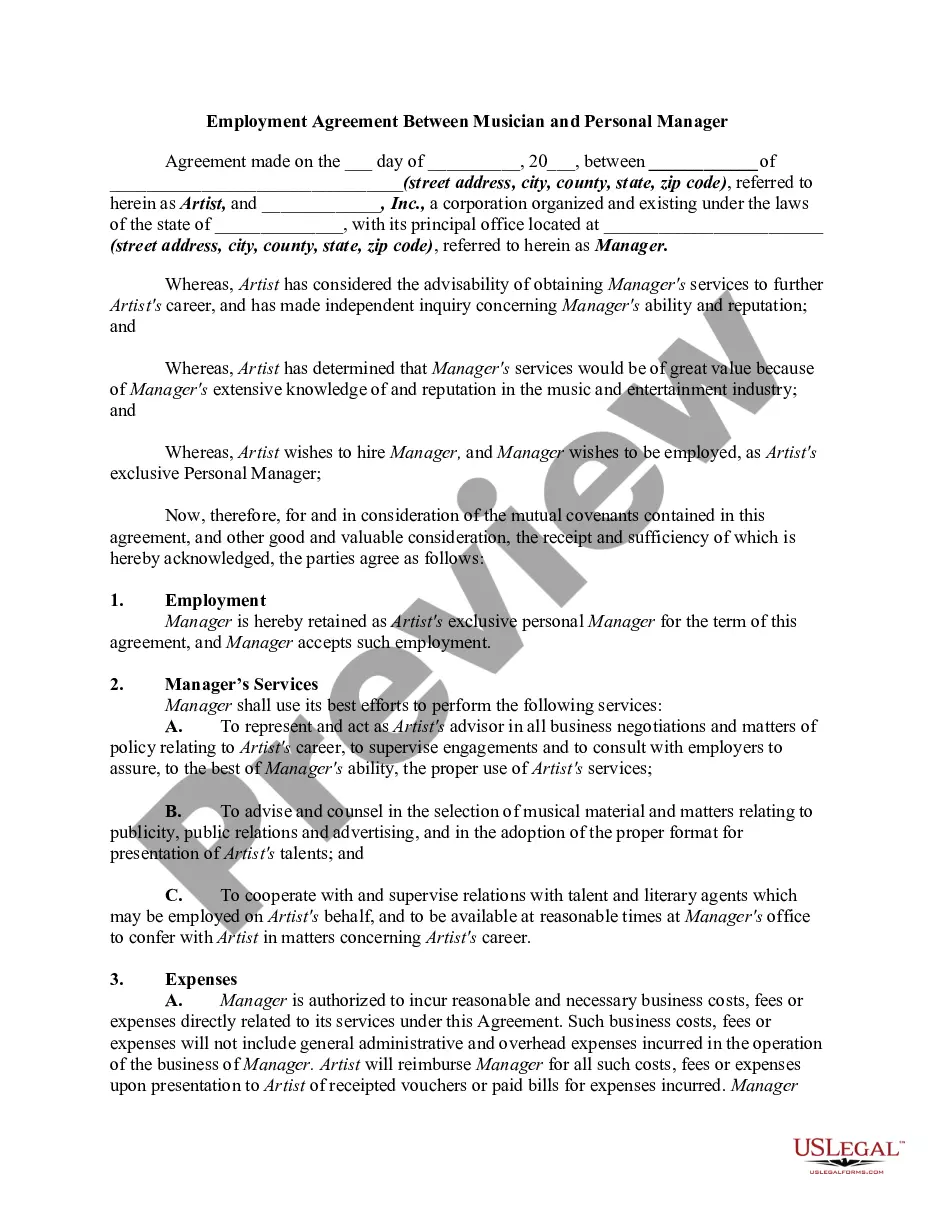
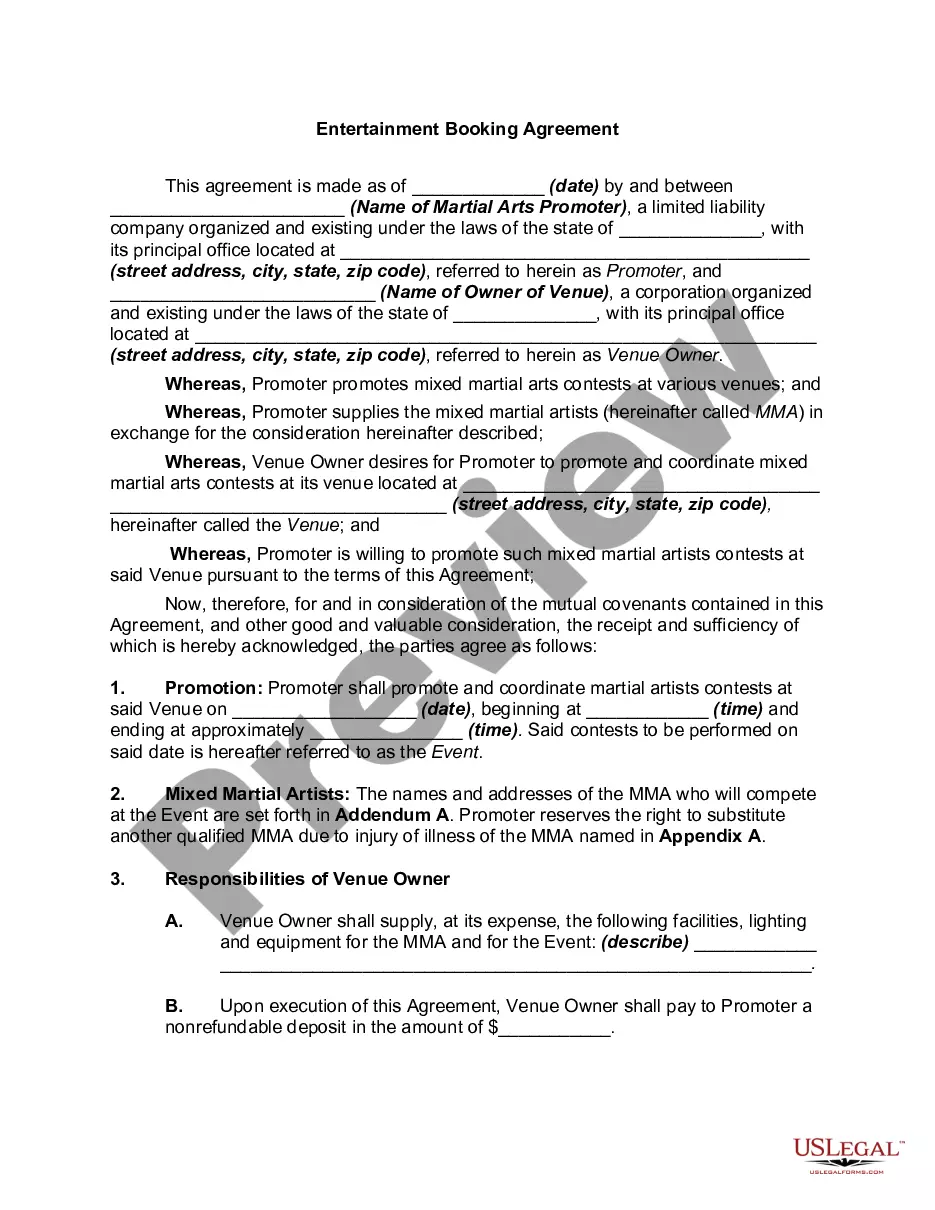
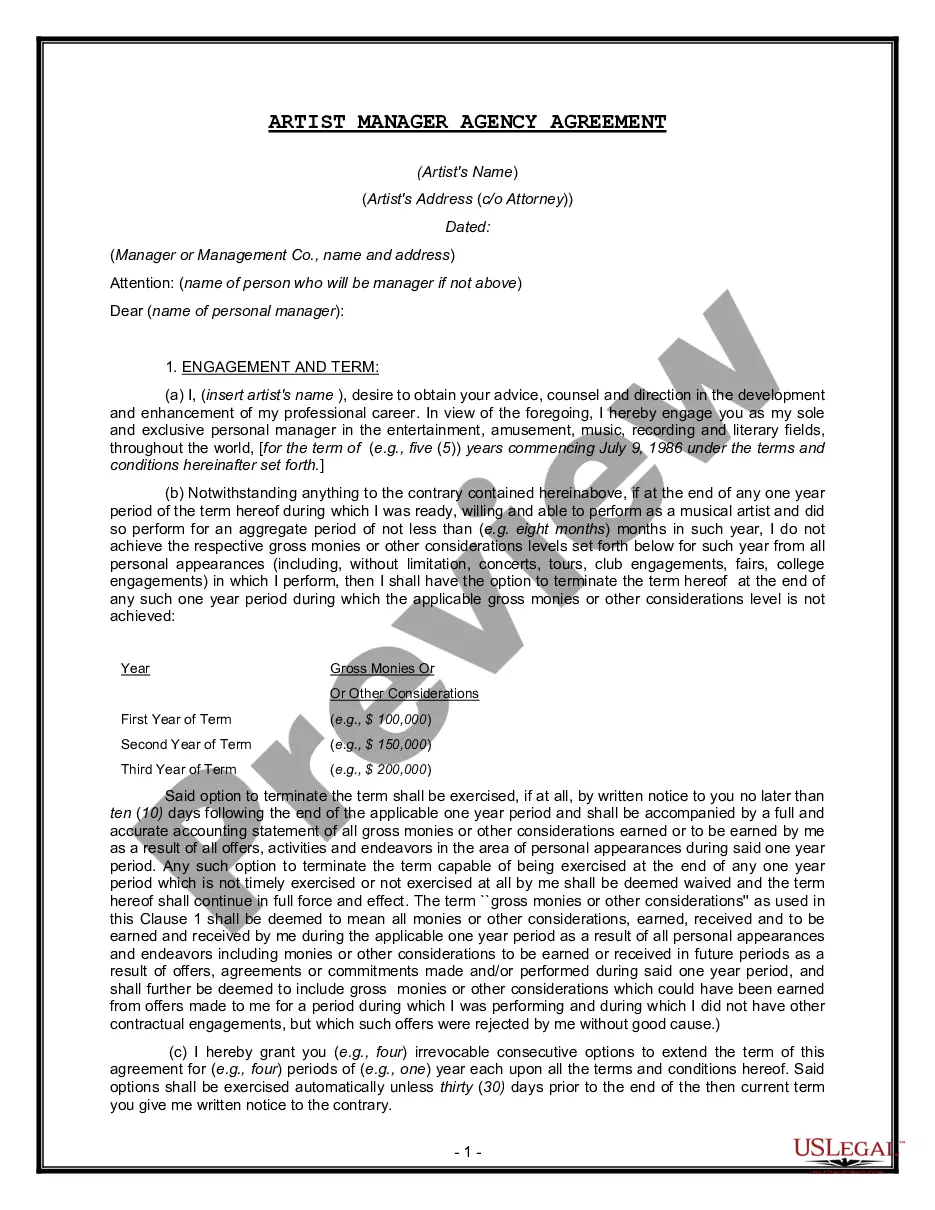
Sample Management Contract With Force Majeure In Franklin
Description

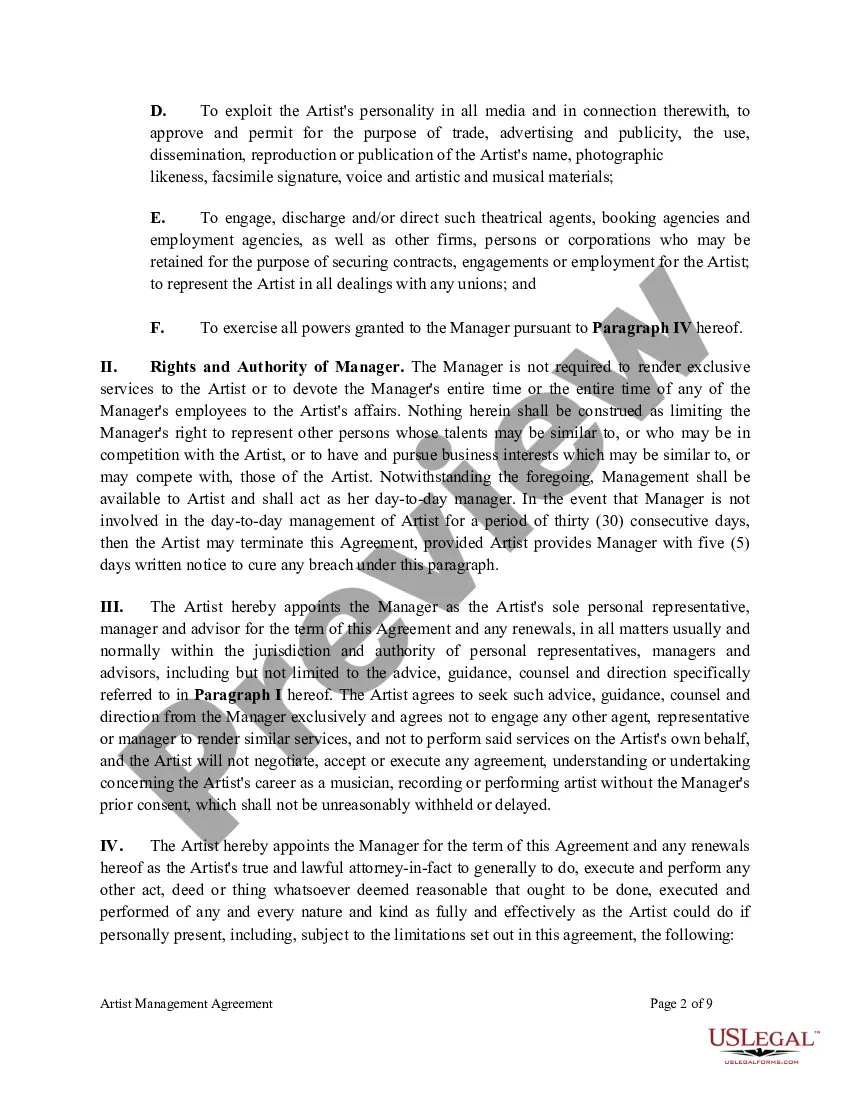
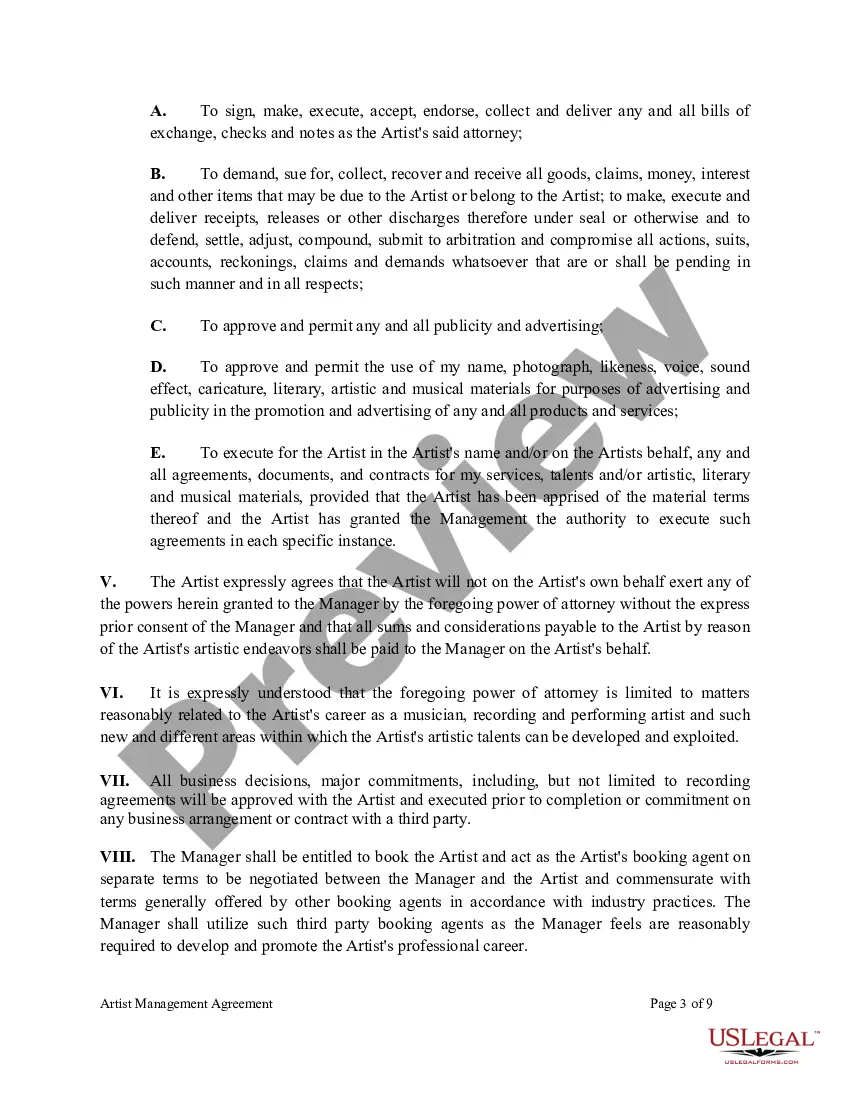
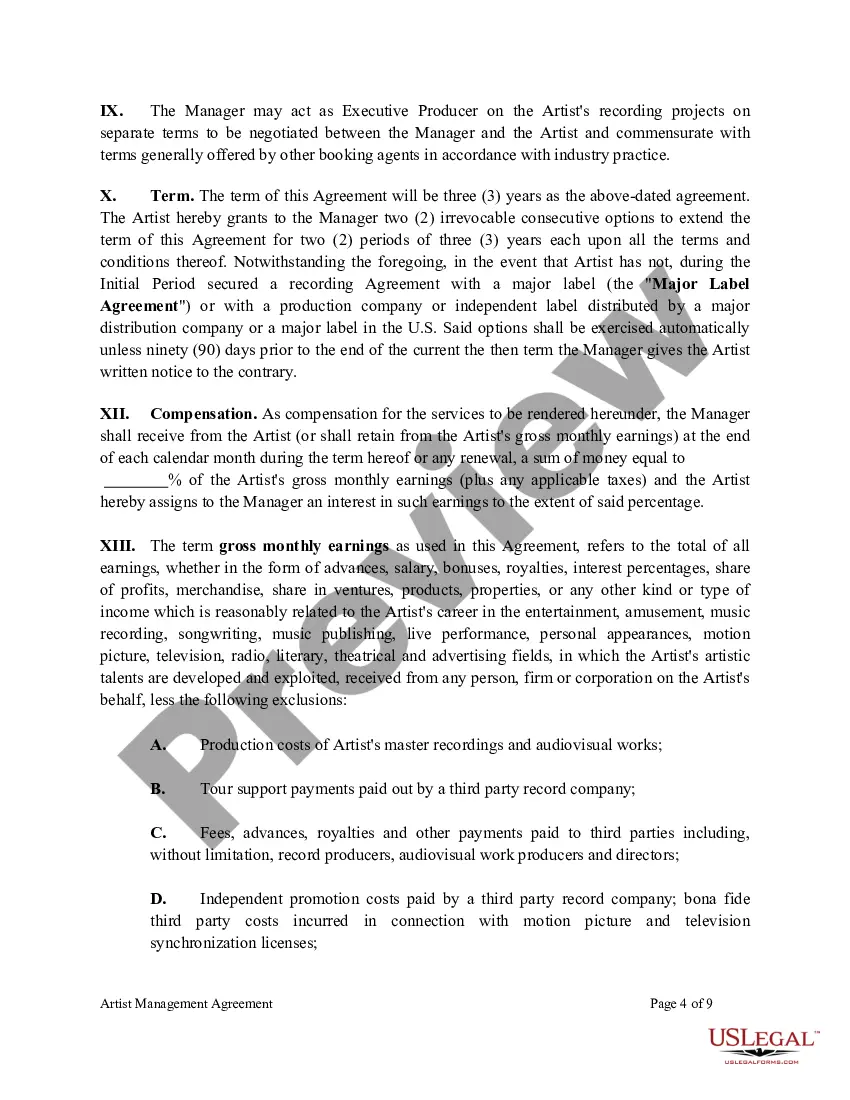
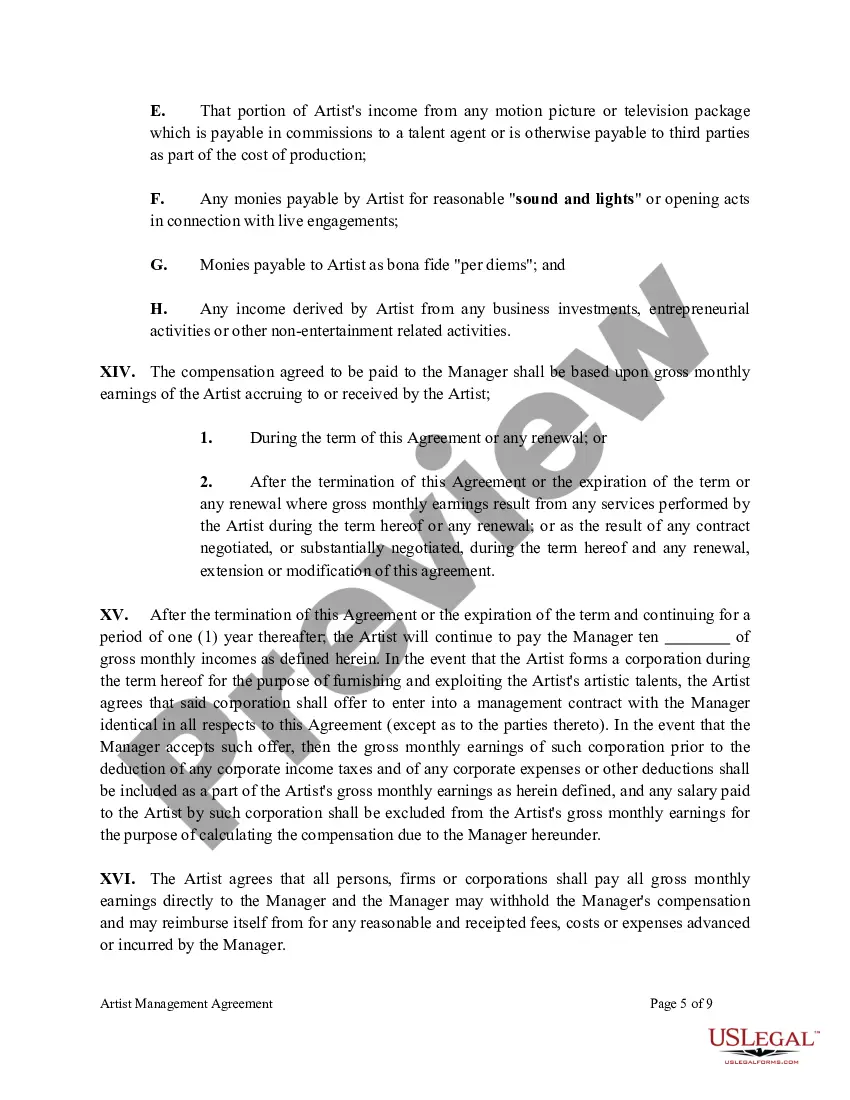
Get your form ready online
Our built-in tools help you complete, sign, share, and store your documents in one place.
Make edits, fill in missing information, and update formatting in US Legal Forms—just like you would in MS Word.
Download a copy, print it, send it by email, or mail it via USPS—whatever works best for your next step.
Sign and collect signatures with our SignNow integration. Send to multiple recipients, set reminders, and more. Go Premium to unlock E-Sign.
If this form requires notarization, complete it online through a secure video call—no need to meet a notary in person or wait for an appointment.
We protect your documents and personal data by following strict security and privacy standards.

Make edits, fill in missing information, and update formatting in US Legal Forms—just like you would in MS Word.

Download a copy, print it, send it by email, or mail it via USPS—whatever works best for your next step.

Sign and collect signatures with our SignNow integration. Send to multiple recipients, set reminders, and more. Go Premium to unlock E-Sign.

If this form requires notarization, complete it online through a secure video call—no need to meet a notary in person or wait for an appointment.

We protect your documents and personal data by following strict security and privacy standards.
Looking for another form?






Form popularity
FAQ
Causes of Force Majeure generally include acts of god or natural disasters (like earthquakes, floods, hurricanes), war, terrorism, riots, government actions or prohibitions, strikes, and explosions. These causes must be external, unforeseeable, and completely beyond the control of the contracting parties.
Also known as force majeure. A provision in an agreement that excuses a party's performance under the agreement to the extent its failure to perform is due to certain extreme circumstances outside that party's control, for example, due to the occurrence of a natural disaster or an act of terrorism or war.
The term "Force Majeure" is French for "superior force." In legal contexts, it refers to a clause included in general conditions of construction contracts to remove liability for natural and unavoidable catastrophes that interrupt the expected course of events and prevent participants from fulfilling obligations.
Elements of Force Majeure. A well-drafted force majeure clause typically includes defining events that qualify as force majeure, a notice requirement, mitigation efforts, and terms for suspension or termination. Other terms may apply.
Meaning of Force Majeure In legal agreements, it refers to a contract provision that relieves parties from fulfilling their contractual obligations when unforeseen events beyond their control prevent them from doing so. It's a safety net for both parties involved in a contract.
Termination — In cases where the force majeure event is severe and long-lasting, the contract may allow for its termination, meaning the parties are released from their obligations entirely because the event has made it impossible or impractical to continue with the contract.
Describe the event: Provide a concise explanation of the force majeure event, including its nature, date of occurrence, and why it qualifies under the force majeure clause. Explain the impact: Clearly state how the event affects your ability to fulfill specific contractual obligations.
Sample Language 3 The Parties hereby acknowledge that while current events related to the current epidemic/pandemic are known, future impacts of the outbreak are unforeseeable and shall be considered a Force Majeure event to the extent that they prevent the performance of a Party's obligations under this Agreement.
The affected party must notify the other party as soon as reasonably feasible and take all reasonable steps to mitigate the impact. If the force majeure event continues for more than 90 days, either party may terminate the agreement upon written notice.”
A party may no longer be able to deliver on the contract - which in turn can give rise to rights to terminate the contract altogether. Termination by performance. Termination by Agreement. Termination for Breach of Contract. Termination by frustration.
