Tour Manager Contract For Next Season In Clark
Description

Get your form ready online
Our built-in tools help you complete, sign, share, and store your documents in one place.
Make edits, fill in missing information, and update formatting in US Legal Forms—just like you would in MS Word.
Download a copy, print it, send it by email, or mail it via USPS—whatever works best for your next step.
Sign and collect signatures with our SignNow integration. Send to multiple recipients, set reminders, and more. Go Premium to unlock E-Sign.
If this form requires notarization, complete it online through a secure video call—no need to meet a notary in person or wait for an appointment.
We protect your documents and personal data by following strict security and privacy standards.

Make edits, fill in missing information, and update formatting in US Legal Forms—just like you would in MS Word.

Download a copy, print it, send it by email, or mail it via USPS—whatever works best for your next step.

Sign and collect signatures with our SignNow integration. Send to multiple recipients, set reminders, and more. Go Premium to unlock E-Sign.

If this form requires notarization, complete it online through a secure video call—no need to meet a notary in person or wait for an appointment.

We protect your documents and personal data by following strict security and privacy standards.
Looking for another form?



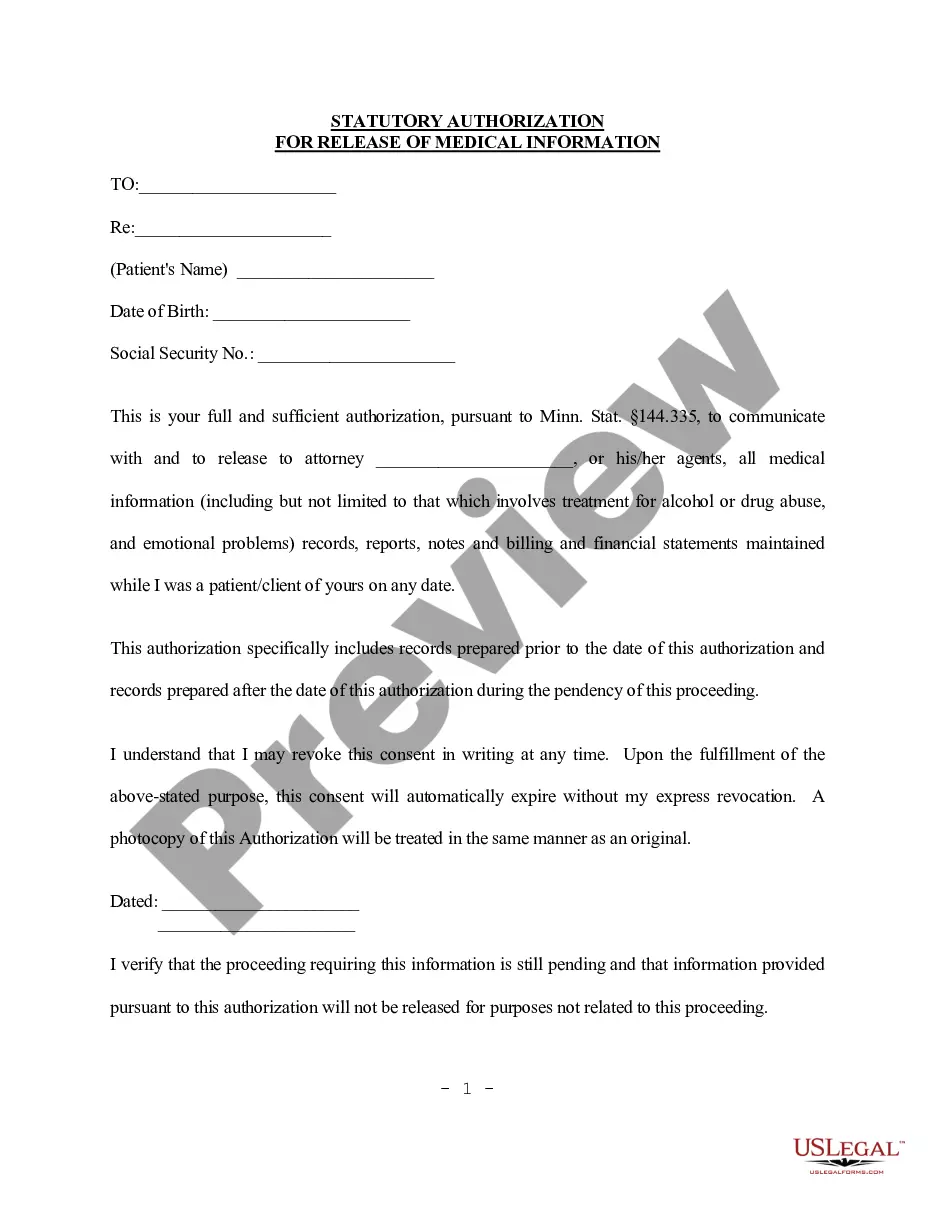
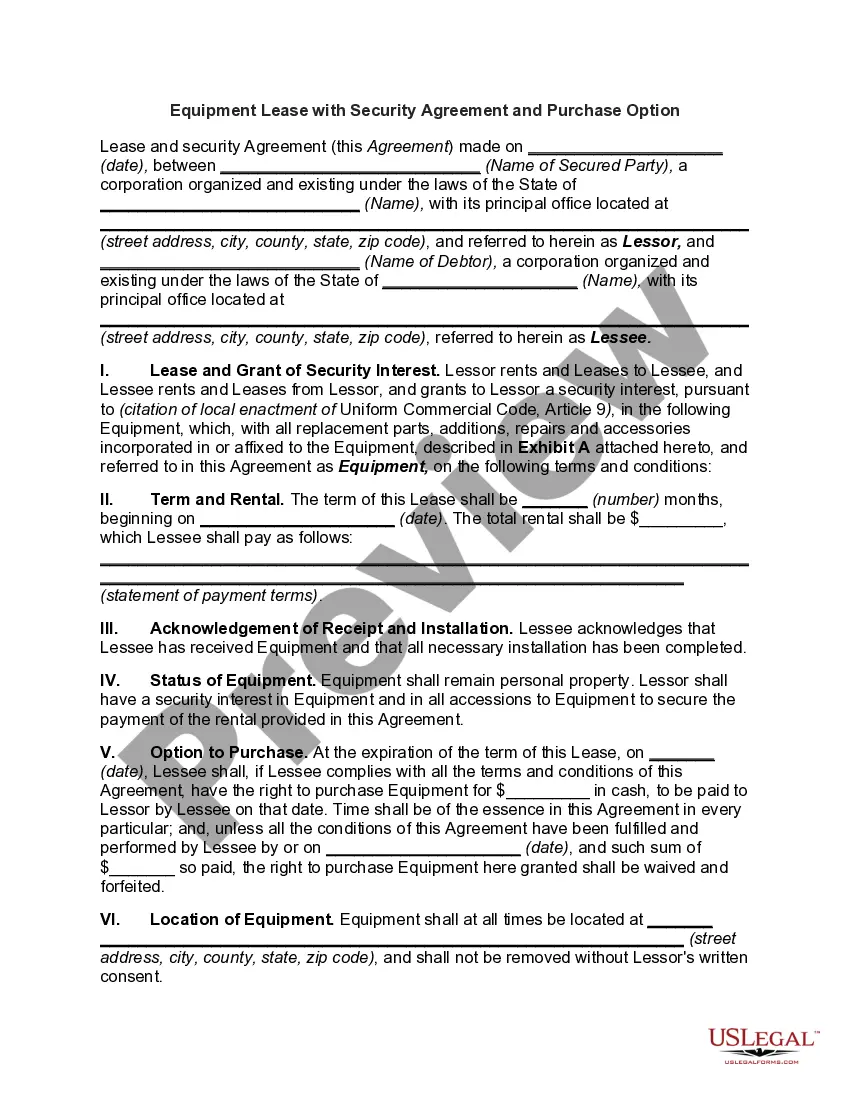
Form popularity
FAQ
Basic Outline: Your Terms and Conditions Page. First things first: Your Terms and Conditions page or section needs to begin with a brief introduction stating the full company name, address of headquarters, and the statement that this is a contract between the company and the customer.
We recommend tipping the equivalent of $10USD to $12USD per person per day for your Tour Director and the equivalent of $3USD per person per day for your driver(s). If applicable, we also recommend the equivalent of $2USD per local guide.
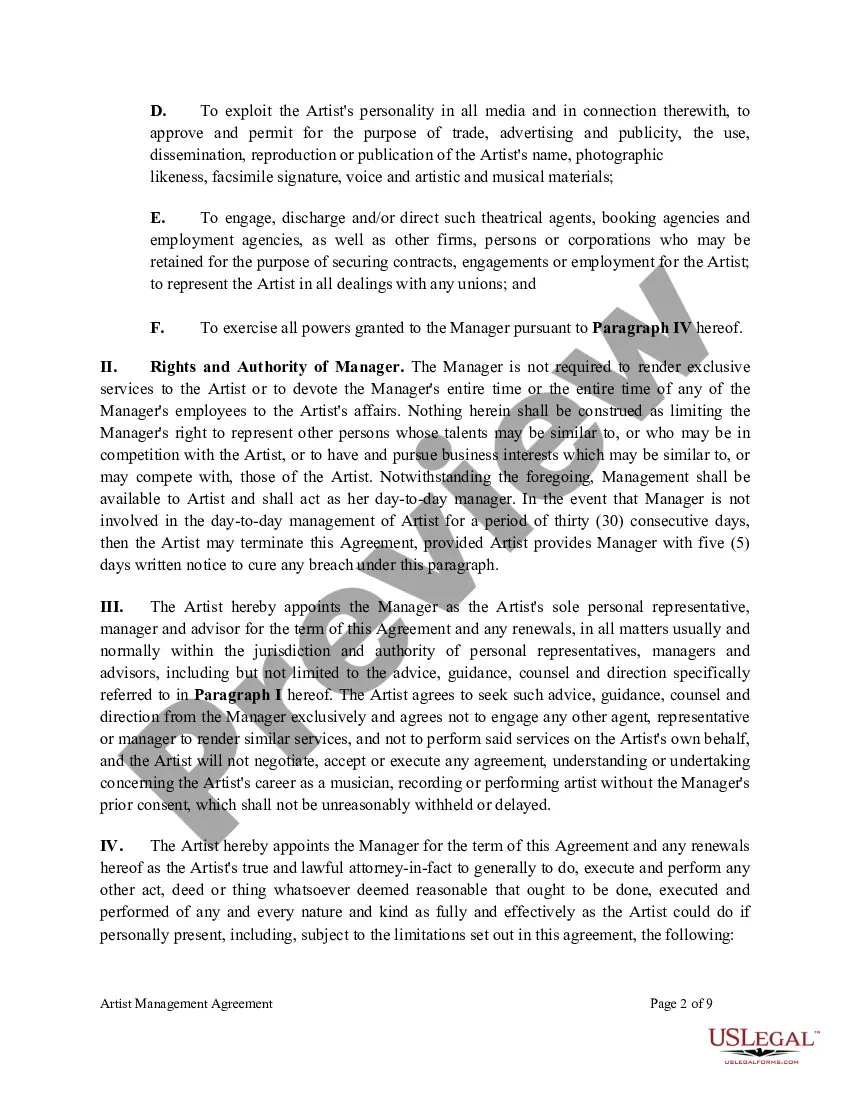
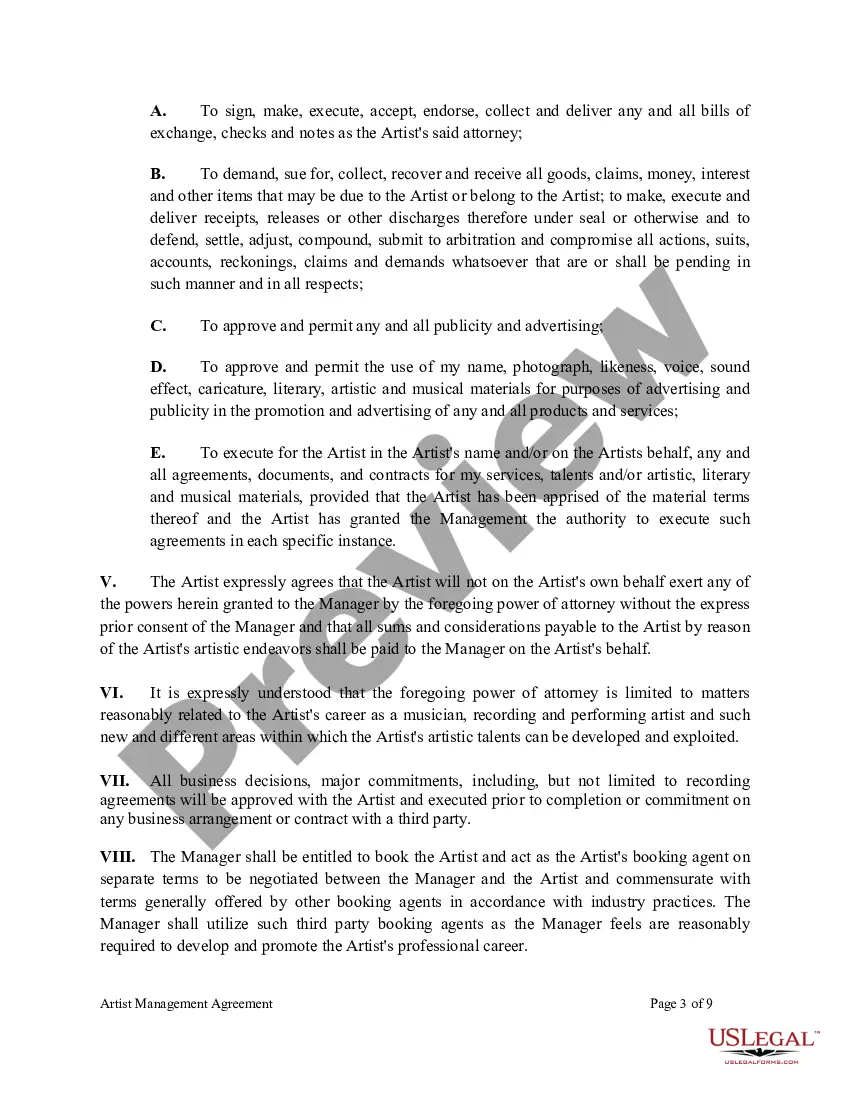
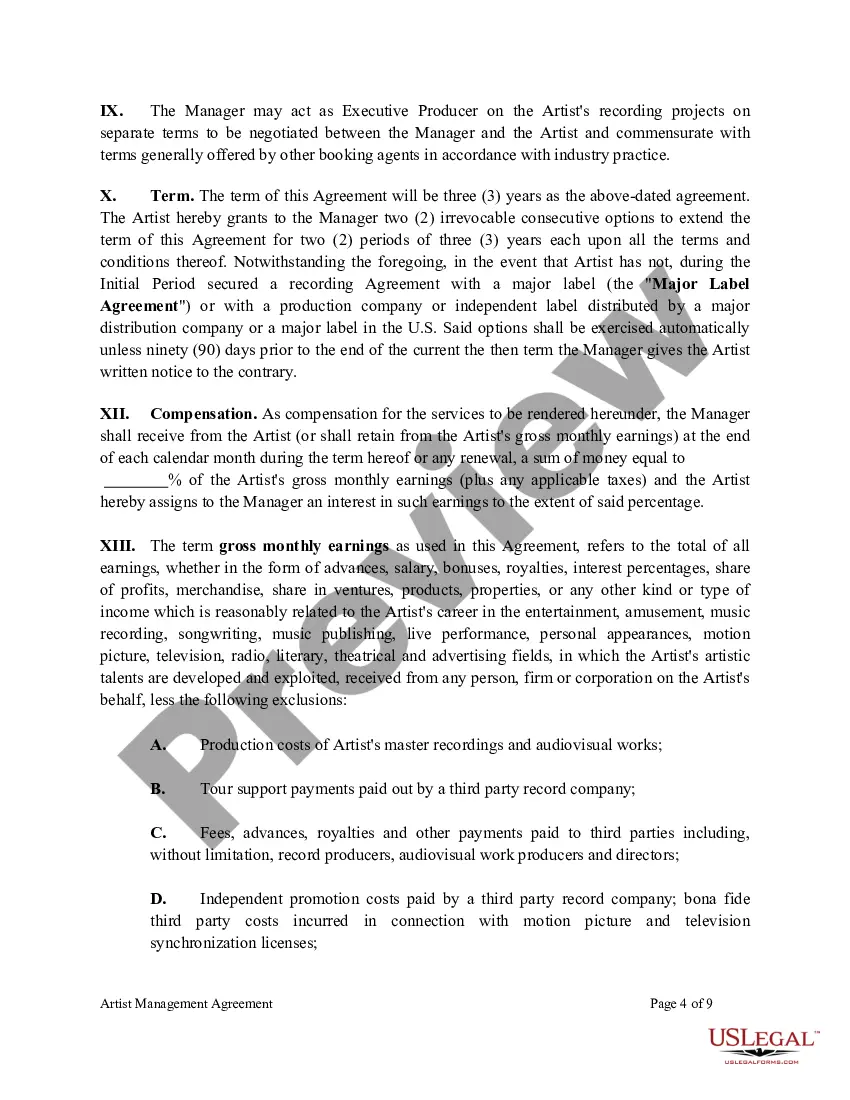
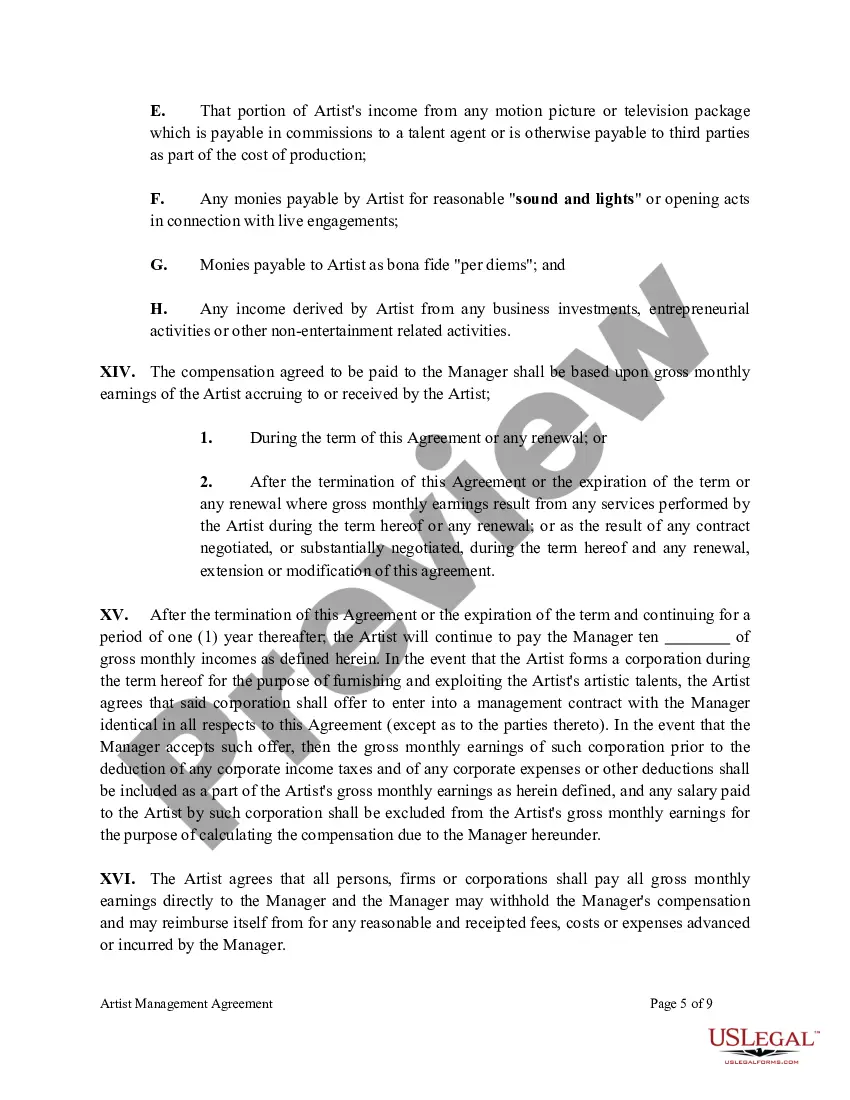
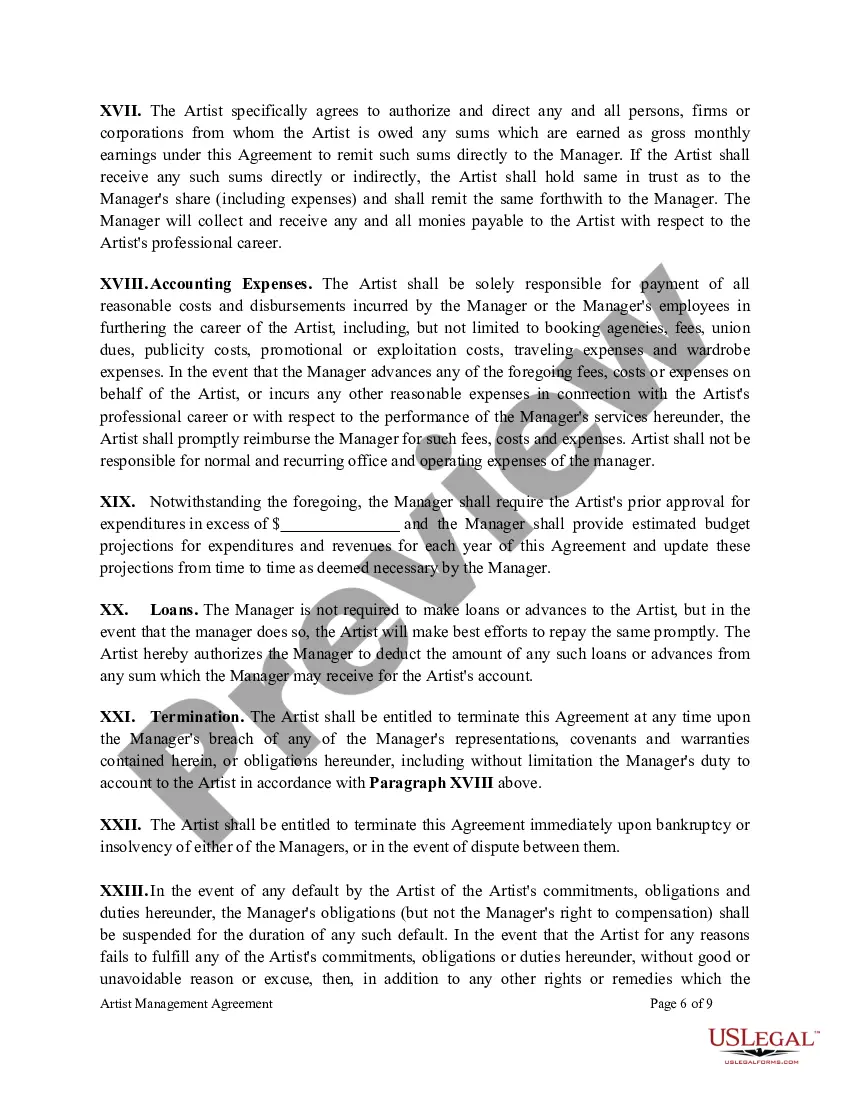
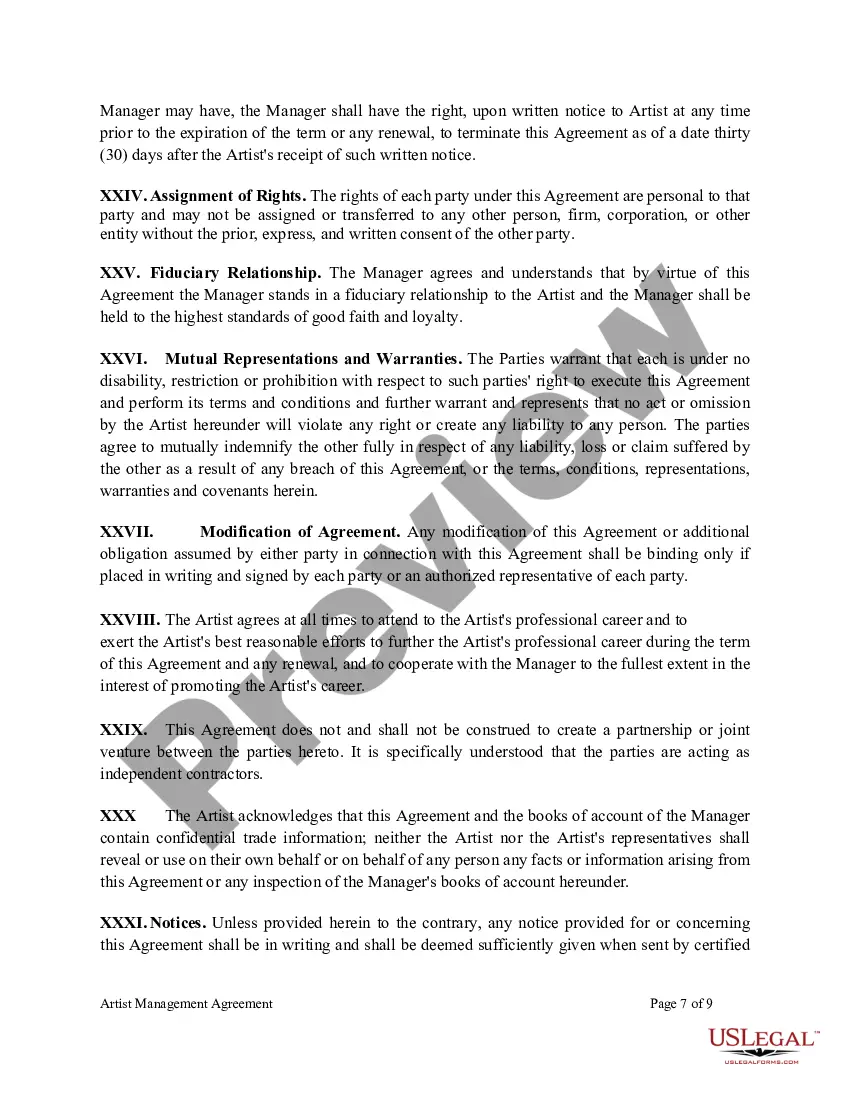
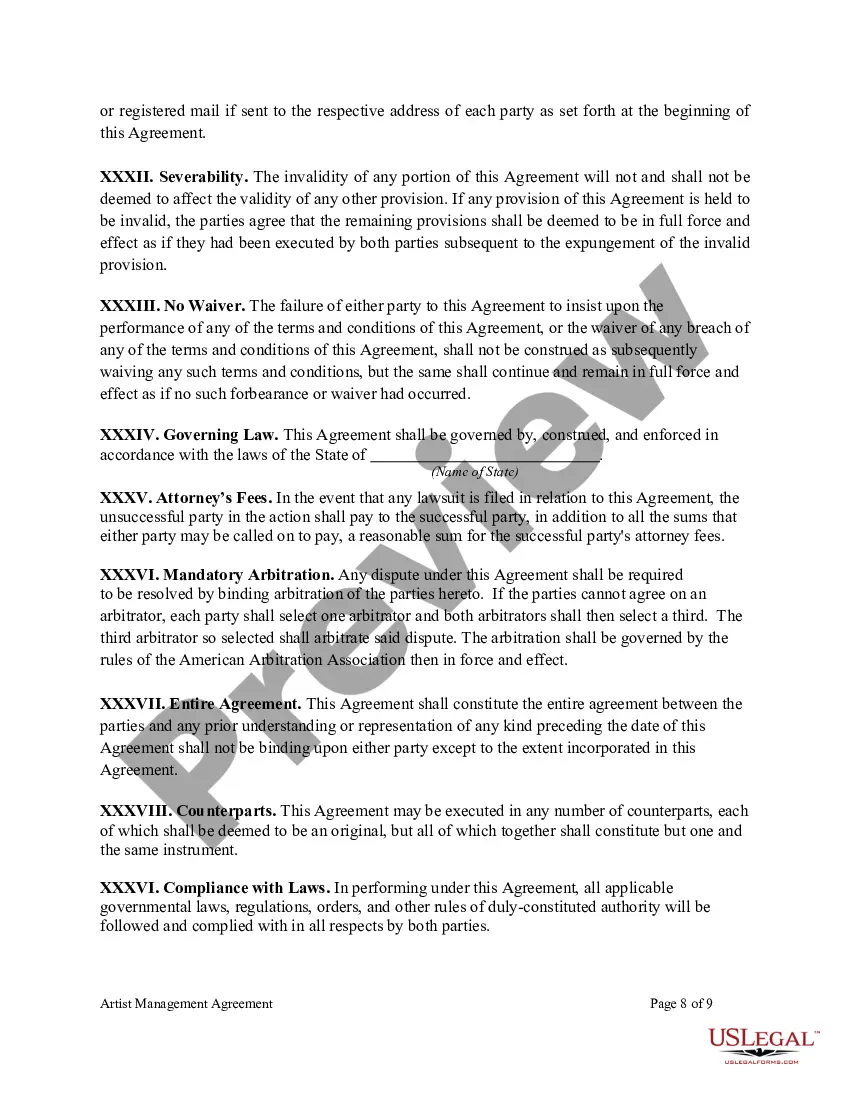
Common Sections in Artist Management Agreements ARTIST MANAGEMENT AGREEMENT. BACKGROUND. Services Of The Manager. Rights And Authority Of The Manager. Term. Compensation. Accounting. Expenses.
Agents are not allowed to take more than 10% of their client's earnings ing to union guidelines, but managers don't suffer from the same restriction. Many accept 10%, but quite a few ask for 15%, and others work on a sliding scale.
Managers usually takes a percentage of the artist's income. This typically ranges between 10 to 20% and is usually 15% for indie artists in my experience.
Managers' commissions are typically between 15 to 20% of an artist's gross income. Whether it's 15% or 20% really depends on the level of the band and the bargaining power of each party.
3) How Much is Being Commissioned? Managers' commissions are typically between 15 to 20% of an artist's gross income. Whether it's 15% or 20% really depends on the level of the band and the bargaining power of each party.
Your manager can earn anywhere between 15 and 25 percent of your earnings. This is fairly standard. Other details that you should look into include the length of the contract and the continuation of payments to your manager after the contract ends.
It's easy to forget that managing a tour means going on tour oneself. Just like the musicians and crew members they manage, tour managers spend hours riding in cars, buses, and/or planes, work long days that continue well into the night, and sleep in hotels and motels in unfamiliar cities.
Here are the basic steps you can take to become a tour manager: Pursue relevant education. Some employers may require a bachelor's degree, while others need only a high school diploma or certificate. Gain experience. Develop a professional network. Perfect your social skills. Identify a mentor.
