Granting Plead Without Consent In Suffolk
Description
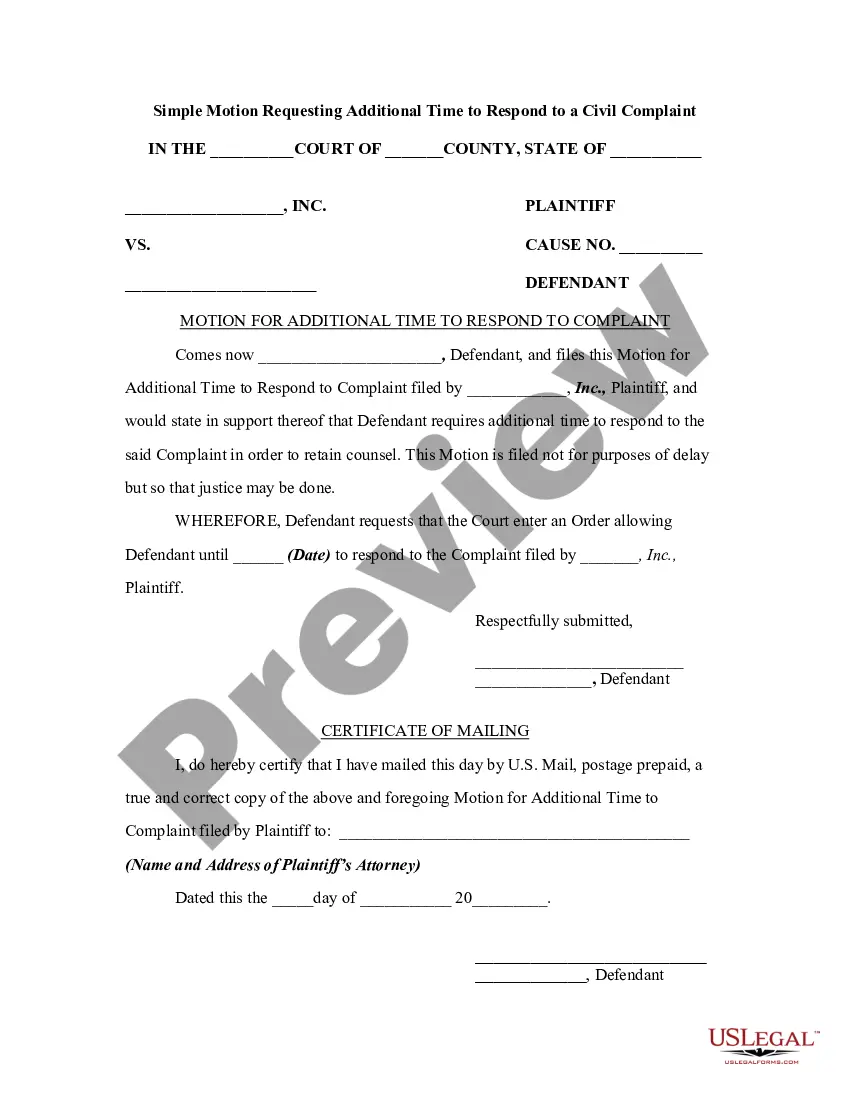
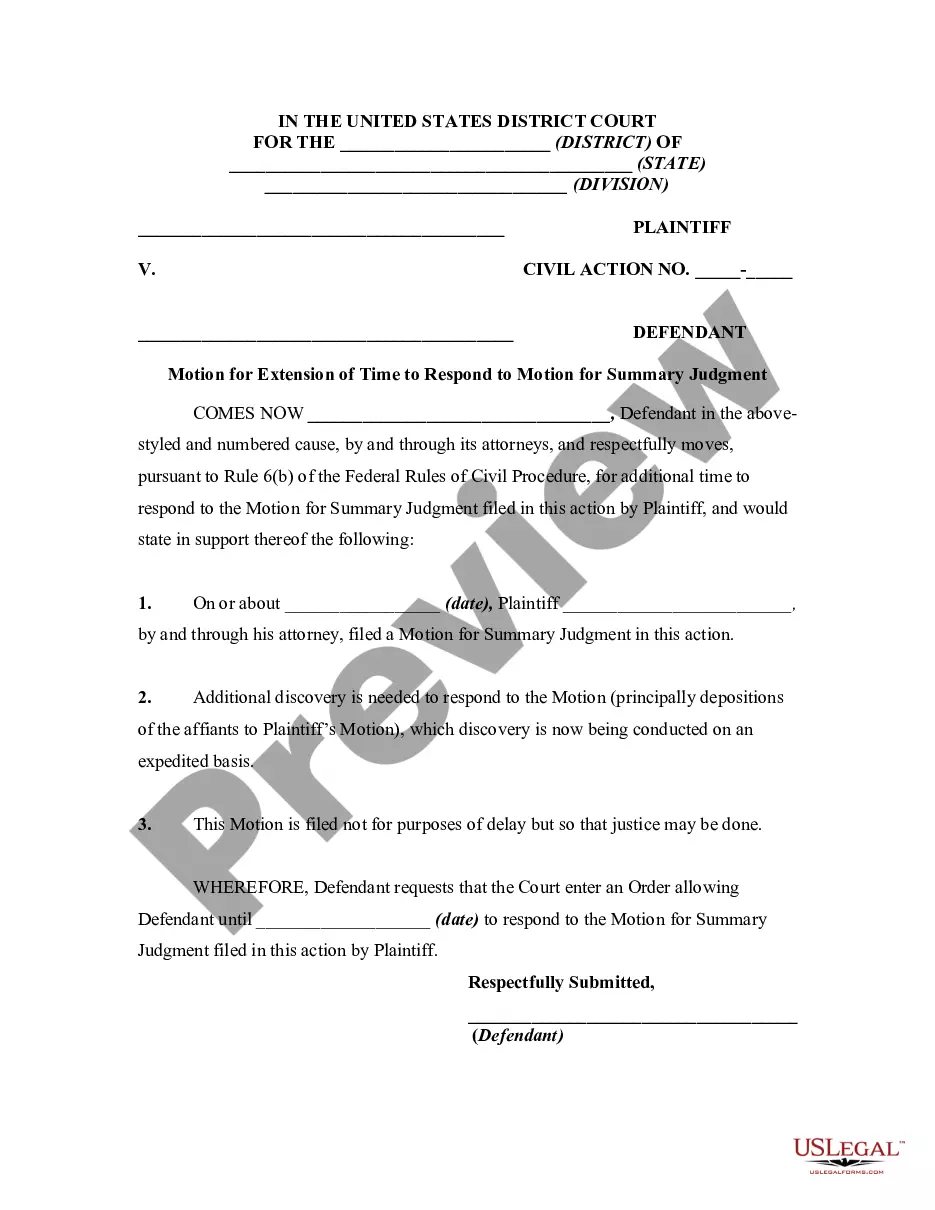
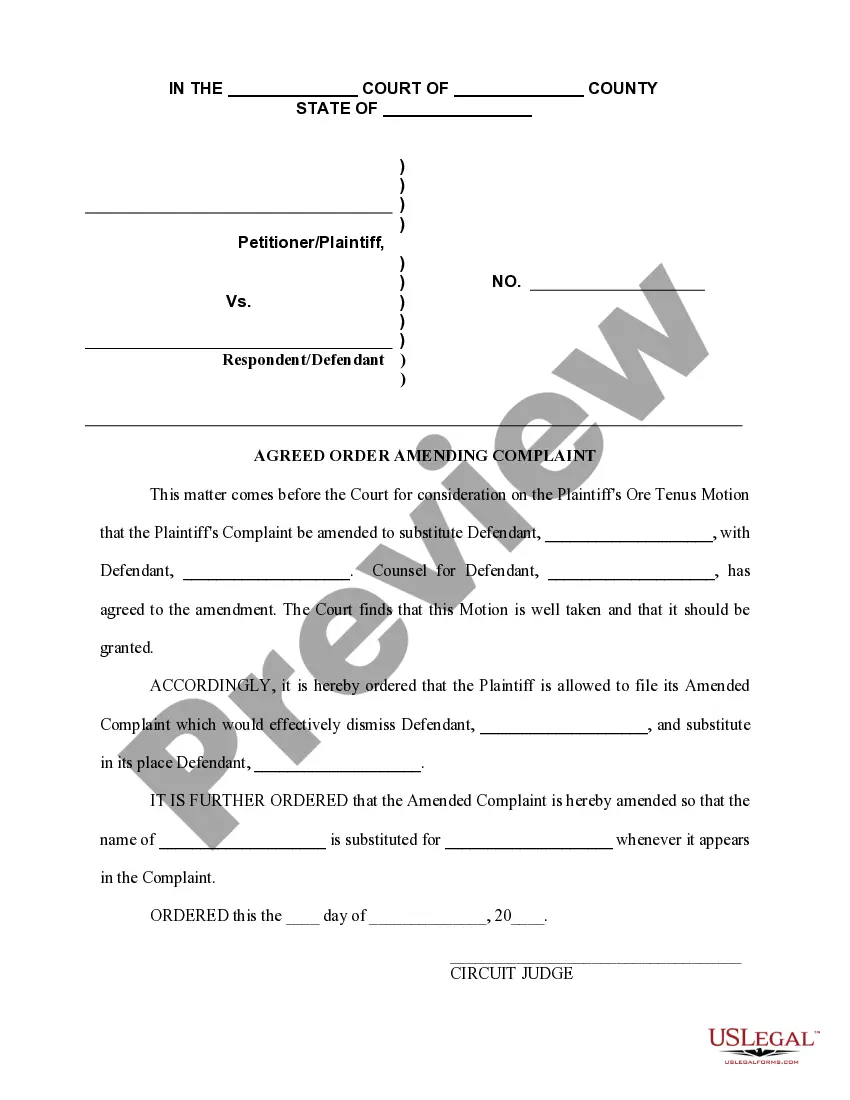
Get your form ready online
Our built-in tools help you complete, sign, share, and store your documents in one place.
Make edits, fill in missing information, and update formatting in US Legal Forms—just like you would in MS Word.
Download a copy, print it, send it by email, or mail it via USPS—whatever works best for your next step.
Sign and collect signatures with our SignNow integration. Send to multiple recipients, set reminders, and more. Go Premium to unlock E-Sign.
If this form requires notarization, complete it online through a secure video call—no need to meet a notary in person or wait for an appointment.
We protect your documents and personal data by following strict security and privacy standards.

Make edits, fill in missing information, and update formatting in US Legal Forms—just like you would in MS Word.

Download a copy, print it, send it by email, or mail it via USPS—whatever works best for your next step.

Sign and collect signatures with our SignNow integration. Send to multiple recipients, set reminders, and more. Go Premium to unlock E-Sign.

If this form requires notarization, complete it online through a secure video call—no need to meet a notary in person or wait for an appointment.

We protect your documents and personal data by following strict security and privacy standards.
Looking for another form?










Form popularity
FAQ
Opting for an Alford plea means that while you don't admit to one or more of the details related to your charges, you concede that the prosecution has compelling evidence against you.
If you plead guilty at the outset your case will not go to trial and you could be sentenced immediately in the magistrates' court. For more serious offences you will have to go to the Crown Court to be sentenced.
You can only be convicted of an offence in one of two ways: first, by pleading guilty; or second, by being found guilty following a trial. Pleading guilty to an offence means that you accept you have committed that offence. Once you plead guilty you are convicted of the offence.
Rule 12 - Pleas and Plea Agreements (a)Pleas In General. (1) Pleas That May Be Entered and by Whom. A defendant may plead not guilty, or guilty, or with the consent of the judge, nolo contendere, to any crime with which the defendant has been charged and over which the court has jurisdiction.
Under Crim. PR Rule 24.10, a defendant may apply to withdraw a guilty plea as soon as practicable after becoming aware of the reasons for doing so, and before sentence.
It is trite law that the judge has a discretion to allow the accused to withdraw a plea of Guilty at any stage before sentence is passed, but that the discretion should be sparingly exercised, particularly where the defendant is legally represented.
Offenders who plead guilty to an offence will receive a discount to their sentence. If a guilty plea is entered at the first available opportunity (which will usually be considered to be at their first court appearance) then a reduction of one-third will be applied to the sentence.
Rule 2214. Motion papers; service; time (b) Time for service of notice and affidavits. A notice of motion and supporting affidavits shall be served at least eight days before the time at which the motion is noticed to be heard. Answering affidavits shall be served at least two days before such time.
A motion to reopen asks the Immigration Court to reopen proceedings after the Immigration Judge has rendered a decision, so that the Immigration Judge can consider new facts or evidence in the case.
An ex parte motion must be accompanied by an affidavit stating the result of any prior motion for similar relief and specify the new facts, if any, that were not previously shown. (CPLR 2217 (b)).
