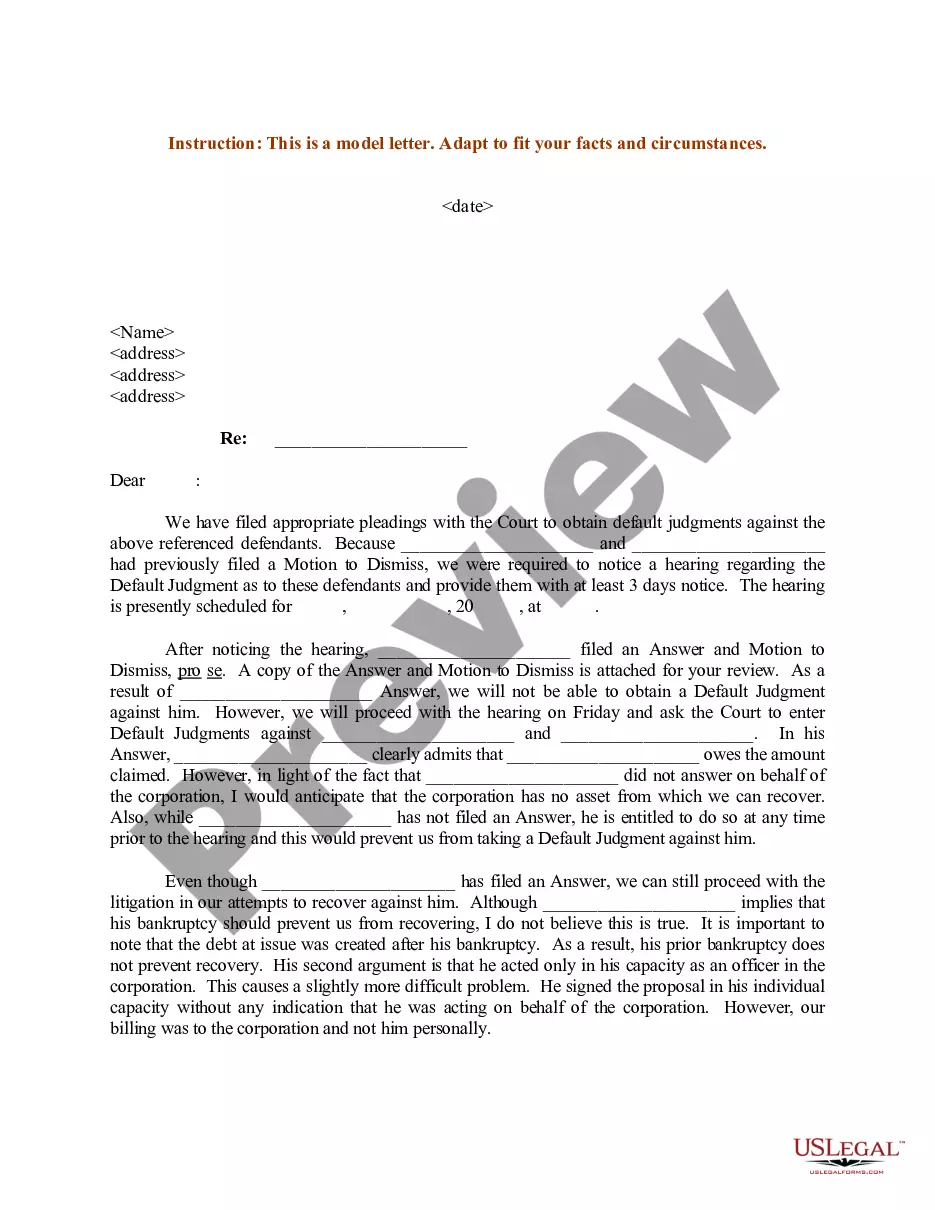
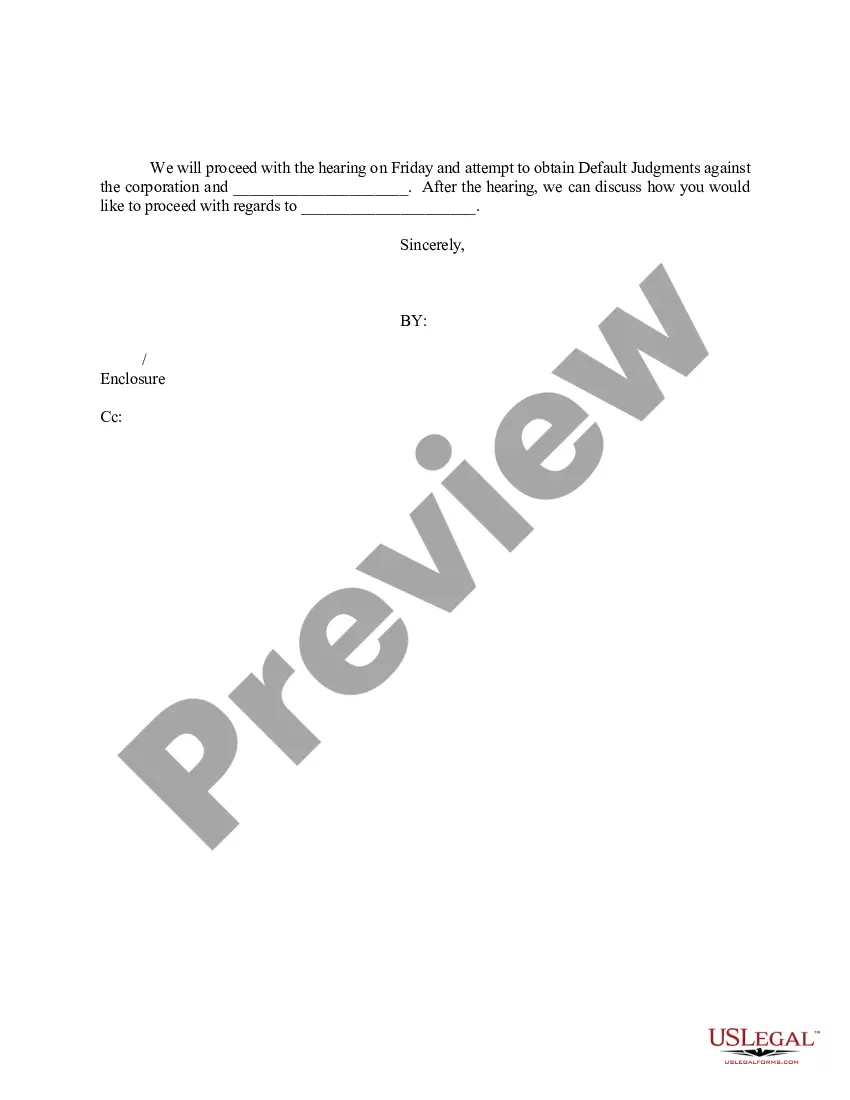
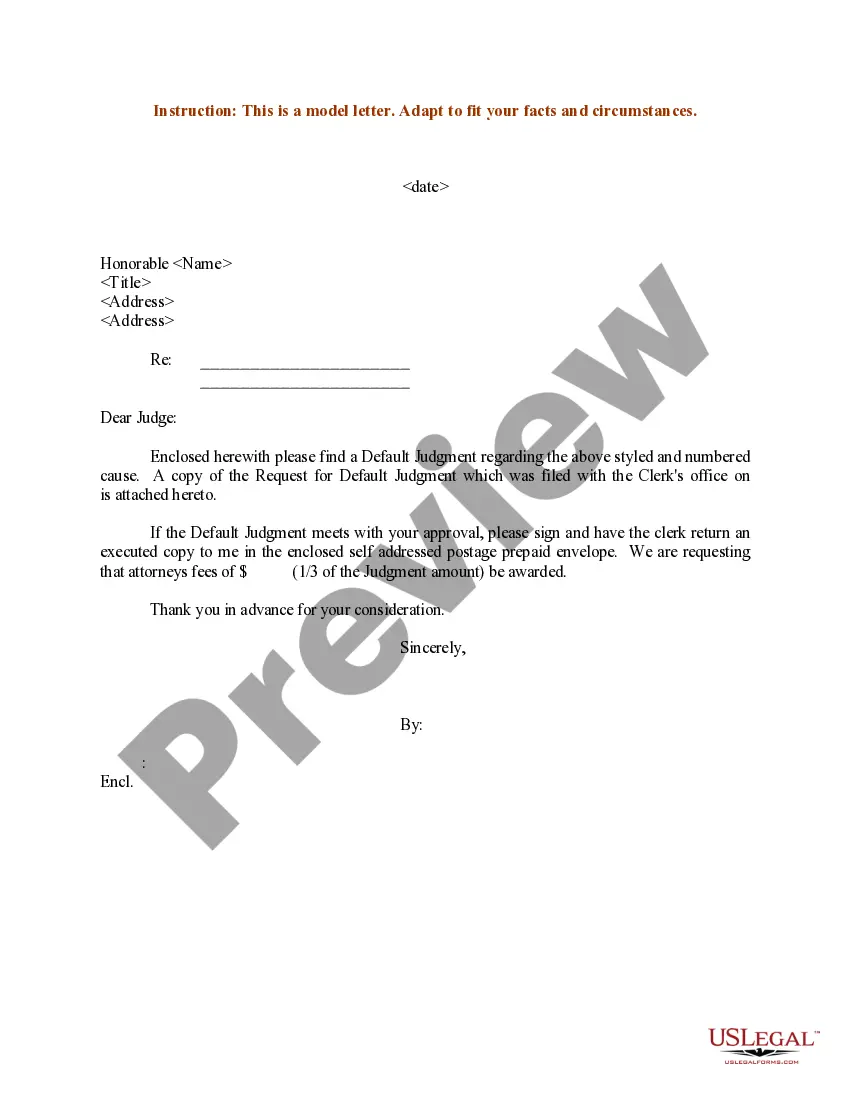
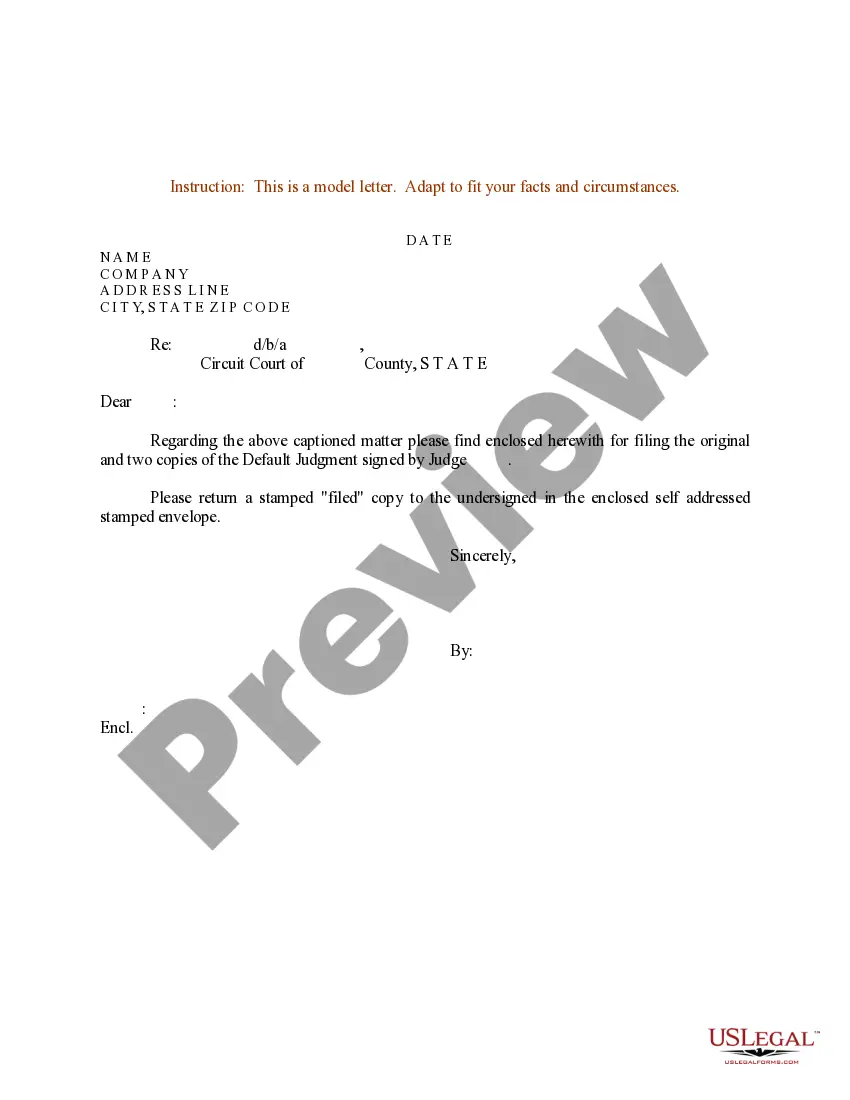
Letter Requesting Motion To Vacate Order Of Default Form In Riverside
Description
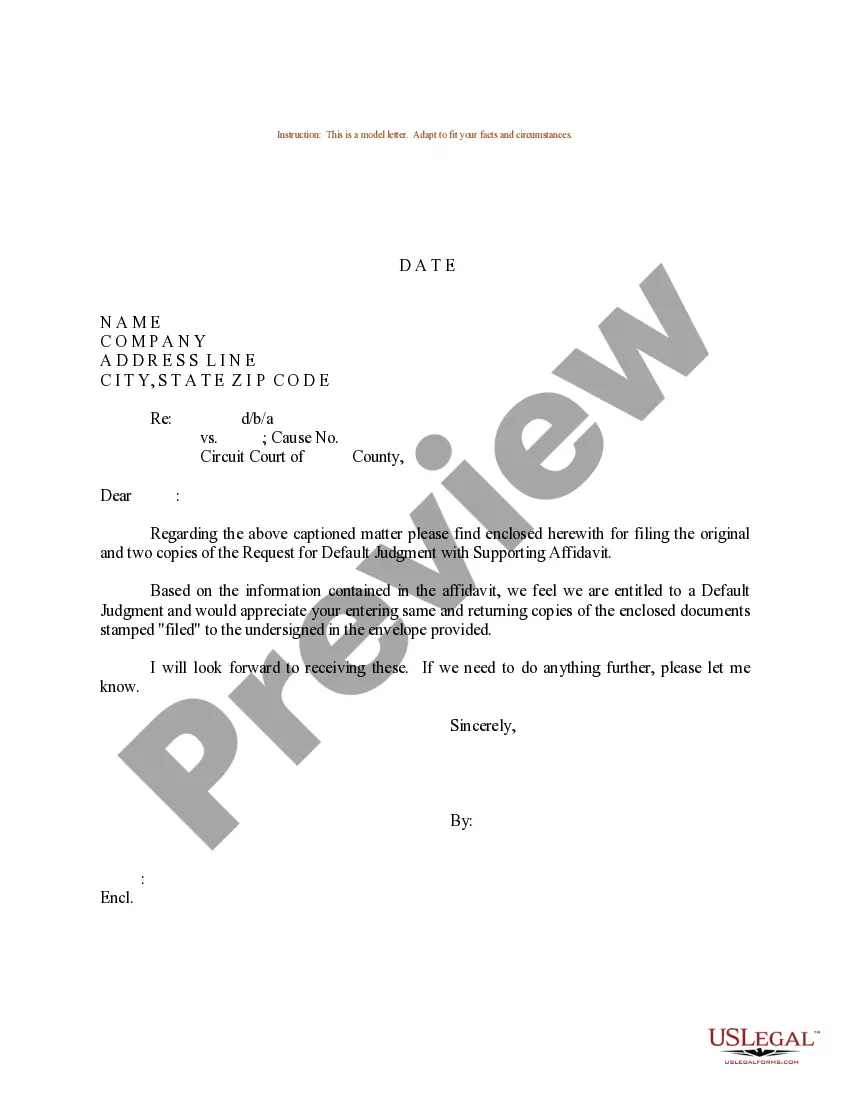
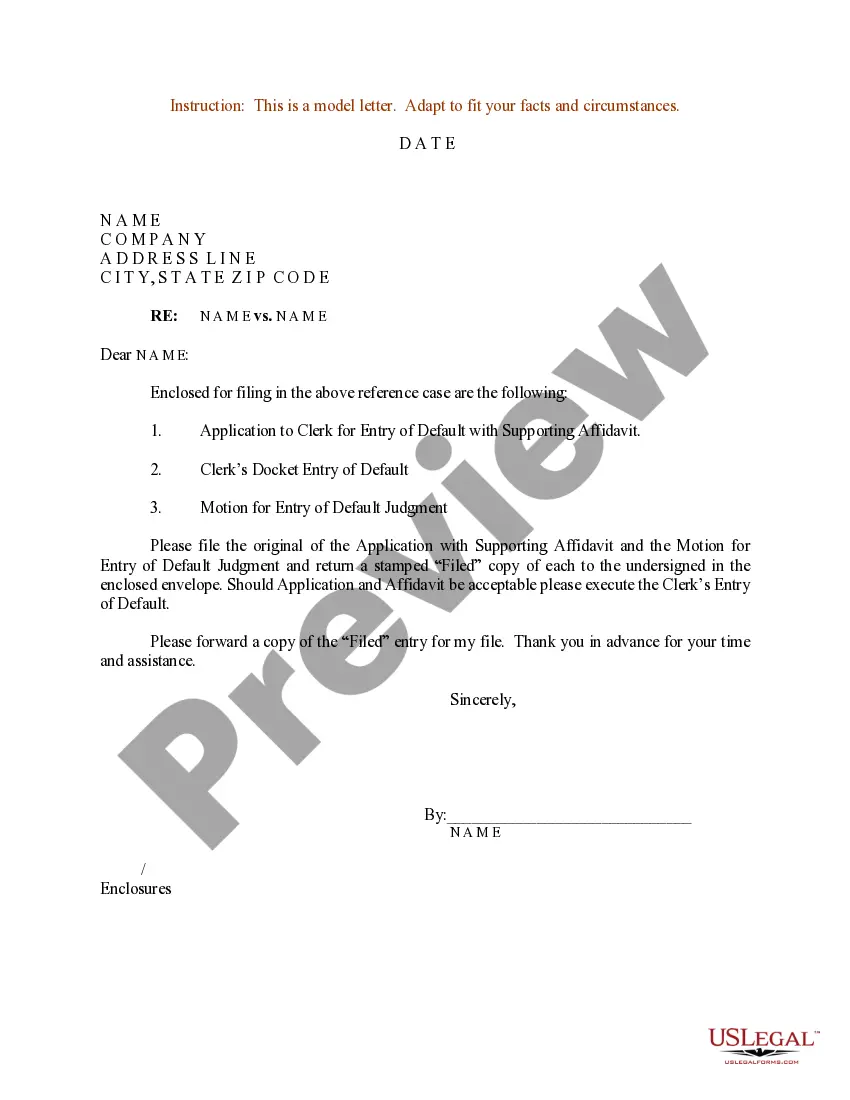
Get your form ready online
Our built-in tools help you complete, sign, share, and store your documents in one place.
Make edits, fill in missing information, and update formatting in US Legal Forms—just like you would in MS Word.
Download a copy, print it, send it by email, or mail it via USPS—whatever works best for your next step.
Sign and collect signatures with our SignNow integration. Send to multiple recipients, set reminders, and more. Go Premium to unlock E-Sign.
If this form requires notarization, complete it online through a secure video call—no need to meet a notary in person or wait for an appointment.
We protect your documents and personal data by following strict security and privacy standards.

Make edits, fill in missing information, and update formatting in US Legal Forms—just like you would in MS Word.

Download a copy, print it, send it by email, or mail it via USPS—whatever works best for your next step.

Sign and collect signatures with our SignNow integration. Send to multiple recipients, set reminders, and more. Go Premium to unlock E-Sign.

If this form requires notarization, complete it online through a secure video call—no need to meet a notary in person or wait for an appointment.

We protect your documents and personal data by following strict security and privacy standards.
Looking for another form?








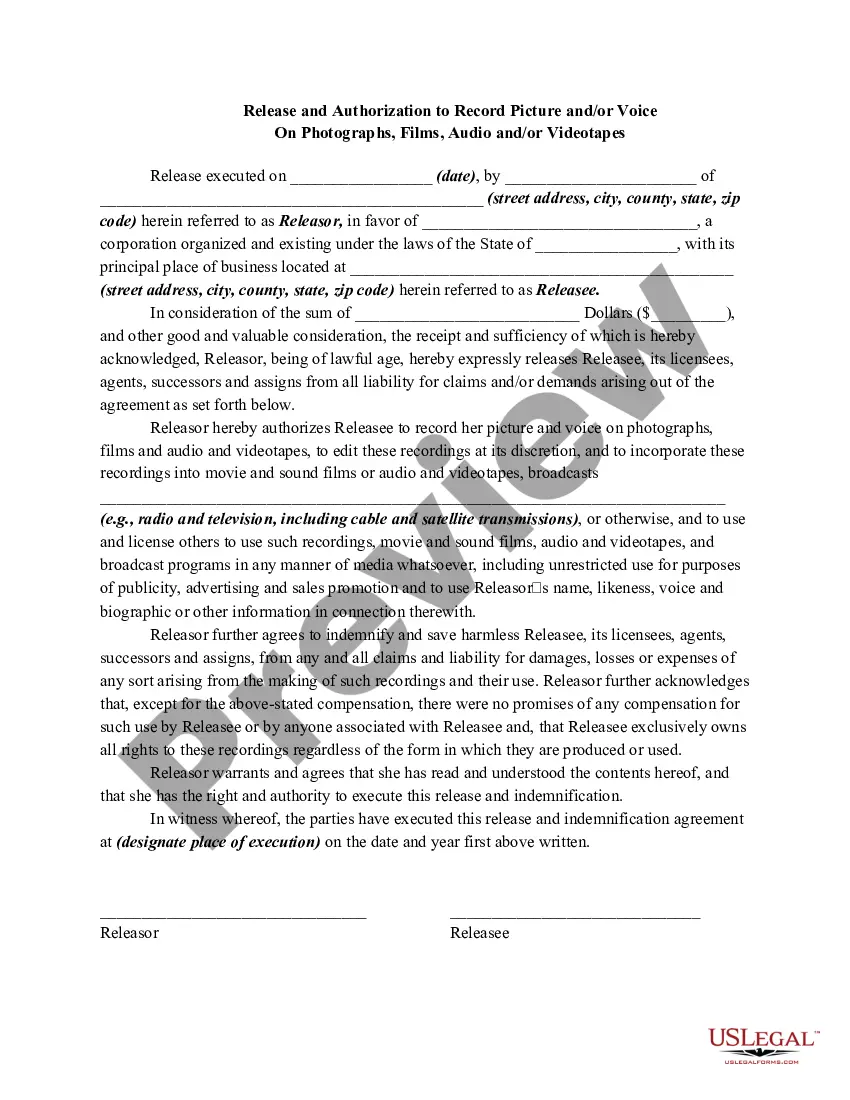

Form popularity
FAQ
If you were sued and lost because you did not appear in court, you can file an SC-135 Notice of Motion to Vacate Judgment. By filing this motion, you are asking the court to cancel the judgment entered against you and to give you a new trial.
If the defendant has a valid reason for not responding, such as never being notified, they may file a motion asking the judge to set aside the default judgment. This is also called a motion for relief from default or a motion to vacate judgment.
In other words, an appeal asks a higher court to review the decision, and a Motion to Vacate asks the lower court to reconsider the case.
In essence, a court order is one that is made by a judge and not usually negotiated between parties. A Consent Order is a court Order that contains terms that the parties have agreed to or consented to themselves.
WHAT IS A MOTION TO VACATE ORDER? A motion to vacate an order is a request made by a party to the court to set aside or cancel a court order, usually because of a procedural error, new evidence, or a change in circumstances.
Notice of Motion to Vacate Judgment and Declaration (SC-135) Ask the Small Claims judge to cancel the decision they made in your case. Get form SC-135.
Comply with Local Rule 3116, which provides that a written response to any OSC be filed with the Court at least 5 days in advance of the hearing (although the Court encourages filing any response at least 10 days in advance of the OSC where possible).
File the original and both copies with the Clerk. Complete the rest of this guide when you are ready to request the judgment. Your deadline is within 45 days after entry of default, unless you ask the court for an extension.
How to ask for a default Fill out request for default. Request for Entry of Default (form CIV-100) ... If ready, also fill out forms to ask for a judgement. Judgment (form JUD-100) ... Mail copies to the defendant. Make at least 2 copies of everything. File forms. Bring the Request for Default to the court clerk.
The FL-165 Request to Enter Default form is used in California family law cases when one party seeks a court order to establish a parental relationship, and the other party has failed to respond to the initial petition within the legal timeframe.