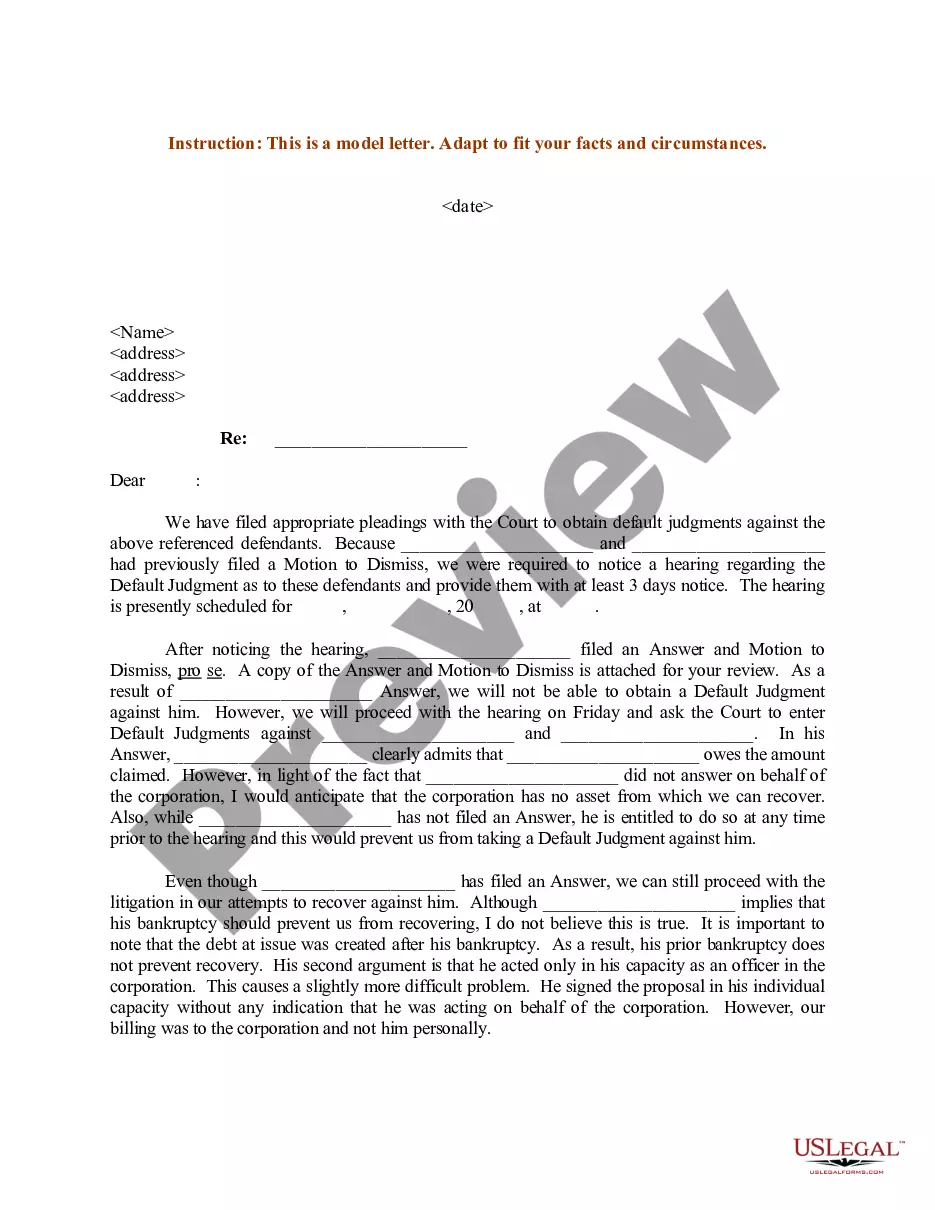
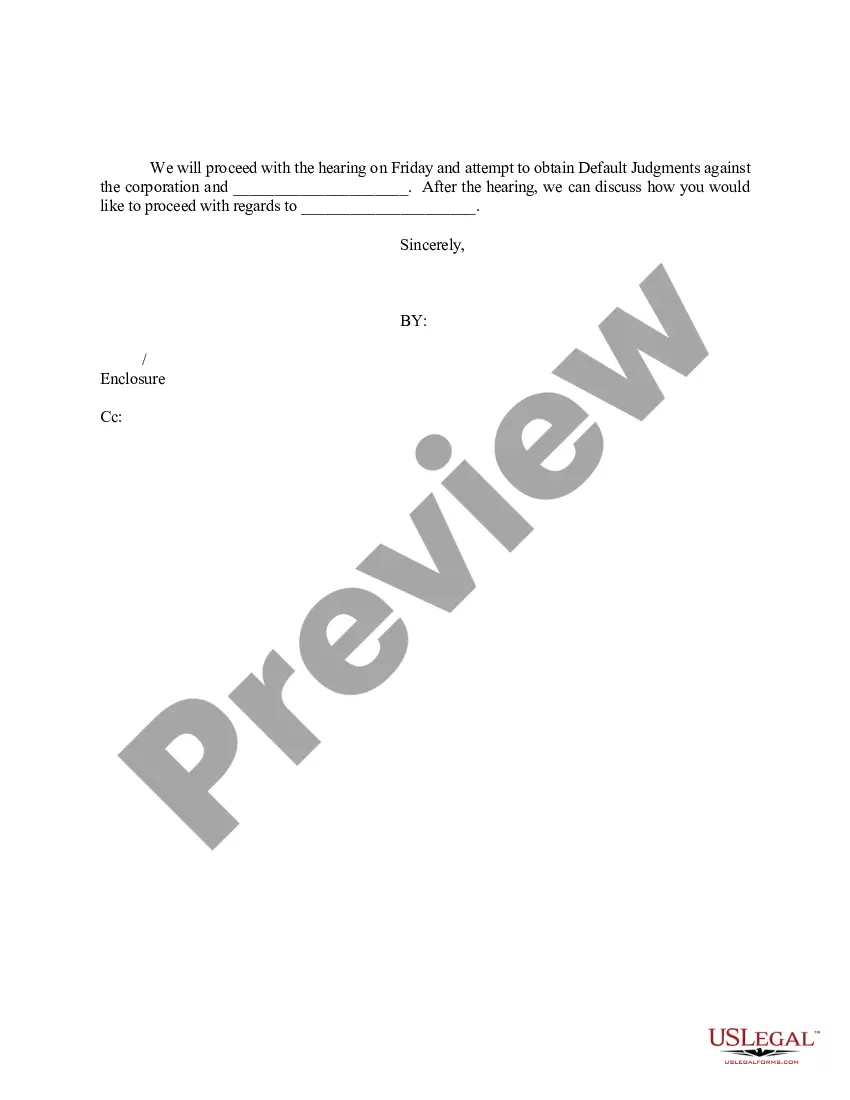
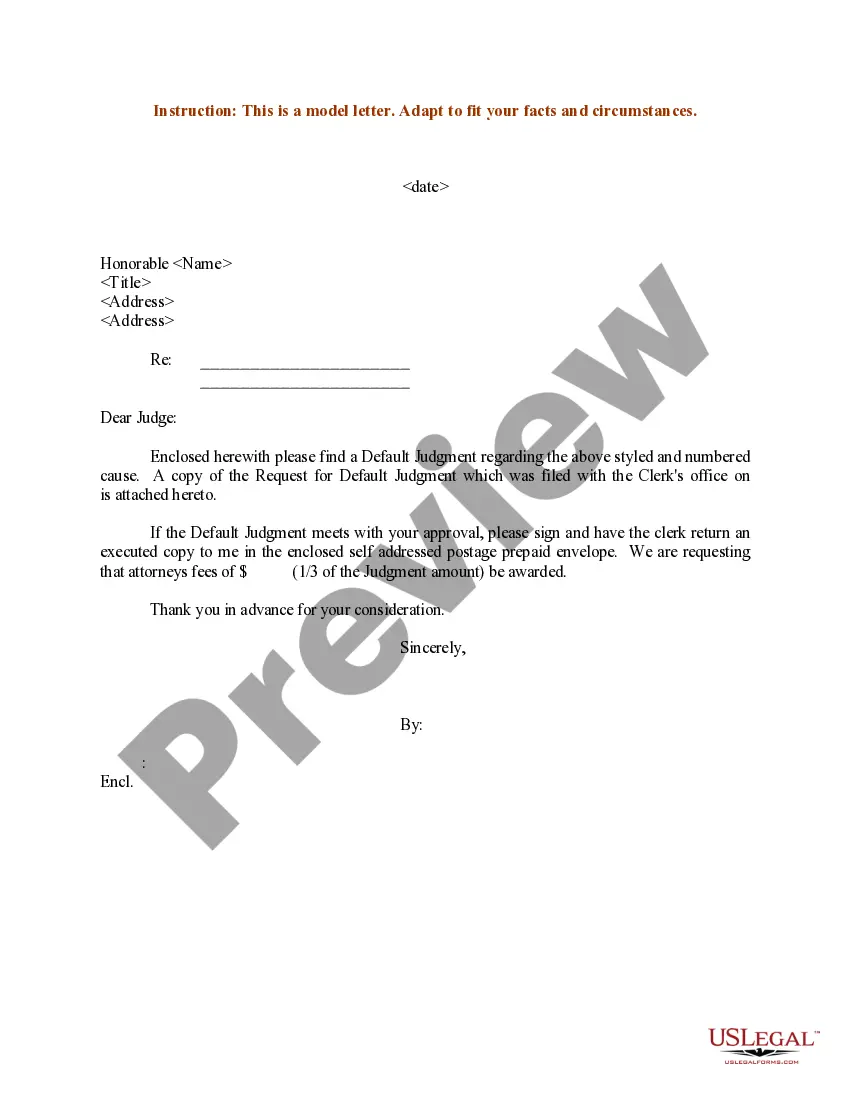
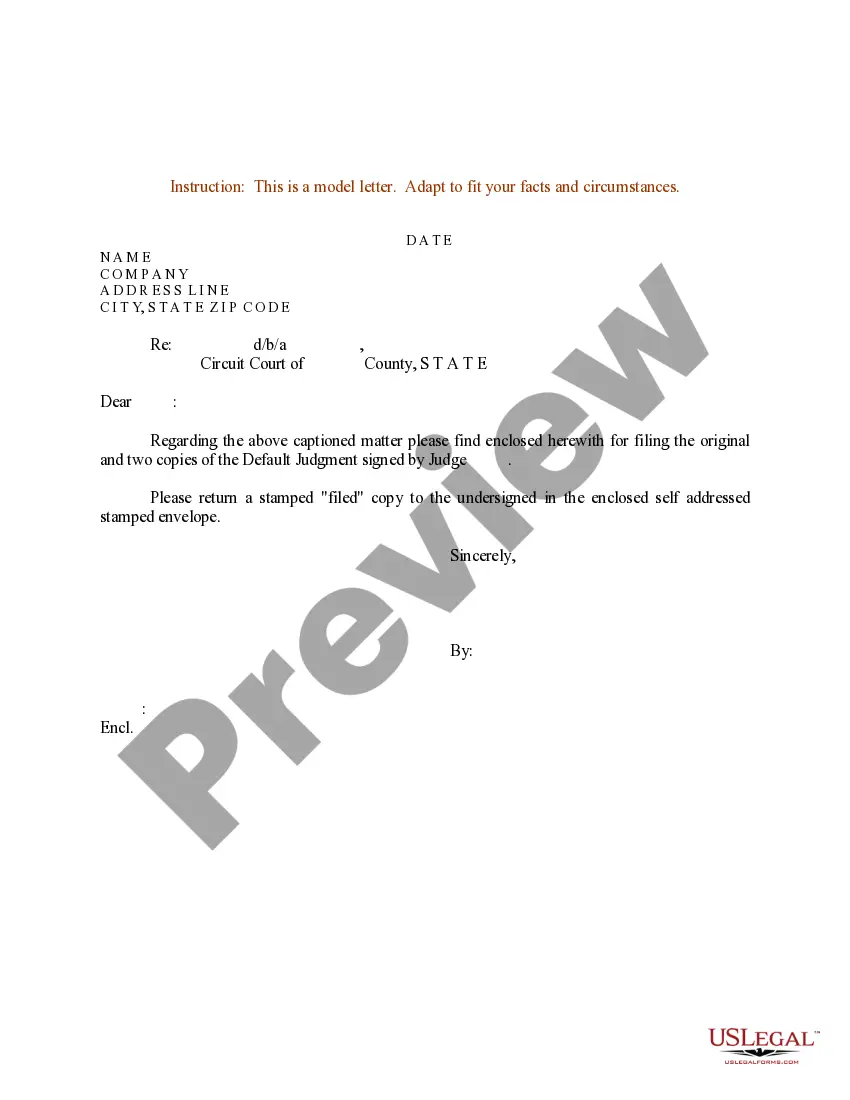
Letter Requesting Motion To Vacate Order Of Default Form In Massachusetts
Description
Get your form ready online
Our built-in tools help you complete, sign, share, and store your documents in one place.
Make edits, fill in missing information, and update formatting in US Legal Forms—just like you would in MS Word.
Download a copy, print it, send it by email, or mail it via USPS—whatever works best for your next step.
Sign and collect signatures with our SignNow integration. Send to multiple recipients, set reminders, and more. Go Premium to unlock E-Sign.
If this form requires notarization, complete it online through a secure video call—no need to meet a notary in person or wait for an appointment.
We protect your documents and personal data by following strict security and privacy standards.

Make edits, fill in missing information, and update formatting in US Legal Forms—just like you would in MS Word.

Download a copy, print it, send it by email, or mail it via USPS—whatever works best for your next step.

Sign and collect signatures with our SignNow integration. Send to multiple recipients, set reminders, and more. Go Premium to unlock E-Sign.

If this form requires notarization, complete it online through a secure video call—no need to meet a notary in person or wait for an appointment.

We protect your documents and personal data by following strict security and privacy standards.
Looking for another form?








Form popularity
FAQ
So in other words. If you've defaulted if you haven't answered a complaint. If you haven't shown upMoreSo in other words. If you've defaulted if you haven't answered a complaint. If you haven't shown up for the legal proceedings. And the judgment has entered against. You.
An eviction will have no influence on your credit report. Even an eviction with monetary stipulations will not affect your credit ratings if there is no further action. In order to influence a credit score there must first be action to recover a legitimate debt. A simple eviction does not meet that criteria.
You should fill out and file an answer with the court and serve a copy to the landlord or their attorney by the deadline in the complaint. An answer is the official court document that explains your side of the case.
When a default judgment is entered against a tenant they can lose possession of the unit, and even be moved out, despite never being heard by a judge. Once a default judgment is entered it cannot be appealed, and within 11 days a tenant can be physically removed from the property.
On average, it would take anywhere between a little over 1 month to more than 1 year for a complete eviction process. Give your tenant a written Notice to Vacate prior to the eviction process. Make sure no mistakes were made in the filing process. If you win the case, the judge will give you a Judgment of Possession.
Form 20, Motion to Dismiss, is used to request that the court dismiss an eviction case. This form provides tenants with a structured way to outline reasons why the eviction should not proceed, ensuring that all necessary information is presented clearly and effectively to the court.
Be Honest About Your Situation Being truthful about your eviction gives you a chance to explain the circumstances and offer reasons it won't happen again. Lying about it is all but guaranteed to sink your chances at renting with the prospective landlord.
Circumstances that may indicate good cause for a continuance include the unavailability of an essential witness (CRC 3.1332 (c)(1)); the unavailability of a party because of death, illness, or other excusable circumstances (CRC 3.1332 (c)(2)); or a significant, unanticipated change in the status of the case as a result ...
Some typical grounds for a continuance motion include the unavailability of a witness; counsel's required presence in another court; illness of the defendant; prejudicial pretrial publicity; and an adequate opportunity to prepare the case, necessitated by such events as an amendment of the complaint, change of counsel, ...
