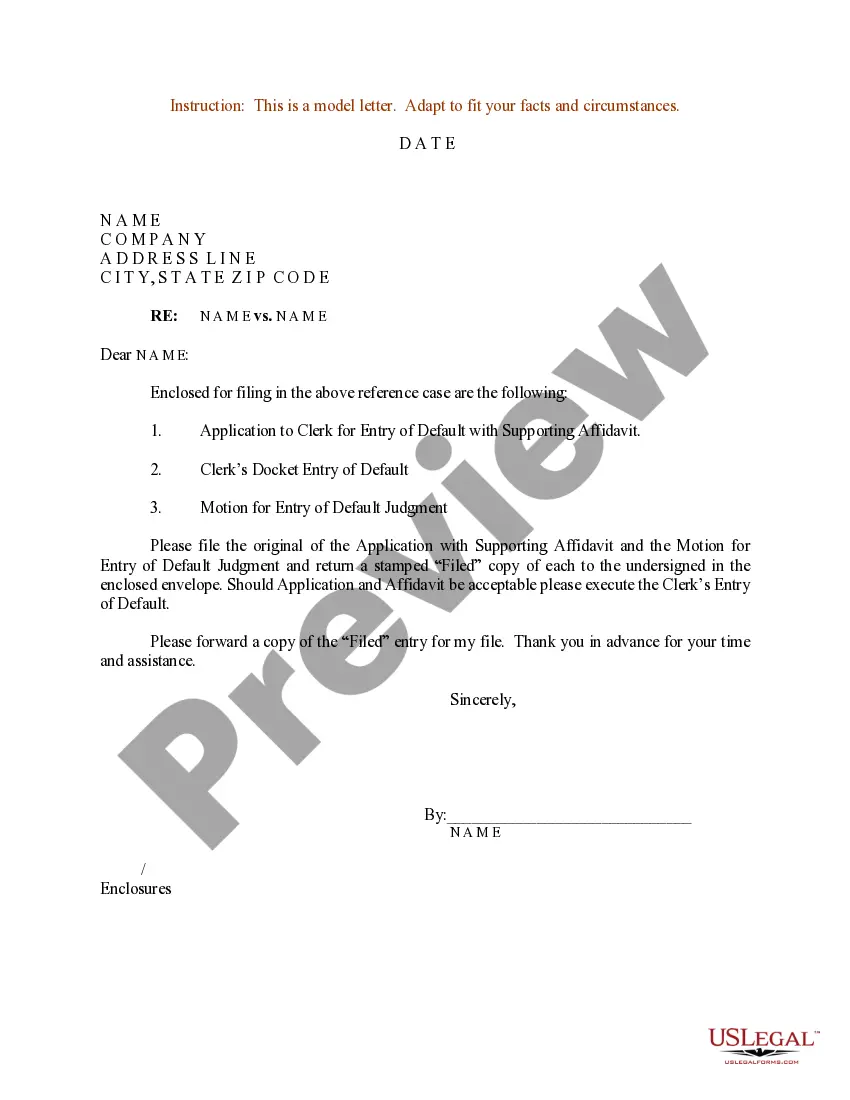
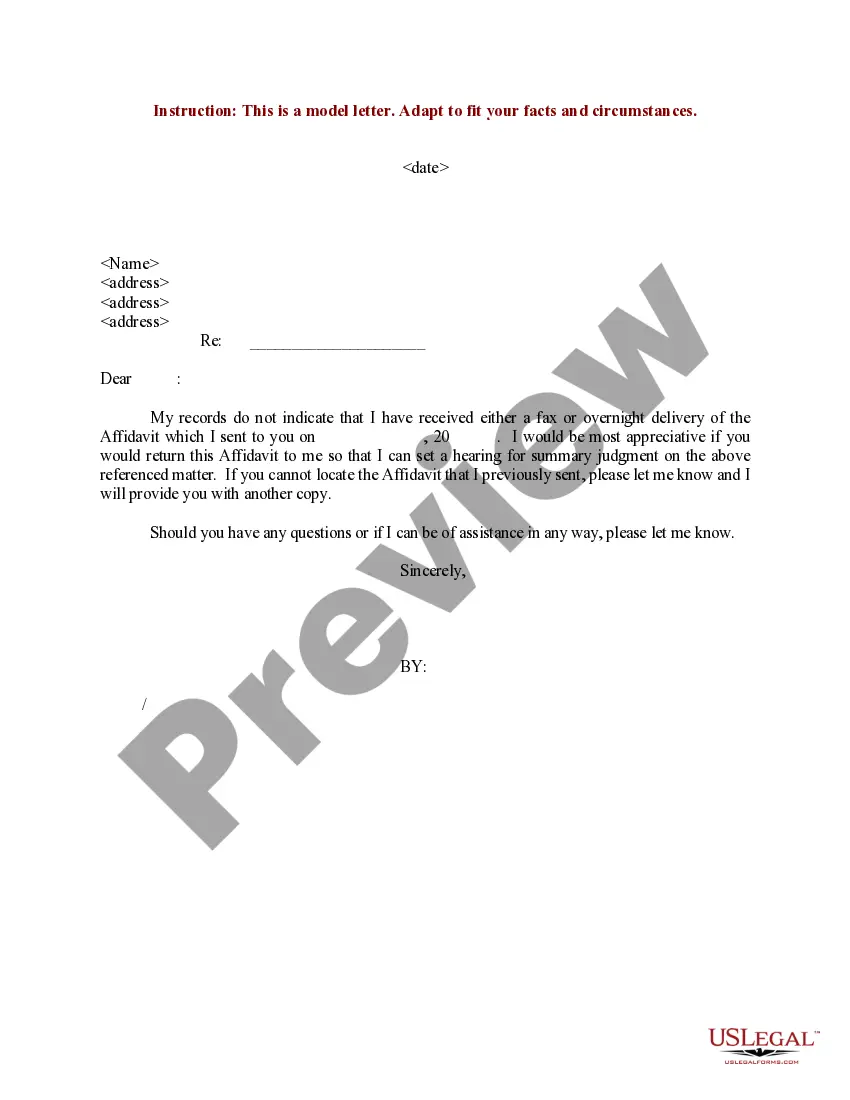
Letter Requesting Motion To Vacate Order Of Default Form In Illinois
Description

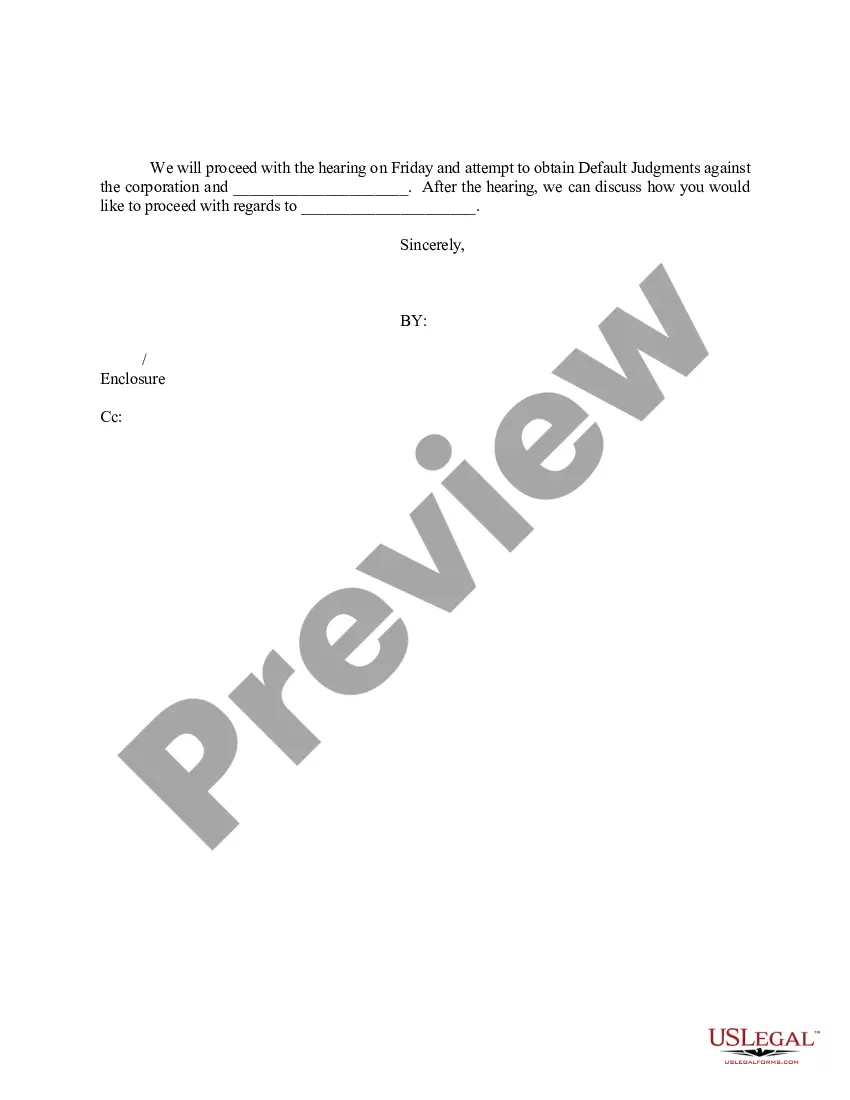
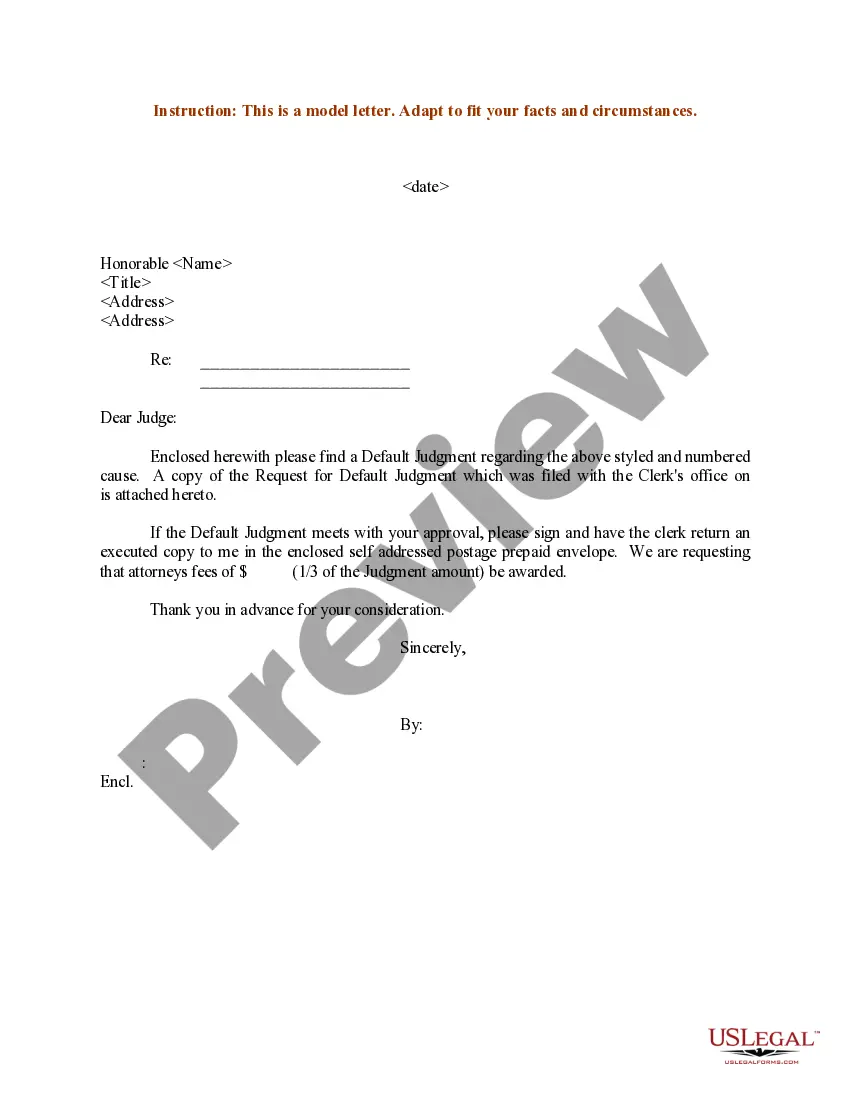
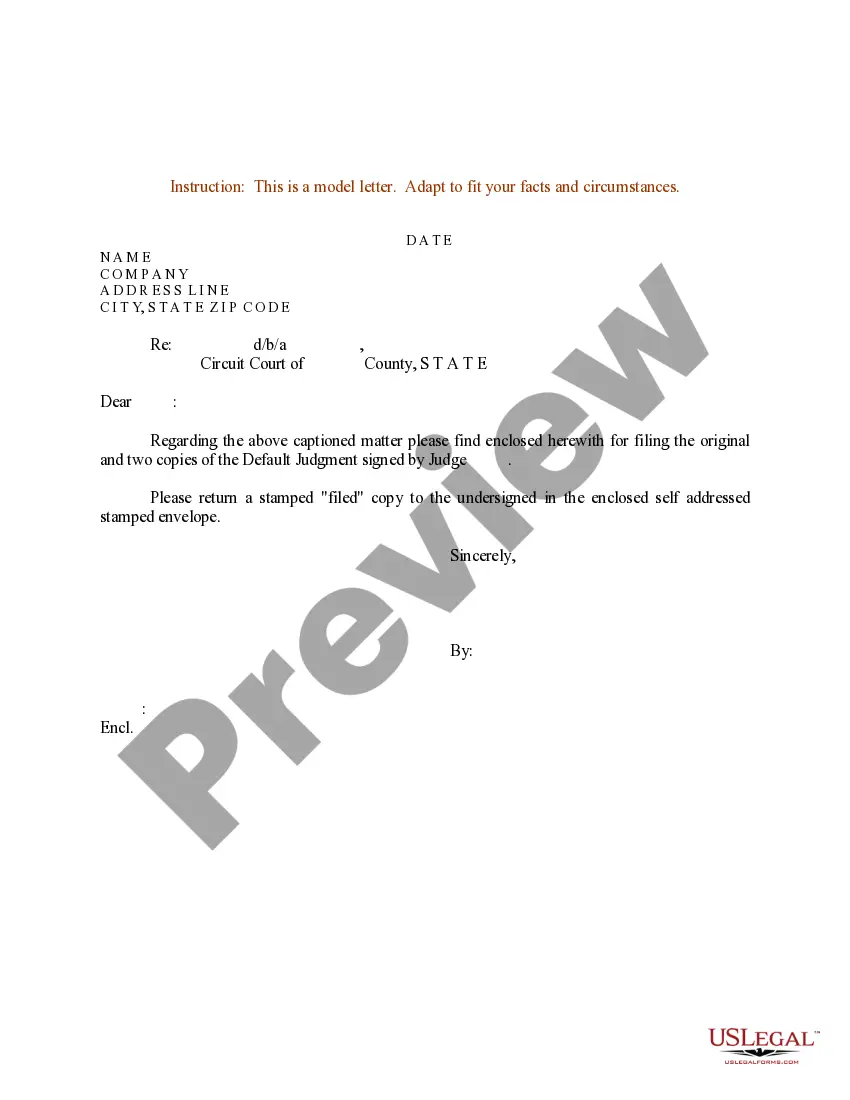
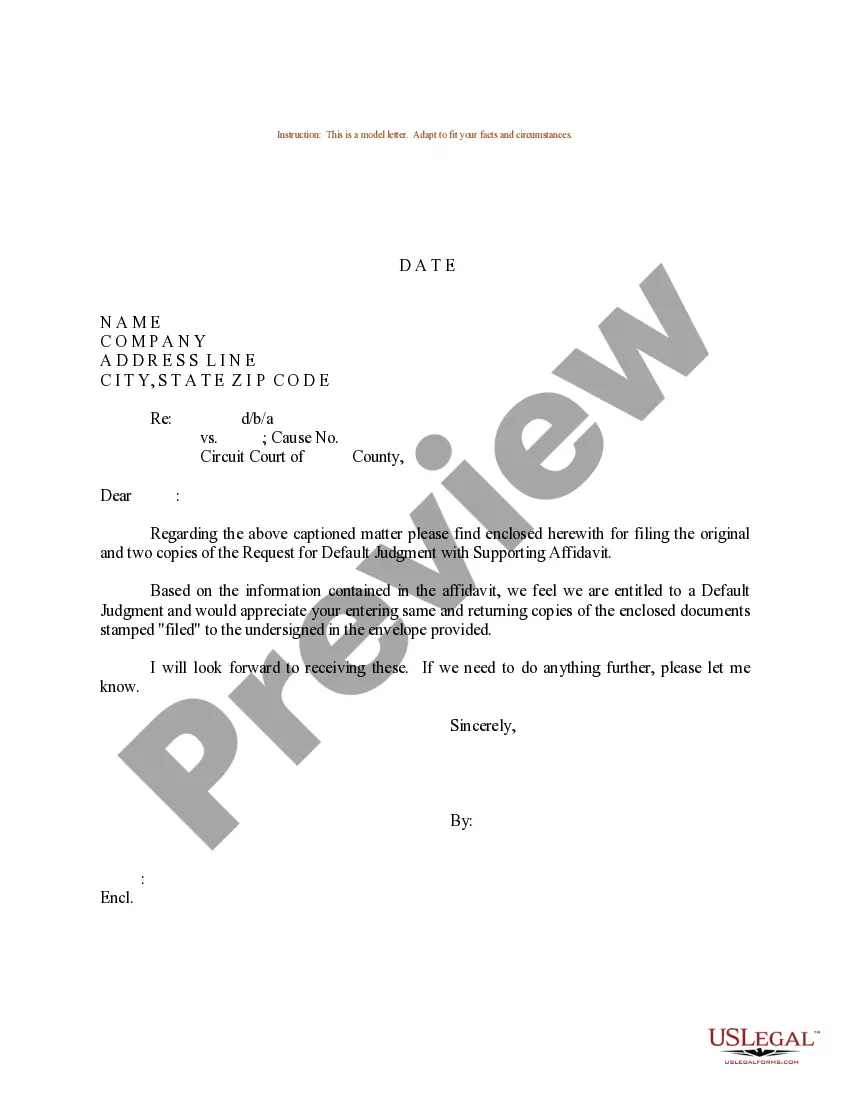
Get your form ready online
Our built-in tools help you complete, sign, share, and store your documents in one place.
Make edits, fill in missing information, and update formatting in US Legal Forms—just like you would in MS Word.
Download a copy, print it, send it by email, or mail it via USPS—whatever works best for your next step.
Sign and collect signatures with our SignNow integration. Send to multiple recipients, set reminders, and more. Go Premium to unlock E-Sign.
If this form requires notarization, complete it online through a secure video call—no need to meet a notary in person or wait for an appointment.
We protect your documents and personal data by following strict security and privacy standards.

Make edits, fill in missing information, and update formatting in US Legal Forms—just like you would in MS Word.

Download a copy, print it, send it by email, or mail it via USPS—whatever works best for your next step.

Sign and collect signatures with our SignNow integration. Send to multiple recipients, set reminders, and more. Go Premium to unlock E-Sign.

If this form requires notarization, complete it online through a secure video call—no need to meet a notary in person or wait for an appointment.

We protect your documents and personal data by following strict security and privacy standards.
Looking for another form?








Form popularity
FAQ
If a motion for default is granted, it means that the court has determined that the opposing party has failed to respond or take action within the required time frame.
The entry of a final order or judgment may not end the litigation in the trial court. Section 2-1401 entitles a party to bring a petition to vacate a final judgment or order after the 30 day period provided for under section 2-1301(e) has expired and for two years from the date of the entry of the judgment or order.
If it has been 30 days or less, you can get rid of ("vacate") a default judgment by filing a motion. This is a written request to the judge asking them to throw out the judgment. You will have to send a copy of the motion to the other party in the case, and then show up in court for a hearing.
If you ignore the Notice, a hearing officer may enter a Default Judgment against you based on the evidence presented. A "Default Judgment" is similar to a Judge's order in that it can be used to place a lien on your property, garnish your wages and/or affect your credit.
At the hearing, the judge will decide to grant or deny the motion. If the judge grants your motion, the default or a default judgment will be set aside, and the case will move forward.
Failing to appear in court or ignoring a summons is generally considered to be bad idea, as it results in a default judgment against the defendant. That being said, default judgments can be vacated if the defendant can demonstrate a valid excuse.
If the eviction is for violating a provision in the lease, your landlord must give you a 10-day notice. If you remain in the rental unit after the eviction notice, your landlord can file a lawsuit to evict you. The Illinois Forcible Entry and Detainer Act requires your landlord to serve you a summons and complaint.
If it has been 30 days or less, you can get rid of ("vacate") a default judgment by filing a motion. This is a written request to the judge asking them to throw out the judgment. You will have to send a copy of the motion to the other party in the case, and then show up in court for a hearing.
Either party in a protective order cases can file a Motion to Modify (change), or a Motion to Terminate (end) the protective order. The clerk will set a court date for you to appear and present this to the judge. You will have to send the Respondent a copy of your motion.
