Letter Requesting Motion To Vacate Order Of Default Without Notice In Alameda
Description
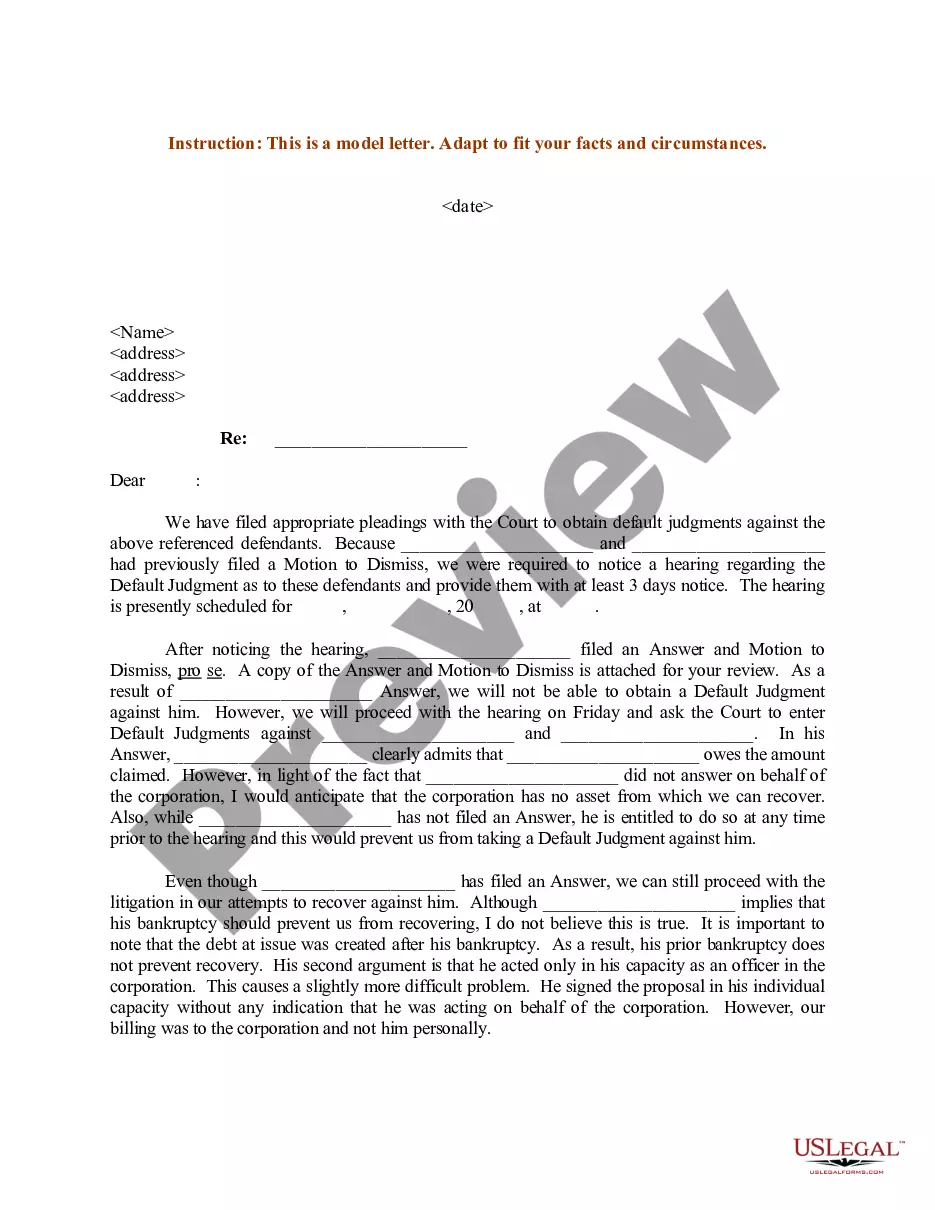
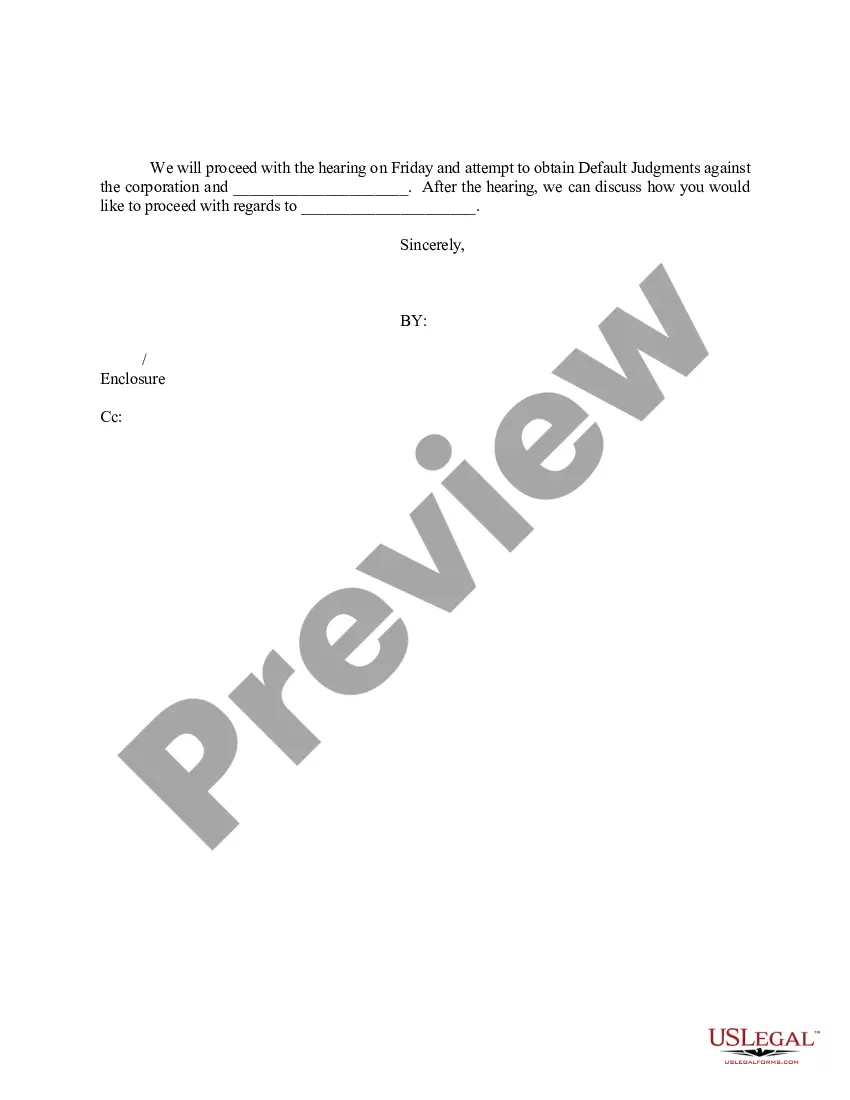
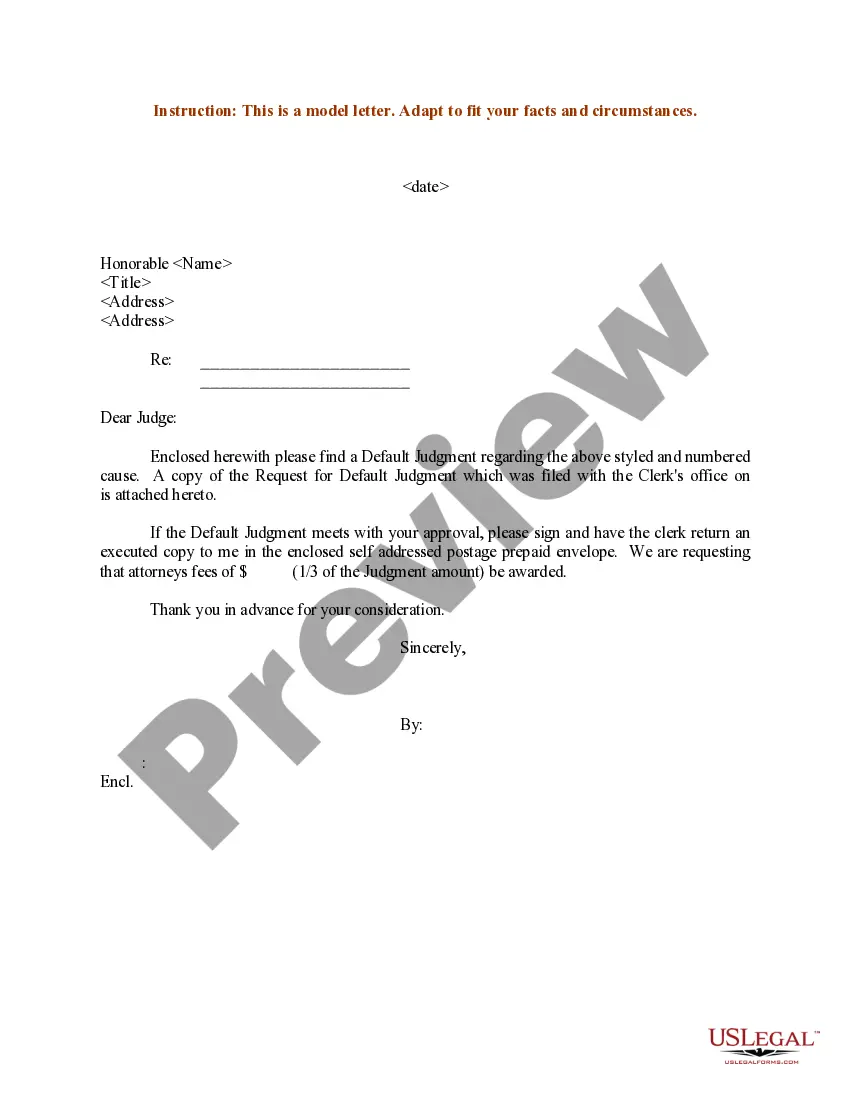
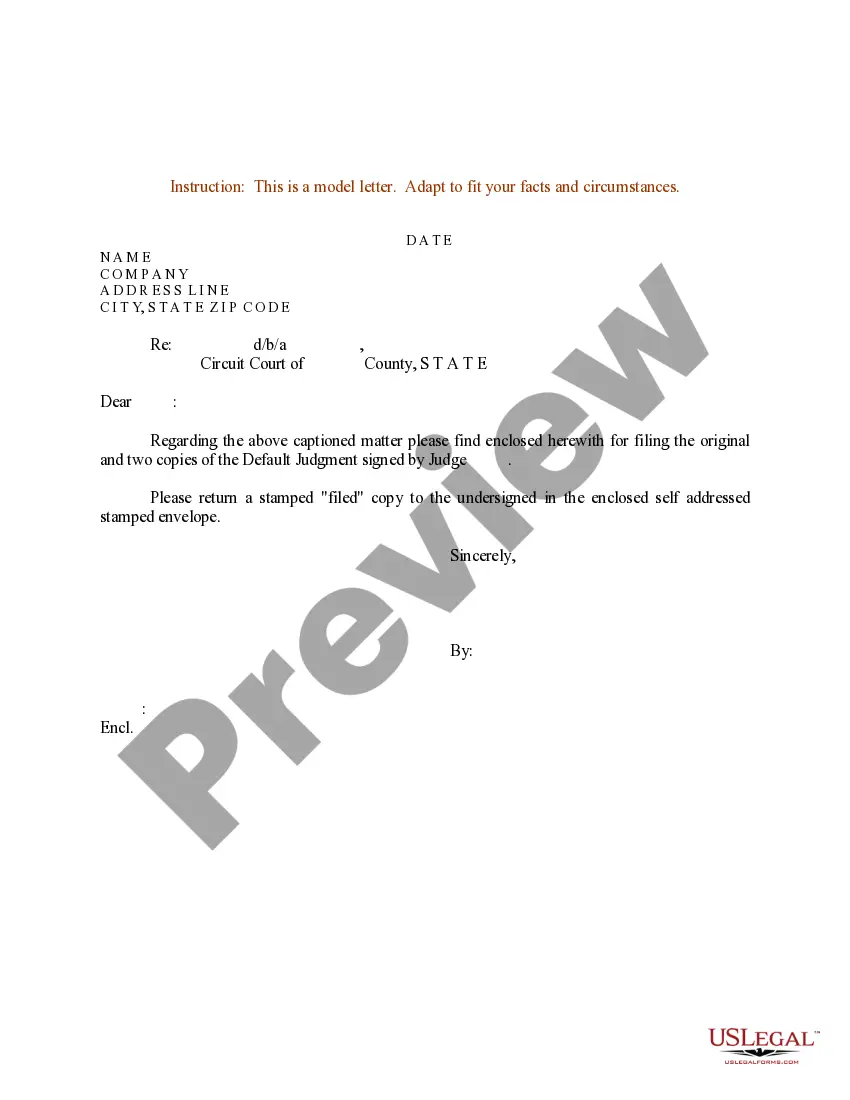
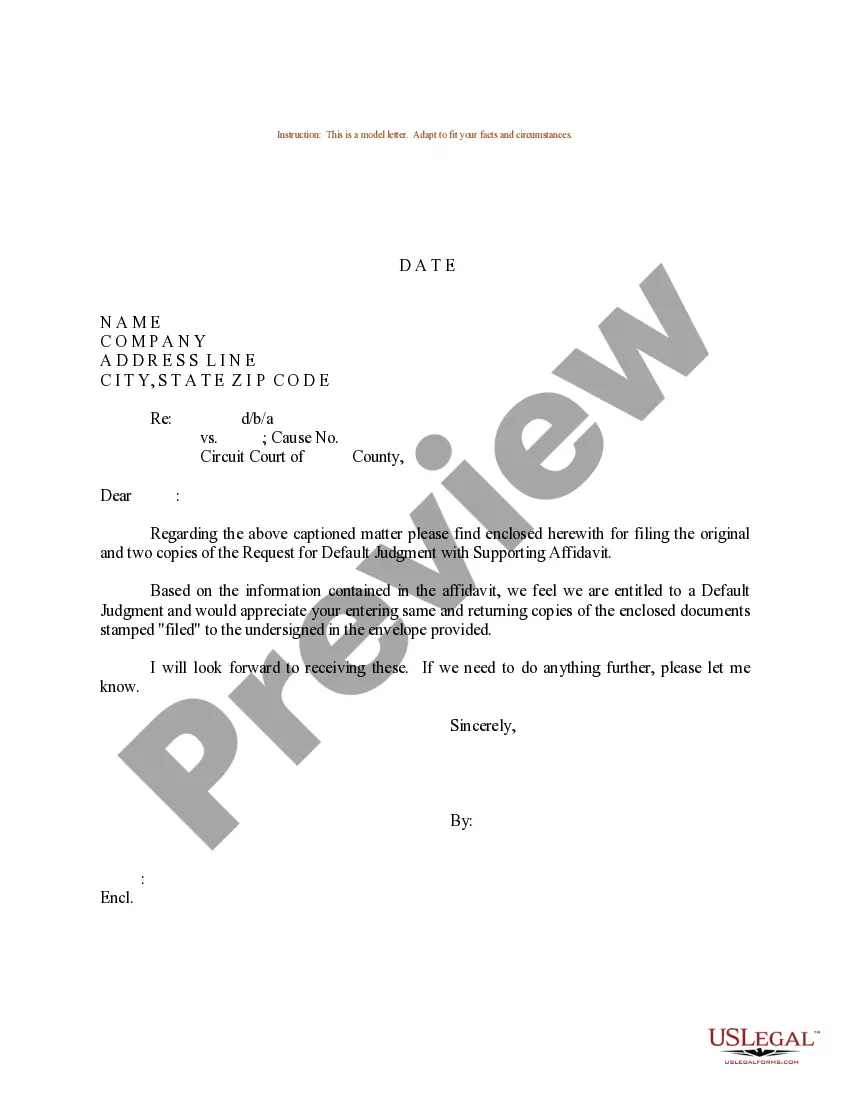
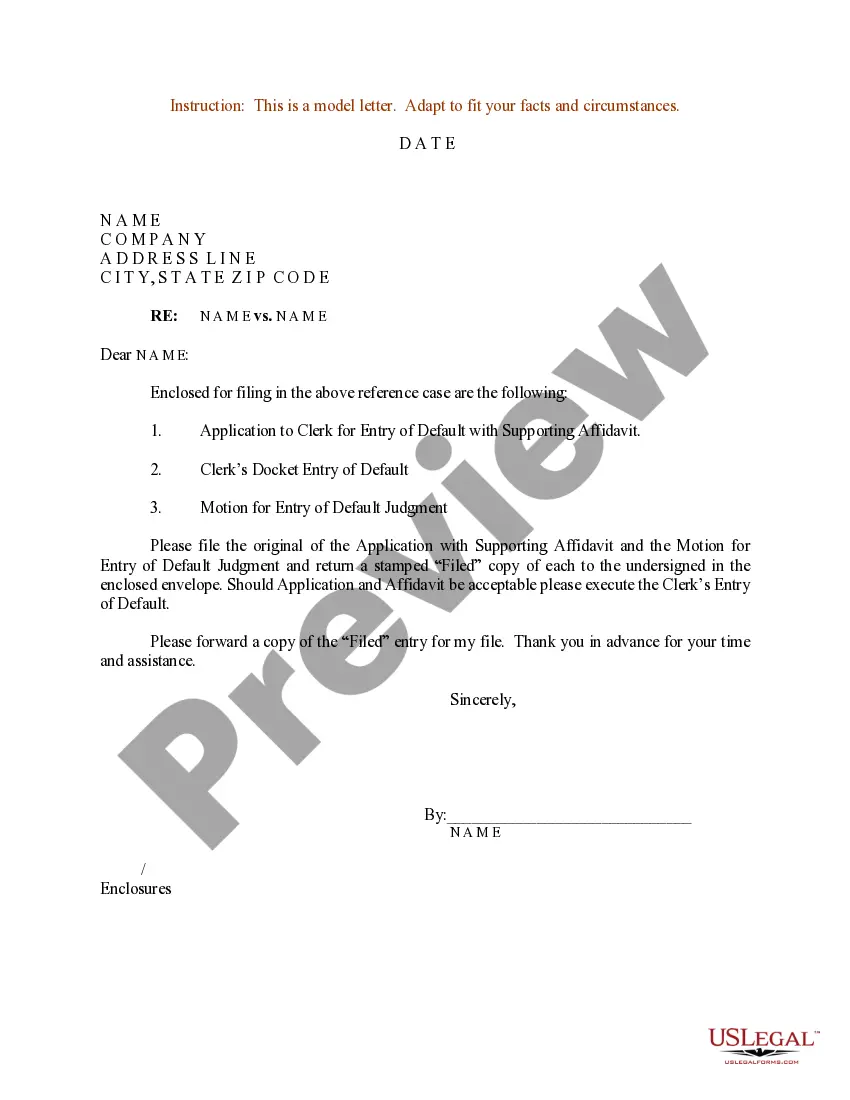
Get your form ready online
Our built-in tools help you complete, sign, share, and store your documents in one place.
Make edits, fill in missing information, and update formatting in US Legal Forms—just like you would in MS Word.
Download a copy, print it, send it by email, or mail it via USPS—whatever works best for your next step.
Sign and collect signatures with our SignNow integration. Send to multiple recipients, set reminders, and more. Go Premium to unlock E-Sign.
If this form requires notarization, complete it online through a secure video call—no need to meet a notary in person or wait for an appointment.
We protect your documents and personal data by following strict security and privacy standards.

Make edits, fill in missing information, and update formatting in US Legal Forms—just like you would in MS Word.

Download a copy, print it, send it by email, or mail it via USPS—whatever works best for your next step.

Sign and collect signatures with our SignNow integration. Send to multiple recipients, set reminders, and more. Go Premium to unlock E-Sign.

If this form requires notarization, complete it online through a secure video call—no need to meet a notary in person or wait for an appointment.

We protect your documents and personal data by following strict security and privacy standards.
Looking for another form?
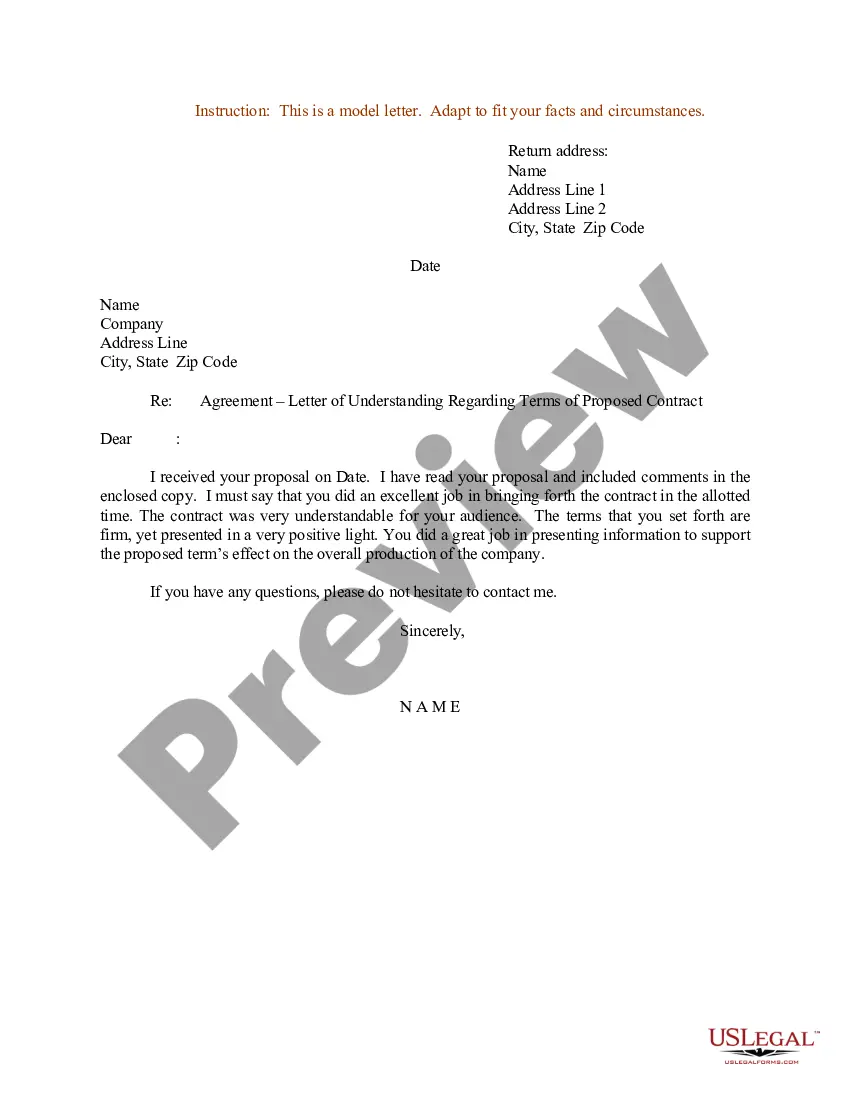








Form popularity
FAQ
Step-by-Step Instructions Collect Supporting Evidence. Reserve Your Court Hearing and Determine Deadlines to File and Serve Motion. Prepare Your Motion and Proposed Response. Copy and Assemble Your Documents. Have the Motion Served and Attach the Proof of Service to Remaining Copies.
Motions: 16 court days before hearing (+5 calendar days for mailing). If the mailing deadline (16+5 days) has passed, but there are still more than 16 court days before the hearing, you can have it served by personal delivery.
If you were sued and lost because you did not appear in court, you can file an SC-135 Notice of Motion to Vacate Judgment. By filing this motion, you are asking the court to cancel the judgment entered against you and to give you a new trial.
A motion to vacate the chair or motion to declare the chair vacant, commonly shortened to motion to vacate, is a procedure in which a member of a legislative body proposes that the presiding officer vacates their office.
What is a Motion for Default Judgment? Imagine you've taken someone to court, but they've ignored all proceedings. A motion for default judgment allows you to ask the court to automatically decide in your favor due to the other party's lack of response or action.
(g) Request for entry of default If a responsive pleading is not served within the time limits specified in this rule and no extension of time has been granted, the plaintiff must file a request for entry of default within 10 days after the time for service has elapsed.
If you are asking to set aside a default judgment or an order where you never filed a response, you should include a proposed response. If the judge decides to set aside the judgment or order, then the judge will order that your proposed response becomes the official response (it gets filed).
(b) The court may, upon any terms as may be just, relieve a party or his or her legal representative from a judgment, dismissal, order, or other proceeding taken against him or her through his or her mistake, inadvertence, surprise, or excusable neglect.
A defendant can challenge the entry of default by filing a motion pursuant to Federal Rule of Civil Procedure 55(c), which allows the court to set it aside for “good cause” shown. Under certain circumstances, the court is required to do so.
