Donate Land For Conservation In Travis
Description
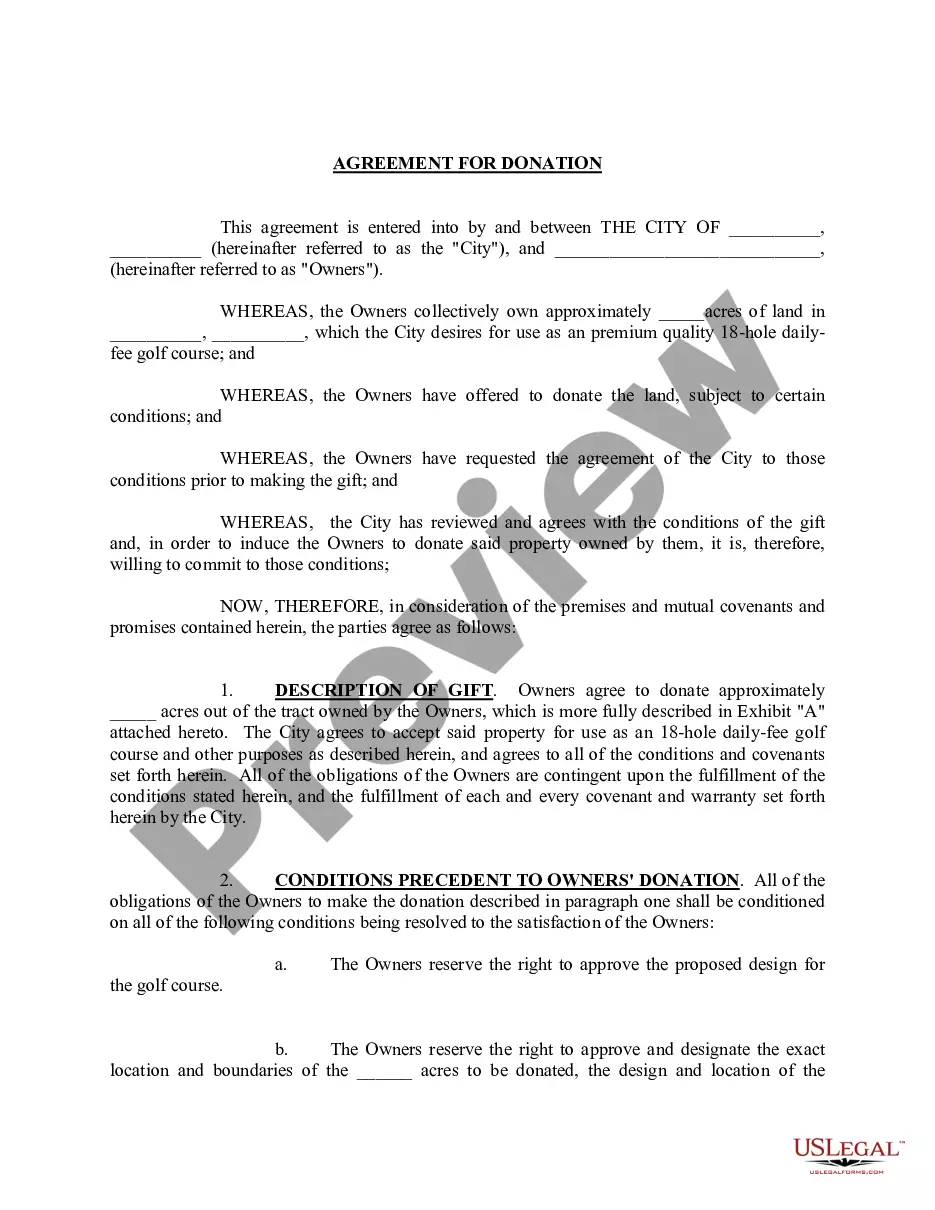
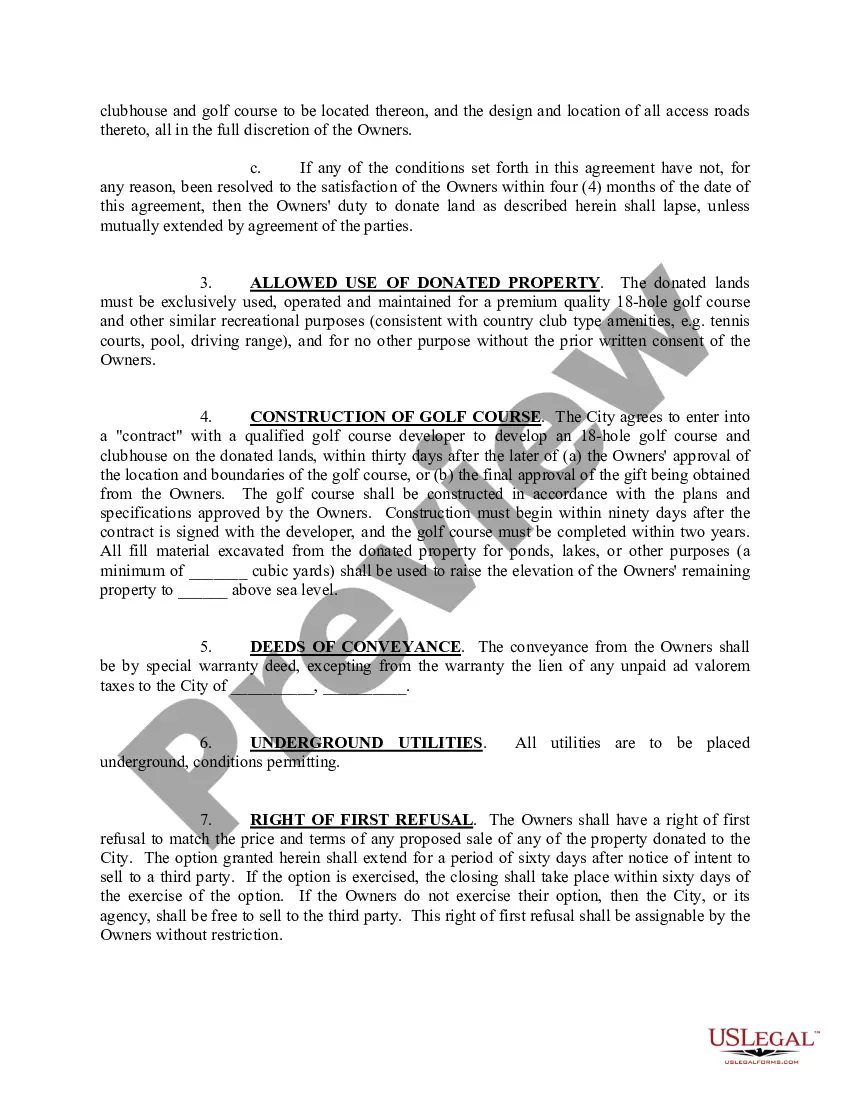
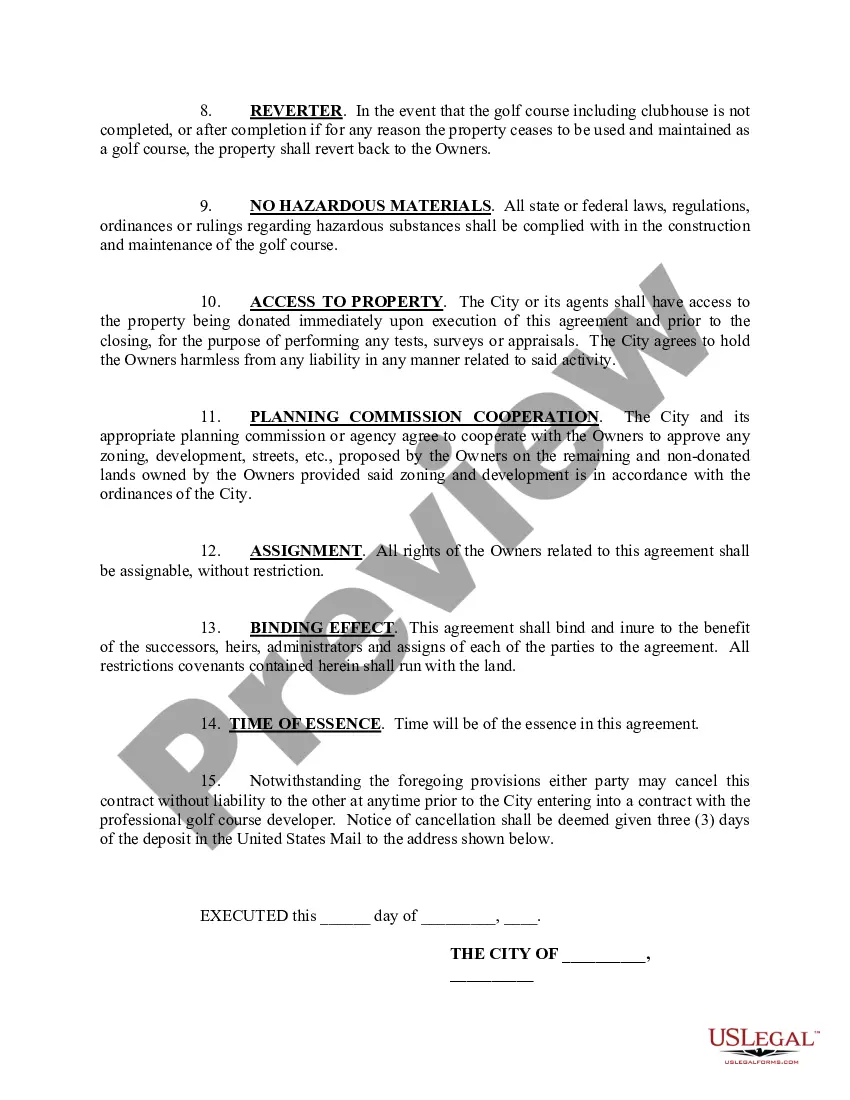
Get your form ready online
Our built-in tools help you complete, sign, share, and store your documents in one place.
Make edits, fill in missing information, and update formatting in US Legal Forms—just like you would in MS Word.
Download a copy, print it, send it by email, or mail it via USPS—whatever works best for your next step.
Sign and collect signatures with our SignNow integration. Send to multiple recipients, set reminders, and more. Go Premium to unlock E-Sign.
If this form requires notarization, complete it online through a secure video call—no need to meet a notary in person or wait for an appointment.
We protect your documents and personal data by following strict security and privacy standards.

Make edits, fill in missing information, and update formatting in US Legal Forms—just like you would in MS Word.

Download a copy, print it, send it by email, or mail it via USPS—whatever works best for your next step.

Sign and collect signatures with our SignNow integration. Send to multiple recipients, set reminders, and more. Go Premium to unlock E-Sign.

If this form requires notarization, complete it online through a secure video call—no need to meet a notary in person or wait for an appointment.

We protect your documents and personal data by following strict security and privacy standards.
Looking for another form?






Form popularity
FAQ
It should be acknowledged that a conservation easement is not a typical financial instrument. It is actually a blend of tax planning and environmental stewardship as well as legacy design. It suits investors who prioritize long-term goals and who value the tax benefits of conservation easements more than direct income.
Residential and Commercial Land Investments Residential and commercial land development offers a feasible entryway into land investment because an unlimited number of opportunities can be structured to meet an investor's capital and time constraints. Real estate investment trust exchange-traded funds are a good choice.
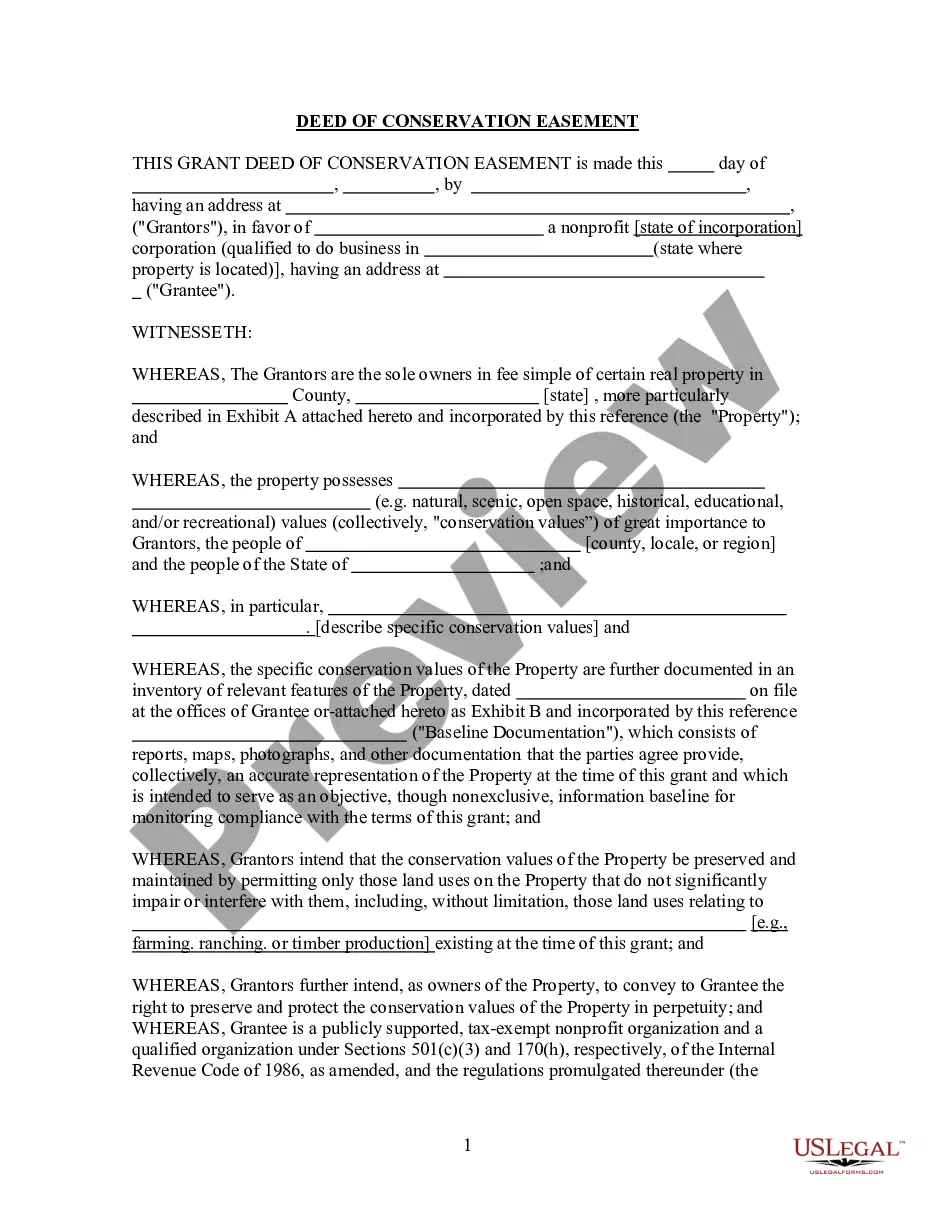
Conservation easements enable landowners to protect resources they value for their children and future generations while maintaining private ownership. In Texas, conservation easements are generally donated to nonprofit conservation organizations, commonly known as land trusts.
Since you and your heirs retain ownership rights, a conservation easement does not remove the land from your estate entirely. However, an easement reduces the land's value (lowering the value of your overall estate).
Conservation easements can reduce the property's overall value, making the land worth less for future sales. Farmers with a mortgage may have limited options with respect to doing a conservation easement. It's possible that a farm may have a conservation easement, but may be allowed to become fallow.
Contact land trusts and government agencies that work to assist landowners in your community who are interested in conservation. Get to know their policies and services, and discuss what you'd like to accomplish on your land and what rights you'd like to keep.
Land conservation is the long-term protection and management of unused or underused land resources, such as open space, farmland, and forest land.
A conservation easement is just one of many options. You may also donate or sell property, donate or sell development rights, or do a bargain sale with a land trust. The opportunity of a permanent conservation easement can protect a family farm or ranch, allowing for future generations to continue in agriculture.
The Nature Conservancy defines a conservation easement as a voluntary, legally binding agreement that limits certain types of uses or prevents development from taking place on a piece of property now and in the future, while protecting the property's ecological or open-space values.
