Donate Land For Conservation In Oakland
Description
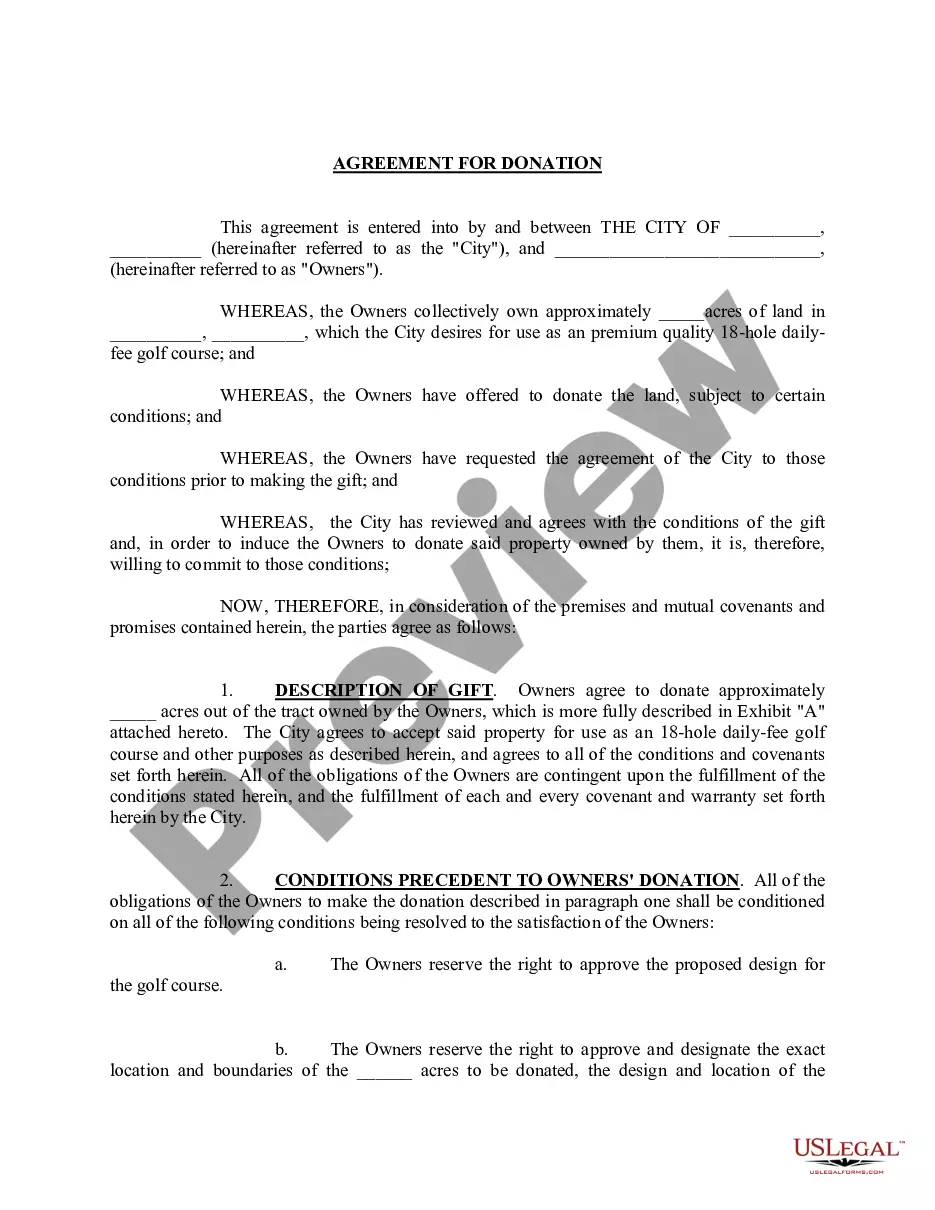
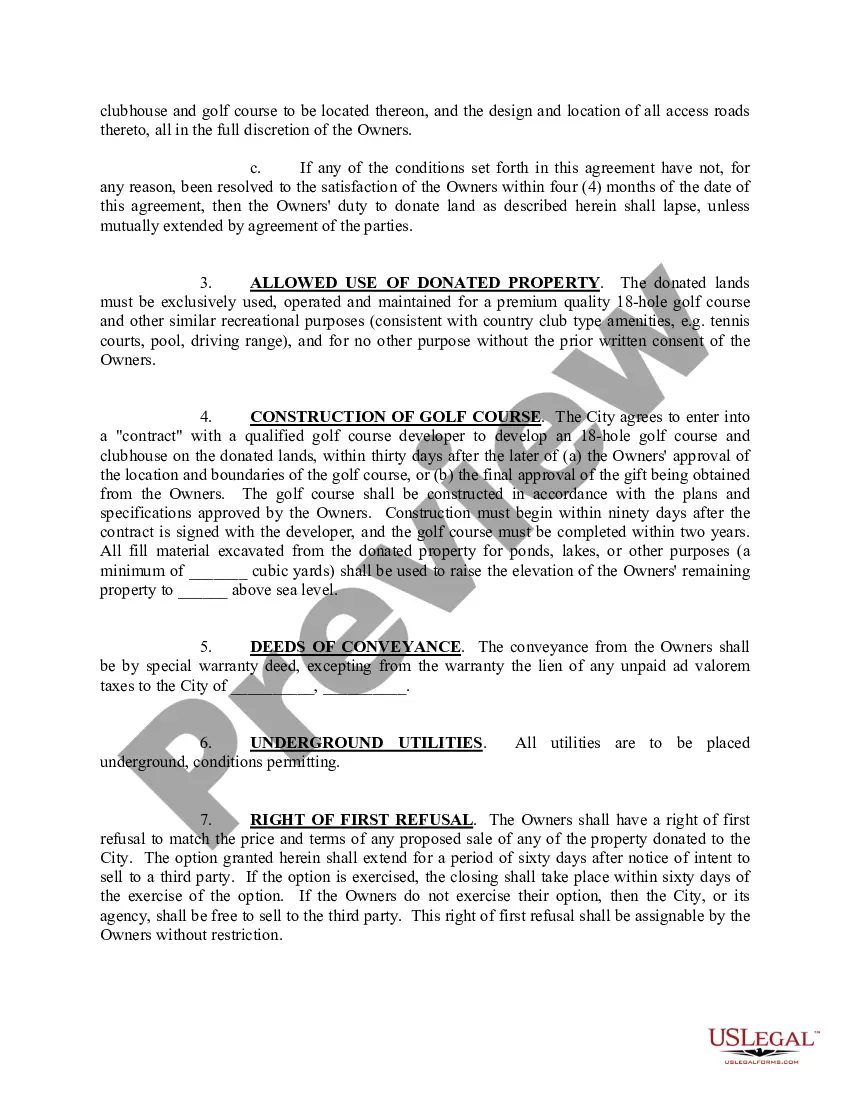
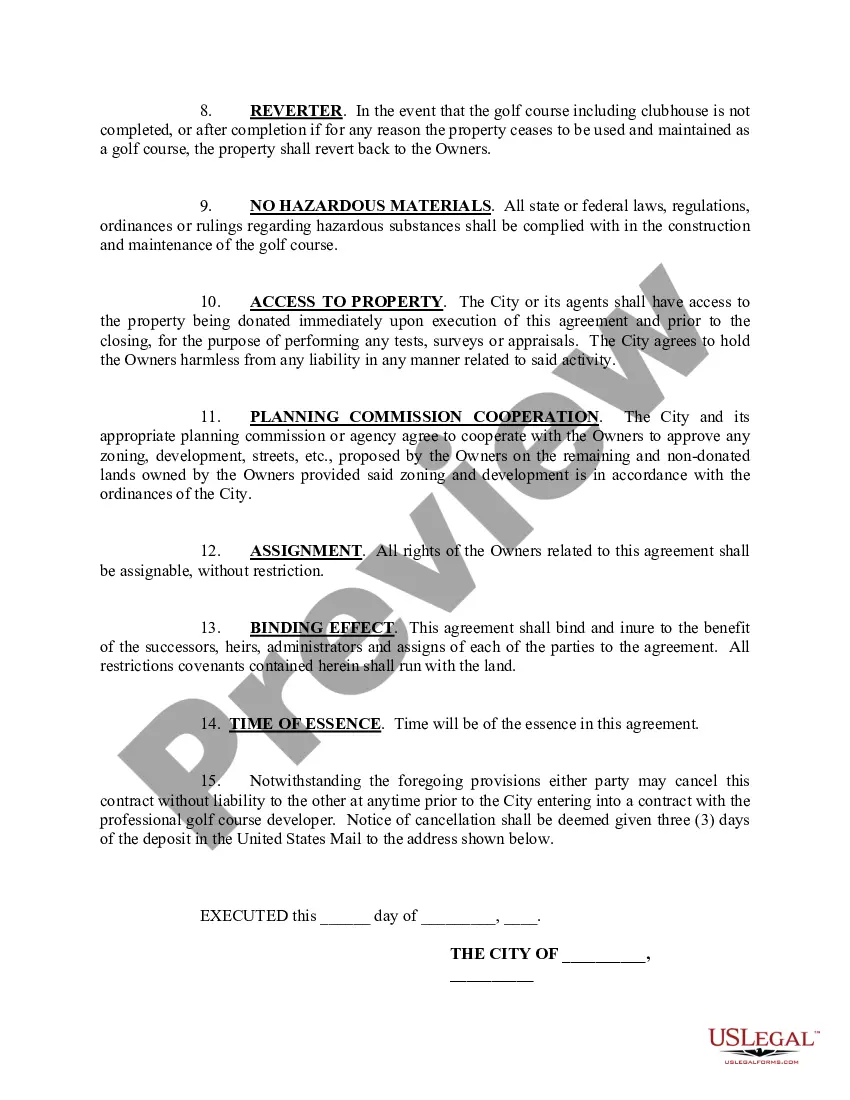
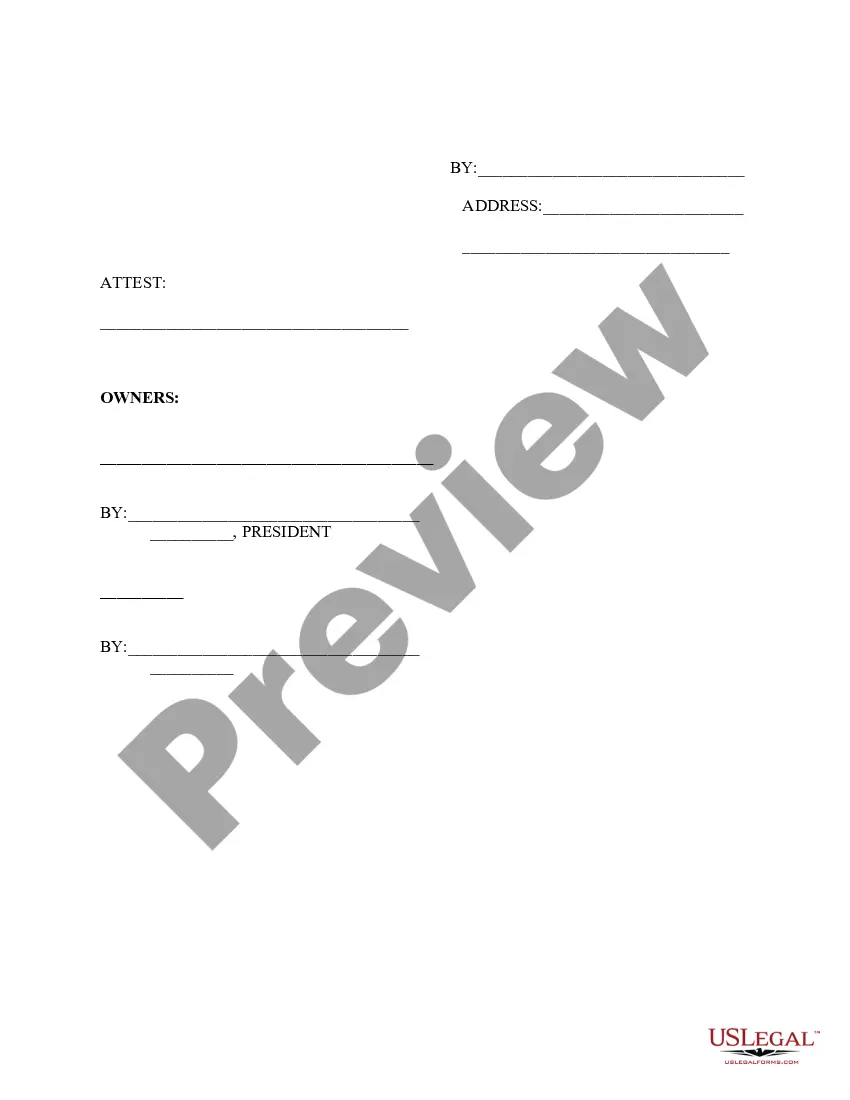
Get your form ready online
Our built-in tools help you complete, sign, share, and store your documents in one place.
Make edits, fill in missing information, and update formatting in US Legal Forms—just like you would in MS Word.
Download a copy, print it, send it by email, or mail it via USPS—whatever works best for your next step.
Sign and collect signatures with our SignNow integration. Send to multiple recipients, set reminders, and more. Go Premium to unlock E-Sign.
If this form requires notarization, complete it online through a secure video call—no need to meet a notary in person or wait for an appointment.
We protect your documents and personal data by following strict security and privacy standards.

Make edits, fill in missing information, and update formatting in US Legal Forms—just like you would in MS Word.

Download a copy, print it, send it by email, or mail it via USPS—whatever works best for your next step.

Sign and collect signatures with our SignNow integration. Send to multiple recipients, set reminders, and more. Go Premium to unlock E-Sign.

If this form requires notarization, complete it online through a secure video call—no need to meet a notary in person or wait for an appointment.

We protect your documents and personal data by following strict security and privacy standards.
Looking for another form?






Form popularity
FAQ
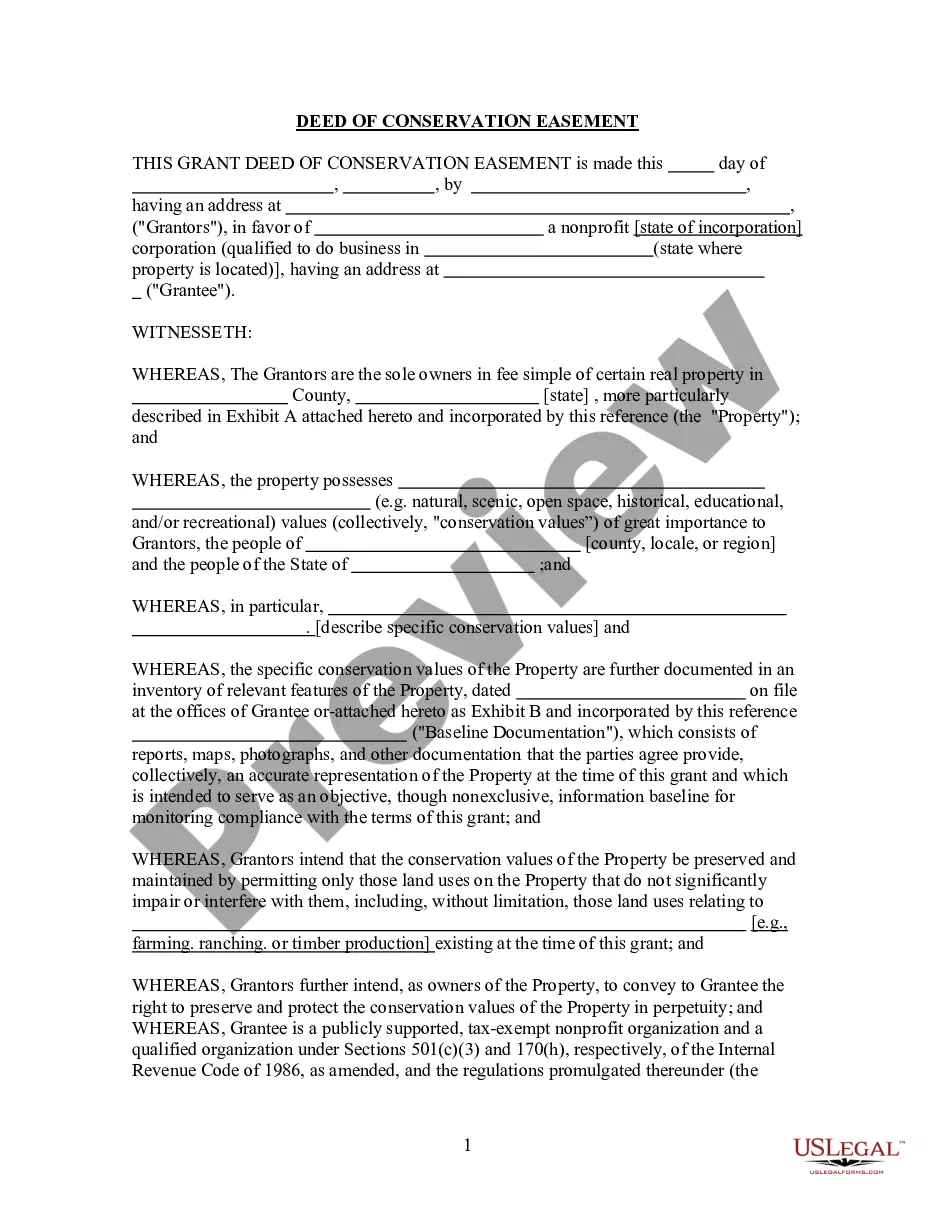
What are the IRS requirements for a conservation easement? Obtain an appraisal from a licensed appraiser—preferably one who has performed appraisals for conservation easements. Obtain written acknowledgment from the donee organization, such as the land trust, at the time of donation. Complete a baseline study.
TNC has unrivaled experience with real estate: our trade lands program has raised over $400 million from real estate gifts, and we own and manage more than $4.8 billion of conservation land. To learn more, complete the form on this page or contact our specialists at (833) 336-7526 or legacy@tnc.
If you give property to a qualified organization, you can generally deduct the fair market value (FMV) of the property at the time of the contribution. See Contributions of Property, later.
For example, the receipt in advance of a donation specified to cover an expenditure that must take place in a future accounting period should be accounted for as deferred income and recognised as a liability until the accounting period in which the recipient SB is allowed by the condition to expend the resource.
Generally Accepted Accounting Principles (GAAP) requires that a nonprofit record donated nonfinancial assets on the financial statements.
If you give property to a qualified organization, you can generally deduct the fair market value (FMV) of the property at the time of the contribution.
Individuals may deduct qualified contributions of up to 100 percent of their adjusted gross income. A corporation may deduct qualified contributions of up to 25 percent of its taxable income. Contributions that exceed that amount can carry over to the next tax year.
A conservation easement is just one of many options. You may also donate or sell property, donate or sell development rights, or do a bargain sale with a land trust. The opportunity of a permanent conservation easement can protect a family farm or ranch, allowing for future generations to continue in agriculture.
Landowners who want to protect their land well into the future can enter into a conservation easement with a land trust, government agency, tribe or other qualified organization. Conservation easements offer effective and flexible protection, and are one of the most frequently used tools for conserving private land.
Income tax strategies—Donations to 501(c)(3) public charities qualify for an itemized deduction from income. Because the tax rate is then applied to a reduced income, this can minimize your overall tax liability.
